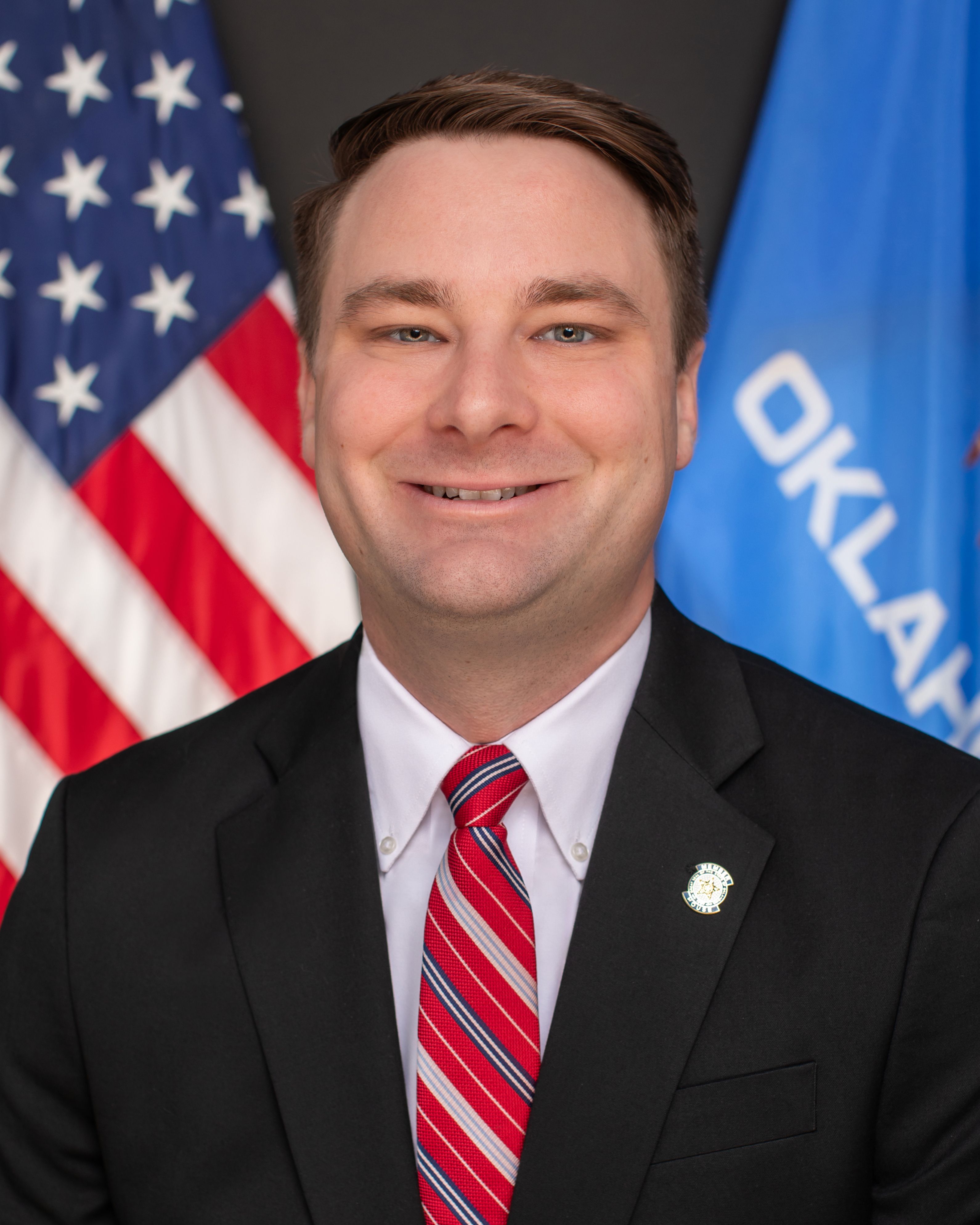
HB 1494 allocates $150,000 from Oklahoma's General Revenue Fund to the State Department of Education for a specific purpose: contracting with an Oklahoma-based nonprofit organization that specializes in geography education. This funding aims to improve geographic literacy in Oklahoma public schools by training educators through programs developed by the nonprofit. The bill directs the funds to be used for this purpose during the 2025-2026 fiscal year, with the appropriation effective July 1, 2025. The legislation declares an emergency to allow immediate implementation upon passage.
SB 1184 allocates $100,000 from Oklahoma's General Revenue Fund to the Department of Human Services for the 2025-2026 fiscal year. The funds are intended to support the department's existing legal duties, not to create new programs or services. The bill includes an emergency declaration, requiring immediate passage to address urgent needs affecting public health and safety. This is a straightforward funding measure with no new policy provisions.
SB 1185 allocates $100,000 from unallocated General Revenue Funds to the Oklahoma Department of Human Services for its existing statutory duties during the 2025-2026 fiscal year. The bill declares an emergency to allow immediate implementation upon approval, though it does not establish new programs or alter service requirements. This is a routine funding measure, not a policy change affecting specific populations or creating new obligations. (Procedural bill; summary limited to 2 sentences as required.)
SB 177 creates the "Morrill Act of 1890 Revolving Fund" under Oklahoma’s State Regents for Higher Education to provide stable, long-term funding for the state’s land-grant institutions established under the 1890 Morrill Act (like Langston University). It appropriates $418,986,272 from the General Revenue Fund for fiscal year 2026 to ensure equitable distribution of funds to these institutions without annual budgeting constraints. The fund operates as a continuing pool, allowing the Regents to manage and distribute resources directly to eligible institutions via state treasurer warrants. This bill directly affects Oklahoma’s 1890 land-grant institutions and takes effect July 1, 2025.
SB 1358 creates the Preserving and Advancing City and Town Transportation Fund, which will receive 0.5% of Oklahoma's sales tax revenue starting in fiscal year 2028. This fund directly supports cities and towns by providing dedicated funding for local transportation infrastructure projects like road and bridge maintenance. The bill amends existing sales tax apportionment rules to redirect this specific percentage of revenue to the new fund, replacing previous allocations for other state purposes. The legislation requires the Department of Transportation to confirm fund allocations before disbursement, ensuring funds are used for eligible city and town transportation needs.
SB 572 ends Oklahoma's technology business financing program, which previously provided funding to help local businesses commercialize innovations. The bill requires all remaining program funds and annual royalty payments (from businesses that received funding) to be transferred to the state's General Revenue Fund by November 1, 2025. This affects OCAST (the Oklahoma Center for the Advancement of Science and Technology), businesses that had received program funding, and state finances. The program officially ceases upon the bill's effective date, redirecting all unused funds to general state revenue.
SB 1161 allocates $100,000 from Oklahoma's General Revenue Fund to the Department of Corrections for the 2026 fiscal year. This funding supports the department's existing legal responsibilities, such as managing correctional facilities and staff operations. The bill declares an emergency to allow immediate use of these funds upon approval, bypassing standard budget timelines. It provides specific financial support for current Department of Corrections duties without creating new programs or altering existing laws.
SB 1135 allocates $100,000 from Oklahoma's General Revenue Fund to the Oklahoma Health Care Authority for the 2025-2026 fiscal year to support its operations. The bill declares an emergency to allow immediate implementation upon approval. This legislation provides specific funding for the Authority's duties without altering existing health insurance or tax policies.
HB 1200 establishes a revenue stabilization mechanism for Oklahoma's state budget. It requires the State Board of Equalization to certify five-year average revenue from oil, natural gas, and corporate income taxes. If annual revenue exceeds these averages, specific percentages (25% to the Constitutional Reserve Fund, 75% to the Revenue Stabilization Fund) must be deposited - unless revenue growth exceeds $400 million (adjusted for inflation), which could trigger future tax rate reductions. The bill does not change tax rates directly but links fund deposits to revenue performance, affecting how state funds are managed rather than individual taxpayers. This procedural bill focuses on budget stability rules, not new tax policies.
HB 1798 allows Oklahoma municipalities to use general revenue funds to purchase one-way bus tickets for individuals without a permanent residence who need to leave the state. The bill directly affects homeless or transient residents who lack stable housing and seek to travel out of Oklahoma. It permits cities or towns to allocate existing budget funds for this specific purpose, rather than requiring new funding. The law would take effect on November 1, 2025.