Issue · Criminal Justice

Criminal Justice (Corrections)

Every criminal justice bill, vote, and legislator stance in Oklahoma, automatically classified by Maddy, our AI policy reader.

Total bills
124
2026 Regular Session
Top supporter
John Waldron
89% support rate
Top opponent
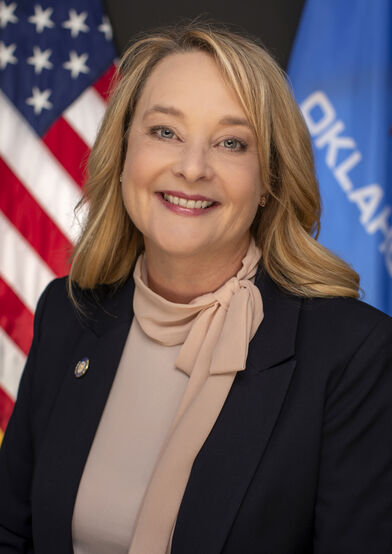
Lisa Standridge
12% support rate
Ranked legislators
10
5 support · 5 oppose
Key legislators

Who's moving corrections in Oklahoma

Legislators moving corrections in Oklahoma
Legislator Party Stance Support rate Votes
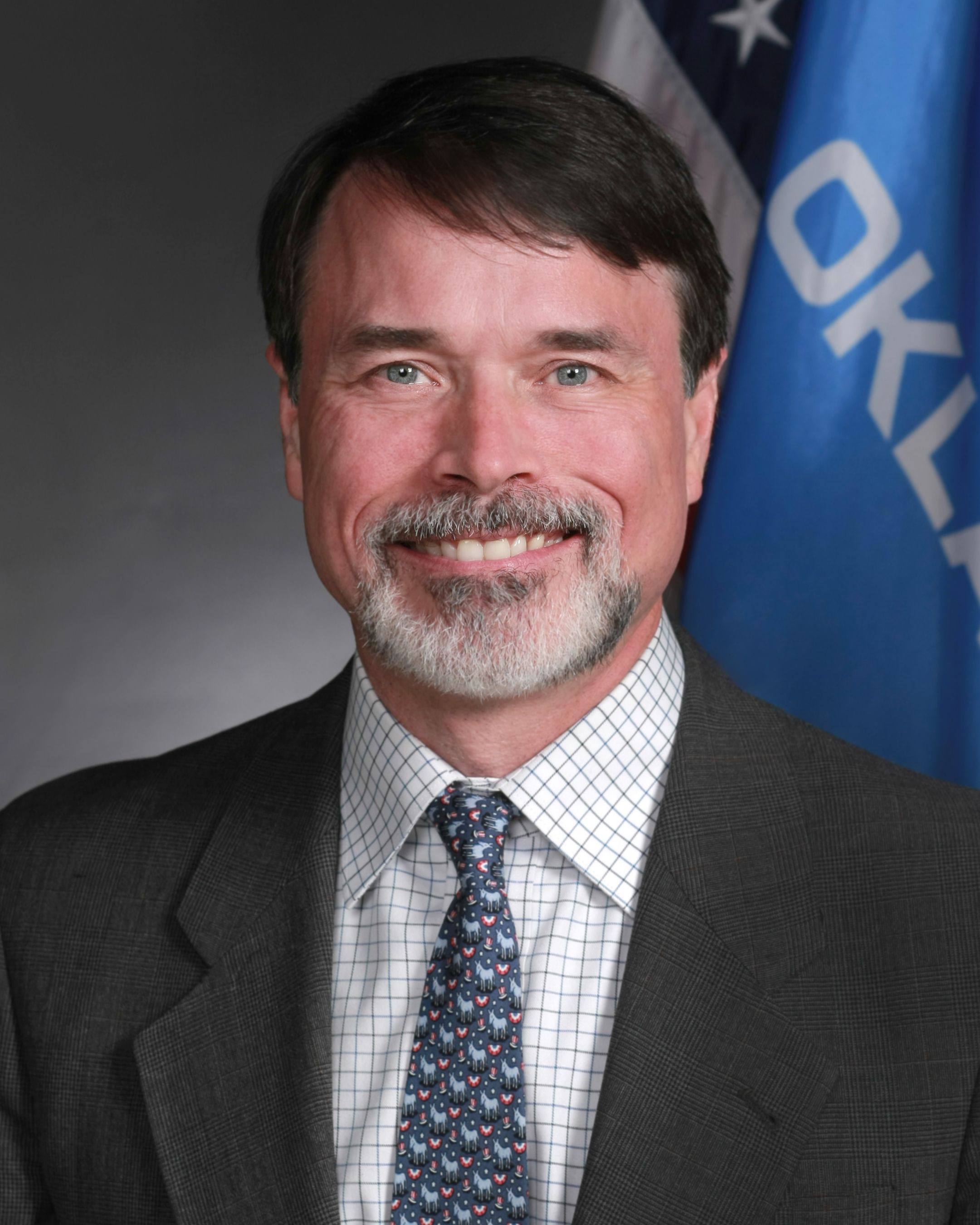
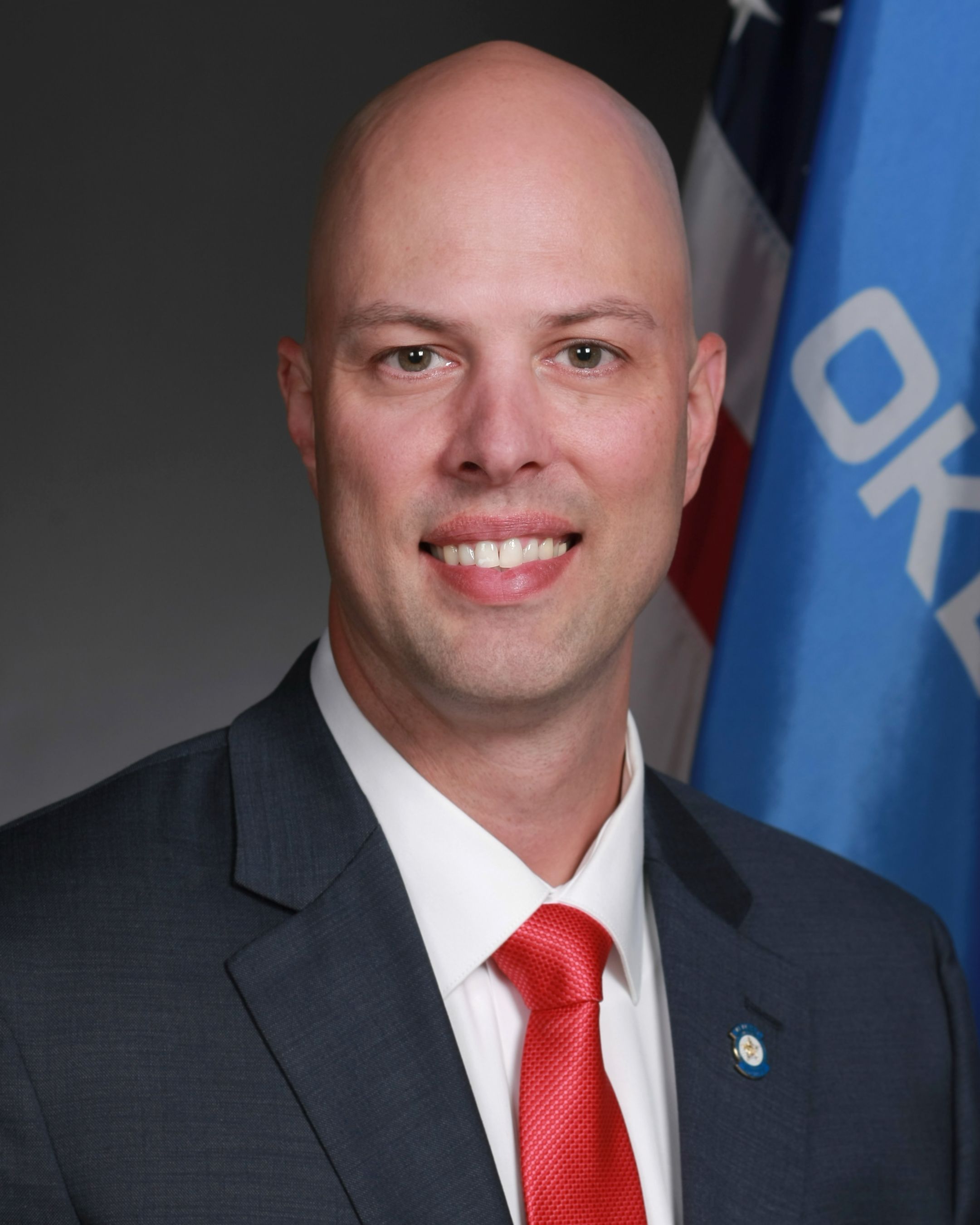
John Waldron
John Waldron House · District 77
D
Strong +
89% 19
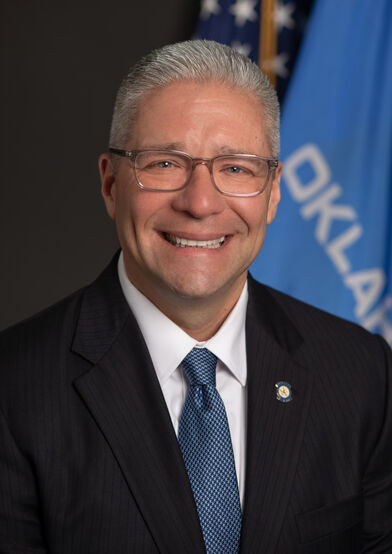
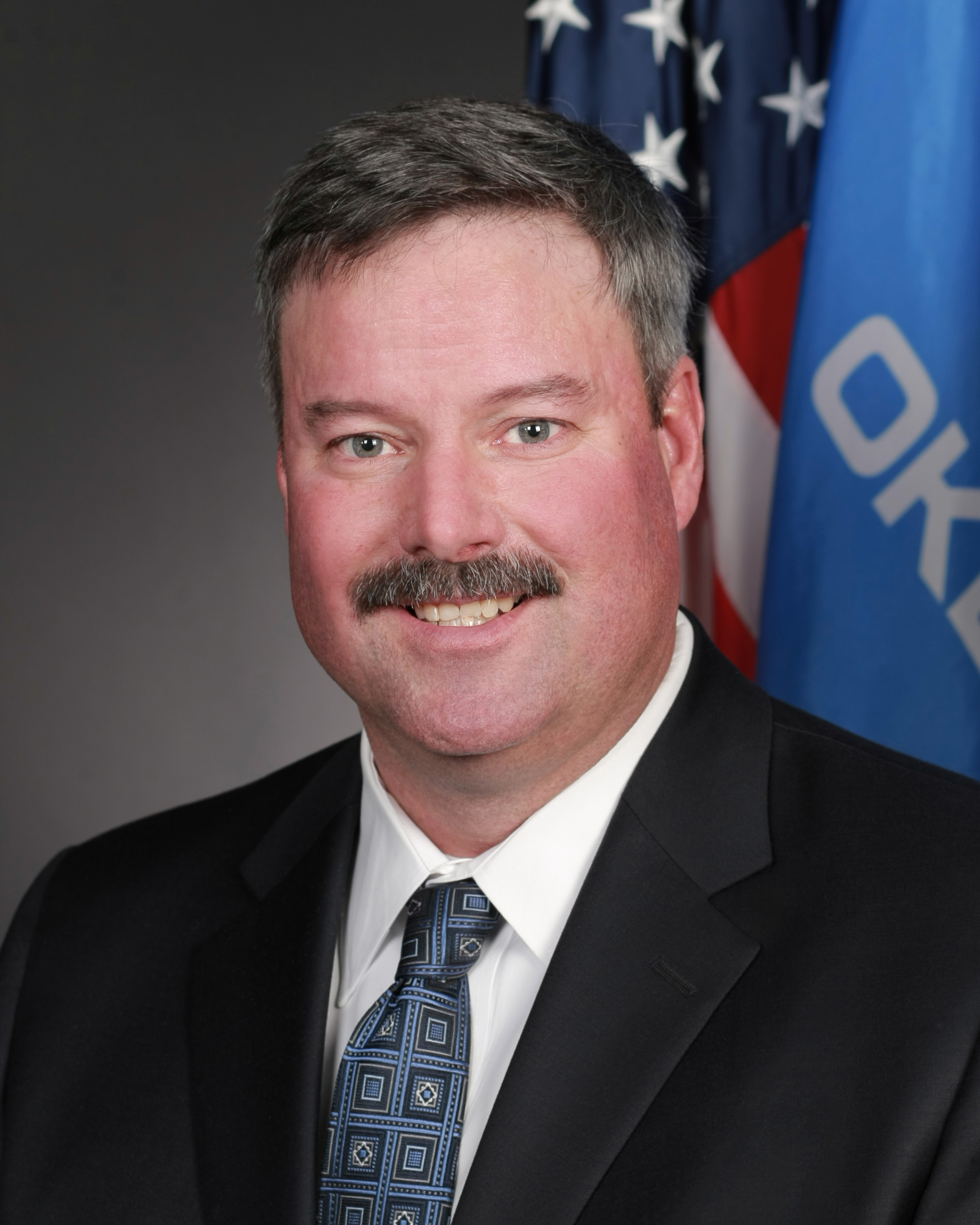
Michael Brooks
Michael Brooks Senate · District 44
D
Strong +
88% 51
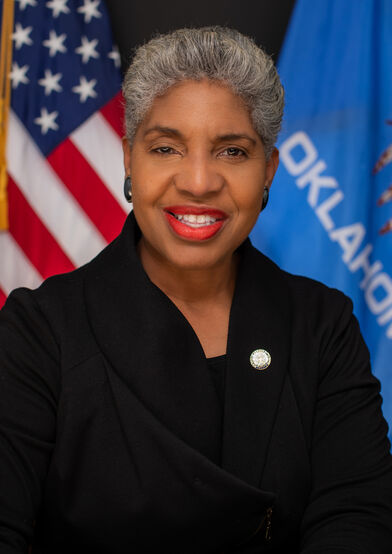
Regina Goodwin
Regina Goodwin Senate · District 11
D
Strong +
87% 45
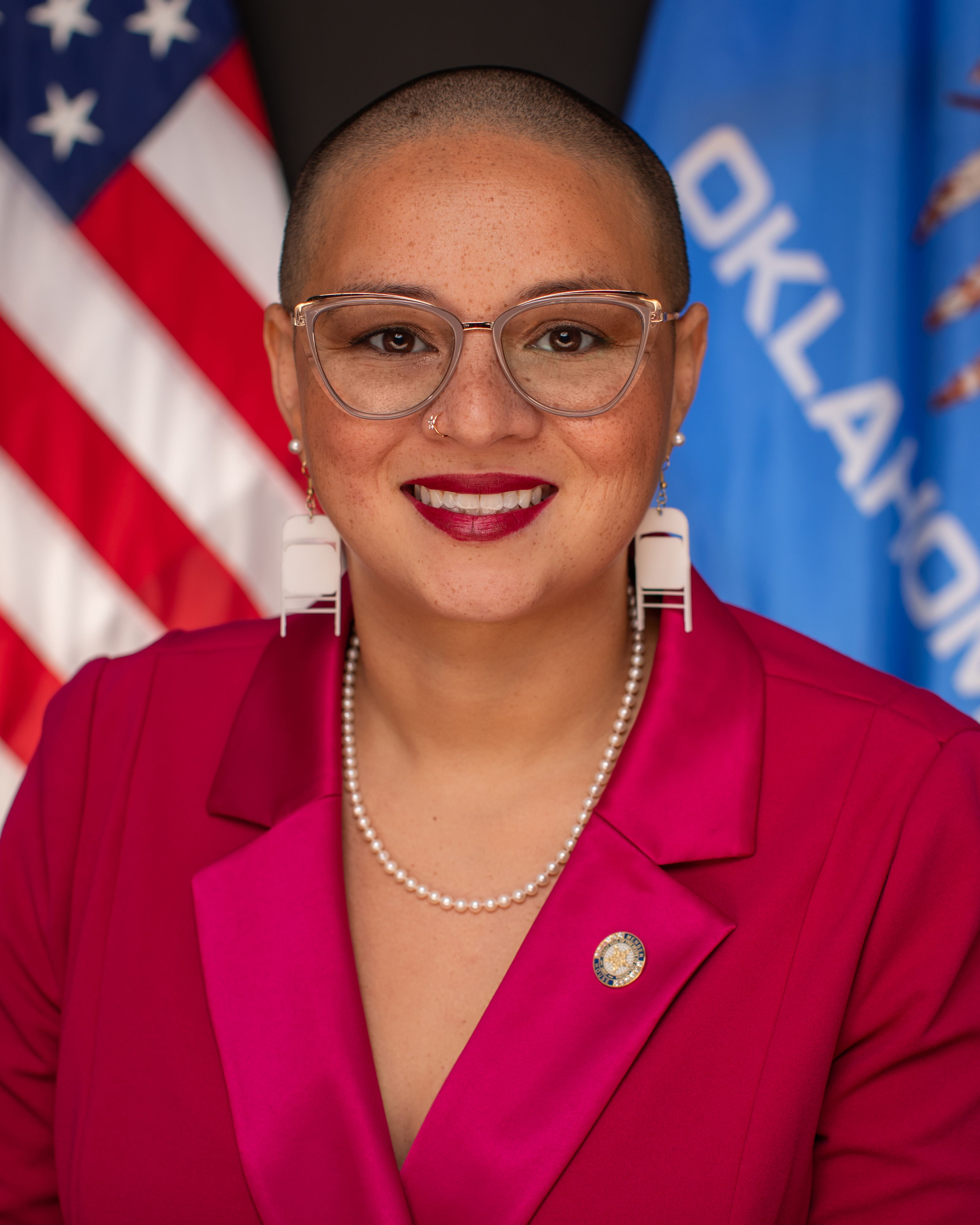
Michelle McCane
Michelle McCane House · District 72
D
Strong +
86% 22
Nikki Nice
Nikki Nice Senate · District 48
D
Strong +
85% 27
Lisa Standridge
Lisa Standridge Senate · District 15
R
Strong −
12% 32
Casey Murdock
Casey Murdock Senate · District 27
R
Strong −
14% 43
Darrell Weaver
Darrell Weaver Senate · District 24
R
Strong −
14% 43
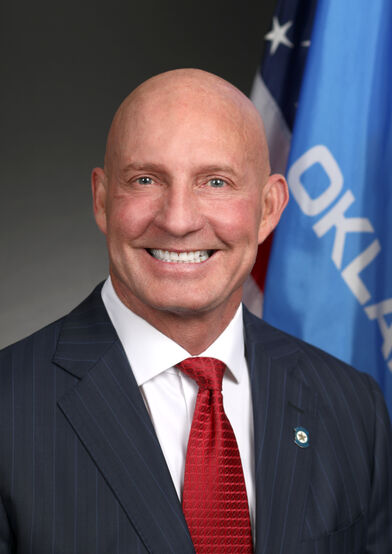
Jay Steagall
Jay Steagall House · District 43
R
Strong −
14% 14
Shane Jett
Shane Jett Senate · District 17
R
Strong −
15% 27
Showing 1–10 of 124 bills

All criminal justice bills

in committee · Oklahoma · Senate Feb 10, 2025

SB 905: Controlled dangerous substances; ordering certain legislative referendum and creating felony offense.

This bill orders a legislative referendum to be voted on by Oklahoma voters at the next general election. The proposed law would create a new felony offense for individuals who possess both a controlled dangerous substance and a firearm at the same time. If approved, anyone convicted of this offense could face up to five years in state prison. The bill does not take effect until the referendum is passed by voters and the measure is codified into state law.
Sub-Topics Corrections Firearms
in committee · Oklahoma · Senate Feb 3, 2026

SB 2181: Child stealing; prohibiting child stealing and creating a felony offense. Effective date.

SB 2181 creates a new felony offense for knowingly removing, enticing, or withholding a child under 18 to interfere with lawful custody, affecting parents, guardians, or custodians. It classifies the primary offense as a felony punishable by up to five years in prison, while enticing a child to leave lawful custody (first two violations) becomes a misdemeanor with a $500 fine. Repeat offenses or taking a child out of state escalate to felony charges, and the bill establishes graduated civil fines starting at $500 for the first violation, doubling for each subsequent offense. The law repeals Oklahoma’s existing child-stealing statute (21 O.S. § 891) and takes effect November 1, 2026.
Sub-Topics Corrections
in committee · Oklahoma · Senate Feb 3, 2026

SB 2009: Assisted reproduction services; making certain acts unlawful; mandating reporting of fertility fraud; providing penalties; granting certain protections. Effective date.

SB 2009, the "Protecting Patients Act of 2026," makes fertility fraud a felony punishable by up to 20 years in prison. It defines fertility fraud as knowingly misrepresenting reproductive materials or using donor materials without consent, directly affecting fertility clinics, healthcare providers, and patients undergoing assisted reproduction (like IVF or egg donation). Key provisions require facilities to report suspected fraud to law enforcement, protect whistleblowers from retaliation, mandate permanent license revocation for healthcare providers convicted of fraud, and require sex offender registration for offenders (excluding life sentences). The bill also extends the statute of limitations for DNA-identified cases by 10 years and mandates confidentiality for victims and reporters. It becomes effective November 1, 2026.
in committee · Oklahoma · Senate Feb 3, 2026

SB 1978: State Board of Corrections; establishing criteria for certain verification process. Effective date.

SB 1978 requires Oklahoma's State Board of Corrections to create specific verification rules before carrying out a death penalty execution. The bill mandates checks including confirmation that the Department followed constitutional prohibitions against cruel punishment, documentation of medical/drug purchases from reputable vendors, proper training for staff, and audio/video recording of executions. It directly affects death row inmates, correctional staff, medical and drug vendors, and victims' families (who must be notified of execution dates). The law also protects staff who opt out of executions from employment penalties. The bill becomes effective November 1, 2026.
Sub-Topics Corrections
in committee · Oklahoma · House Feb 3, 2026

HB 3122: Whistleblower protection; public policy; criminal punishment; fine; civil cause of action; effective date.

HB 3122 strengthens whistleblower protections in Oklahoma by making retaliation against employees who report wrongdoing a punishable offense. It defines retaliation as actions like termination, demotion, or intimidation by public officials, employers, or supervisors, with penalties including up to one year in jail and a $5,000 fine. The bill also allows whistleblowers to sue for economic and emotional damages, plus attorney fees, if they successfully prove retaliation. The law takes effect on November 1, 2026.
Sub-Topics Corrections
signed · Oklahoma · House May 6, 2026

HB 3695: Motor vehicles; personal injury accidents; modifying scope of certain defined term; effective date.

HB 3695 amends Oklahoma's definition of "great bodily injury" in motor vehicle laws to explicitly include bone fractures, disfigurement, loss of body function, or serious risk of death. It increases penalties for drivers causing such injuries while violating traffic laws: first offenses become misdemeanors (90 days-1 year jail, up to $2,500 fine), and repeat offenses or causing "great bodily injury" become Class B1 felonies (4-20 years prison, up to $5,000 fine). The bill directly affects drivers convicted of traffic violations resulting in severe injuries. It takes effect November 1, 2026.
Sub-Topics Corrections
in committee · Oklahoma · Senate Feb 3, 2026

SB 1445: Flooded highways; modifying provisions of certain offense that results in death. Effective date.

SB 1445 amends Oklahoma law to strengthen penalties for drivers who ignore barricades on flooded highways or construction zones. It makes it unlawful to drive through closed areas, with stricter penalties if a death occurs: causing the death of a minor becomes a felony manslaughter charge (Class A2), while causing the death of an adult becomes a lesser felony (Class B5). The bill directly affects drivers who disregard traffic-control devices during flood closures, imposing fines, jail time, and restitution for property damage or injury. Key provisions include requiring drivers to merge safely in construction zones and prohibiting tampering with traffic devices. The law takes effect November 1, 2026.
passed · Oklahoma · House Apr 23, 2026

HB 4144: Oklahoma Open Records Act; law enforcement records; arrest and incident reports; public inspection; effective date.

HB 4144 requires Oklahoma law enforcement agencies to make specific arrest and incident reports publicly available, including arrest details (name, date of birth, cause), incident summaries, radio logs, crime summaries, jail records, and body-worn camera footage. Agencies must redact sensitive information like minor identities, medical details, or ongoing investigation details before release, but must disclose redacted portions once investigations conclude. This bill directly affects all Oklahoma law enforcement agencies by expanding public access to policing records while establishing clear redaction standards for privacy and safety concerns. The policy changes standardize transparency for public record requests related to law enforcement activities.
Sub-Topics Corrections Law Enforcement Tags Government Transparency
in committee · Oklahoma · Senate Feb 3, 2026

SB 1880: Oklahoma Juvenile Code; requiring certain persons who testify falsely to be placed on certain list. Effective date.

SB 1880 amends Oklahoma's Juvenile Code to address false testimony in child welfare cases. It requires the Department of Human Services (DHS) to maintain a public list on its website of individuals - such as child welfare workers, law enforcement, or state employees - who knowingly provide false information under oath during proceedings involving children alleged to be neglected or abused. This list can be used as evidence to assess the truthfulness of these individuals in future cases. The bill also imposes penalties, including fines up to $1,000 or up to two years in prison, for falsifying documents in cases where a child suffered great bodily harm or death. The law takes effect November 1, 2026.
in committee · Oklahoma · House Mar 3, 2026

HB 3053: Parole; creating the Oklahoma Elder Parole Eligibility Act; directing the Pardon and Parole Board to grant parole to certain inmates; codification; effective date.

HB 3053, the "Oklahoma Elder Parole Eligibility Act," requires the Pardon and Parole Board to grant parole to Oklahoma inmates aged 65 or older who meet specific criteria, including no serious disciplinary infractions in the past 36 months and completion of required correctional programs. The Department of Corrections must automatically review eligible inmates, certify their compliance with these criteria, and provide documentation to the Board, which must then grant parole without discretion. Exclusions apply for inmates serving life without parole, those convicted of offenses where parole is statutorily prohibited, or those posing a documented imminent threat of harm (supported by recent medical/psychological evidence). Paroled inmates will face standard parole conditions, age-appropriate supervision, and any necessary medical or treatment plans. The law takes effect November 1, 2026.
Showing 1 to 10 of 124 bills
1 2 3 13 Next