

2026 Regular Session · Adjourned
Oklahoma Legislature
Follow 6,006 active bills, 147 legislators, and every floor vote of 2026 Regular Session.
Adjourned
Bills filed
6,006
this session
Bills passed
1,772
30% pass rate
Legislators
147
48 Senate · 99 House
Committees
58
active bodies
Loading map...
2026 general election in Oklahoma
See who is on the ballot this cycle: incumbents, challengers, and the races shaping Oklahoma's next legislature.
Want to keep track of what matters to you?
Follow bills and legislators: we'll keep you updated as things change.
Recent legislative activity
SB 237: Ad valorem tax; exemption for manufacturing facilities; defining battery energy storage system; exemption; applications. Effective date.
SB 423: Medical records; access; eliminating certain health care provider duties; authorizing certain fees. Effective date.
SJR 53: Joint resolution; approving certain proposed permanent rules of the Oklahoma Medical Marijuana Authority.
SJR 52: Joint resolution; approving certain proposed permanent rules of the Oklahoma Health Care Authority.
Ask Maddy
·
AI policy assistant
Bills, votes, and legislation, in plain English.
Ask about any Oklahoma or federal bill. Maddy reads the full text and answers with cited sources.
Scope: OK
I'm Maddy, your AI guide to Oklahoma legislation. I can explain bills in plain English, look up voting records, or surface bills on topics you care about. What would you like to know?
Try one of these
i
Maddy answers using official bill text and legislative records. Always verify before sharing.
Sources cited inlineRecently passed
Bills that made it through
SB 1859: Oklahoma State Bureau of Investigation; creating the Cyber Crime Fraud Unit; revolving fund. Effective date. Emergency.
SB 1859 creates a Cyber Crime and Fraud Unit within Oklahoma's State Bureau of Investigation (OSBI) to enhance investigations into cyber-enabled crimes (like ransomware and digital extortion), financial fraud (including identity theft), and digital evidence handling. The bill establishes a revolving fund with a $3 million appropriation from the General Revenue Fund for fiscal 2026, allowing the unit to operate without annual budget constraints. The unit can only investigate upon requests from local law enforcement, Governor direction, or under existing statutes - explicitly stating it does not expand OSBI's jurisdiction. It will provide technical support, training to law enforcement, and coordinate with federal and tribal partners on cybercrime cases.
Topics
✓ Budget & TaxesSupports Budget & TaxesFunds new Cyber Crime Unit with $3M appropriation from General Revenue Fund, advancing state budget allocation for public safety programs.
✓ Criminal JusticeSupports Criminal JusticeCreates Cyber Crime Fraud Unit with $3M funding to enhance investigations of cyber-enabled crimes and fraud, strengthening law enforcement capabilities within criminal justice system.
✓ TechnologySupports TechnologyCreates Cyber Crime Unit with $3M fund to enhance cyber investigations, directly strengthening cybersecurity measures
SB 1726: Higher education; directing certain institutions of higher education to establish certain training program for graduate instructors. Effective date. Emergency.
SB 1726 requires Oklahoma public universities to create mandatory training programs for graduate students serving as primary instructors in undergraduate courses. The training must cover teaching methods, classroom management, grading, student accommodations, academic integrity, and specific protections for student speech under the First Amendment - ensuring students aren't penalized for lawful expression. It applies to all institutions within Oklahoma's State System of Higher Education and takes effect July 1, 2026. The bill was designated an emergency to expedite implementation.
SJR 49: Joint resolution; repealing certain permanent rules of the Oklahoma Wildlife Conservation Commission.
This bill removes eight specific permanent rules from the Oklahoma Wildlife Conservation Commission's regulations. The rules being repealed cover sections 800:30-3-1 through 800:30-3-8 of the Oklahoma Administrative Code. The legislation does not specify the content of these rules, but it eliminates them from the commission's regulatory framework. The resolution directs the Secretary of State to send copies to the Governor and The Oklahoma Register for official record-keeping.
SB 1264: Crimes and punishment; Class A3 and B3 offenses; assault and battery; modifying certain definition; repealers. Effective date.
SB 1264 consolidates and updates Oklahoma's assault and battery statutes by repealing outdated references to prior amendments of Section 644 of Title 21. It removes four previous versions of the statute (amended by Chapters 147, 162, 322, and 486 of the 2025 Oklahoma Statutes) to streamline the current legal language. The bill directly affects courts, law enforcement, and legal practitioners who apply these statutes in criminal cases. It makes no substantive changes to offense definitions or penalties but ensures all references to assault and battery provisions are current and consistent.
SB 1687: Driver licenses; adding certain age requirement to qualification for certain license; permitting certain persons to proctor certain examination. Effective date.
SB 1687 raises the minimum age requirement for certain driver's license privileges in Oklahoma from 15 to 16 years old. The bill specifically updates Section 6-105 to require applicants for learner permits to be at least 16, while maintaining existing provisions for parent-taught driver education programs certified by Service Oklahoma. It also adds new requirements for intermediate license holders, including passenger restrictions and nighttime driving limitations. The bill directly affects teenagers seeking driver's licenses, particularly those under 18 navigating Oklahoma's graduated licensing system. These changes update existing statutory language without altering the core structure of the state's driver licensing process.
State Leadership



Legislative Leadership



Legislative session
2026 Regular Session
Adjourned
Convened
Feb 2, 2026
Monday
Duration
116days
session ended
Adjourns
May 29, 2026
Friday
Chamber control
Republican Trifecta
Republican Trifecta
Governor
R
Senate
R40–8
House
R81–18
One party controls the executive and both chambers. The majority's bills typically face no veto risk.Senate
R maj.40 – 8
0
25 for majority
48
House
R maj.81 – 18
0
50 for majority
99
Bills this session
Passage rate
1,772 of 6,006 introduced bills have passed at least one chamber.
29.5%
Leaders by Topic
Bipartisan Leaders
 DD
DDDusty Deevers
District 32
17%
R
 KS
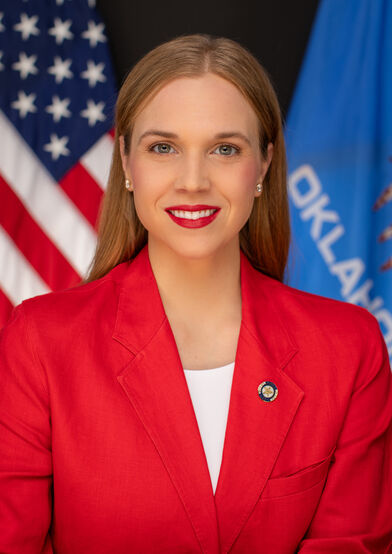
KSKendal Sacchieri
District 43
14%
R
 SJ
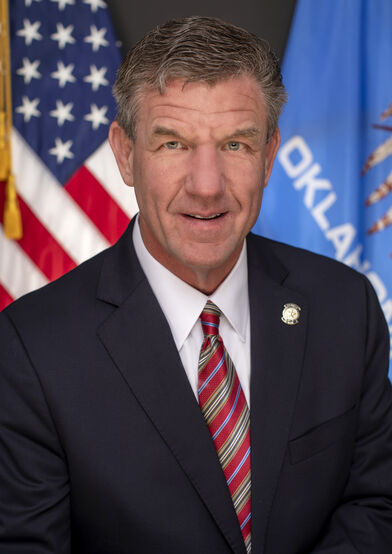
SJShane Jett
District 17
13%
R
 LS
LSLisa Standridge
District 15
11%
R
 JM
JMJulie McIntosh
District 3
11%
R
 RG
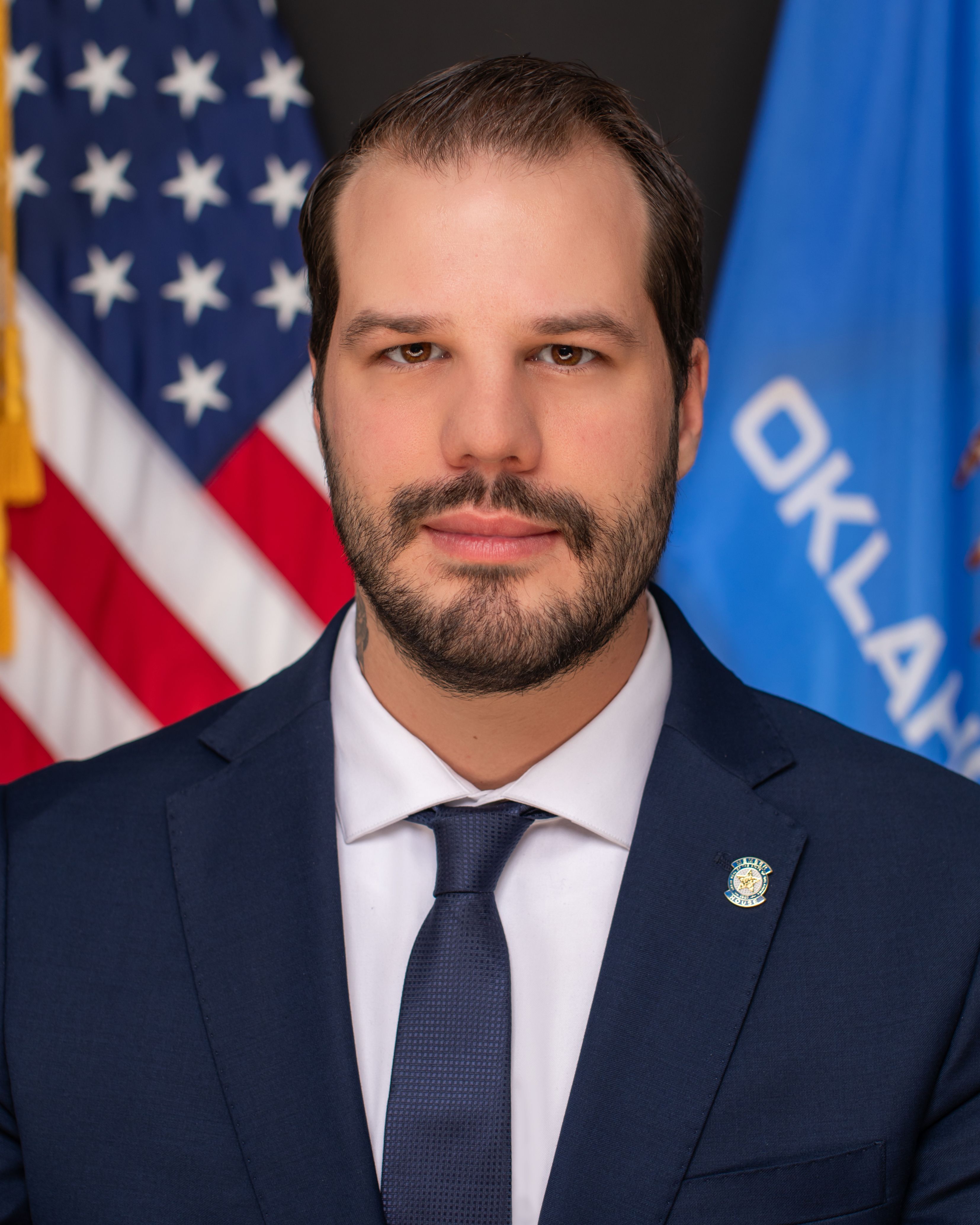
RGRandy Grellner
District 21
11%
R





Cross-party voting
Party cohesion →
State Legislators
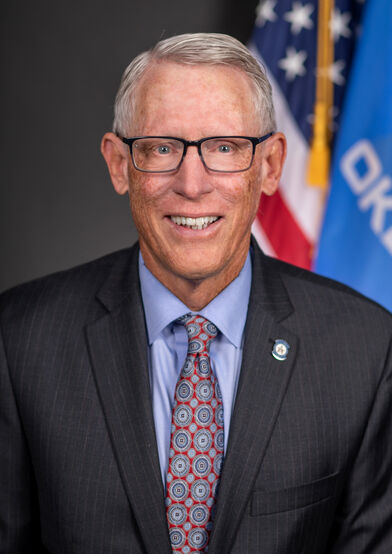
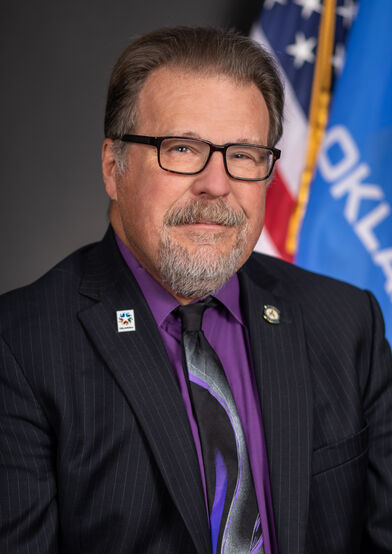


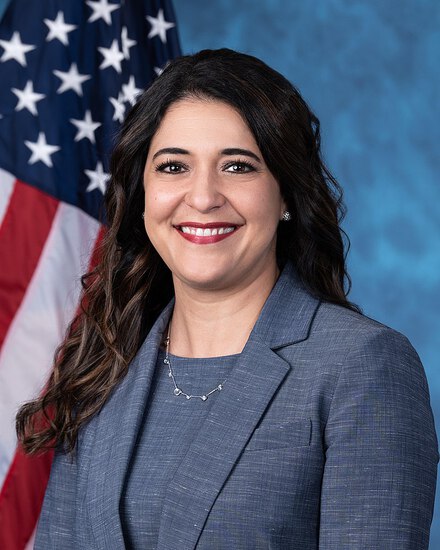
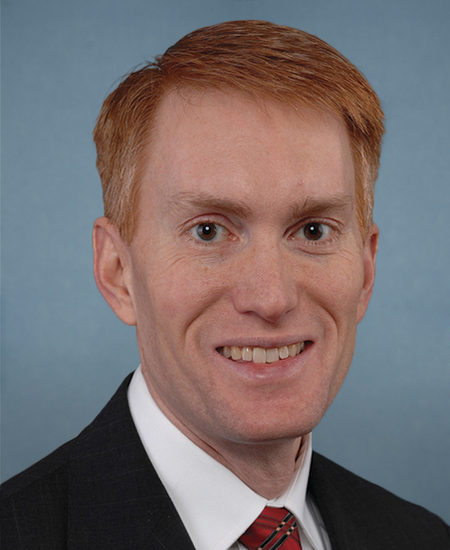
Contested battles
- Schools; creating the Oklahoma Kids After-School Grant Program (OKAGP); locating program at Department of Human Services; eligibility; rules; creating revolving fund; effective date. D 0-6 · R 21-0 · Other 0-0 passed
- Education; Oklahoma Equal Opportunity Education Scholarship Act; adding grants; definition of a scholarship-granting organization; defining capital improvement grant; information to be submitted to Tax Commission; effective date; emergency. D 0-6 · R 21-1 · Other 0-0 passed
- Legislative referendums; directing special election on proposed amendments to the Constitution and state statutes be held; date; referencing HB 4440 and HJR 1024; directing filing; emergency. D 0-6 · R 23-0 · Other 0-0 passed
- Higher education; Keep Accreditation About Academics Act; accrediting agencies; civil action; Attorney General; effective date. D 0-18 · R 68-1 · Other 0-0 passed
- Medical marijuana; decreasing weight amount of marijuana for aggravated trafficking offense; effective date. D 0-17 · R 66-1 · Other 0-0 passed
Most likely to pass
- Nuclear energy; defining terms; creating the Oklahoma Advanced Nuclear Energy Office; effective date.
- Labor; Actionable Response for Industry Skills and Excellence in Oklahoma Task Force (ARISE-OK); purpose; Task Force member guidelines; appointed members; duties; support staff; compensation; effective date.
- Career and technology education; creating the National Guard CareerTech Assistance Act; tuition assistance; repayment amount; hardship waiver; creating fund; effective date; emergency.
- Liquified petroleum gas; authorizing certain investigations; requiring certain notifications; effective date.
- Waters and water rights; authorizing the Department of Environmental Quality to contract with certain parties; effective date.