Issue · Budget & Taxes

Budget & Taxes (Revenue)

Every budget & taxes bill, vote, and legislator stance in Oklahoma, automatically classified by Maddy, our AI policy reader.

Total bills
123
2026 Regular Session
Top supporter
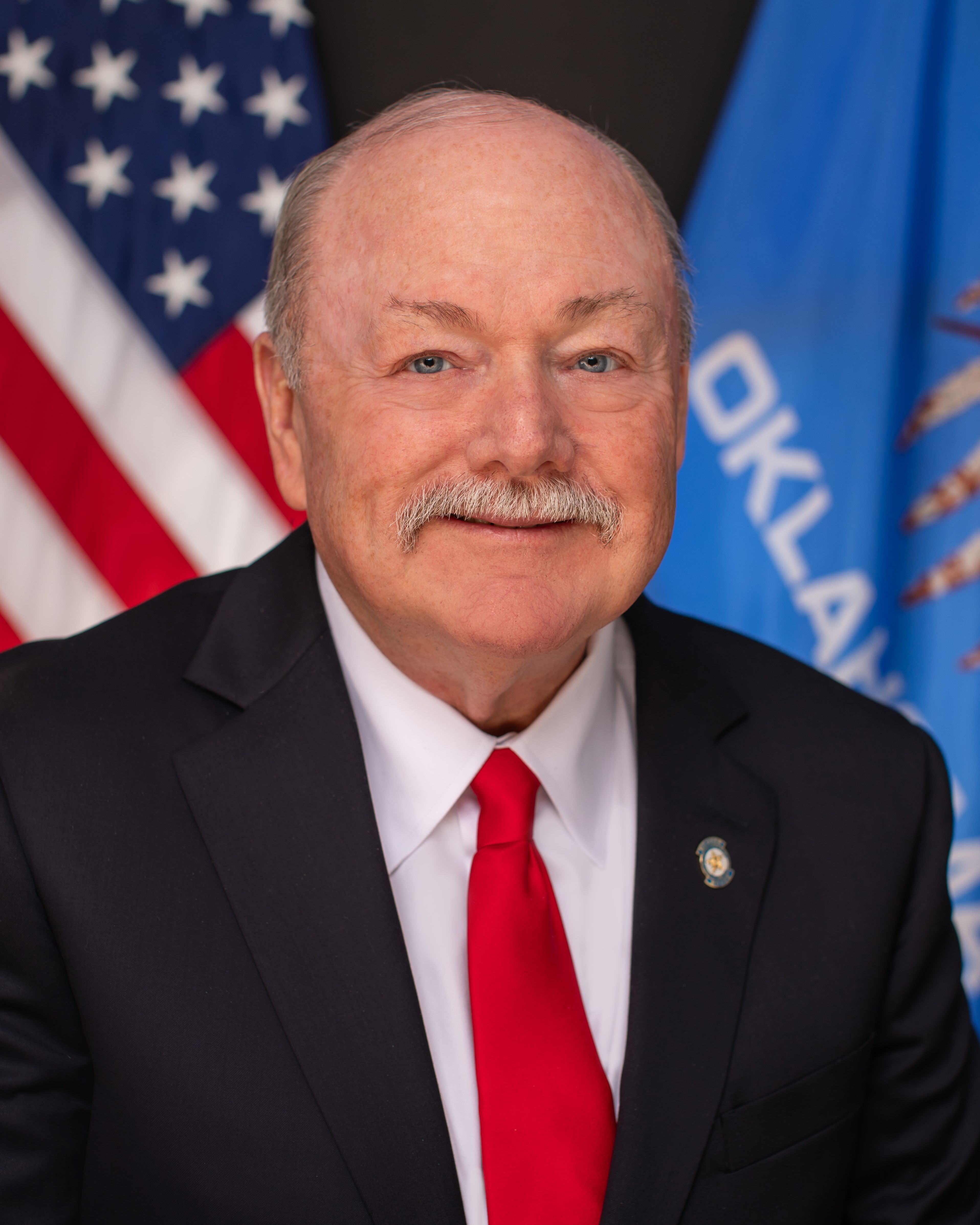
Mike Lay
100% support rate
Top opponent
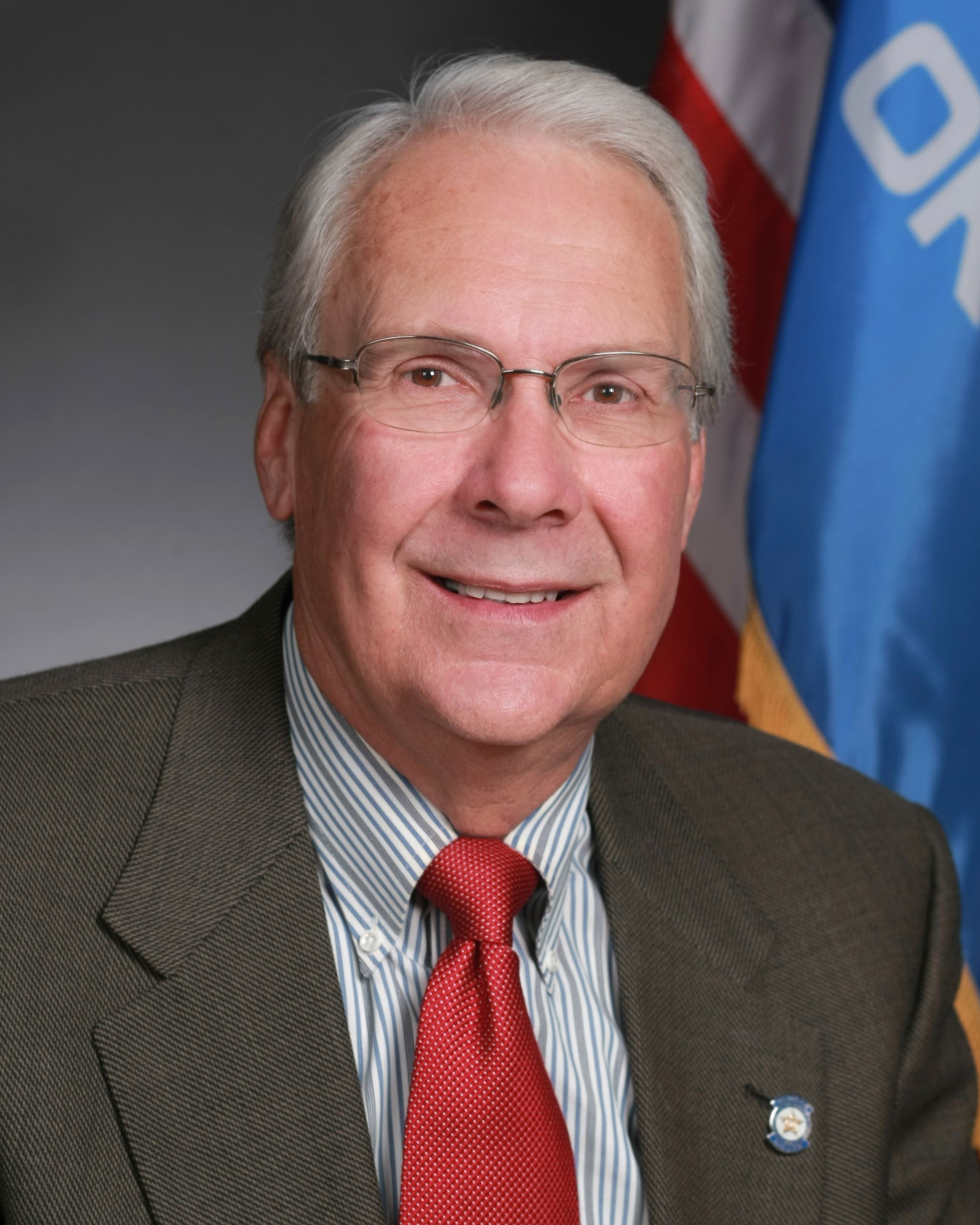
Justin Humphrey
10% support rate
Ranked legislators
10
5 support · 5 oppose
Key legislators

Who's moving revenue in Oklahoma

Legislators moving revenue in Oklahoma
Legislator Party Stance Support rate Votes
Mike Lay
Mike Lay House · District 68
R
Strong +
100% 28
Rande Worthen
Rande Worthen House · District 64
R
Strong +
100% 27
Chris Kannady
Chris Kannady House · District 91
R
Strong +
100% 12
Mark Tedford
Mark Tedford House · District 69
R
Strong +
100% 12
Kyle Hilbert
Kyle Hilbert House · District 29
R
Strong +
100% 3
Justin Humphrey
Justin Humphrey House · District 19
R
Strong −
10% 21
Shane Jett
Shane Jett Senate · District 17
R
Strong −
18% 40
Tom Gann
Tom Gann House · District 8
R
Strong −
18% 28
Jim Shaw
Jim Shaw House · District 32
R
Strong −
19% 26
Molly Jenkins
Molly Jenkins House · District 33
R
Strong −
19% 26
Showing 1–10 of 123 bills

All budget & taxes bills

in committee · Oklahoma · Senate Mar 9, 2026

SJR 48: Constitutional amendment; limiting the reimbursement to counties and other taxing jurisdictions for lost revenue; ordering special election.

This bill proposes a constitutional amendment to Oklahoma that limits how much money the state must return to local governments when they lose tax revenue due to property tax exemptions for new manufacturing facilities. The amendment would cap reimbursement to counties, cities, schools, and other taxing jurisdictions at the amount of tax revenue they collected before the new or expanded manufacturing facility was built. It also allows counties to keep up to 25% of increased tax revenue after the five-year exemption period ends, provided they use it for economic development. The bill requires a special election on August 25, 2026, where Oklahoma voters will decide whether to approve or reject this change to the state constitution.
vetoed · Oklahoma · Senate Jun 1, 2026

SB 237: Ad valorem tax; exemption for manufacturing facilities; defining battery energy storage system; exemption; applications. Effective date.

SB 237 requires the Commissioners of the Land Office to make payments to certain counties instead of collecting ad valorem taxes from them. This change directly affects counties that currently receive tax revenue from state-owned lands and the state agency responsible for managing those lands. The bill establishes a new payment mechanism to replace the existing tax collection process, ensuring counties receive their share of land-related revenue. The legislation is currently in the early stages of review by the Appropriations and Budget committee.
Sub-Topics Revenue State Budget
signed · Oklahoma · Senate May 29, 2026

SB 1859: Oklahoma State Bureau of Investigation; creating the Cyber Crime Fraud Unit; revolving fund. Effective date. Emergency.

SB 1859 creates a Cyber Crime and Fraud Unit within Oklahoma's State Bureau of Investigation (OSBI) to enhance investigations into cyber-enabled crimes (like ransomware and digital extortion), financial fraud (including identity theft), and digital evidence handling. The bill establishes a revolving fund with a $3 million appropriation from the General Revenue Fund for fiscal 2026, allowing the unit to operate without annual budget constraints. The unit can only investigate upon requests from local law enforcement, Governor direction, or under existing statutes - explicitly stating it does not expand OSBI's jurisdiction. It will provide technical support, training to law enforcement, and coordinate with federal and tribal partners on cybercrime cases.
died · Oklahoma · House Feb 4, 2026

HB 3618: Revenue and taxation; tourism revenue; tourism promotion definition; effective date; emergency.

HB 3618 modifies Oklahoma's sales tax revenue allocation to create dedicated funding for tourism. It directs 0.87% of sales tax revenue (with annual caps) to three tourism-related funds: 24% ($10 million max) to the Oklahoma Tourism Promotion Revolving Fund, 44% ($17 million max) to the Oklahoma Tourism Capital Improvement Revolving Fund, and 32% ($6.6 million max) to the Oklahoma Route 66 Commission Revolving Fund. These funds will support tourism promotion, infrastructure projects, and Route 66 initiatives. The bill affects state tourism entities and local tourism commissions by guaranteeing specific annual funding levels from sales tax revenue.
Sub-Topics Revenue Sales Tax
in committee · Oklahoma · Senate Feb 3, 2026

SB 1740: State government; creating the Anti-Perverse Incentive Act. Effective date. Emergency.

SB 1740, the "Anti-Perverse Incentive Act," requires Oklahoma state agencies to deposit all fines and fees collected from individuals or businesses into the General Revenue Fund (instead of keeping them). It mandates an appeals process for anyone who believes a fine was imposed for punitive reasons, personal motives, or political reasons by agency staff. Agency employees who abuse this authority face a $1,000 penalty or the amount of the disputed fine, whichever is greater. The law applies to all state agencies and takes effect July 1, 2026.
Sub-Topics Revenue
signed · Oklahoma · House May 12, 2026

HB 3831: Emergency management Services; recognizing Oklahoma Task Force 1 as the official deployment asset team; creating the Oklahoma Task Force 1 Revolving Fund; source; purpose; restrictions; codification; effective date.

HB 3831 formally designates Oklahoma Task Force 1 (OK-TF1) as the state's official urban search and rescue team for emergency deployments, requiring it to be the first asset sent for out-of-state disaster responses under the Emergency Management Assistance Compact. The bill appropriates $5 million from the General Revenue Fund for the Emergency Management Assistance Compact Revolving Fund, with $2 million specifically allocated to support OK-TF1's Oklahoma City and Tulsa teams. Funds must cover deployment costs, training, equipment, and operational expenses but cannot be used for routine fire department operations or facilities. This establishes clear funding and operational guidelines for OK-TF1's disaster response capabilities within Oklahoma.
Sub-Topics Revenue Tags Emergency Management Public Safety
in committee · Oklahoma · Senate Feb 3, 2026

SB 1856: Income tax; requiring reduction of rate upon certification of excess collections. Effective date.

SB 1856 requires Oklahoma to automatically reduce the top individual income tax rate if state tax collections exceed the previous year's total by a specified threshold. It directly affects all Oklahoma residents and nonresidents who pay state income tax, as it triggers rate reductions based on certified excess collections. The bill amends tax code provisions to establish clear calculation methods for determining when and by how much the top marginal tax rate must decrease. This creates a concrete, automatic policy change tied to actual tax revenue performance, rather than legislative action.
died · Oklahoma · House Feb 17, 2026

HB 3714: Amyotrophic Lateral Sclerosis; appropriations; Barbara Weber Amyotrophic Lateral Sclerosis (ALS) Grant Program; amount and purpose; funding; effective date; emergency.

HB 3714 appropriates $1,000,000 from Oklahoma's General Revenue Fund for the Barbara Weber ALS Grant Program during the 2026-2027 fiscal year. The funds will support the Oklahoma State Department of Health in administering grants to assist individuals diagnosed with Amyotrophic Lateral Sclerosis (ALS). The bill authorizes the use of these funds to cover program operations but does not establish new eligibility criteria or services. It becomes effective July 1, 2026, and includes an emergency clause for immediate implementation. This is a funding authorization for an existing program, not a new policy.
Sub-Topics Revenue
in committee · Oklahoma · Senate Feb 3, 2026

SB 2079: Appropriations; creating Flat Budget Act; prohibiting state agency from receiving more funds for fiscal year 2027 than was received in 2026. Effective date. Emergency.

SB 2079, the "Flat Budget Act," prohibits Oklahoma state agencies from receiving more funding in fiscal year 2027 than they received in fiscal year 2026. It requires the State Treasurer to transfer any excess funds from agencies exceeding this cap into the General Revenue Fund for FY2027. The law applies directly to all state agencies receiving appropriated funds and takes effect July 1, 2026. This creates a strict funding freeze for most agencies, with no increase allowed unless specifically authorized by law.
signed · Oklahoma · House May 4, 2026

HB 4141: Sexual assault nurse examiners; deleting sunset date.

HB 4141 allocates $250,000 from the General Revenue Fund to the District Attorneys Council for hiring a Sexual Assault Nurse Examiner (SANE) Statewide Coordinator and related program costs. This funding directly supports the District Attorneys Council, which oversees SANE programs across Oklahoma, and will improve response services for sexual assault victims. The bill establishes the coordinator’s role to manage statewide forensic training, recruit SANE professionals, expand local SANE and response teams, and handle fund coordination. The $250,000 appropriation is effective July 1, 2026, and is designated as an emergency measure.
Sub-Topics Appropriations Revenue
Showing 1 to 10 of 123 bills
1 2 3 13 Next