Issue · Budget & Taxes

Budget & Taxes (State Budget)

Every budget & taxes bill, vote, and legislator stance in Oklahoma, automatically classified by Maddy, our AI policy reader.

Total bills
33
2026 Regular Session
Top supporter
Robert Manger
100% support rate
Top opponent
Lisa Standridge
0% support rate
Ranked legislators
10
5 support · 5 oppose
Key legislators

Who's moving state budget in Oklahoma

Legislators moving state budget in Oklahoma
Legislator Party Stance Support rate Votes
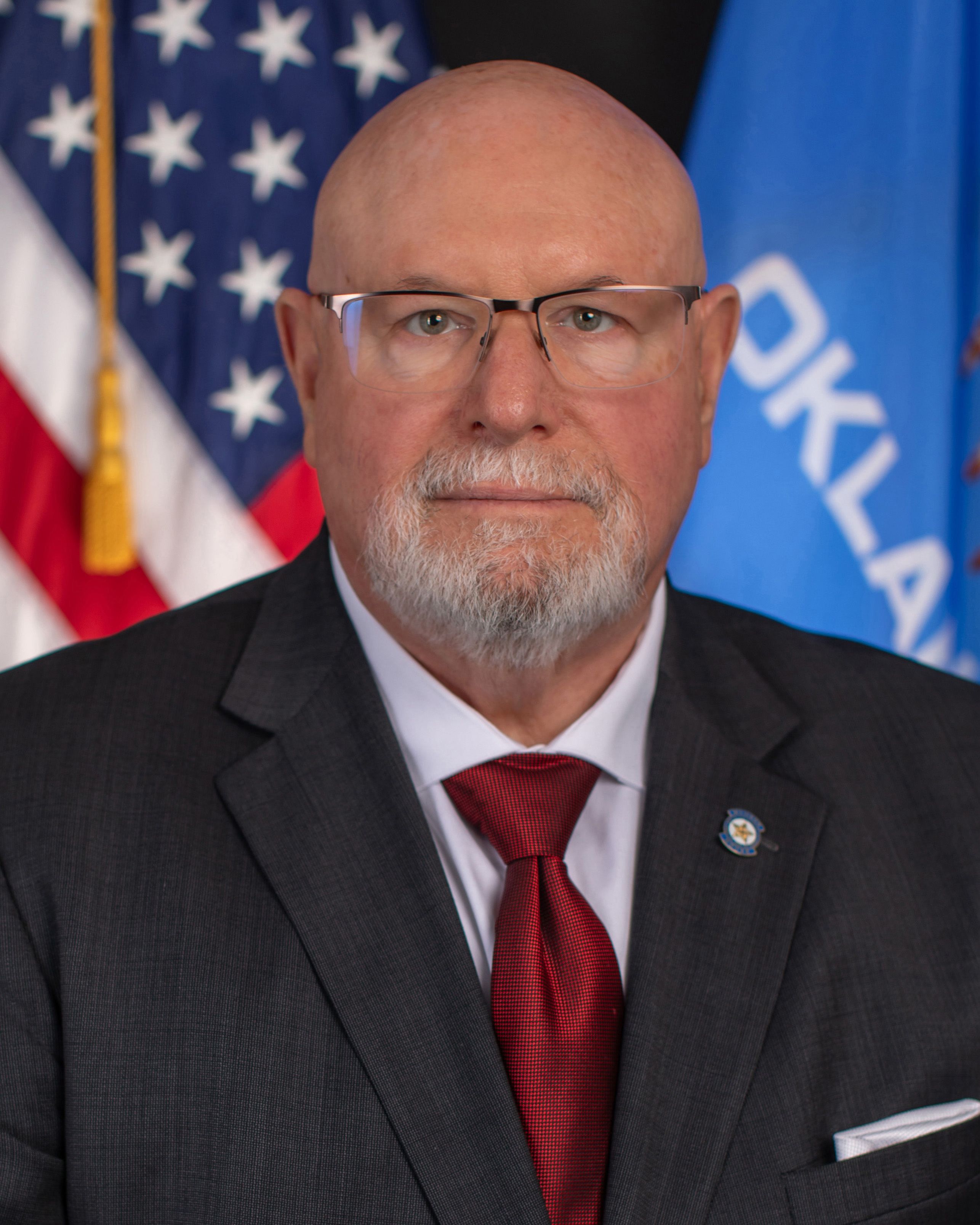
Robert Manger
Robert Manger House · District 101
R
Strong +
100% 10
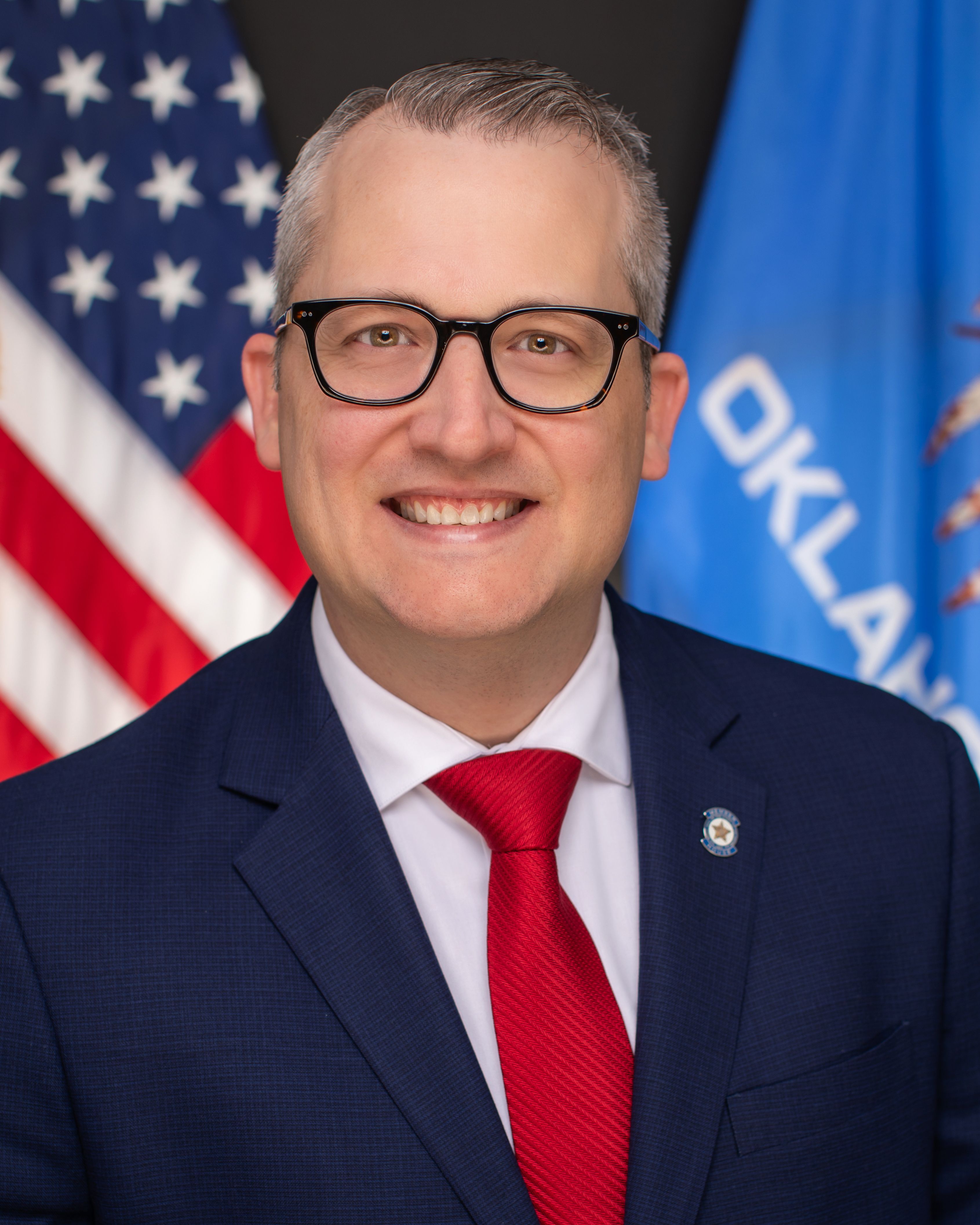
Ross Ford
Ross Ford House · District 76
R
Strong +
100% 10
Tammy West
Tammy West House · District 84
R
Strong +
100% 10
Mark Lawson
Mark Lawson House · District 30
R
Strong +
100% 9
Chad Caldwell
Chad Caldwell House · District 40
R
Strong +
100% 7
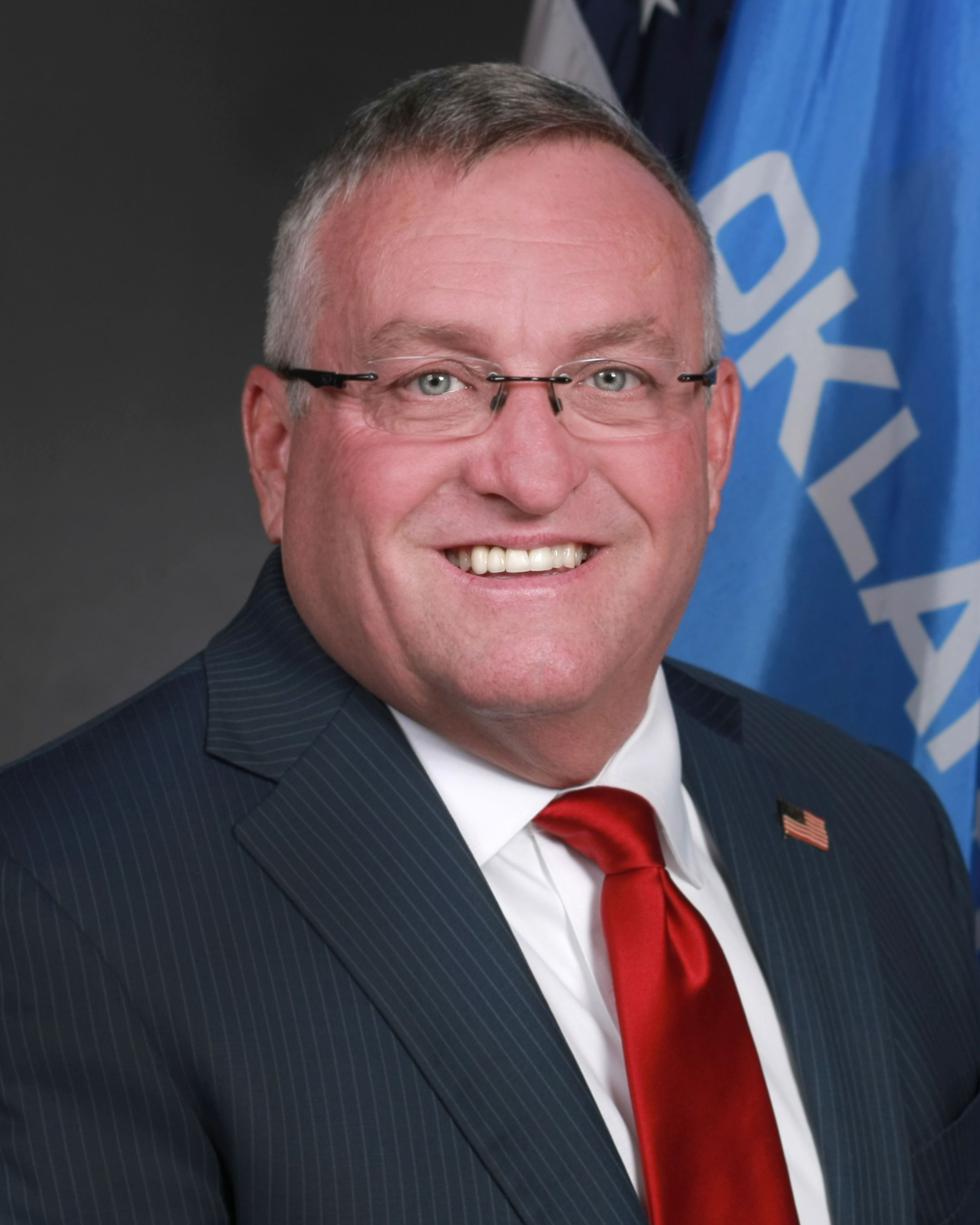
Lisa Standridge
Lisa Standridge Senate · District 15
R
Strong −
0% 3
Dusty Deevers
Dusty Deevers Senate · District 32
R
Strong −
17% 6
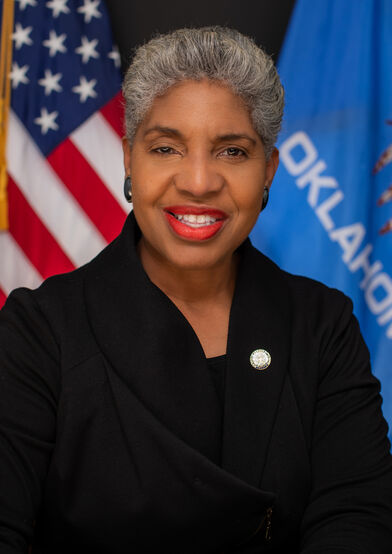
Regina Goodwin
Regina Goodwin Senate · District 11
D
Strong −
17% 6
Shane Jett
Shane Jett Senate · District 17
R
Strong −
17% 6
Melissa Provenzano
Melissa Provenzano House · District 79
D
Strong −
18% 11
Showing 1–10 of 33 bills

All budget & taxes bills

in committee · Oklahoma · House Feb 3, 2026

HB 4021: State budget; State Budget Act of 2026; effective date.

This bill establishes the State Budget Act of 2026, which will govern Oklahoma's state budget for that fiscal year. It directly affects state government operations by setting the legal framework for budget allocations and spending. The key provision is that the act becomes effective on November 1, 2026, marking the start of the new fiscal year. The legislation also notes that it will not be codified in the Oklahoma Statutes, meaning it serves as a temporary budget authorization rather than a permanent law.
vetoed · Oklahoma · Senate Jun 1, 2026

SB 237: Ad valorem tax; exemption for manufacturing facilities; defining battery energy storage system; exemption; applications. Effective date.

SB 237 requires the Commissioners of the Land Office to make payments to certain counties instead of collecting ad valorem taxes from them. This change directly affects counties that currently receive tax revenue from state-owned lands and the state agency responsible for managing those lands. The bill establishes a new payment mechanism to replace the existing tax collection process, ensuring counties receive their share of land-related revenue. The legislation is currently in the early stages of review by the Appropriations and Budget committee.
Sub-Topics Revenue State Budget
in committee · Oklahoma · Senate Feb 3, 2026

SB 1856: Income tax; requiring reduction of rate upon certification of excess collections. Effective date.

SB 1856 requires Oklahoma to automatically reduce the top individual income tax rate if state tax collections exceed the previous year's total by a specified threshold. It directly affects all Oklahoma residents and nonresidents who pay state income tax, as it triggers rate reductions based on certified excess collections. The bill amends tax code provisions to establish clear calculation methods for determining when and by how much the top marginal tax rate must decrease. This creates a concrete, automatic policy change tied to actual tax revenue performance, rather than legislative action.
in committee · Oklahoma · Senate Feb 3, 2026

SB 2079: Appropriations; creating Flat Budget Act; prohibiting state agency from receiving more funds for fiscal year 2027 than was received in 2026. Effective date. Emergency.

SB 2079, the "Flat Budget Act," prohibits Oklahoma state agencies from receiving more funding in fiscal year 2027 than they received in fiscal year 2026. It requires the State Treasurer to transfer any excess funds from agencies exceeding this cap into the General Revenue Fund for FY2027. The law applies directly to all state agencies receiving appropriated funds and takes effect July 1, 2026. This creates a strict funding freeze for most agencies, with no increase allowed unless specifically authorized by law.
signed · Oklahoma · House May 12, 2026

HB 3413: Public finance; annual estimate of funds needed; state agencies; contractors; consultant report; effective date.

HB 3413 requires Oklahoma state agencies to submit detailed annual budget requests by October 1 each year, including specific data on program needs, contractor details, and consultant reports. Agencies must publicly post final consultant reports on the state purchasing website and provide information on shared financial services costs to identify potential savings. The bill mandates standardized reporting formats covering program outcomes, staffing, revenue estimates, and capital lease debt for the current and next two fiscal years. It directly affects all state agencies (excluding higher education institutions) by increasing transparency in budget planning and spending oversight. The law takes effect November 1, 2026.
in committee · Oklahoma · House Feb 3, 2026

HB 4456: Revenue and taxation; Vapor Products Tax Code; defining terms; excise tax; e-liquid; Oklahoma Tax Commission; allocation of revenue; revolving fund; effective date.

HB 4456 establishes a 30% excise tax on the wholesale cost of e-liquid sold in Oklahoma. Manufacturers, distributors, or retailers who first receive e-liquid in the state must pay this tax and remit it electronically by the 15th of each month. The tax is structured as a direct cost to consumers, though collected from businesses, and revenue is split: 50% to a new Vapor Products Regulation Revolving Fund and 50% to the General Revenue Fund until 2028, after which 75% goes to the General Fund and 25% to the revolving fund for future regulation. The bill directly affects businesses selling e-liquids and ensures tax collection through retained invoices and Commission oversight.
passed · Oklahoma · House Apr 1, 2026

HB 3024: Public finance; agencies; salary increases; bonus amounts; metrics; job performance; advanced degrees; licensed persons; effective date; emergency.

HB 3024 establishes a 10% annual cap on salary increases and bonuses for most state employees in executive branch agencies, requiring cabinet secretary approval for any increase exceeding this limit. It mandates that agencies set performance metrics for bonus eligibility and document salary adjustments above 10% due to role changes or performance reviews. The bill excludes executive directors, positions requiring advanced degrees or state licenses (like doctors and engineers), and employees of higher education systems or school districts from these limits. These provisions take effect July 1, 2026, with the Office of Management and Enterprise Services overseeing implementation.
died · Oklahoma · House Feb 4, 2026

HB 3174: Community development; Community Quality of Life Enhancement Act; findings; Community Quality of Life Enhancement Revolving Fund; sales tax revenue; effective date; emergency.

HB 3174, the "Community Quality of Life Enhancement Act," would create a revolving fund using $60 million annually from Oklahoma's sales tax revenue. Local communities must establish a board to apply for funds to support infrastructure, parks, public transportation, cultural centers, public art, and environmental projects. The Oklahoma Department of Commerce would manage the fund and distribute allocations to qualifying communities. This bill amends sales tax apportionment rules to prioritize this fund after other state budget allocations.
passed · Oklahoma · House Apr 8, 2026

HB 3759: Revenue and taxation; excise boards; school districts; temporary allocations; effective date.

HB 3759 amends Oklahoma law to change how local governments (counties, cities, school districts, and other municipal subdivisions) access temporary funding through county excise boards. It allows excise boards to approve temporary appropriations for current expenses at any time during the fiscal year, with spending limited to what the local government estimates for the full year. The bill creates an exception: cities/towns with less than 5% ad valorem tax revenue in their general fund can spend based on their own budget estimates without excise board approval. School districts must finalize temporary allocations by June 30 each year. The bill takes effect November 1, 2026.
Sub-Topics Revenue State Budget
in committee · Oklahoma · House Feb 3, 2026

HB 3713: Schools; school district budgets; instructional expenditures; extracurricular activities; noncompliance; definition; effective date; emergency.

HB 3713 requires Oklahoma school districts to spend at least 50% of their annual budget on instructional expenditures starting in the 2026-2027 school year. It defines instructional expenditures using federal standards (from the National Center for Education Statistics) and excludes administrative costs, equipment, or materials for staff. If a district fails to meet this 50% threshold, it cannot offer extracurricular activities during the school day for the entire noncompliant school year. The bill excludes bond sales, fundraisers, and non-profit grants from the budget calculation and takes effect July 1, 2026. This directly affects all Oklahoma public school districts and their budget allocation decisions.
Showing 1 to 10 of 33 bills
1 2 3 4 Next