Issue · Healthcare

Healthcare (Public Health)

Every healthcare bill, vote, and legislator stance in Oklahoma, automatically classified by Maddy, our AI policy reader.

Total bills
35
2026 Regular Session
Top supporter
Cindy Roe
100% support rate
Top opponent
Molly Jenkins
0% support rate
Ranked legislators
10
5 support · 5 oppose
Key legislators

Who's moving public health in Oklahoma

Legislators moving public health in Oklahoma
Legislator Party Stance Support rate Votes
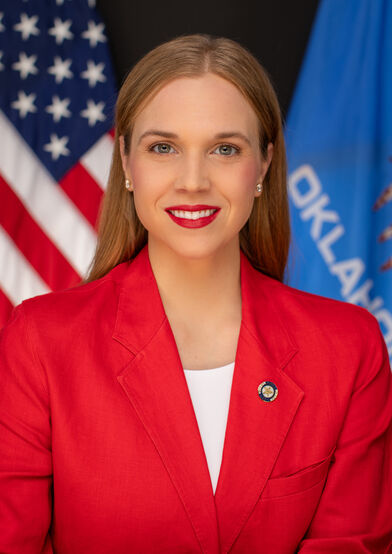
Cindy Roe
Cindy Roe House · District 42
R
Strong +
100% 15
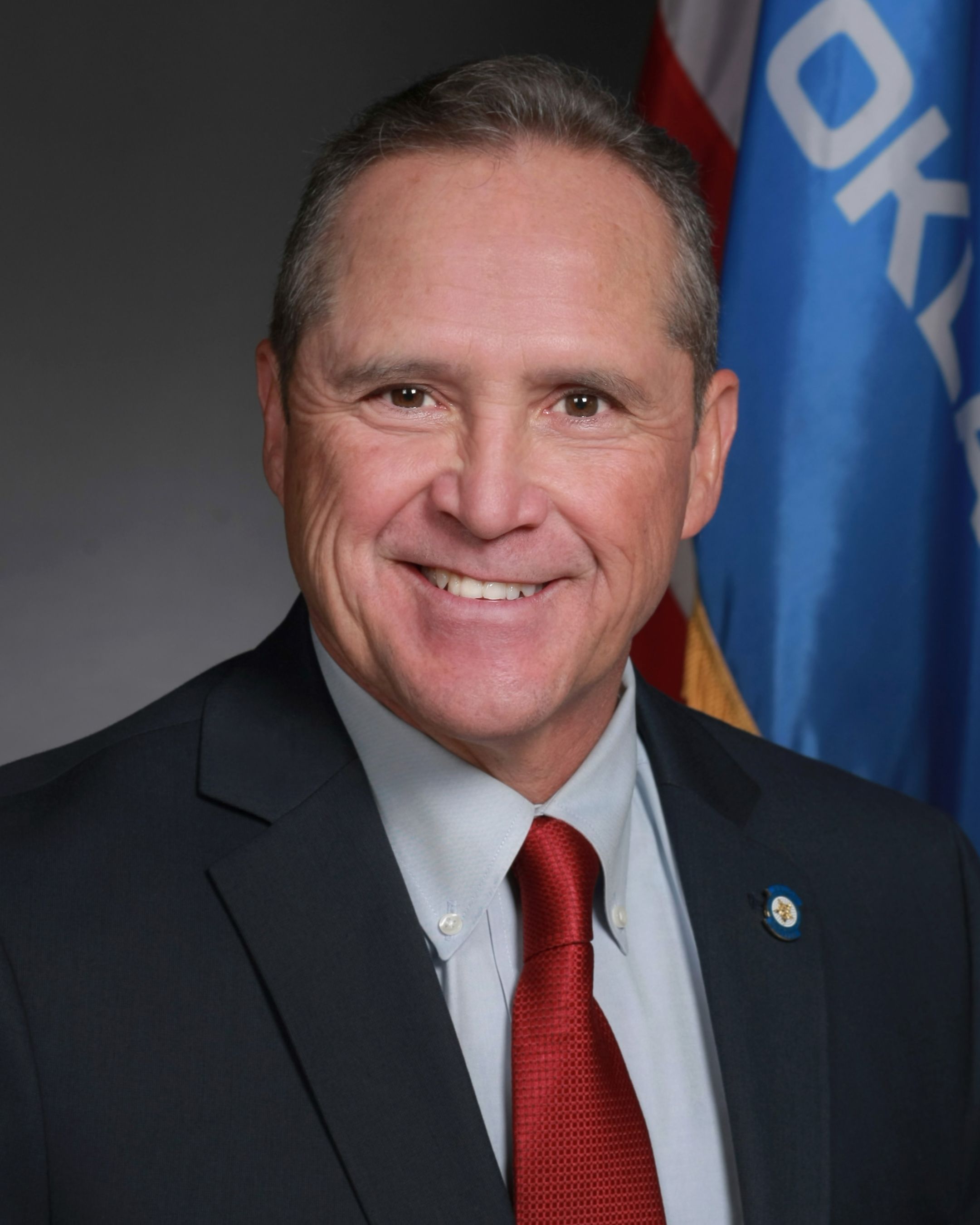
Aaron Reinhardt
Aaron Reinhardt Senate · District 37
R
Strong +
100% 14
Bill Coleman
Bill Coleman Senate · District 10
R
Strong +
100% 14
Danny Sterling
Danny Sterling House · District 27
R
Strong +
100% 14
John Haste
John Haste Senate · District 36
R
Strong +
100% 14
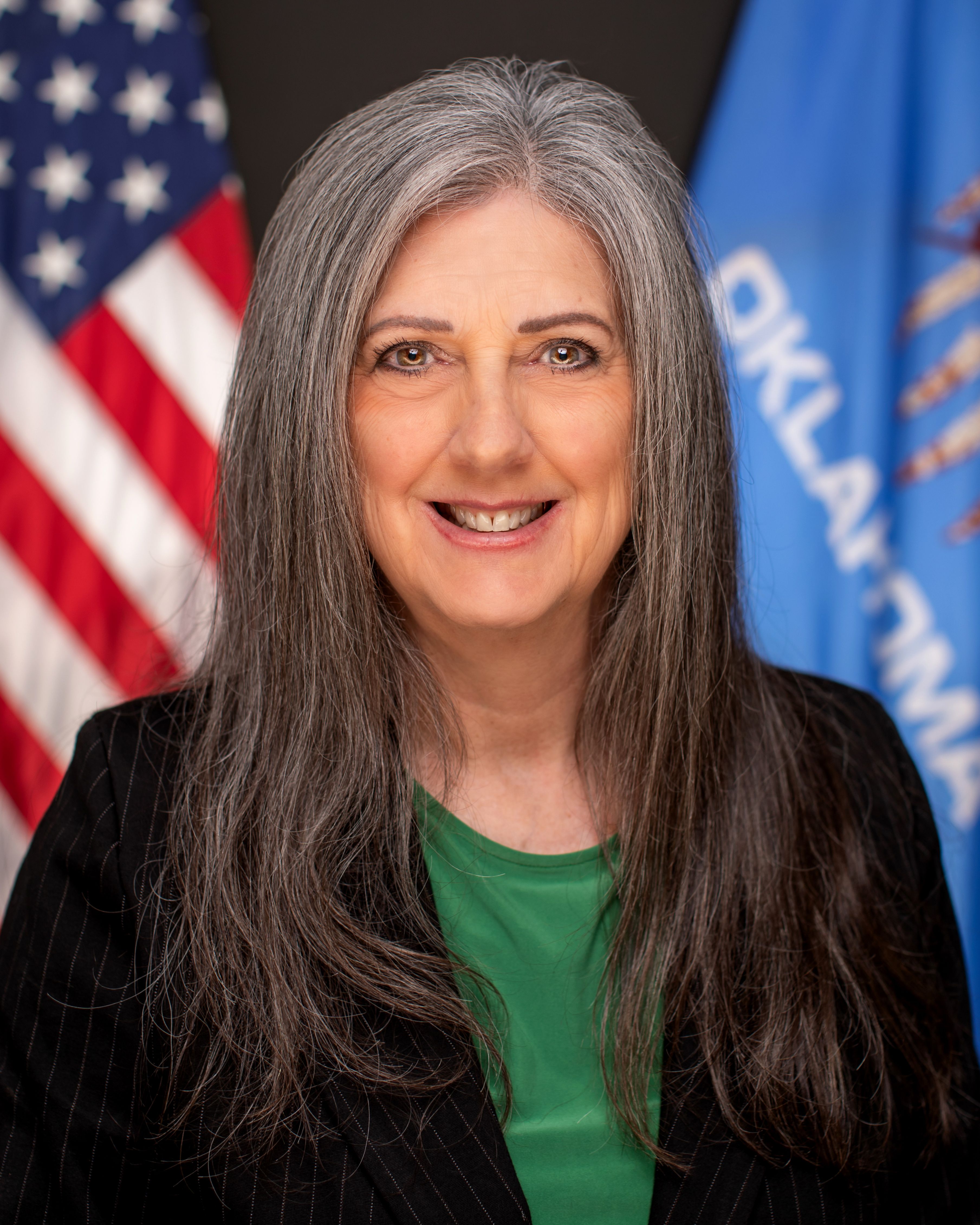
Molly Jenkins
Molly Jenkins House · District 33
R
Strong −
0% 13
Tom Gann
Tom Gann House · District 8
R
Strong −
0% 12
Rick West
Rick West House · District 3
R
Strong −
8% 12
Kendal Sacchieri
Kendal Sacchieri Senate · District 43
R
Strong −
11% 9
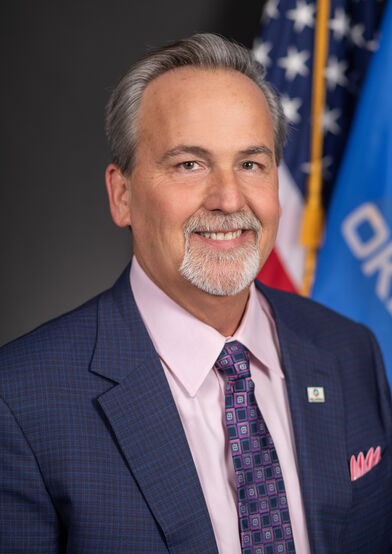
David Bullard
David Bullard Senate · District 6
R
Strong −
12% 8
Showing 1–10 of 35 bills

All healthcare bills

passed · Oklahoma · House May 6, 2026

HR 1057: Resolution; National Nurses Week; May 6 through 12.

This Oklahoma House Resolution officially recognizes May 6 through May 12 as National Nurses Week to honor the contributions of nurses in the state. The measure encourages citizens to observe the week and acknowledges the vital role nurses play in healthcare, patient advocacy, and public health education. It highlights how nurses serve on the front lines during emergencies and represent the largest group within the healthcare profession. The resolution is a symbolic gesture that does not create new laws or change existing policies.
Sub-Topics Public Health
passed · Oklahoma · House Apr 1, 2026

HB 3131: Homeless shelter standards; creating the Oklahoma Homeless Shelter Safety and Accountability Act; statewide standards; funds; rulemaking; reporting; procedures; sunset; effective date.

HB 3131 establishes a statewide framework for homeless services in Oklahoma, administered by the State Department of Health. It requires all homeless service providers receiving public funds (including state, federal, or local money) to meet minimum public health, safety, and financial accountability standards. Providers must submit annual reports on funding, services, and outcomes, while local county boards coordinate with providers and law enforcement on safety protocols. The bill also creates statewide reporting requirements and enforcement procedures for noncompliance, ensuring transparency without disclosing personal client information.
in committee · Oklahoma · Senate Apr 2, 2025

SB 1184: Appropriations; making an appropriation to the Department of Human Services. Emergency,

SB 1184 allocates $100,000 from Oklahoma's General Revenue Fund to the Department of Human Services for the 2025-2026 fiscal year. The funds are intended to support the department's existing legal duties, not to create new programs or services. The bill includes an emergency declaration, requiring immediate passage to address urgent needs affecting public health and safety. This is a straightforward funding measure with no new policy provisions.
signed · Oklahoma · Senate May 5, 2026

SB 1833: Supplemental Nutrition Assistance Program; directing the Department of Human Services to seek certain federal waiver. Effective date.

SB 1833 directs Oklahoma's Department of Human Services to seek a federal waiver preventing SNAP (food stamp) benefits from being used to purchase candy and soft drinks, and to potentially exclude other "nonnutritive" foods. The department must submit a waiver request to the USDA with public health justification, an implementation plan for retail point-of-sale systems, and an education strategy for recipients. If approved, the restrictions would take effect within six months, requiring annual reports to state leaders on SNAP spending patterns and program impacts. This bill directly affects SNAP recipients in Oklahoma by changing eligible purchases and requires federal approval for implementation.
Sub-Topics Public Health
in committee · Oklahoma · Senate Feb 3, 2026

SB 2017: Public health; prohibiting administration of gene-based vaccines until certain date. Emergency.

SB 2017 prohibits healthcare providers in Oklahoma from administering gene-based vaccines for infectious diseases (using mRNA, modified mRNA, self-amplifying mRNA, or DNA technology) until June 1, 2030. This directly affects doctors, clinics, and hospitals that currently provide such vaccines, excluding those used for cancer or genetic disorders. Violations carry a misdemeanor fine of up to $500 per incident and potential licensing board action. The bill takes immediate effect due to an emergency declaration.
signed · Oklahoma · Senate May 6, 2026

SB 1644: Public health; requiring addition of alpha-gal disease to list of reportable conditions. Effective date.

SB 1644 would require Oklahoma's health department to add alpha-gal syndrome (AGS) to the official list of reportable diseases, meaning doctors, nurses, and clinical laboratories must report diagnosed cases to the state health department. AGS is a condition causing allergic reactions to red meat and other animal products, which currently lacks formal tracking in Oklahoma. The bill updates existing health reporting laws to include AGS and makes the language gender-neutral. It would take effect on November 1, 2026.
Sub-Topics Public Health
died · Oklahoma · House Feb 17, 2026

HB 3324: Public health and safety; requirements; appropriations; amount and purpose; funding; statewide health platform; effective date; emergency.

HB 3324 creates a statewide health platform to connect Oklahoma's hospitals, emergency medical services (EMS), and public health entities through a unified, cloud-based system. The platform must provide real-time communication tools - including live video consultations, ECG/image sharing, and emergency alerts - for time-sensitive cases like strokes, heart attacks, and mass casualty incidents. It establishes a revolving fund in the state treasury, funded by state/federal appropriations and donations, to implement and maintain this system. The bill takes effect July 1, 2026, and requires all eligible health entities to use the platform for emergency coordination.
Sub-Topics Public Health
in committee · Oklahoma · Senate Feb 3, 2026

SB 1793: Gender transition procedures; prohibiting certain use of public funds; prohibiting certain acts by certain public entities. Effective date. Emergency.

SB 1793 prohibits the use of public funds - including state appropriations, fees, or revenue - for gender transition procedures or referrals. It directly affects state and local government-owned health facilities, county health departments, and public health employees who provide or refer for such care. The bill bans public funding for these procedures at public health facilities and requires disciplinary action (including termination) for state employees who violate this prohibition, with additional penalties for violations including fines up to $10,000 or jail time. The law takes effect July 1, 2026, and declares an emergency to expedite implementation.
Sub-Topics Public Health
in committee · Oklahoma · Senate Feb 3, 2026

SB 1568: Public health; creating the Oklahoma Parental Decision-Making and Hepatitis B Immunization Act of 2026; specifying certain restrictions on hepatitis B vaccine. Effective date.

SB 1568 changes Oklahoma's hepatitis B vaccination policy for newborns by removing the requirement for hospitals to administer a birth dose within 12 hours to all infants. It specifically allows parents of infants born to hepatitis B-negative mothers to delay or decline the birth dose through shared decision-making with healthcare providers, without penalty or impact on child welfare. Hospitals must now provide information about ACIP recommendations and obtain informed consent before administering any hepatitis B vaccine, while still requiring immediate vaccination for infants born to hepatitis B-positive mothers or those with unknown status. The bill aligns state law with current CDC guidelines and ensures hepatitis B vaccination can occur in any licensed clinical setting, not just hospitals.
Sub-Topics Public Health
passed · Oklahoma · House Apr 15, 2026

HB 3287: Public health and safety; directing hospitals and health care facilities to post certain signage; codification; effective date.

HB 3287 requires all Oklahoma hospitals and healthcare facilities to post clear signage in visible and private areas, stating: "If you are a victim of domestic abuse or human trafficking for commercial sex, please notify the staff of this facility immediately." The bill mandates facilities to create protocols for reporting suspected abuse or trafficking cases to law enforcement before a patient's discharge or release, while also including procedures to protect victims from contact with alleged perpetrators during this process. The State Department of Health must establish rules for signage size, placement, and format. This law takes effect on November 1, 2026, directly impacting healthcare providers and supporting victims of domestic violence and human trafficking.
Showing 1 to 10 of 35 bills
1 2 3 4 Next