Issue · Healthcare

Healthcare

Every healthcare bill, vote, and legislator stance in Arizona, automatically classified by Maddy, our AI policy reader.

Total bills
298
57th Legislature - Second Regular Session
Top supporter
Kevin Payne
81% support rate
Top opponent
Michael Way
24% support rate
Ranked legislators
10
5 support · 5 oppose
Key legislators

Who's moving healthcare in Arizona

Legislators moving healthcare in Arizona
Legislator Party Stance Support rate Votes
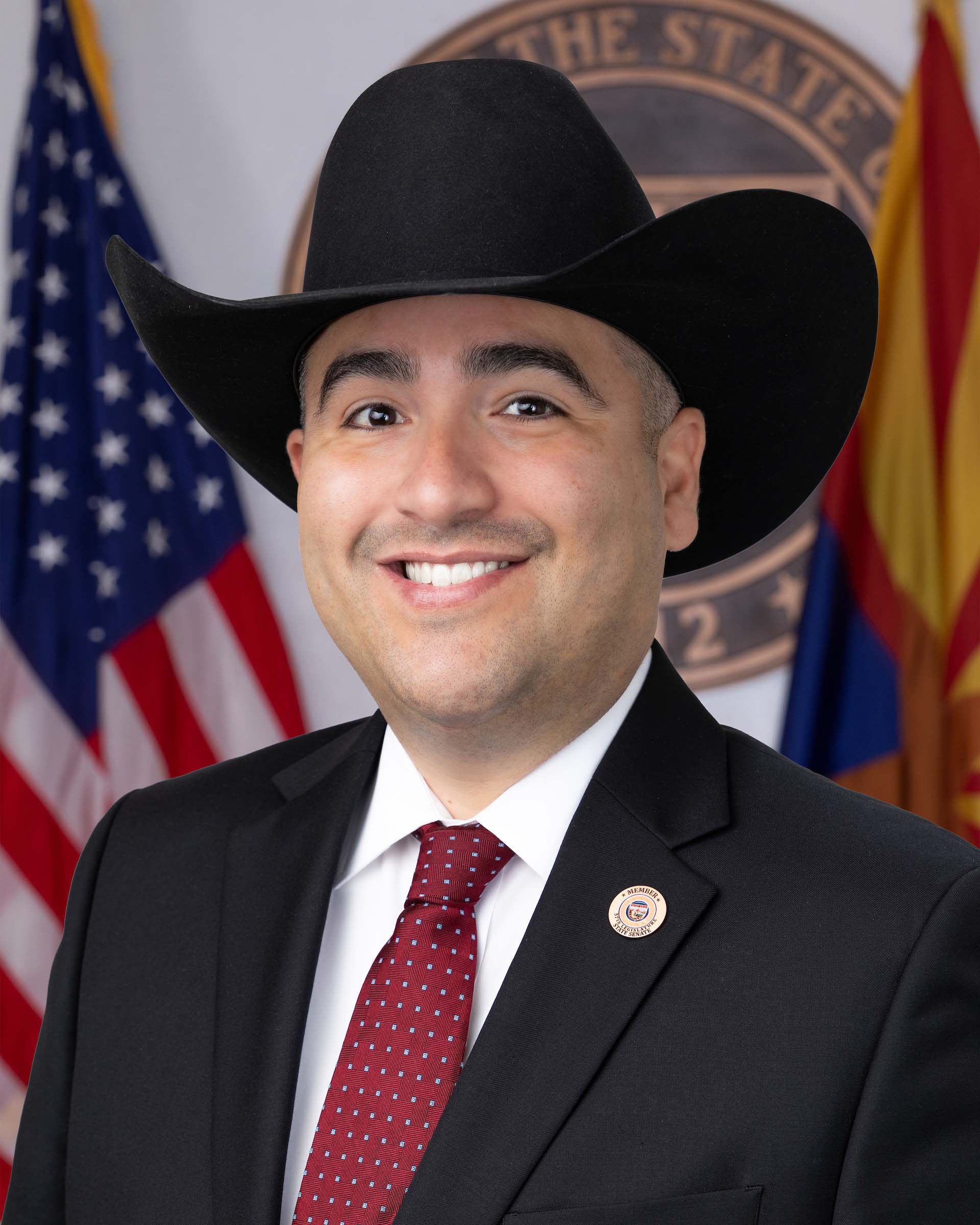
Kevin Payne
Kevin Payne Senate · District 27
R
Strong +
81% 164
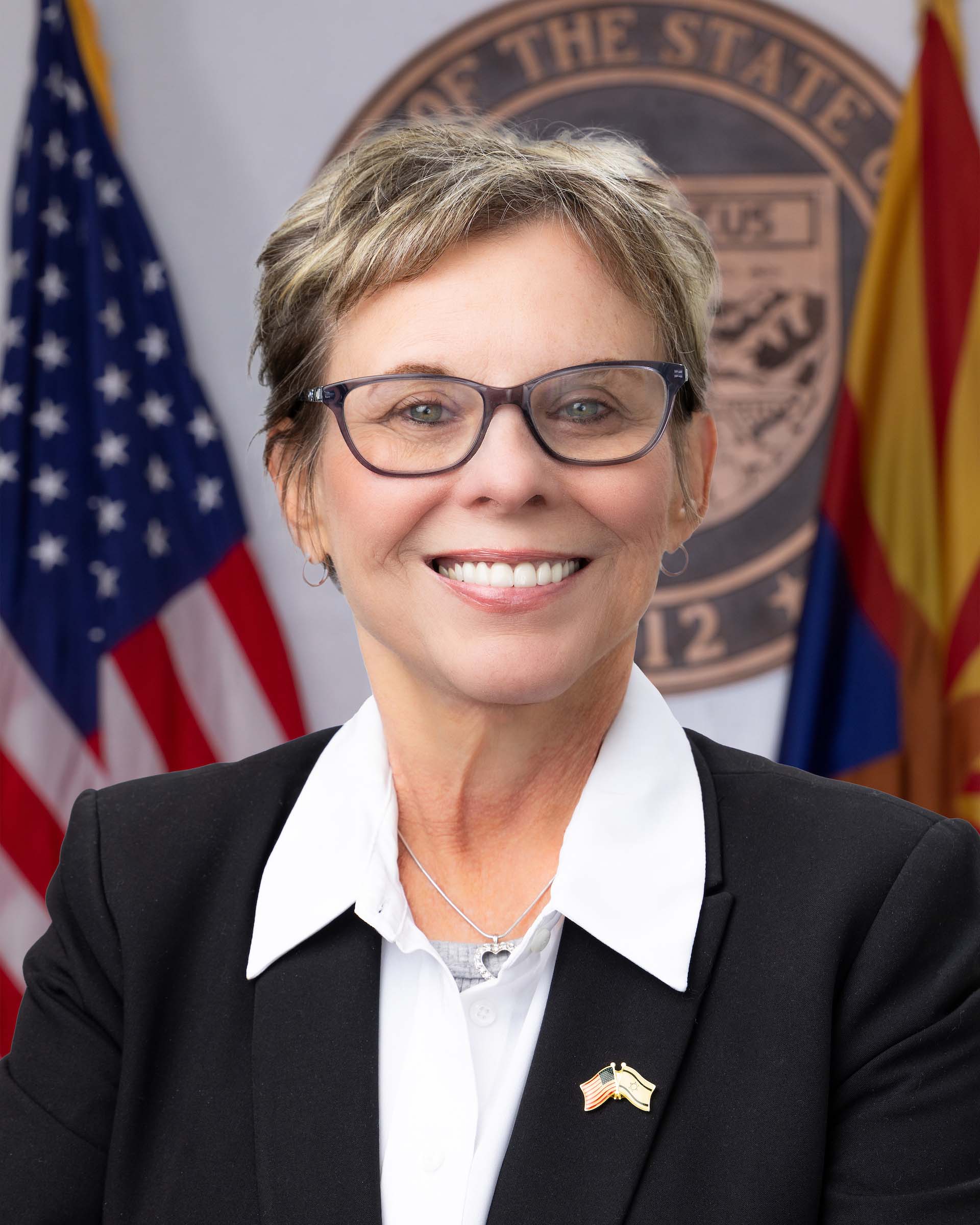
Hildy Angius
Hildy Angius Senate · District 30
R
Support
79% 178
T.J. Shope
T.J. Shope Senate · District 16
R
Support
79% 179
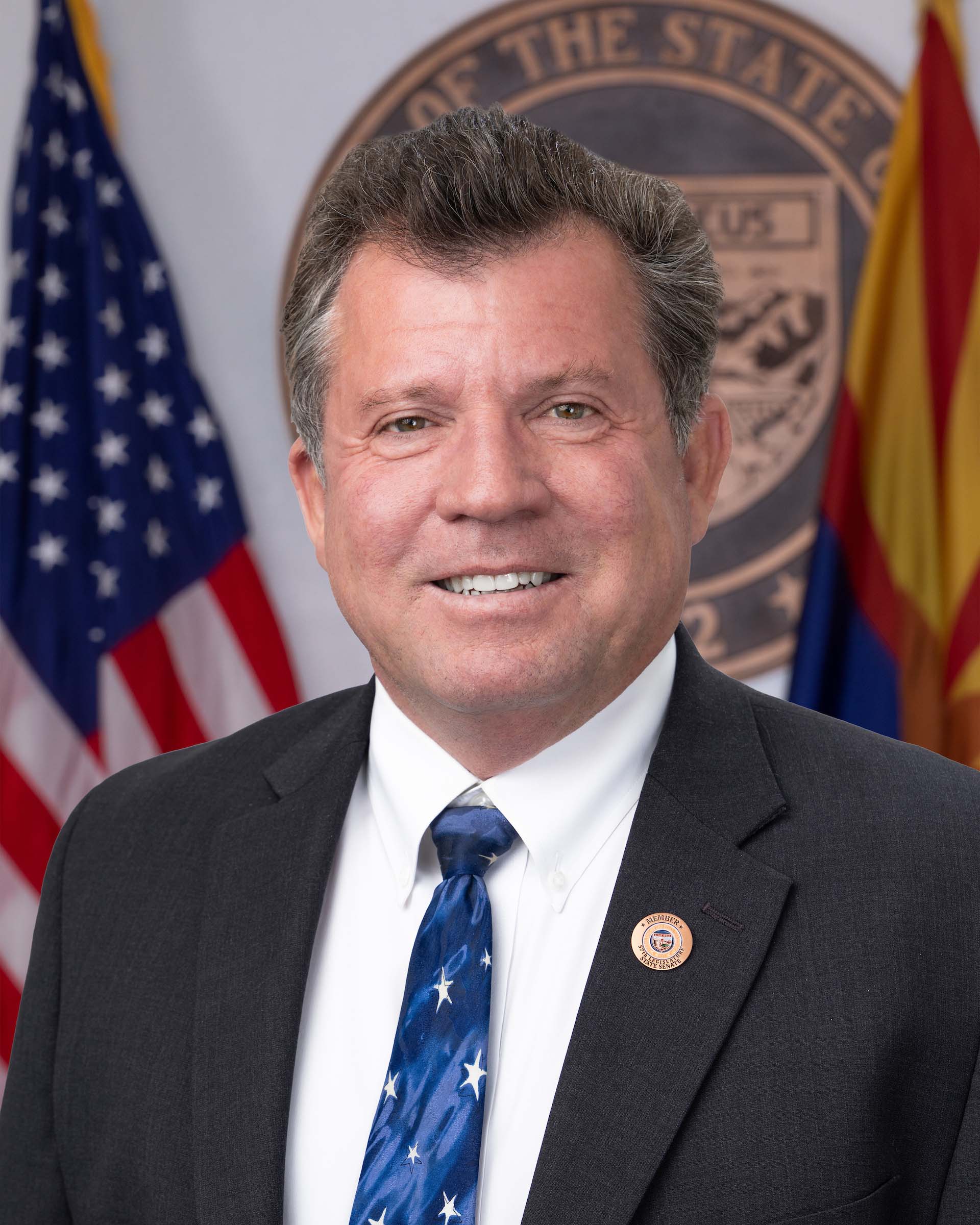
Vince Leach
Vince Leach Senate · District 17
R
Support
79% 179
Tim Dunn
Tim Dunn Senate · District 25
R
Support
79% 179
Michael Way
Michael Way House · District 15
R
Oppose
24% 223
Justin Olson
Justin Olson House · District 10
R
Oppose
27% 241
Khyl Powell
Khyl Powell House · District 14
R
Oppose
27% 241
Rachel Keshel
Rachel Keshel House · District 17
R
Oppose
28% 235
Alex Kolodin
Alex Kolodin House · District 3
R
Oppose
30% 238
Showing 271–280 of 298 bills

All healthcare bills

failed · Arizona · Senate Jun 12, 2026

SB 1178: naturopathic physicians; drug administration

This bill (SB 1178) clarifies the scope of practice for naturopathic physicians in Arizona regarding drug administration. It specifically defines which drugs and treatments naturopathic doctors may administer intravenously without requiring a prescription, excluding controlled substances, cancer chemotherapeutics, and antipsychotics. The key provision exempts vitamins, minerals, and nutrients (when manufactured/registered per federal standards) from being classified as "legend drugs" for IV use, allowing these treatments under defined conditions. The bill directly affects licensed naturopathic physicians practicing in Arizona by standardizing their permitted drug administration practices.
introduced · Arizona · House Jan 22, 2026

HCR 2026: controlled substances; paraphernalia; probation eligibility

HCR 2026 would allow individuals convicted of personal possession or use of controlled substances or drug paraphernalia to receive probation instead of immediate jail time, requiring participation in drug treatment or education programs. It mandates that courts place offenders on probation with treatment as a condition, and they must pay for programs based on their ability to pay. Exceptions include those convicted of violent crimes, three or more prior drug possession offenses, refusal to participate in treatment, or offenses involving methamphetamine or fentanyl (without a valid medical prescription). This proposal must be approved by Arizona voters to become law, as it is structured as a referendum measure.
passed · Arizona · Senate Mar 19, 2026

SB 1086: AHCCCS; noncontracting providers; reimbursement

This bill requires AHCCCS insurance companies to reimburse non-network providers for laboratory services when a member is referred by a network provider. It also prohibits prior authorization for diagnostic services and bans insurance companies from retaliating against providers who refer members to non-network options. The law aims to increase competition within Arizona's Medicaid program by preventing insurers from blocking patient access to outside providers. It directly affects AHCCCS members, contracted healthcare providers, and non-network providers offering lab and diagnostic services.
Sub-Topics Medicaid
passed · Arizona · Senate Mar 24, 2026

SB 1194: vaccination status; denial; prohibition

SB 1194 prohibits healthcare professionals and institutions in Arizona from denying care, services, or altering care quality based on a patient's vaccination status. It directly affects patients seeking healthcare and requires providers to offer equal care regardless of vaccination history. The bill allows individuals harmed by such discrimination to sue for damages, with violations subject to civil penalties of $500 per incident or three times actual damages, whichever is higher. It explicitly states that public health emergencies, crises, or pandemics cannot override these protections, ensuring vaccination status cannot be used to restrict healthcare access.
Sub-Topics Public Health
vetoed · Arizona · Senate Jun 19, 2026

SB 1011: medical examiners; sudden infant death

SB 1011 requires medical examiners in Arizona to conduct autopsies for sudden, unexplained infant deaths and follow specific protocols. It mandates reviewing the infant’s immunization history and recent medical treatments, then reporting all such cases to a national registry aligned with CDC guidelines. The bill directly affects infants experiencing unexplained deaths, their families, and county medical examiners who must implement these procedures. If passed, it would standardize investigations for these cases but does not change prevention or treatment policies. (Note: This is a proposed bill, as it is currently prefiling with no enacted status.)
passed · Arizona · Senate Mar 17, 2026

SB 1072: reimbursement rate increases; appropriations

SB 1072 appropriates $46 million from the state general fund and $84.2 million in Medicaid funds for fiscal years 2026-2027 through 2030-2031 to increase reimbursement rates for home and community-based services (HCBS) and room and board provided to individuals with intellectual and developmental disabilities (IDD). The Department of Economic Security must engage community stakeholders before implementing rate changes and report updated rates to the legislature by September 1, with changes taking effect by October 1 each year. Additionally, the department must conduct a workforce survey on direct support professionals in HCBS and report findings after three years, allowing the legislature to withhold funding for 2029-2030 and 2030-2031 if workforce improvements (like reduced turnover) are not observed.
Sub-Topics State Budget Medicaid
failed · Arizona · Senate Apr 27, 2026

SB 1021: chiropractic board; complaints; training; authority

SB 1021 updates Arizona's chiropractic regulations to strengthen patient record-keeping and transparency. It requires chiropractors to maintain detailed patient records - including health history, treatment plans, and visit notes - for at least six years, and prohibits failing to disclose financial interests when referring patients to other providers. The bill also mandates written notice to the board about record storage locations when a practice closes. These changes directly affect licensed chiropractors and chiropractic assistants by setting clear standards for documentation and accountability.
signed · Arizona · House Apr 13, 2026

HB 2050: radiologic technologists; radiologist assistants

HB 2050 updates Arizona's regulations for medical imaging professionals. It sets specific education standards for radiologic technology schools (24 months, 400 classroom hours, 1,865 clinical hours), establishes exam content covering radiation safety and imaging techniques, and creates new certification for bone densitometry technicians. The bill formally defines "radiologist assistants" as a distinct role requiring department certification, allowing them to perform specific procedures under a radiologist's supervision (like fluoroscopy and administering contrast) but prohibiting image interpretation or diagnosis. It also mandates continuing education requirements ranging from 2 to 50 hours every two years, depending on certification type. This directly affects radiologic technologists, radiologist assistants, bone densitometry technicians, and nuclear medicine technologists in Arizona.
introduced · Arizona · House Jan 13, 2026

HB 2081: medical marijuana; terminal illness

HB 2081 adds "terminal illness" to the list of qualifying medical conditions for Arizona's medical marijuana program. This change allows patients diagnosed with a terminal illness (as defined in state law) to qualify for medical marijuana under the program's existing framework. The bill does not alter possession limits (e.g., 2.5 ounces or 12 plants), caregiver rules, or other program mechanisms - it only expands eligibility to include terminal illness as a covered condition. The bill is currently in early legislative stages (prefiled, first/second readings).
passed · Arizona · House Jun 12, 2026

HB 2083: health coverage; diabetes; monitor; supplies

HB 2083 requires Arizona health plans (specifically "accountable health plans") to cover medically necessary diabetes equipment and supplies prescribed by a healthcare provider. This includes blood glucose monitors (with special provisions for the legally blind), test strips, insulin, continuous glucose monitors for Type 1 diabetes, syringes, lancets, and other diabetes-related devices. The bill does not mandate coverage for non-medically necessary items, supplies obtained without a prescription, or eliminate cost-sharing like deductibles. It directly affects Arizona residents with diabetes who are enrolled in these specific health plans.
Sub-Topics Prescription Drugs
Showing 271 to 280 of 298 bills
Previous 1 27 28 29 30 Next