Issue · Healthcare

Healthcare

Every healthcare bill, vote, and legislator stance in Arizona, automatically classified by Maddy, our AI policy reader.

Total bills
298
57th Legislature - Second Regular Session
Top supporter
Kevin Payne
81% support rate
Top opponent
Michael Way
24% support rate
Ranked legislators
10
5 support · 5 oppose
Key legislators

Who's moving healthcare in Arizona

Legislators moving healthcare in Arizona
Legislator Party Stance Support rate Votes
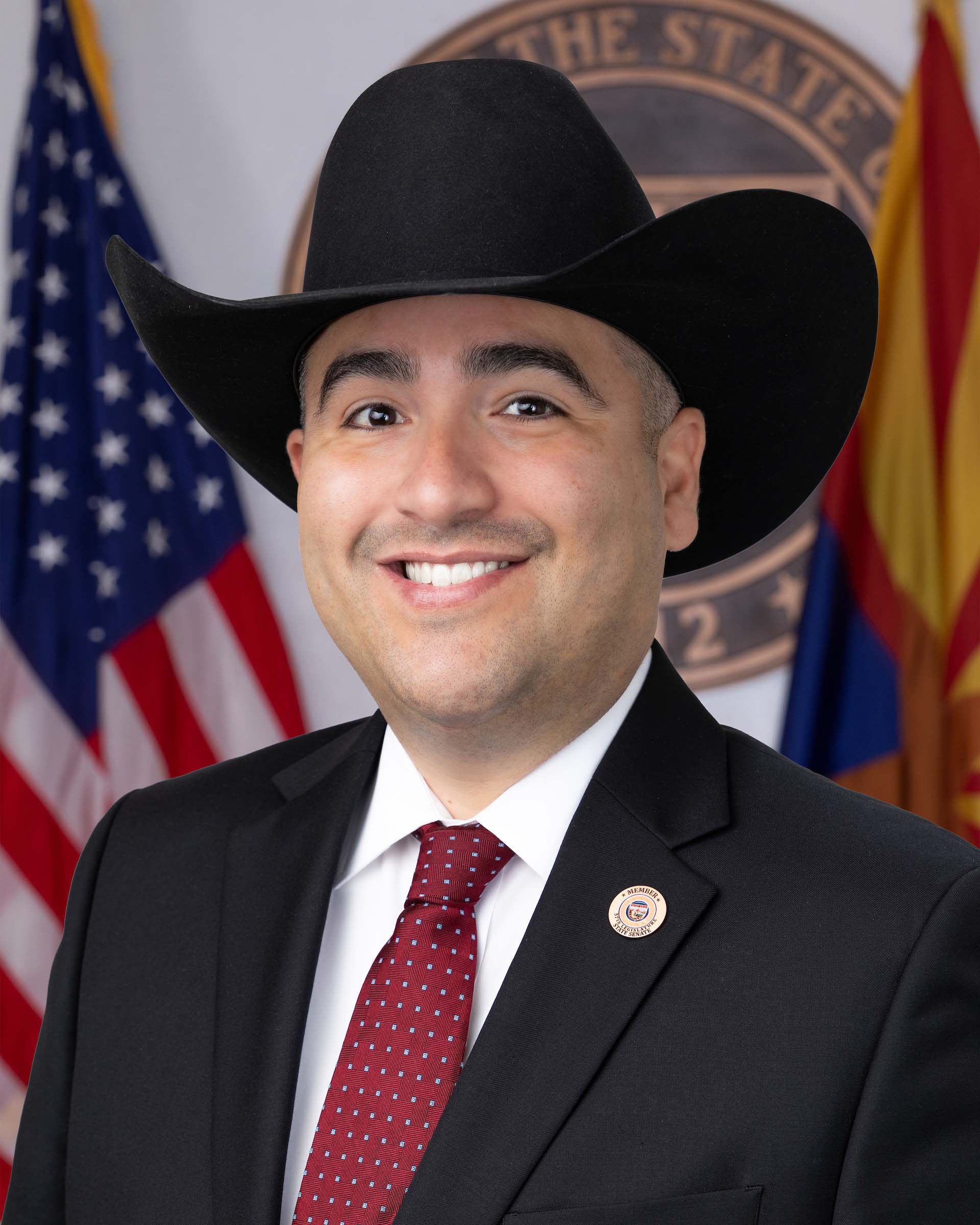
Kevin Payne
Kevin Payne Senate · District 27
R
Strong +
81% 164
Hildy Angius
Hildy Angius Senate · District 30
R
Support
79% 178
T.J. Shope
T.J. Shope Senate · District 16
R
Support
79% 179
Vince Leach
Vince Leach Senate · District 17
R
Support
79% 179
Tim Dunn
Tim Dunn Senate · District 25
R
Support
79% 179
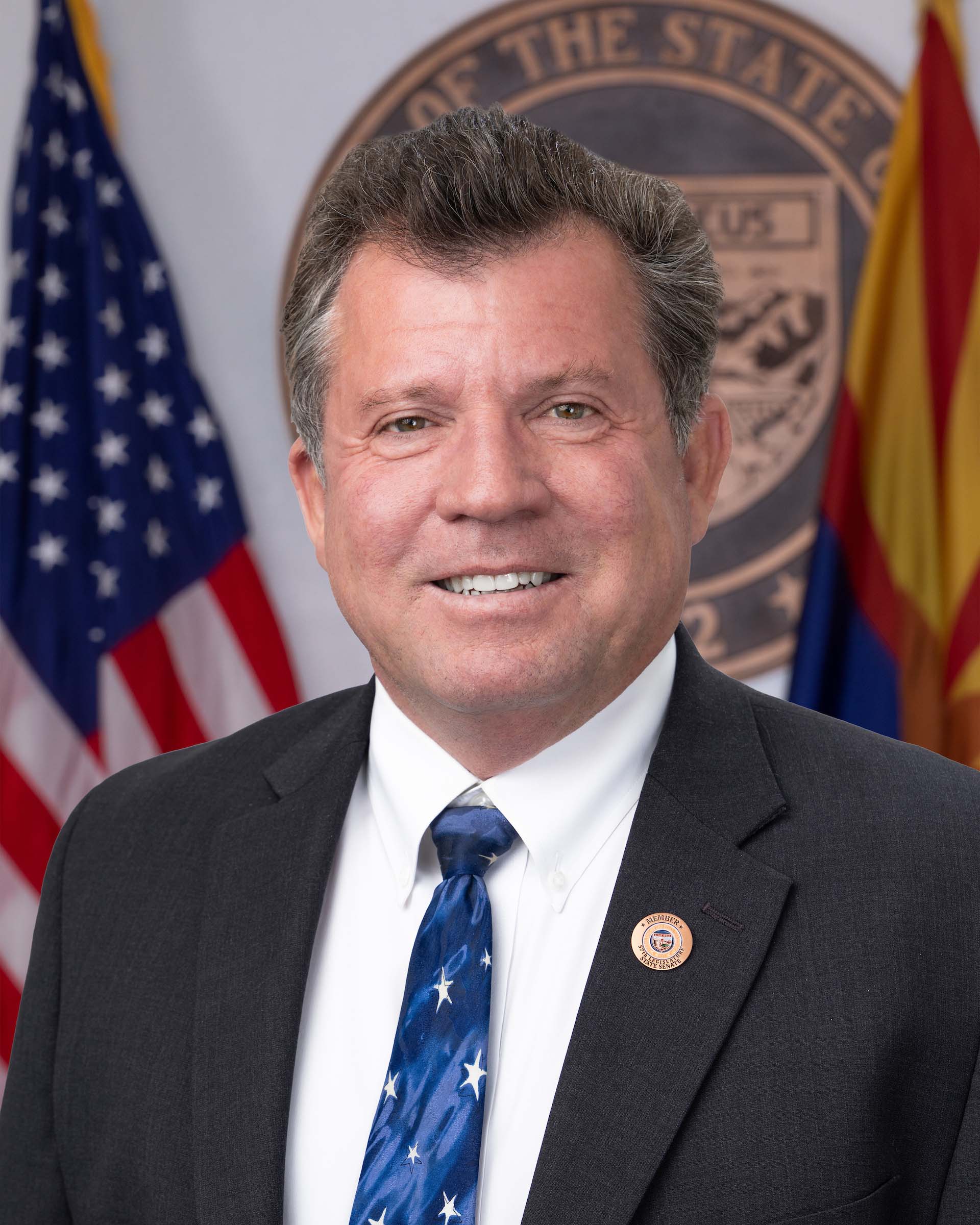
Michael Way
Michael Way House · District 15
R
Oppose
24% 223
Justin Olson
Justin Olson House · District 10
R
Oppose
27% 241
Khyl Powell
Khyl Powell House · District 14
R
Oppose
27% 241
Rachel Keshel
Rachel Keshel House · District 17
R
Oppose
28% 235
Alex Kolodin
Alex Kolodin House · District 3
R
Oppose
30% 238
Showing 261–270 of 298 bills

All healthcare bills

signed · Arizona · House Jun 4, 2026

HB 2189: licensed health aides; rules

HB 2189 requires Arizona's State Board of Nursing to create rules by October 2026 governing the scope of practice for licensed health aides. The rules must update training and eligibility standards - specifically for aides performing routine ventilator care - and establish a process to confirm patient suitability based on medical needs. The bill also mandates annual data collection on how licensed health aides are used across the state. These changes directly affect licensed health aides, the patients they serve, and healthcare facilities employing them. The rules aim to standardize training, safety checks, and data tracking without altering who can become a licensed health aide.
passed · Arizona · House Apr 13, 2026

HB 2411: coerced abortion; abortion-inducing drugs

HB 2411 makes it a class 2 felony to knowingly administer or give an abortion-inducing drug to a pregnant woman without her knowledge or consent, with the intent to cause an abortion. The bill defines "abortion-inducing drug" broadly to include off-label uses of medications like mifepristone (RU-486) or misoprostol, while excluding drugs prescribed for other medical purposes (e.g., chemotherapy) or contraceptives used as intended. It explicitly states this law does not prevent prosecution under other laws if the drug causes death or injury. The bill focuses on criminalizing non-consensual administration of such drugs, not on restricting abortion access generally.
Sub-Topics Women's Health
passed · Arizona · House Mar 31, 2026

HB 2202: appropriations; dementia care; telementoring program

HB 2202 appropriates $300,000 annually from 2026-2029 to fund a dementia care telementoring program for Arizona healthcare providers. The program, administered by the Department of Health Services, will provide virtual mentoring sessions focused on dementia detection, diagnosis, and care management, with priority for rural and underserved communities. Grant recipients must offer case-based sessions, continuing education credits, and report participation data. The program expires December 31, 2029, after which the funding will no longer be available.
introduced · Arizona · Senate Jan 21, 2026

SB 1225: pharmacies; cost sharing requirement; rebates

SB 1225 requires pharmacy benefit managers (PBMs) and third-party payors to calculate patient cost-sharing (like copays or deductibles) at the point of sale using a price reduced by at least 100% of all rebates received for a prescription drug. This means patients must pay the lowest possible price after all rebates are applied, and PBMs cannot keep any portion of rebates as revenue. The law directly affects patients enrolled in health plans covered by these PBMs, ensuring they benefit fully from negotiated drug discounts. It applies to new or renewed health plans after December 31, 2026.
Sub-Topics Prescription Drugs
in committee · Arizona · House Feb 16, 2026

HB 2433: medicare supplement insurance; ALS; ESRD

HB 2433 requires Arizona insurers to offer the same Medicare supplement insurance plans to people under 65 with end-stage renal disease (ESRD) or ALS as to those 65 and older. It prohibits charging higher premiums to these younger enrollees and creates a specific enrollment window (December 2, 2025-June 1, 2027) for them to apply. The bill applies to all Medicare supplement policies sold in Arizona, ensuring equal coverage access regardless of age for ESRD or ALS patients enrolled in Medicare.
Sub-Topics Medicare
signed · Arizona · Senate Jun 22, 2026

SB 1275: mandatory prison sentences; judicial discretion

This bill allows judges to impose lighter prison sentences or probation instead of mandatory prison terms for certain defendants with mental health conditions linked to military service or first responder work. It requires judges to find that imposing the mandatory sentence would cause injustice, isn't needed for public safety, and the condition relates to the defendant's military or first responder role. The law excludes cases involving death, serious injury, domestic violence, or ongoing criminal activity. Judges must state their reasoning on the record when deviating from mandatory sentences.
passed · Arizona · Senate Mar 17, 2026

SB 1169: appropriations; graduate medical education program

SB 1169 appropriates $10 million from Arizona's general fund and $18.768 million in funding authority for the Arizona Health Care Cost Containment System Administration to support graduate medical education programs. The bill directly affects hospitals operating residency programs by providing funds to cover their direct and indirect costs, including start-up expenses for new programs. These funds are intended to address Arizona's physician shortage by supplementing, but not replacing, existing local payments to hospitals. The appropriation is exempt from standard state budget lapse rules to ensure continued funding for this purpose.
introduced · Arizona · House Jan 21, 2026

HB 2645: essential drugs; price increases; limits

HB 2645 prohibits price gouging on "essential off-patent or generic drugs" in Arizona, which are defined as common, non-patented medications meeting specific criteria (e.g., expired patents, listed by WHO or HHS as essential for serious conditions). It directly affects drug manufacturers and distributors, requiring them to justify price increases of 50% or more within a year - triggered if costs exceed $80 for a 30-day supply or full treatment - by submitting detailed cost breakdowns to the Attorney General. The law allows the Attorney General to investigate, demand corrective actions (like refunding consumers), and impose civil penalties up to $10,000 per violation. It specifically targets drugs used in Arizona’s state medical assistance program (Medicaid), aiming to prevent unjustified price hikes that limit patient access.
passed · Arizona · House Mar 17, 2026

HB 2437: EMS reciprocity; compact

HB 2437 establishes Arizona’s participation in the Emergency Medical Services (EMS) Licensure Interstate Compact. It allows Arizona-licensed EMTs, AEMTs, and paramedics to practice temporarily in other participating states without obtaining new licenses, while ensuring public safety through standardized requirements. To maintain reciprocity, Arizona must require national registry exams (NREMT), have complaint investigation systems, conduct background checks for new licenses, and share adverse action information with the compact’s commission. This directly affects EMS personnel who work across state lines, including military members and their spouses transitioning to civilian roles. The bill creates a framework for mutual recognition but does not change Arizona’s existing licensure rules for in-state practice.
Sub-Topics Medical Licensing Tags Public Safety
passed · Arizona · Senate Apr 15, 2026

SB 1316: Arizona rural health transformation fund

SB 1316 establishes the Arizona Rural Health Transformation Fund, using federal funds from Section 71401 of Public Law 119-21, to support rural health initiatives. The Arizona Health Care Cost Containment System will manage the fund and must hold three public meetings in major metropolitan areas across northern, central, and southern Arizona before spending any money. After gathering public input, the agency must submit a detailed spending plan to the Joint Legislative Budget Committee for approval. This bill directly affects rural health programs and services in Arizona by creating a structured process for allocating federal funds. The law requires transparency through public engagement and legislative oversight before funds are spent.
Showing 261 to 270 of 298 bills
Previous 1 26 27 28 30 Next