Issue · Healthcare

Healthcare (Hospitals)

Every healthcare bill, vote, and legislator stance in Arizona, automatically classified by Maddy, our AI policy reader.

Total bills
25
57th Legislature - Second Regular Session
Top supporter
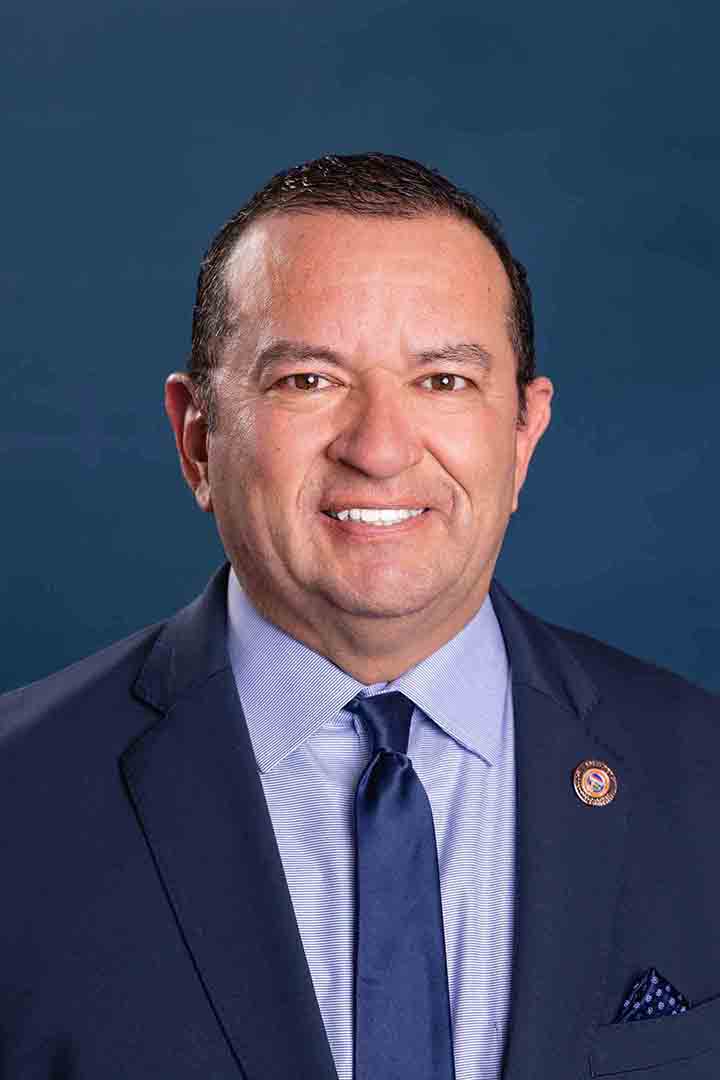
Cesar Aguilar
100% support rate
Top opponent
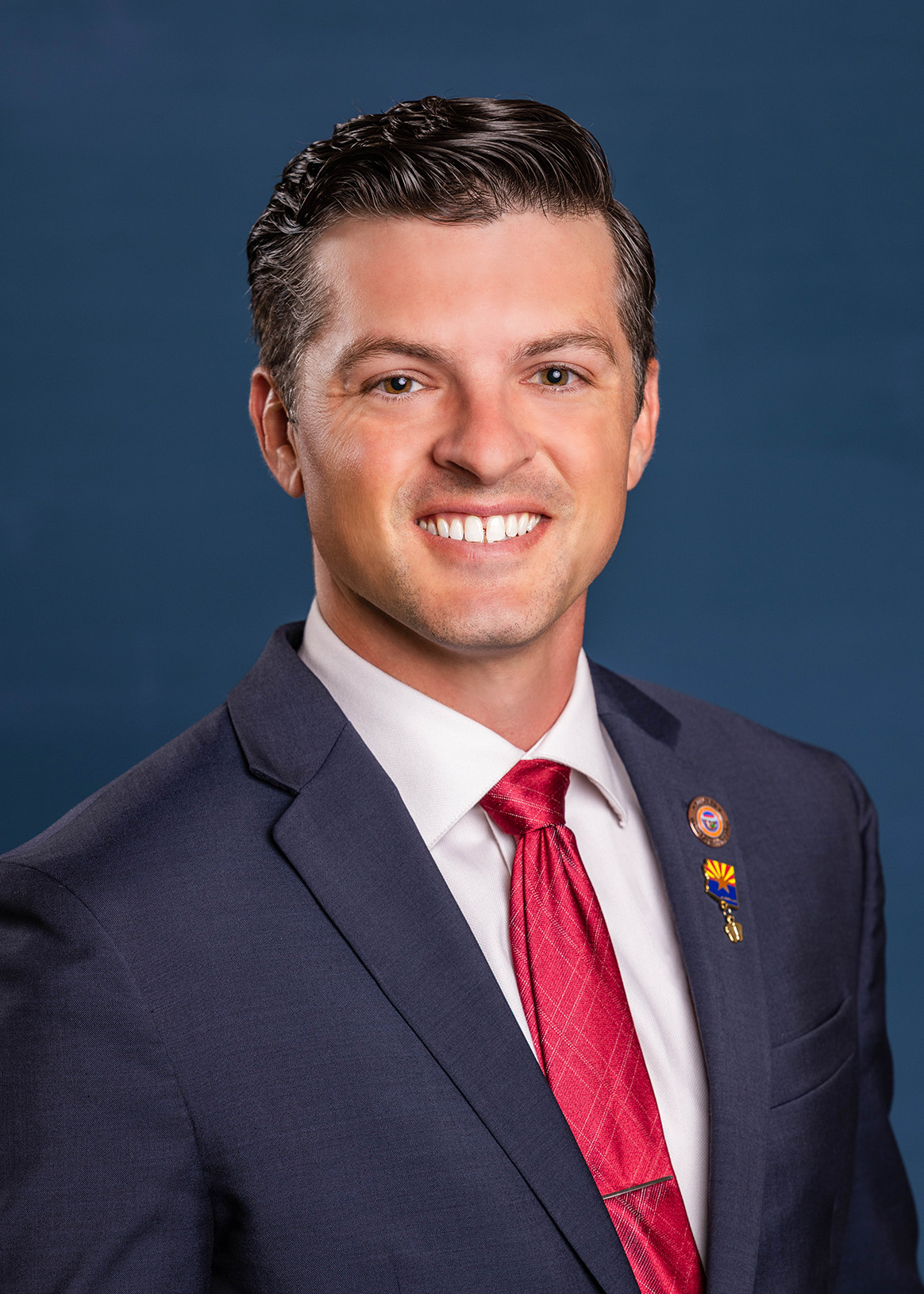
Cody Reim
0% support rate
Ranked legislators
10
5 support · 5 oppose
Key legislators

Who's moving hospitals in Arizona

Legislators moving hospitals in Arizona
Legislator Party Stance Support rate Votes
Cesar Aguilar
Cesar Aguilar House · District 26
D
Strong +
100% 8
Chris Lopez
Chris Lopez House · District 16
R
Strong +
100% 8
EL
Elda Luna-Nájera House · District 22
D
Strong +
100% 8
Jeff Weninger
Jeff Weninger House · District 13
R
Strong +
100% 8
Lupe Contreras
Lupe Contreras House · District 22
D
Strong +
100% 8
Cody Reim
Cody Reim House · District 3
R
Strong −
0% 6
Laurin Hendrix
Laurin Hendrix House · District 14
R
Strong −
0% 3
Alex Kolodin
Alex Kolodin House · District 3
R
Strong −
12% 8
Justin Olson
Justin Olson House · District 10
R
Strong −
12% 8
Khyl Powell
Khyl Powell House · District 14
R
Strong −
12% 8
Showing 1–10 of 25 bills

All healthcare bills

passed · Arizona · Senate Mar 16, 2026

SB 1813: state hospital; governing board

SB 1813 amends Arizona law to clarify the purpose and operations of the Arizona State Hospital. It requires the hospital to admit patients based solely on clinical need (not county residency) for treatment of mental health conditions, and allows services for alcoholism/drug abuse if funded by the legislature. Key provisions include mandating specific facilities like occupational therapy spaces, child care units, dental services, and a patient tracking system to monitor treatment progress. The hospital will remain under the director of the Department of Health Services. This bill directly affects patients receiving inpatient mental health care and hospital staff.
introduced · Arizona · Senate Feb 9, 2026

SB 1771: health insurance; requirements; essential benefits

SB 1771 requires all health insurers in Arizona selling individual plans, short-term insurance, or small employer group plans to cover essential health benefits (like hospital care, mental health services, prescriptions, and preventive care) without cost-sharing for recommended preventive services. It bans insurers from denying coverage or charging more based on health status or preexisting conditions, eliminates annual/lifetime dollar limits on essential benefits, and mandates coverage for adult children up to age 26. The bill directly affects Arizona health insurers, individuals purchasing coverage, and small employers offering group plans. It aims to expand access and affordability by standardizing coverage requirements and prohibiting discriminatory practices under state law.
introduced · Arizona · Senate Feb 9, 2026

SB 1744: TPT; exemption; fire trucks; ambulance

SB 1744 amends Arizona's sales tax code (ARS § 42-5061) to add a new exemption for "durable medical equipment" under specific conditions. This provision exempts from sales tax medical devices like hospital beds or mobility aids that meet Medicare coding requirements, are prescribed by licensed health professionals, and are designed for home use during illness or injury. The exemption directly affects medical equipment sellers, healthcare providers, and patients purchasing these items. The bill does not alter existing exemptions for items like insulin, prescription eyewear, or food, but clarifies the scope of the durable medical equipment category. (Citation: ARS § 42-5061, subsection 13)
introduced · Arizona · House Feb 9, 2026

HB 2333: insurance; prosthetics; orthotics; reporting requirements

HB 2333 requires Arizona health insurance plans (for hospital service corporations and health care services organizations) to cover prosthetic and orthotic devices at a minimum level equivalent to Medicare Part B coverage, effective January 1, 2027. The bill mandates coverage for device purchase, fitting, repair, replacement, necessary materials, and rehabilitation services to enable activities of daily living, job-related tasks, and physical activities like swimming or strength training. It directly affects individuals with limb loss, limb difference, or mobility impairments who rely on these devices, while prohibiting insurers from denying coverage based on disability or imposing stricter cost-sharing for these devices than for other medical services. Insurers must also provide annual reports detailing necessary care for people with mobility impairments, starting in 2028.
signed · Arizona · House Jun 4, 2026

HB 2923: court-ordered treatment; judicial review

HB 2923 amends Arizona law to establish clearer court oversight for inpatient mental health treatment of incapacitated persons under guardianship. It requires courts to authorize guardians to consent to such treatment only after clear evidence (supported by a mental health expert) that the person is likely to need inpatient care, and mandates that courts limit treatment to the least restrictive option for the shortest necessary duration. Key provisions include requiring facilities to assess placement every 30 days, notifying the ward’s attorney within 48 hours of admission, and allowing the attorney to request a court hearing within 3 days if placement seems inappropriate. The bill also ensures the ward’s attorney can access all treatment records and must review reports if guardians seek continued authority to consent to inpatient care.
introduced · Arizona · House Jan 29, 2026

HB 2929: perimenopause; menopause; task force

HB 2929 establishes a 16-member task force focused on perimenopause and menopause care in Arizona. The task force includes health professionals, hospital representatives, educators, and community health stakeholders appointed by state officials. Its key duties are to identify ways to improve treatment and education for women experiencing these conditions, review health care curricula, and recommend changes to health care providers and institutions. The task force must submit findings to state leaders by December 2027 and 2028, and the bill expires on June 30, 2029. This is a procedural bill creating a study group, not a direct policy change affecting specific laws or funding.
Sub-Topics Hospitals
signed · Arizona · Senate Jun 22, 2026

SB 1630: home; community-based services; mental illness

SB 1630 establishes a new Arizona Medicaid program providing home and community-based services for adults with serious mental illness, replacing institutional care when possible. It sets eligibility based on clinical criteria (like recent hospitalizations, medication complexity, or safety risks) and income limits (300% of federal SSI), with options for a qualified income trust to meet financial requirements. Covered services include personal care, medication management, supervised community living, adult day health, and nonemergency transportation. The program requires federal approval by 2027 and aims to support individuals in community settings while avoiding psychiatric hospital or residential facility placement.
in committee · Arizona · Senate Feb 18, 2026

SB 1390: appropriation; mass casualty incident preparedness

SB 1390 appropriates $700,000 from Arizona's health services lottery fund for fiscal year 2026-2027 to support mass casualty incident preparedness. The funds will be distributed to a nonprofit organization in Arizona that previously received federal hospital preparedness funding through the Department of Health Services and focuses on coordinating emergency readiness across all community sectors. This bill directly affects eligible nonprofits with existing federal support for hospital preparedness, enabling them to maintain statewide coordination for mass casualty incidents. It does not create new policies but allocates existing lottery funds to strengthen emergency response planning. The bill is currently in early Senate stages with no further actions recorded.
introduced · Arizona · House Mar 9, 2026

HB 2617: insurance; prostate cancer; cost sharing

HB 2617 prohibits health insurers in Arizona from requiring cost-sharing (like copays or deductibles) for diagnostic prostate cancer screenings for specific high-risk men starting January 1, 2027. It directly affects men who are 55 or older, carry BRCA1/BRCA2 genetic mutations, have a family history of prostate cancer (including first-degree relatives diagnosed or deceased from it), or are military veterans exposed to Agent Orange. The bill applies to hospital service corporations, health care organizations, disability insurers, and group disability insurers. Key provisions define "high-risk" categories and mandate coverage without cost-sharing for screenings, aiming to improve early detection access for these groups. The law does not change screening guidelines but removes financial barriers for covered services.
Sub-Topics Hospitals
introduced · Arizona · House Jan 21, 2026

HB 2559: behavioral health services; insurance coverage

HB 2559 requires Arizona health insurance plans (including hospital service corporations, health care organizations, and disability insurers) to cover behavioral health services - such as mental health and substance use disorder treatment - starting January 1, 2027. The bill mandates insurers to provide out-of-network coverage with cost protections if in-network providers aren’t available within specific timeframes: 30 days for routine care, 7 days for residential care, and 24 hours for emergencies. Patients cannot pay more than their in-network copay, coinsurance, or deductible for these services, and insurers must document out-of-network payments for state review. This directly affects millions of Arizonans with insurance coverage for behavioral health needs.
Showing 1 to 10 of 25 bills
1 2 3 Next