Issue · Criminal Justice

Criminal Justice (Drug Policy)

Every criminal justice bill, vote, and legislator stance in Arizona, automatically classified by Maddy, our AI policy reader.

Total bills
16
57th Legislature - Second Regular Session
Top supporter
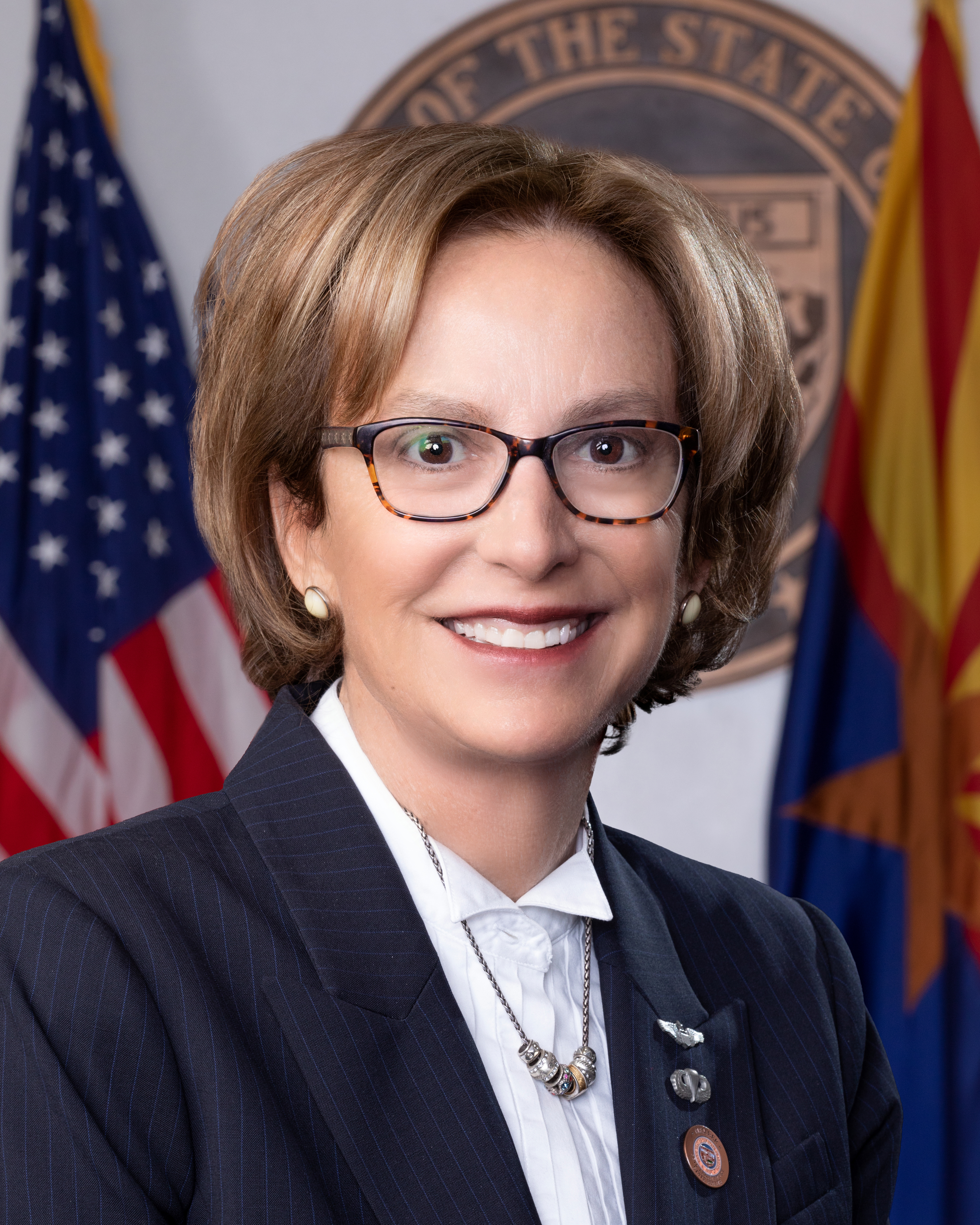
Alma Hernández
100% support rate
Top opponent
Carine Werner
9% support rate
Ranked legislators
10
5 support · 5 oppose
Key legislators

Who's moving drug policy in Arizona

Legislators moving drug policy in Arizona
Legislator Party Stance Support rate Votes
AH
Alma Hernández House · District 20
D
Strong +
100% 5
Consuelo Hernandez
Consuelo Hernandez House · District 21
D
Strong +
100% 5
Myron Tsosie
Myron Tsosie House · District 6
D
Strong +
86% 7
QC
Quantá Crews House · District 26
D
Strong +
83% 6
Analise Ortiz
Analise Ortiz Senate · District 24
D
Strong +
82% 11
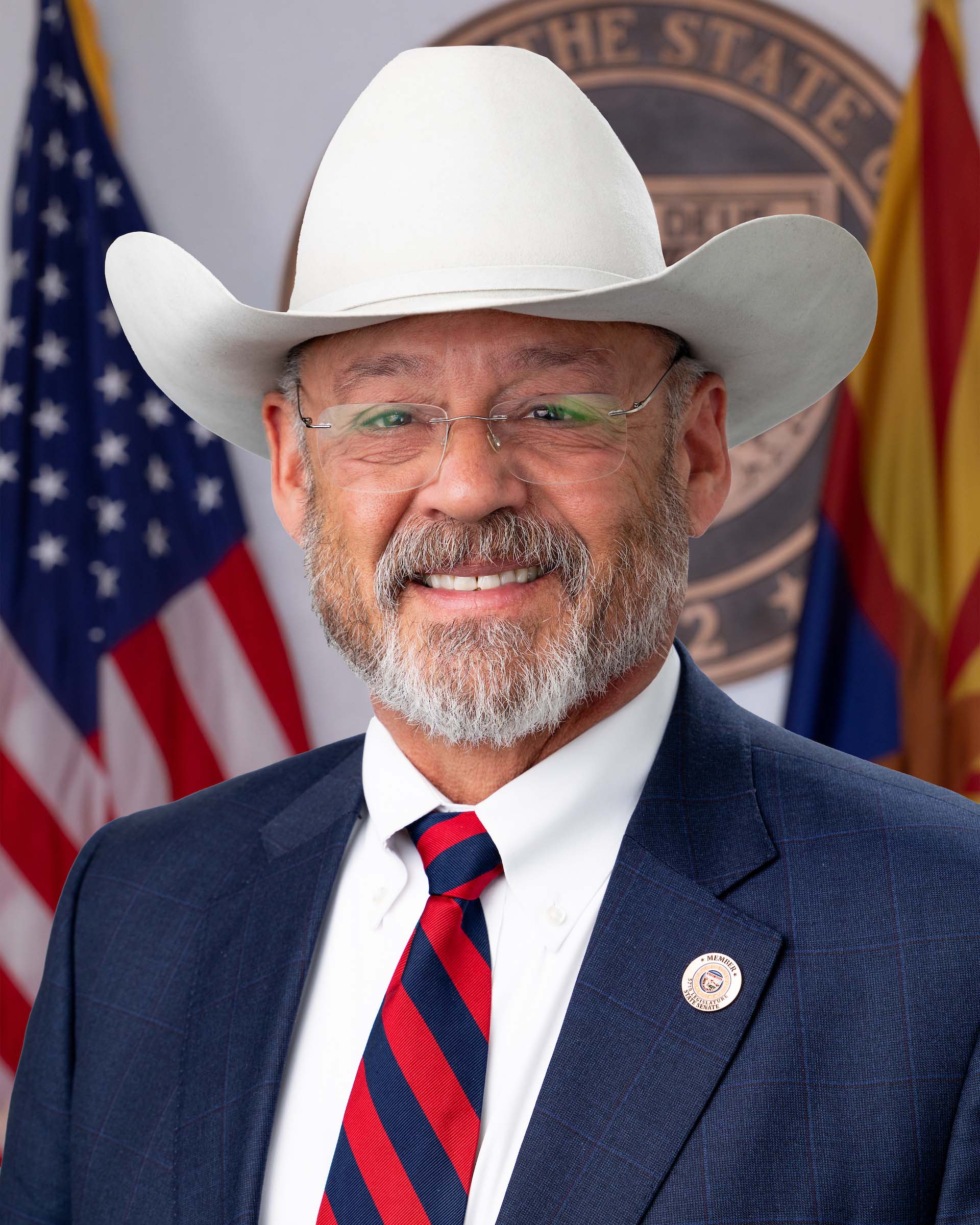
Carine Werner
Carine Werner Senate · District 4
R
Strong −
9% 11
Mark Finchem
Mark Finchem Senate · District 1
R
Strong −
9% 11
Vince Leach
Vince Leach Senate · District 17
R
Strong −
9% 11
Wendy Rogers
Wendy Rogers Senate · District 7
R
Strong −
11% 9
Chris Lopez
Chris Lopez House · District 16
R
Strong −
14% 7
Showing 1–10 of 16 bills

All criminal justice bills

passed · Arizona · Senate Mar 11, 2026

SCR 1047: public benefits; fraud; remedies

SCR 1047 is a constitutional resolution (requiring voter approval) that establishes an Attorney General marijuana enforcement fund and a receiver system for social equity marijuana licenses. It creates a dedicated fund using existing marijuana-related monies to investigate fraud, enforce social equity program rules, support reentry programs for prior marijuana offenses, and fund community grants. The bill allows the Attorney General to appoint a receiver to take control of a social equity license if fraud, non-compliance, or predatory agreements occur, with strict qualifications for receivers. This directly affects social equity marijuana license holders, particularly those who may face license revocation or restoration processes due to violations. The resolution aims to strengthen enforcement of marijuana licensing rules while prioritizing community impact and program integrity.
passed · Arizona · Senate Jun 13, 2026

SB 1752: mescaline; possession; sale; commercial use

SB 1752 prohibits harvesting, processing, or selling mescaline for commercial purposes or research in Arizona, with a specific exception for religious use integral to bona fide religious practices that don’t endanger public health or safety. It defines "commercial use" as any profit-seeking activity and limits "research" to medical or pharmaceutical applications. Violating the law is a class 4 felony offense. The bill does not affect personal possession or non-commercial religious use.
Sub-Topics Drug Policy
introduced · Arizona · House Feb 11, 2026

HB 4075: civil rights; right to vote

HB 4075 automatically restores voting rights to individuals released from prison after a felony conviction in Arizona, eliminating the need for a separate application (via new Section 13-926). It also establishes automatic restoration of most civil rights (like jury service and firearm possession, excluding certain violent offenses) for first-time felony offenders upon completing probation and paying victim restitution (Section 13-907). The bill prohibits state employment discrimination based solely on prior felony or misdemeanor convictions, except for law enforcement roles (Section 13-904). These changes apply to individuals convicted of felonies in Arizona or other jurisdictions, with specific exceptions for dangerous or serious offenses regarding firearm rights.
passed both · Arizona · House Jun 11, 2026

HB 2048: orders of protection; process servers

HB 2048 amends Arizona's order of protection procedures to clarify and streamline the process for victims of domestic violence. It allows minors, third parties acting on behalf of incapacitated individuals, and others to file petitions, requires courts to review petitions without a hearing if reasonable cause exists, and specifies that orders can include restrictions on contact, exclusive residence possession, firearm prohibitions, and animal custody. The bill eliminates filing and service fees, mandates courts provide information about local emergency and counseling services, and prohibits mutual orders of protection while requiring consolidation of opposing petitions. This directly affects domestic violence victims, alleged abusers, and courts handling these cases.
introduced · Arizona · House Jan 21, 2026

HB 2801: marijuana convictions; misdemeanors; fines; assessments

Arizona's HB 2801 allows individuals convicted of specific low-level marijuana offenses occurring before November 30, 2020, to petition courts for expungement of their records. It directly affects people arrested or convicted for possessing ≤2.5 ounces of marijuana, growing ≤6 plants at home for personal use, or possessing related paraphernalia. The bill requires courts to grant expungement unless prosecutors prove ineligibility with clear evidence, sealing records and restoring civil rights like firearm possession. Agencies must remove expunged records from public access and cannot use them in future cases. This policy change takes effect July 12, 2021, for eligible cases.
introduced · Arizona · Senate Feb 4, 2026

SB 1589: school personnel; reporting; drug offenses

SB 1589 strengthens Arizona's drug enforcement near schools by increasing penalties for drug offenses within 300 feet of school grounds, school buses, or bus stops. It requires all school staff to immediately report drug violations to administrators, who must then notify law enforcement - failure to report is a misdemeanor. The bill also mandates that schools include specific data on drug-related incidents requiring law enforcement contact in their annual public report cards. These changes directly affect school personnel, students, and law enforcement, with the goal of increasing accountability and transparency around drug activity in school zones.
vetoed · Arizona · House Jun 19, 2026

HB 2970: fraudulent schemes; artifices; jurisdiction

HB 2970 amends Arizona law to strengthen penalties for fraud by defining it as knowingly obtaining benefits through false claims, lies, or hiding key facts. It removes the requirement that prosecutors prove victims relied on the fraud and bars probation or early release for serious cases involving $100,000+ in fraud or opioid sales. The law also allows Arizona to prosecute fraud even if parts of the scheme occurred outside state borders. This directly affects individuals or entities committing fraud, with stricter sentencing for large-scale or opioid-related offenses.
failed · Arizona · Senate Jun 12, 2026

SB 1170: narcotic drugs; sales; minor; sentencing

SB 1170 amends Arizona's drug sentencing laws to impose mandatory minimum prison terms for specific fentanyl offenses. It sets a 5- to 15-year minimum sentence for selling or possessing at least 200 grams of fentanyl (or 200 grams in a vehicle), increasing to 10- to 20 years for repeat offenders. The bill also creates a separate mandatory sentence for anyone convicted of selling fentanyl that causes a minor's death. These provisions directly affect individuals convicted of large-scale fentanyl sales or possession, removing probation eligibility and requiring minimum prison terms for these offenses.
introduced · Arizona · House Jan 20, 2026

HB 2421: assault weapons; magazines; prohibition; registration

HB 2421 prohibits private possession of assault weapons (defined as firearms with features like detachable magazines or specific stocks) and large-capacity magazines in Arizona. It applies to most residents, with exceptions for law enforcement, military personnel, and licensed dealers selling to those agencies. The bill requires existing owners to either surrender, permanently disable, or register their weapons within 90 days, including annual background checks and strict storage rules. Violations carry fines starting at $750 for first-time possession offenses, escalating to $5,000 for felony violations. The law does not affect government or military use, and registration is mandatory for retained weapons.
signed · Arizona · House Apr 13, 2026

HB 2132: fentanyl; possession; sale; amount; sentencing

Arizona's HB 2132 increases penalties for fentanyl offenses. It sets a minimum 5-year prison sentence for selling or possessing fentanyl in amounts of 200 grams or more (with repeat offenses requiring 10+ years), replaces probation eligibility for these cases, and mandates a $2,000+ fine. Convicted individuals must also complete 360 hours of community service with substance abuse programs and undergo mandatory drug testing if on probation. The bill directly affects people convicted of fentanyl-related sales or possession above the threshold, aiming to strengthen sentencing for serious drug offenses.
Showing 1 to 10 of 16 bills
1 2 Next