Issue · Criminal Justice

Criminal Justice (Policing)

Every criminal justice bill, vote, and legislator stance in Arizona, automatically classified by Maddy, our AI policy reader.

Total bills
22
57th Legislature - Second Regular Session
Top supporter
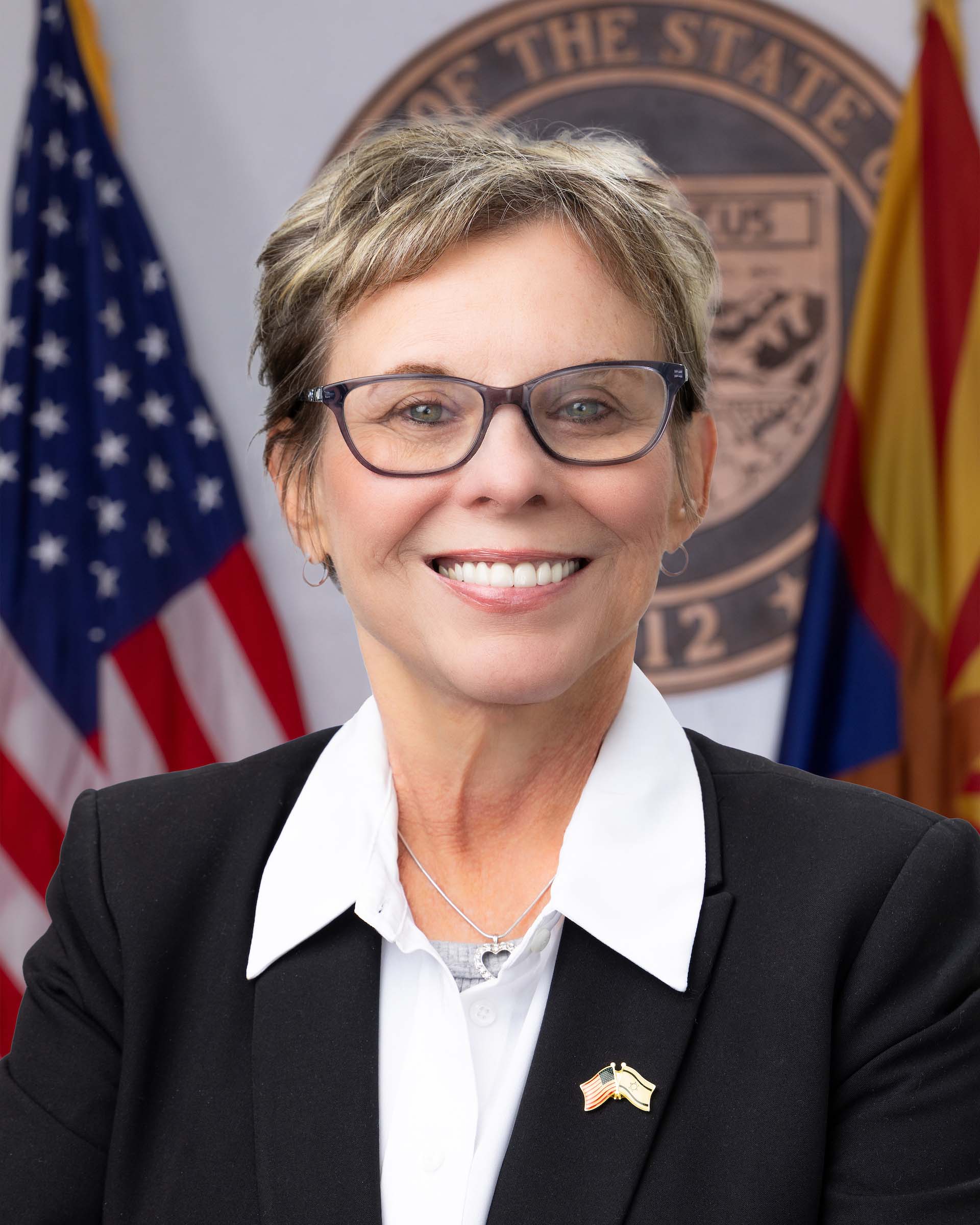
Analise Ortiz
67% support rate
Top opponent
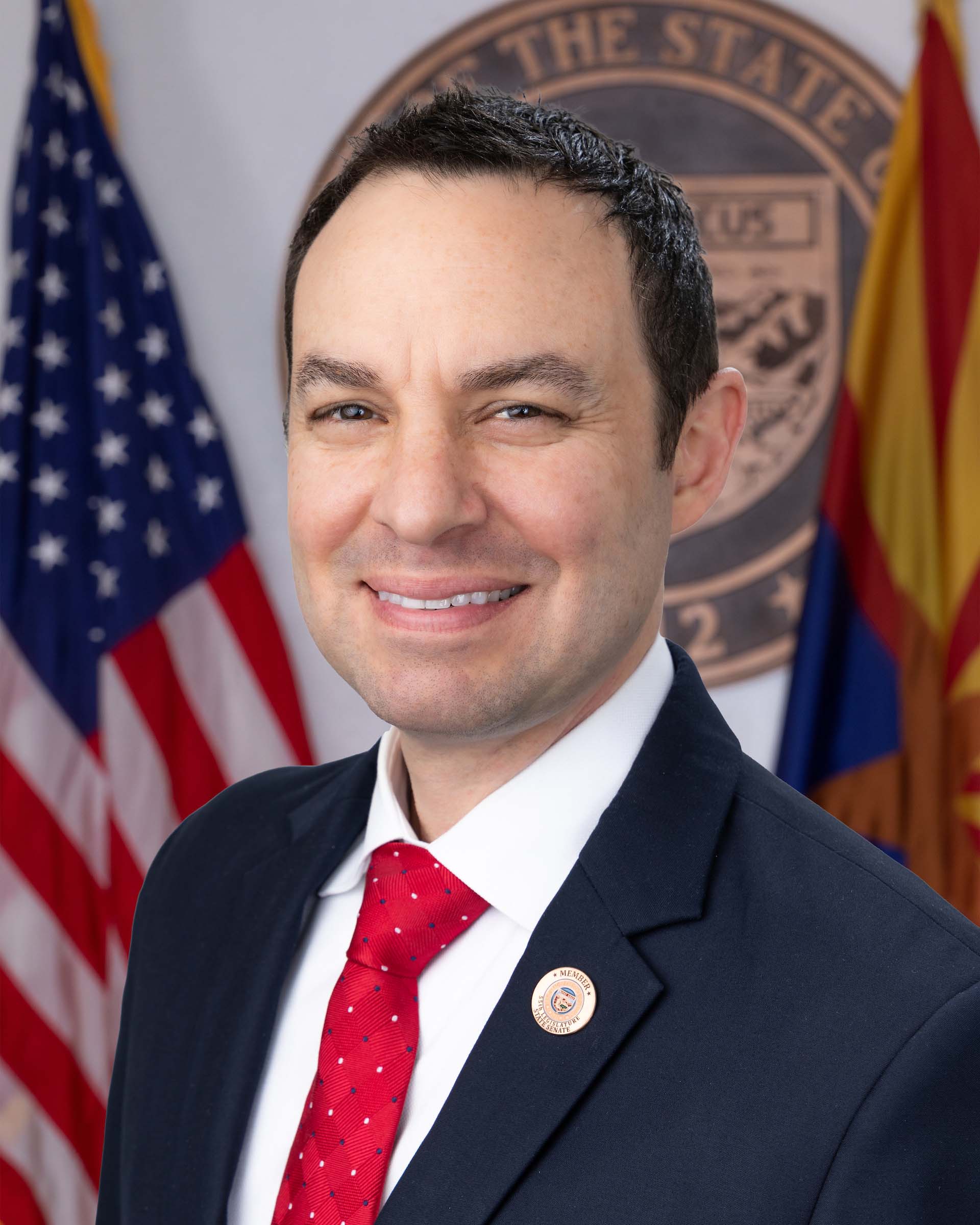
Carine Werner
33% support rate
Ranked legislators
10
5 support · 5 oppose
Key legislators

Who's moving policing in Arizona

Legislators moving policing in Arizona
Legislator Party Stance Support rate Votes
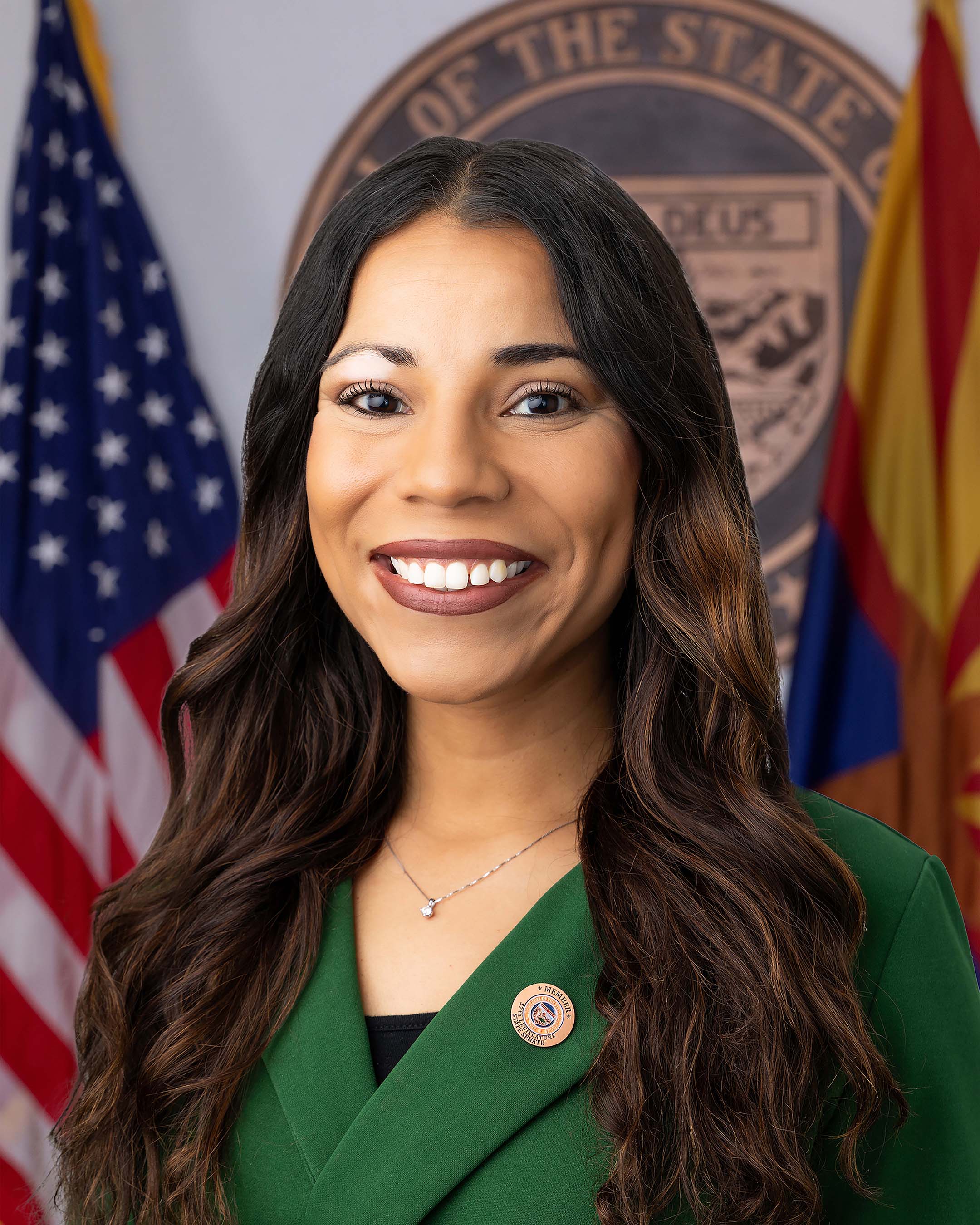
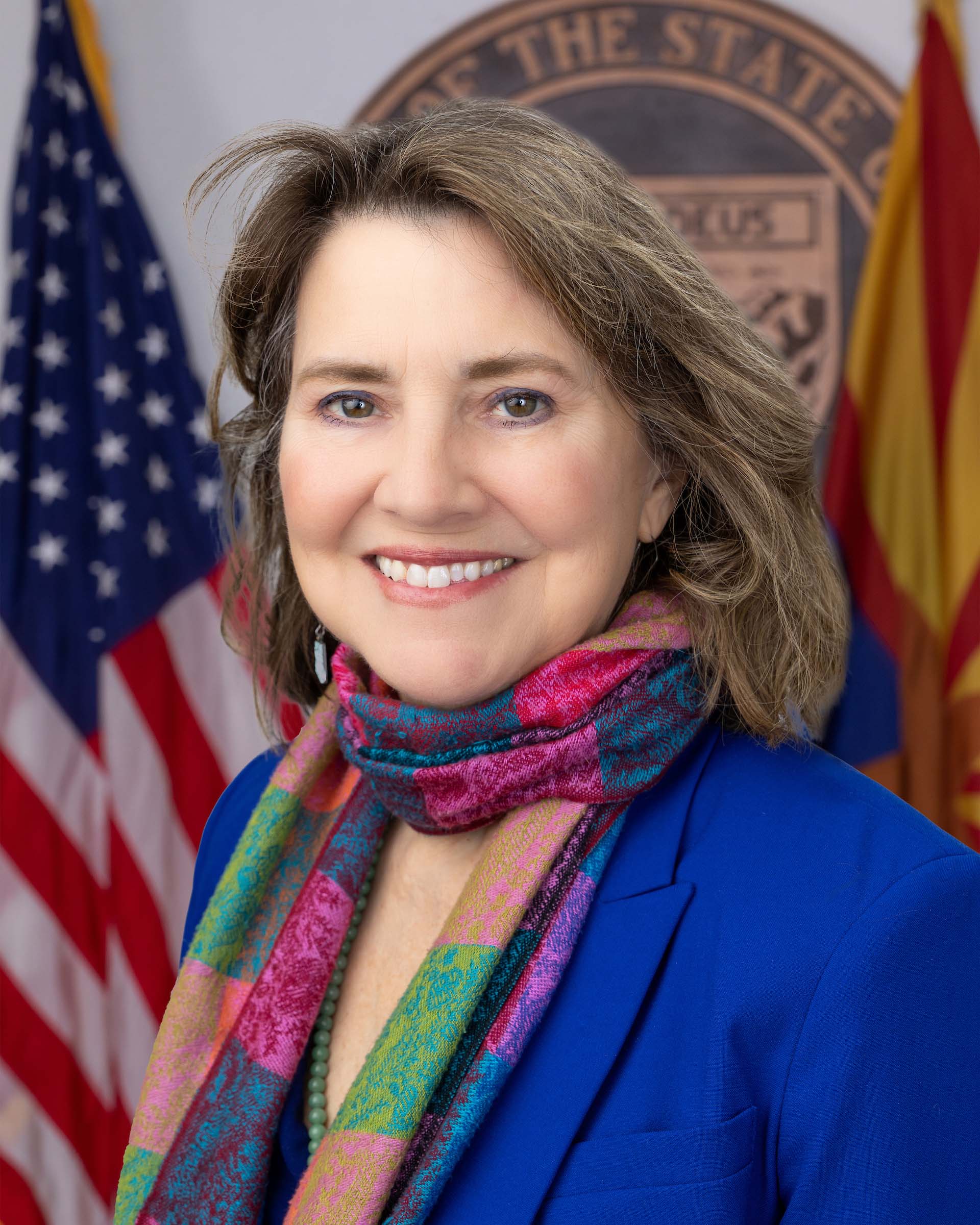
Analise Ortiz
Analise Ortiz Senate · District 24
D
Support
67% 3
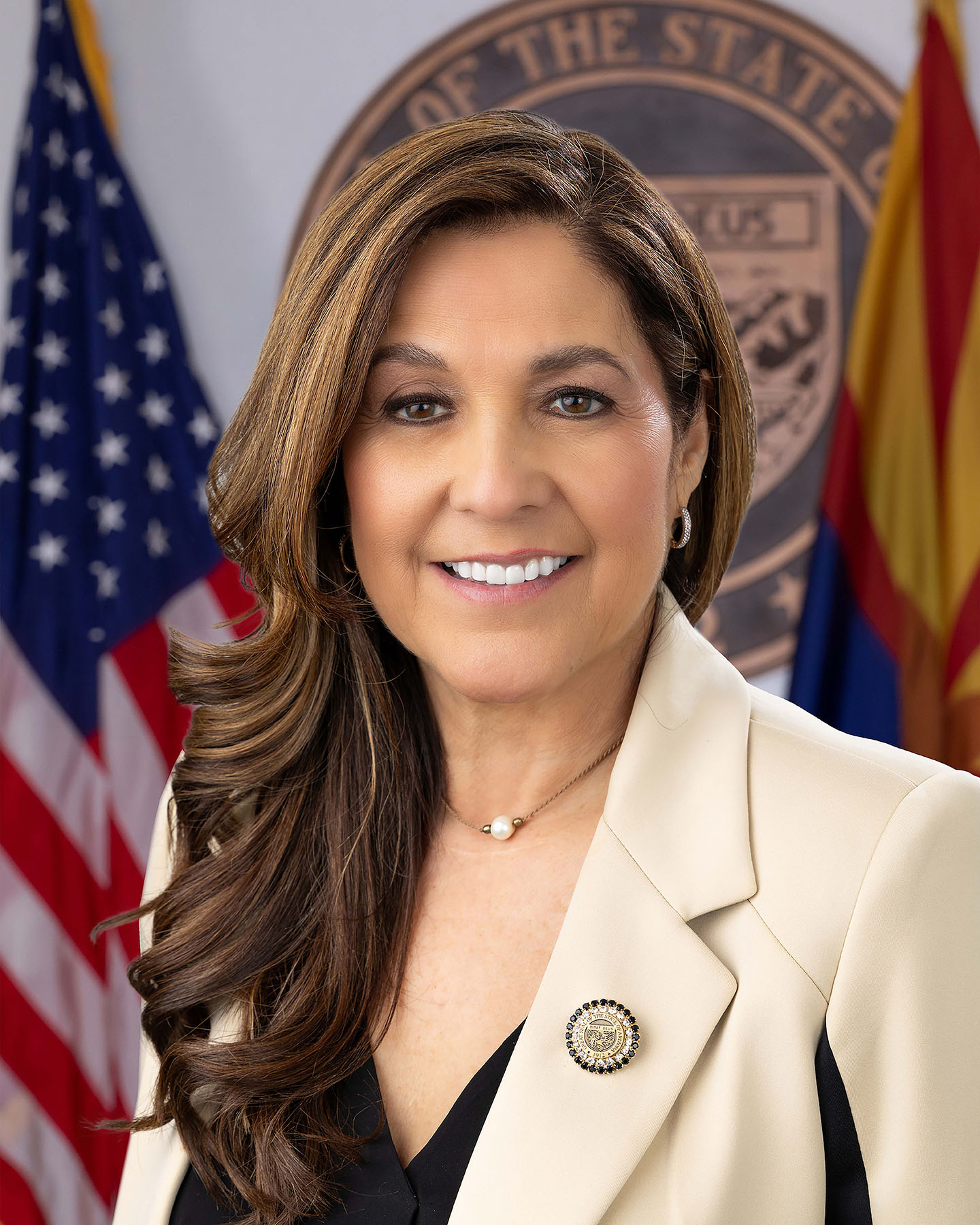
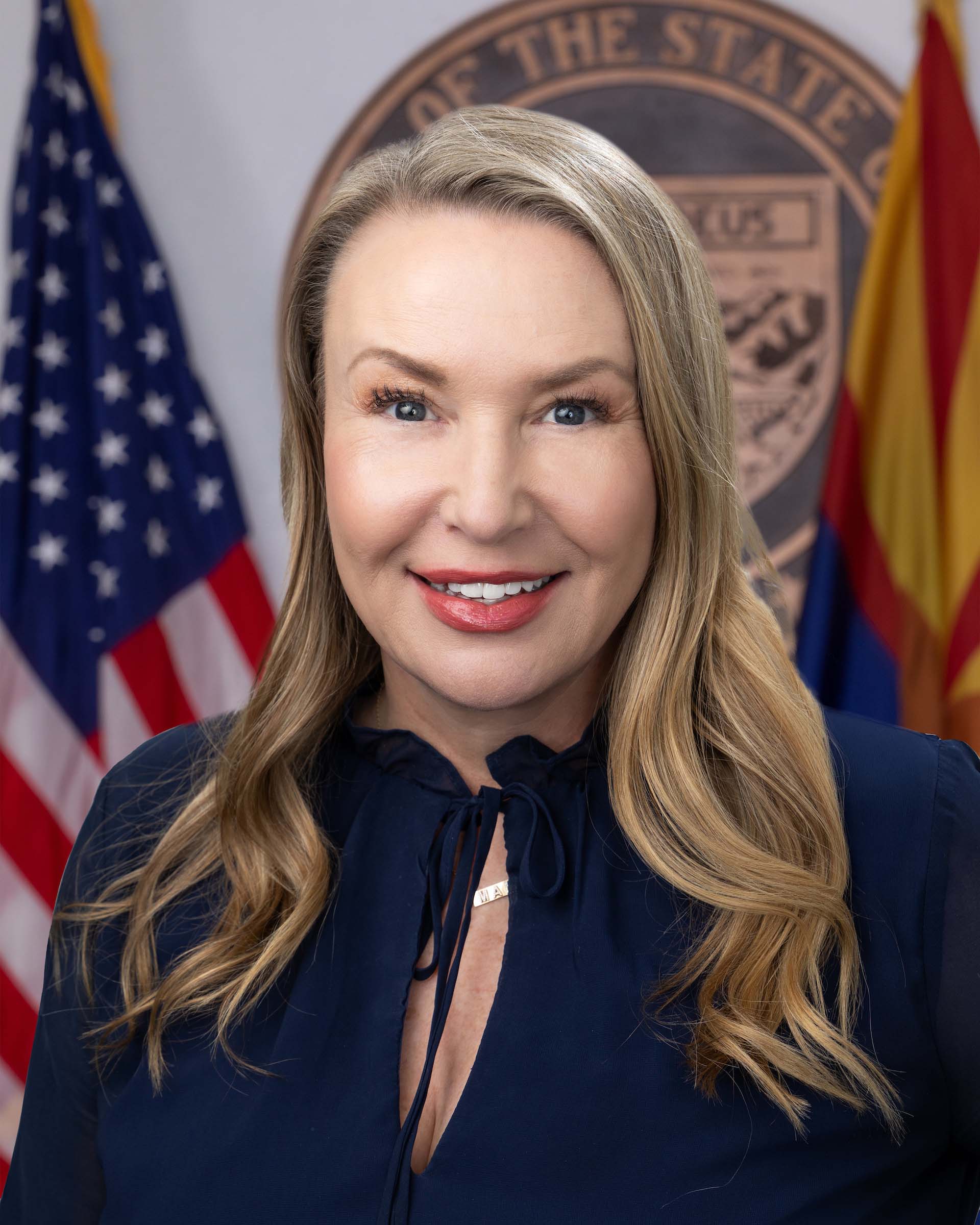
Catherine Miranda
Catherine Miranda Senate · District 11
D
Support
67% 3
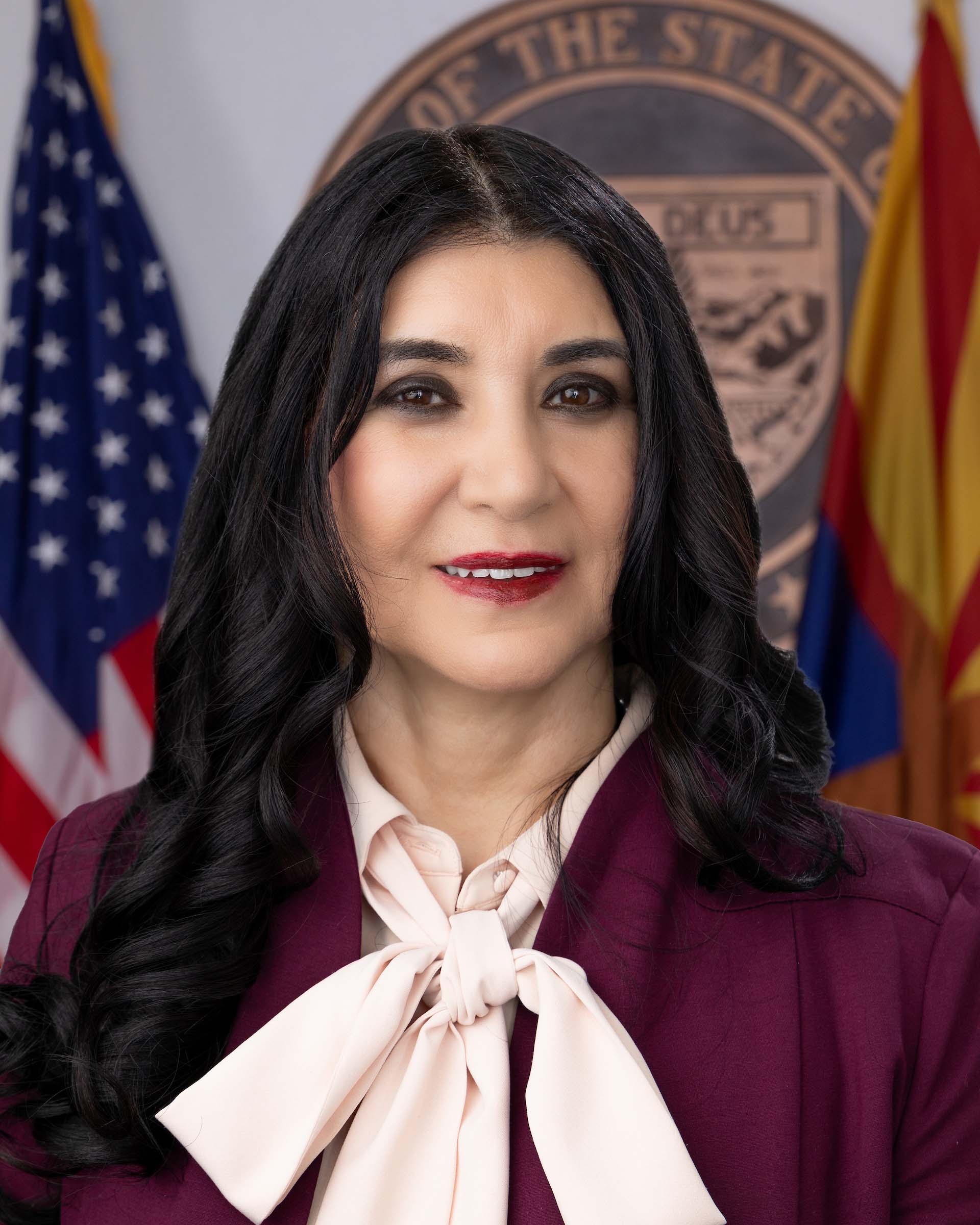
Eva Diaz
Eva Diaz Senate · District 22
D
Support
67% 3
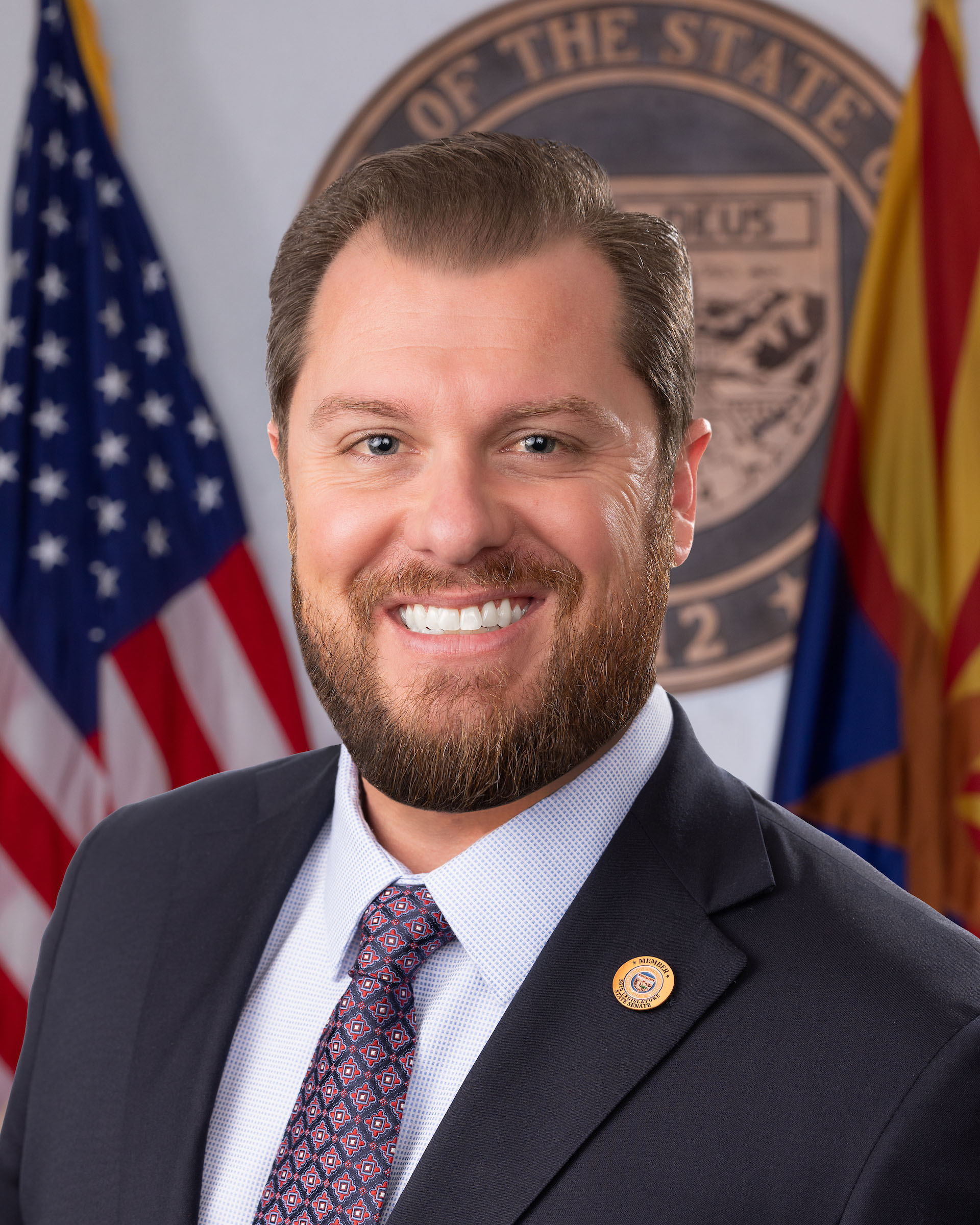
Jake Hoffman
Jake Hoffman Senate · District 15
R
Support
67% 3
Lauren Kuby
Lauren Kuby Senate · District 8
D
Support
67% 3
Carine Werner
Carine Werner Senate · District 4
R
Oppose
33% 3
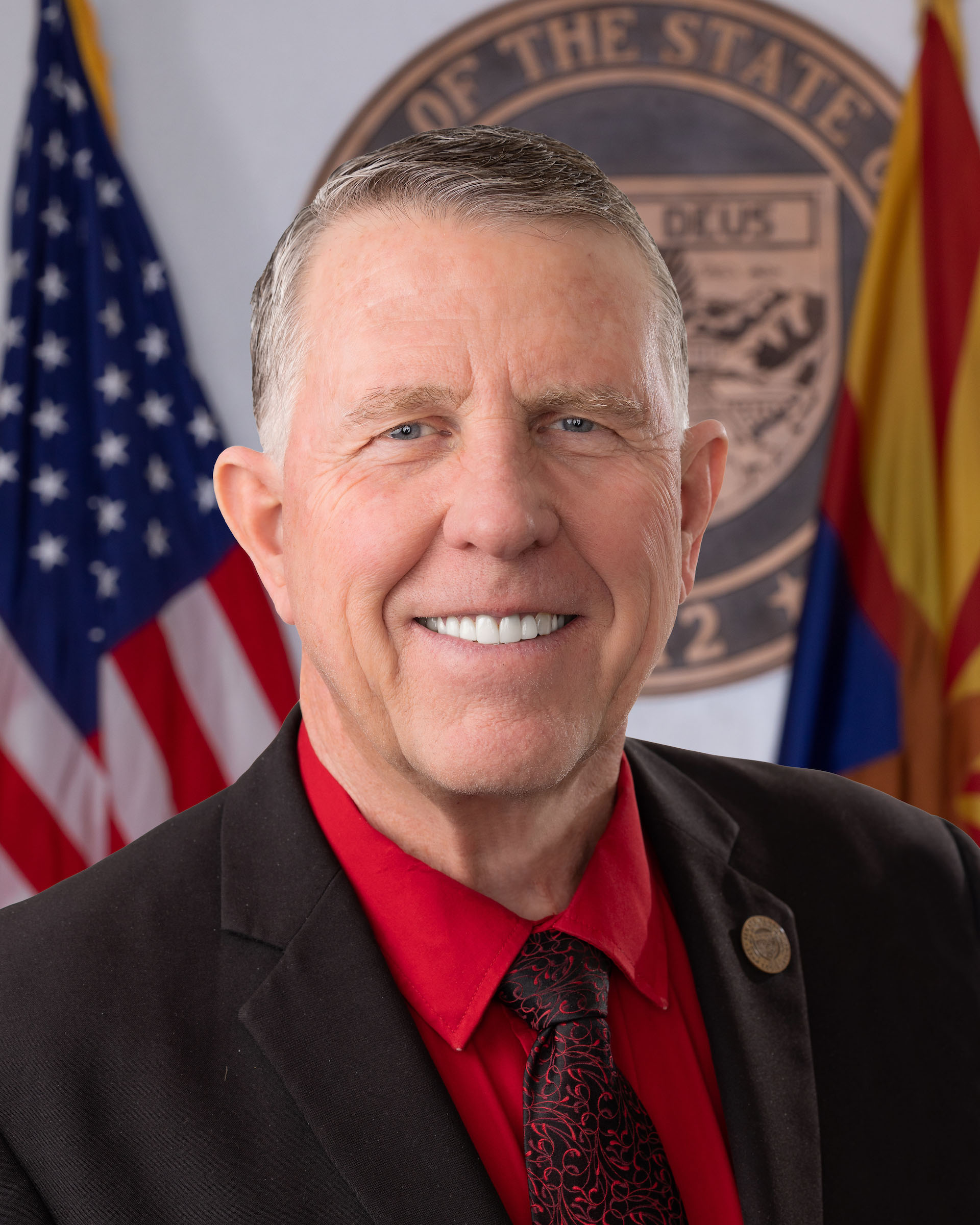
Dave Farnsworth
Dave Farnsworth Senate · District 10
R
Oppose
33% 3
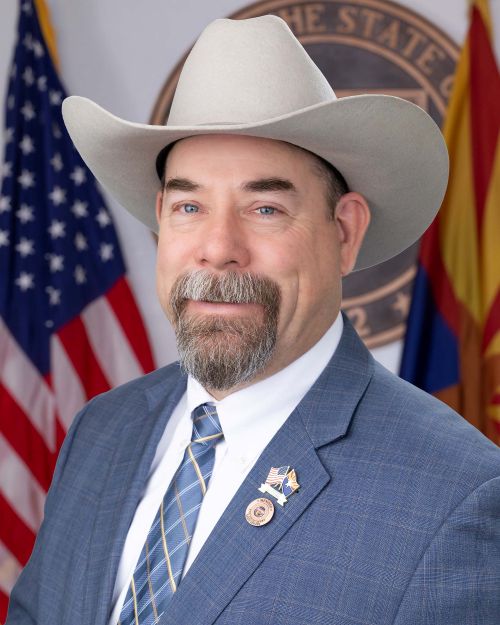
David Gowan
David Gowan Senate · District 19
R
Oppose
33% 3
Hildy Angius
Hildy Angius Senate · District 30
R
Oppose
33% 3
J.D. Mesnard
J.D. Mesnard Senate · District 13
R
Oppose
33% 3
Showing 1–10 of 22 bills

All criminal justice bills

introduced · Arizona · Senate Feb 10, 2026

SB 1773: peace officers; cameras; disclosures; recordings.

Arizona's SB 1773 requires all peace officers in the state to wear body-worn cameras during public contacts starting July 1, 2028, with limited exceptions (e.g., undercover work, court appearances, or avoiding unrelated personal information). The bill mandates camera activation during calls for service or public interactions, imposes disciplinary consequences for intentional failure to activate or tampering with footage - including certification suspension or revocation for misconduct involving civilian deaths - and establishes a 21-day public release timeline for unedited footage in misconduct complaints. It also requires law enforcement agencies to follow state retention schedules and redact sensitive content (like sexual assault footage) to protect privacy while enabling public access. The law applies directly to all local police departments, the Department of Public Safety, and peace officers employed by them.
signed · Arizona · House Jun 22, 2026

HB 2995: domestic relations; domestic violence

HB 2995 modifies Arizona's domestic relations law to prioritize child safety in custody cases involving domestic violence. It creates a rebuttable presumption against granting joint legal decision-making or parenting time to a parent found to have committed domestic violence, requiring courts to consider evidence like police reports, medical records, and shelter documentation. If a parent is found abusive, they must prove parenting time won't endanger the child, and courts can impose conditions such as supervised visits, mandatory counseling, or restrictions on overnight stays. The bill also mandates detailed court findings explaining how domestic violence considerations serve the child's best interests, with the presumption taking priority over other legal standards.
introduced · Arizona · House Feb 11, 2026

HB 4092: peace officers; cameras; disclosures; recordings

HB 4092 requires Arizona peace officers to wear body cameras during public interactions starting July 2028, with exceptions for undercover work, court appearances, or privacy concerns. Officers who fail to activate cameras or tamper with footage face disciplinary action, including certification suspension (up to permanent revocation for incidents involving civilian deaths) and potential termination. The bill also mandates releasing unedited body camera footage within 21 days of misconduct complaints and protecting privacy in sensitive recordings, while requiring law enforcement agencies to follow state-mandated retention schedules.
introduced · Arizona · House Feb 11, 2026

HB 4111: immigration; customs officers; body cameras

HB 4111 requires U.S. Immigration and Customs Enforcement (ICE) officers operating in Arizona to wear body-worn cameras during all public contacts, with limited exceptions (like avoiding unrelated personal information). It mandates that officers register their name and badge number with the state police and prohibits detaining individuals based solely on race, ethnicity, or national origin. Failure to activate cameras or tampering with footage creates a legal presumption of misconduct in civil investigations, with potential discipline up to termination. The bill directly affects ICE officers and the public they interact with, aiming to increase transparency in enforcement actions.
introduced · Arizona · Senate Feb 10, 2026

SB 1796: DNA match tracking system; DPS

SB 1796 creates a statewide electronic DNA match tracking system in Arizona, requiring all law enforcement agencies (including municipal police, county sheriffs, and the Department of Public Safety) and prosecutors that submit DNA evidence to accredited crime labs to use it. The system automatically routes DNA match notifications from crime labs to relevant agencies, mandates reviews within five business days, and requires case updates - including whether matches relate to active investigations, investigative actions, or case closures - within 60 days of review. All data must comply with privacy laws, and information stored in the system cannot be used as evidence in court. Starting December 31, 2027, the Department of Public Safety must submit annual reports detailing system performance, including match counts, response times, and recommendations for improvement.
introduced · Arizona · House Jan 20, 2026

HB 2238: appropriation; Apache Junction; public safety

HB 2238 allocates $14.5 million in state funds for public safety infrastructure upgrades in Apache Junction and the Superstition area during fiscal year 2026-2027. It provides $5.5 million for the Apache Junction police department's headquarters expansion, $7 million for modernizing Superstition Fire and Medical District's Station 265, and $2 million for police radio interoperability upgrades. The bill directly funds specific physical infrastructure and technology improvements for these local public safety agencies. This is a straightforward funding allocation with no new policy requirements or regulations.
Sub-Topics Appropriations Policing Tags Public Safety
introduced · Arizona · House Jun 13, 2026

HB 2977: law enforcement; face coverings; prohibition..

Arizona's HB 2977 prohibits law enforcement officers from wearing face coverings that conceal their face while on duty. It requires all law enforcement agencies (including police departments, sheriff's offices, and state agencies) to create and publicly post policies emphasizing transparency, with exceptions for medical masks, safety gear like helmets during tactical operations, or authorized undercover work. The law defines "facial covering" broadly but excludes items like clear masks, medical masks, or safety equipment necessary for health or physical safety. It applies to all sworn officers across Arizona's public law enforcement entities.
introduced · Arizona · Senate Feb 11, 2026

SB 1581: appropriations; public safety equipment

SB 1581 allocates $328,000 to Flagstaff Police, $660,000 to Glendale Police, and other specific funds from Arizona's peace officer training equipment fund for public safety training simulators and pepper ball equipment. The bill directs funding to 29 police departments and sheriff's offices across Arizona, including Tucson Police ($200,000 for pepper balls) and Yuma Police ($121,434 for pepper balls). It requires simulator funds to teach de-escalation tactics, specifically including training for individuals who are deaf/hard of hearing, have autism, or experience mental illness. The bill is purely procedural funding with no new policy provisions, as it specifies existing equipment purchases for current training programs.
introduced · Arizona · House Jan 28, 2026

HB 2345: unlawful presence; commercial vehicle; forfeiture

This Arizona bill makes it a class 5 felony to possess a fake commercial driver's license if your presence in the U.S. isn't authorized under federal law. If someone violates this while operating a commercial vehicle, police can seize and sell the vehicle. Employers who knowingly hire such individuals must pay a civil penalty equal to the vehicle's fair market value. All money from fines and vehicle sales goes to Arizona's highway user revenue fund.
introduced · Arizona · House Jan 28, 2026

HB 2922: obstructing criminal investigations; homeowner exemption

HB 2922 amends Arizona law to exempt homeowners from obstruction charges when refusing police entry to their residential property. Specifically, it removes the criminal penalty for a residential property owner who declines to open a door to a peace officer seeking entry. The bill does not affect commercial properties or alter police authority to obtain warrants for searches. This change directly impacts homeowners who may refuse entry during routine police inquiries without facing felony charges under the obstruction statute.
Showing 1 to 10 of 22 bills
1 2 3 Next