Issue · Healthcare

Healthcare (Public Health)

Every healthcare bill, vote, and legislator stance in Arizona, automatically classified by Maddy, our AI policy reader.

Total bills
19
57th Legislature - Second Regular Session
Top supporter
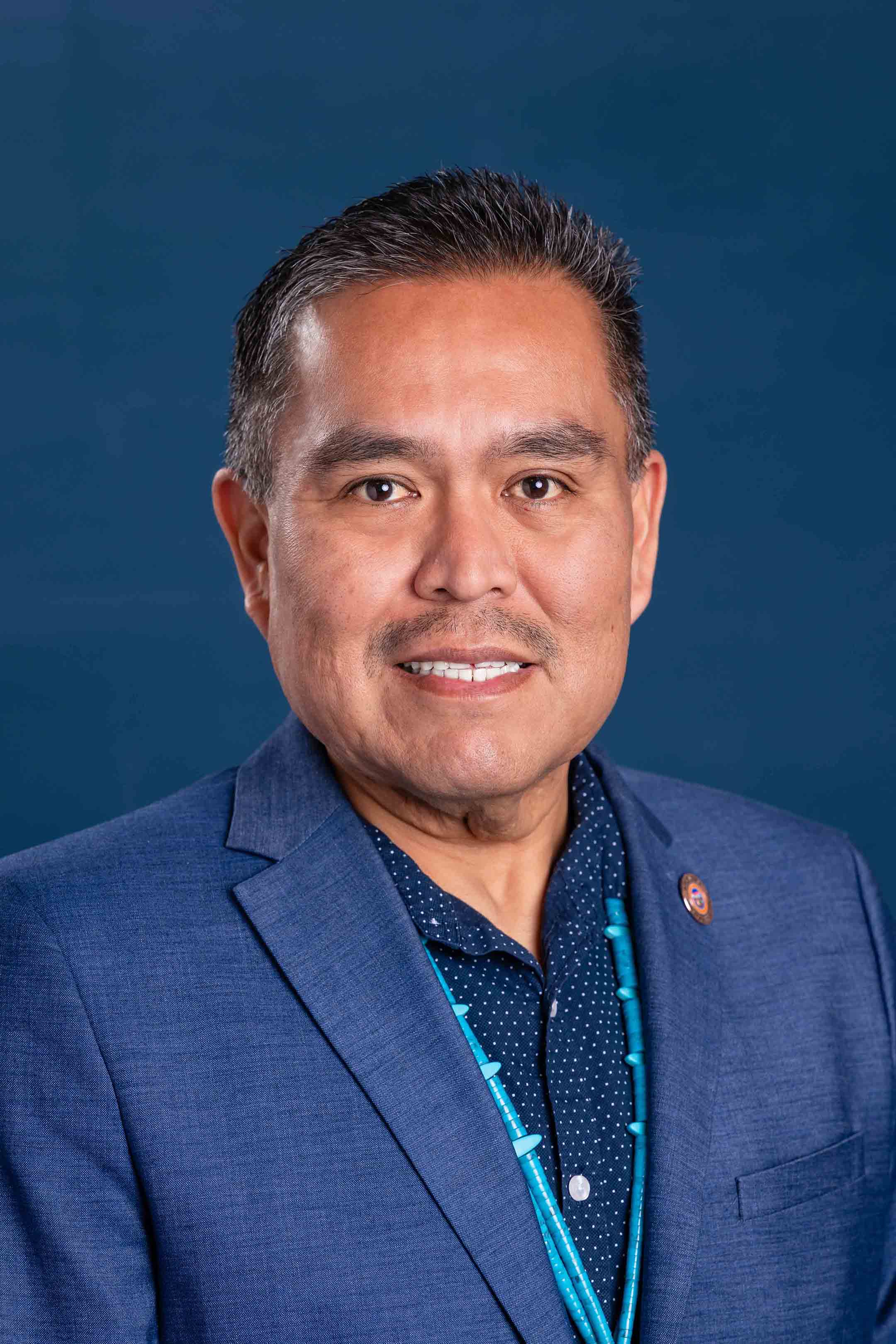
Myron Tsosie
100% support rate
Top opponent
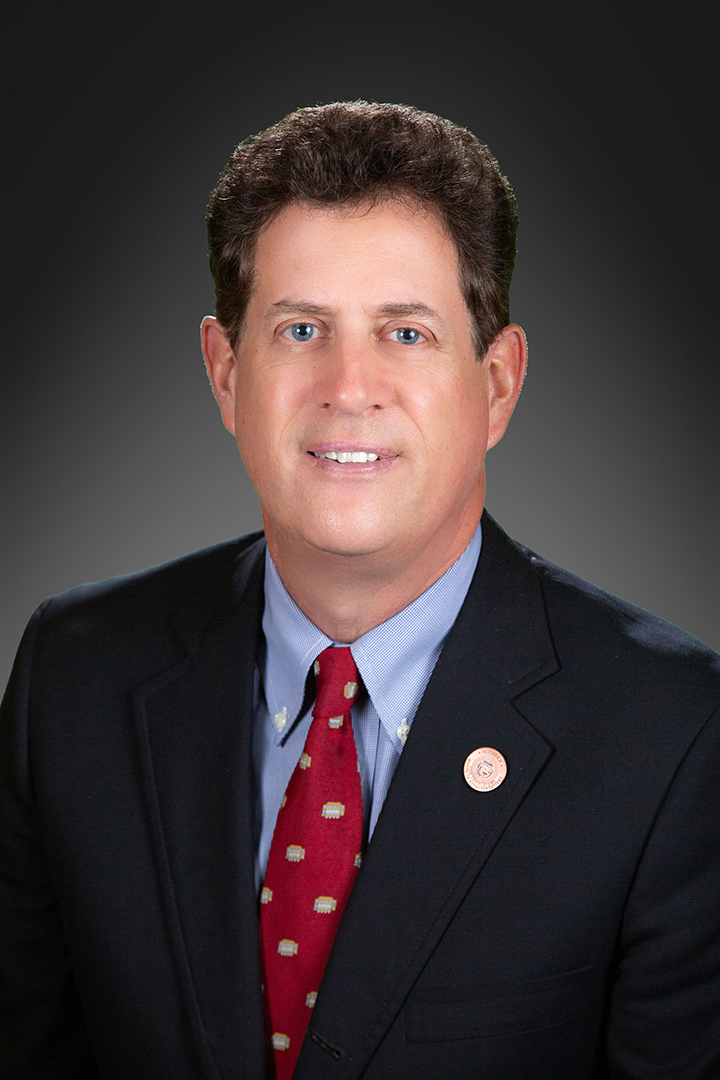
Michael Way
0% support rate
Ranked legislators
10
5 support · 5 oppose
Key legislators

Who's moving public health in Arizona

Legislators moving public health in Arizona
Legislator Party Stance Support rate Votes
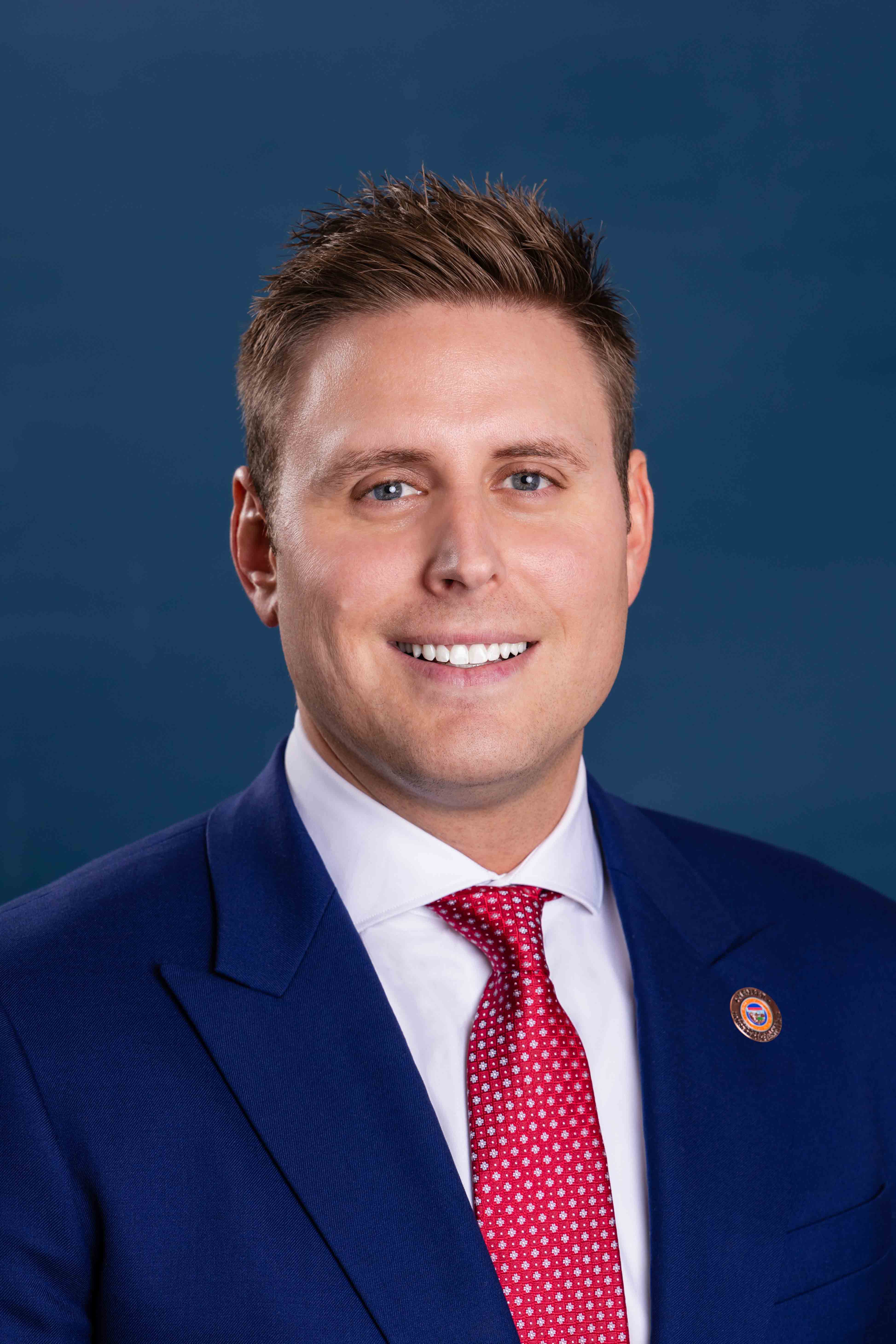
Myron Tsosie
Myron Tsosie House · District 6
D
Strong +
100% 7
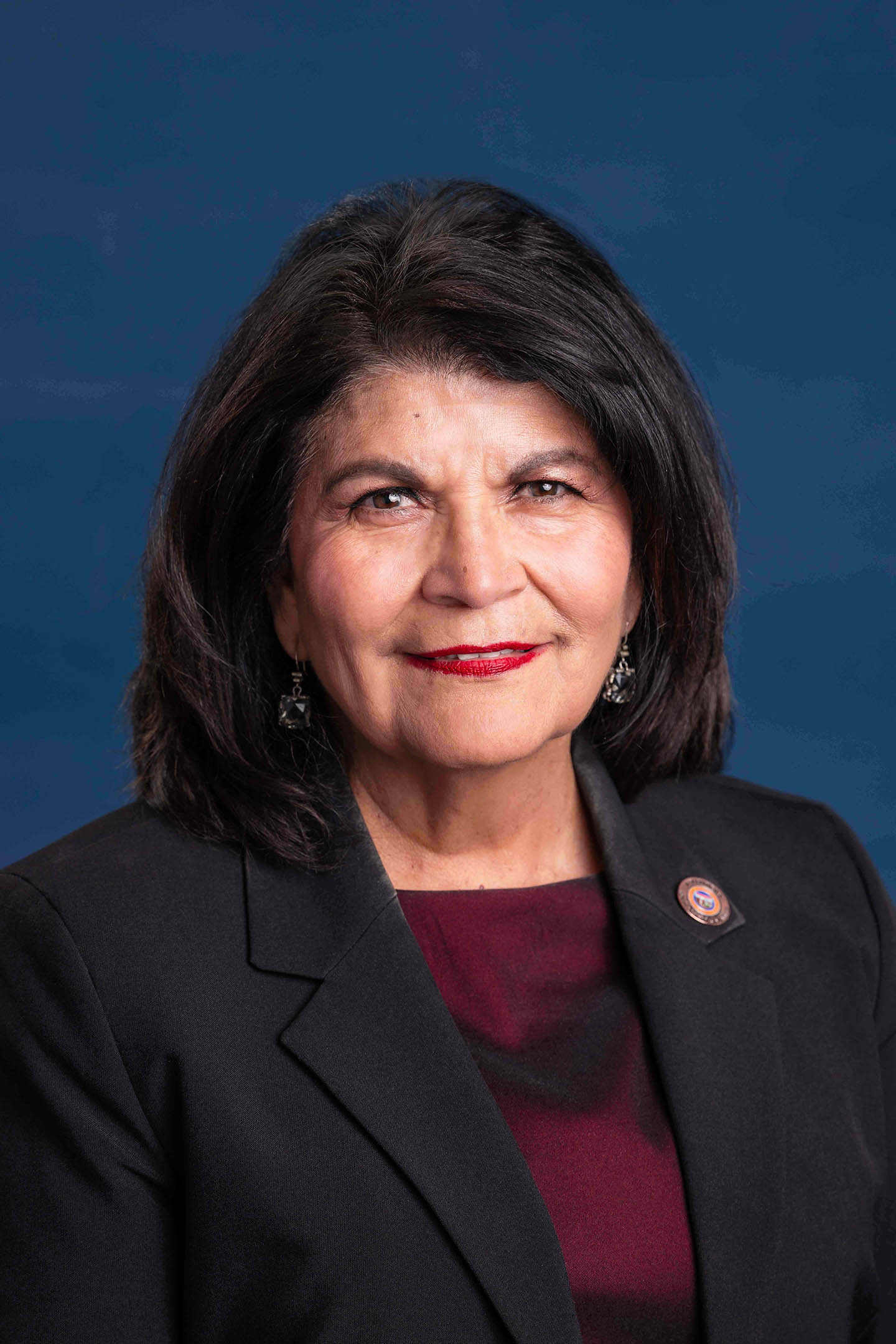
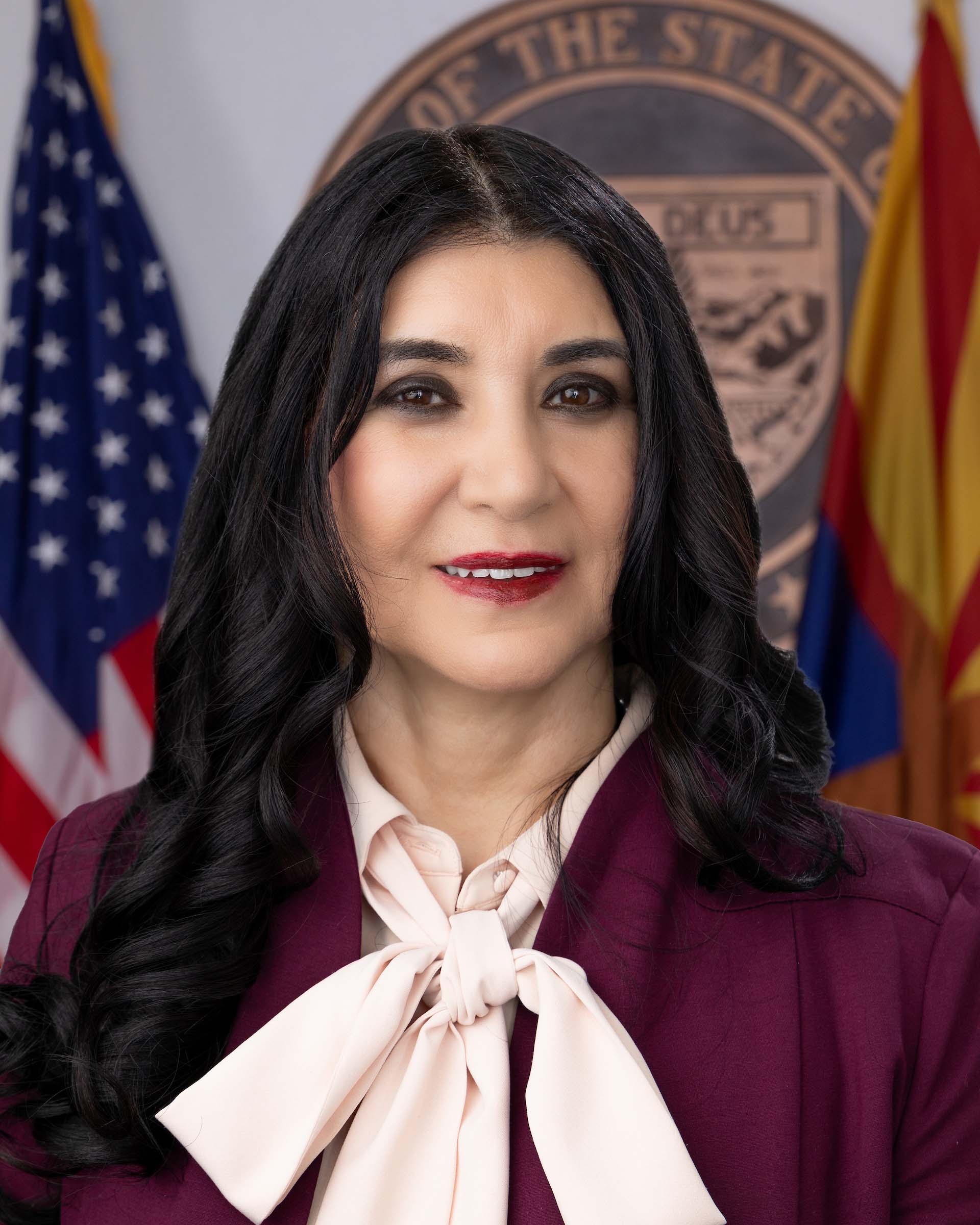
Nancy Gutierrez
Nancy Gutierrez House · District 18
D
Strong +
100% 4
Betty Villegas
Betty Villegas House · District 20
D
Strong +
88% 8
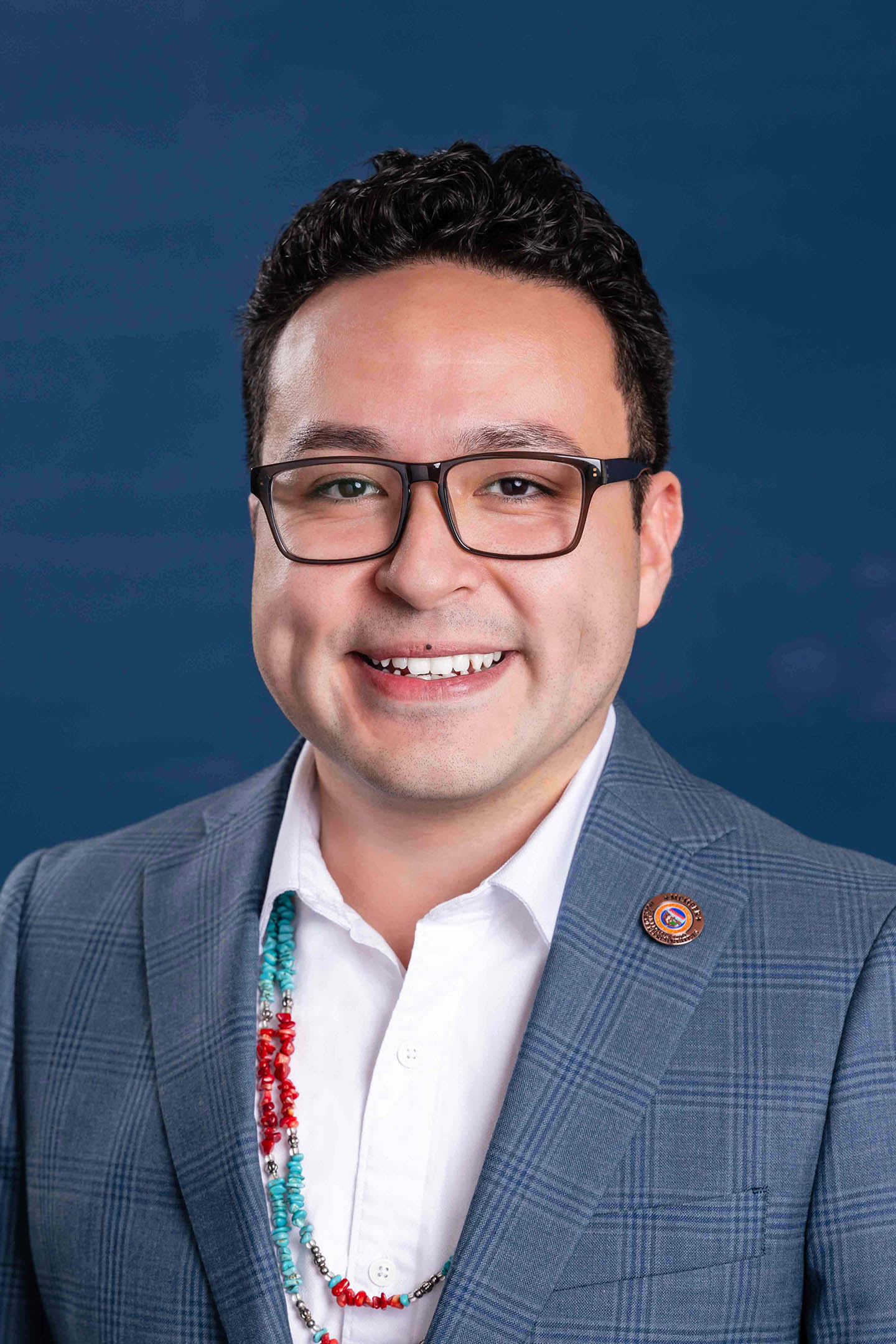
Brian Garcia
Brian Garcia House · District 8
D
Strong +
88% 8
Chris Mathis
Chris Mathis House · District 18
D
Strong +
88% 8
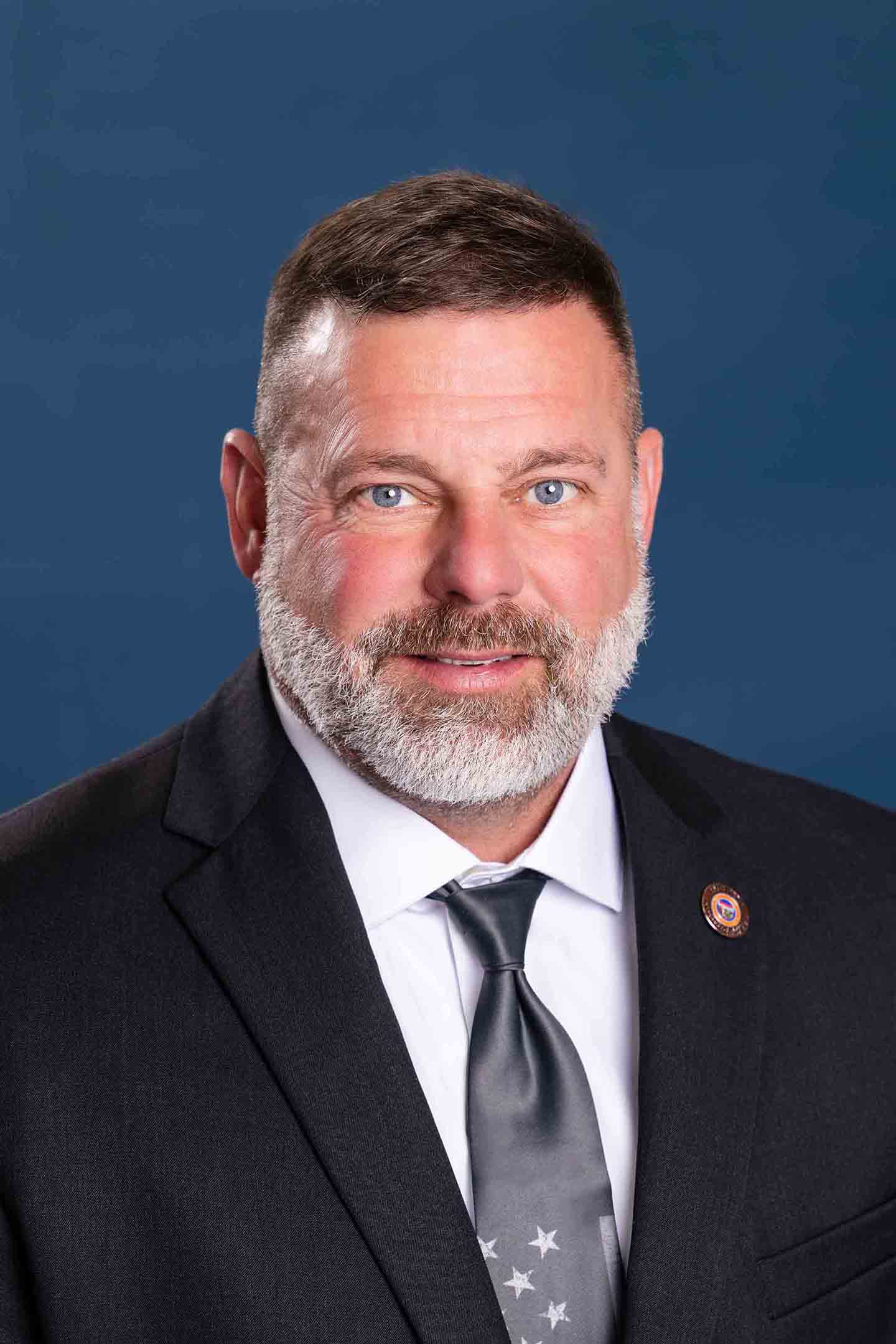
Michael Way
Michael Way House · District 15
R
Strong −
0% 6
Eva Diaz
Eva Diaz Senate · District 22
D
Strong −
20% 5
Beverly Pingerelli
Beverly Pingerelli House · District 28
R
Oppose
25% 8
John Gillette
John Gillette House · District 30
R
Oppose
25% 8
Julie Willoughby
Julie Willoughby House · District 13
R
Oppose
25% 8
Showing 1–10 of 19 bills

All healthcare bills

signed · Arizona · House Jun 13, 2026

HB 4160: health care; 2026-2027

This bill establishes rules for overdose and disease prevention programs in Arizona, allowing cities, counties, and local health departments to operate services that provide free needles, naloxone for overdose reversal, and referrals to treatment. The legislation requires these programs to offer educational materials on preventing infections and injuries while mandating that the number of needles disposed of equals the number distributed to ensure safety. Additionally, the bill creates a new fund to support rural health initiatives, requiring the state to hold public meetings in major metropolitan areas to gather community input before spending the allocated money. Finally, it explicitly prohibits the use of opioid settlement funds to finance safer smoking equipment, clarifying that such funds cannot be used for tools designed to reduce health risks associated with inhaling drugs.
in committee · Arizona · Senate Jun 11, 2026

SB 1853: health care; 2026-2027.

This bill updates Arizona laws to regulate overdose and disease prevention programs and establishes a new fund for rural health improvements. It allows cities and organizations to run programs that provide free needles, naloxone kits, and educational materials to reduce disease spread and encourage drug treatment enrollment. The legislation also prohibits the use of opioid settlement funds to finance safer smoking equipment for drug users. Additionally, it creates the Arizona Rural Health Transformation Fund, which requires the state to hold public meetings in northern, central, and southern regions before spending money received from federal rural health grants.
introduced · Arizona · Senate Feb 9, 2026

SB 1769: adult immunizations; reporting requirements

SB 1769 requires licensed healthcare providers in Arizona to report specific adult immunization data to the state health department, directly affecting providers who administer vaccines to adults. Key provisions mandate reporting the adult patient's name, address, Social Security number (if not confidential), date of birth, vaccine type, and administration date, with submissions possible weekly or monthly. The bill strictly limits data sharing, allowing access only to authorized entities like healthcare providers, schools, or patients themselves via a signed confidentiality request form, and prohibits unauthorized disclosure. It includes confidentiality protections for the data and establishes penalties for noncompliance or improper sharing. This policy change creates a standardized reporting system for adult vaccination records while prioritizing patient privacy.
Sub-Topics Public Health
introduced · Arizona · House Feb 11, 2026

HB 2994: healthy Arizona study committee

HB 2994 establishes the Healthy Arizona Study Committee to examine sugary beverage consumption impacts on public health and state finances. The committee, composed of 11 appointed members including health experts, tribal representatives, small business advocates, and legislative leaders, will gather input from stakeholders and assess policies to reduce sugary drink consumption. It must identify potential funding sources for such policies and submit a final report to state leaders by December 1, 2026. The committee expires on September 30, 2027, and its work is purely advisory, with no immediate policy changes enacted. This bill directly affects Arizona residents by potentially informing future health initiatives.
Sub-Topics Public Health
signed · Arizona · House Jun 4, 2026

HB 2096: forgivable financial assistance; cesspool remediation

HB 2096 creates a program for Arizona counties to receive **forgivable financial assistance** from the Water Infrastructure Finance Authority to remediate cesspools posing risks to water quality, groundwater, or public health. It directly affects counties with high-risk cesspools, prioritizing projects in groundwater vulnerability zones, near surface waters, or in low-to-moderate income communities. Key provisions include: forgivable principal (no repayment required) for replacing cesspools with approved on-site systems or sewer connections, no voter approval needed for this assistance (unlike standard loans), and mandatory coordination with the Department of Environmental Quality. Counties must use funds exclusively for eliminating existing cesspools and cannot apply income-based eligibility to abandoned properties. The bill is proposed legislation (prefiled in 2025) and not yet enacted.
introduced · Arizona · Senate Jun 12, 2026

SB 1574: immunization rates; disclosure; public schools

SB 1574 requires Arizona public schools to provide parents with the most recent school-wide immunization rates upon request. It directly affects parents of students in public schools and school districts or charter schools. The bill mandates disclosure of aggregated (grouped) rates reported to the health department, not individual student data. This ensures parents can access school-level vaccination statistics while protecting student privacy through the explicit exclusion of personally identifiable information.
Sub-Topics Public Health
introduced · Arizona · House Jan 21, 2026

HB 2627: workers' rights; public health emergency

HB 2627 creates new protections for workers during public health emergencies in Arizona. It prohibits employers from retaliating against workers who report health/safety concerns, wear higher-level personal protective equipment (like masks recommended by health agencies), or refuse forced confidentiality agreements about workplace hazards. Employers must post notices of these rights and face civil penalties of at least $100 per day for violations, with options for reinstatement or back pay if workers are fired for exercising these rights. The law applies to most employers and entities contracting with five or more independent contractors, enforced by the state Labor Department.
in committee · Arizona · House Feb 16, 2026

HB 2904: sovereign authority; border; health crisis

HB 2904 declares Arizona's policy that the state must protect itself from drug cartels and federal border security failures, defining "drug cartel" to include human smuggling and fentanyl trafficking, and labeling border fentanyl trafficking a public health crisis. It states Arizona's laws should prioritize state sovereignty against "unlawful invasion" at the border (defined as cartel activities) and requires the state health department to address fentanyl-related overdose deaths. The bill does not create new funding, enforcement, or programs - it makes declaratory statements about policy and definitions. This is a procedural declaration, not a substantive law change.
vetoed · Arizona · Senate Jun 19, 2026

SB 1212: health insurance; reimbursement rates; vaccines

SB 1212 prohibits Arizona health insurance companies from reimbursing health care providers at different rates based on a patient's vaccination status. Effective January 1, 2027, the law applies to all health insurance plans sold in Arizona and directly affects insurers, health care providers (like doctors and clinics), and patients covered by those plans. It requires that reimbursement rates remain uniform regardless of whether a patient has received vaccines, eliminating differential payments tied to vaccination status. The bill changes existing reimbursement practices by mandating equal payment for covered services, irrespective of a patient's immunization history.
vetoed · Arizona · House Jun 19, 2026

HB 2248: medical interventions; prohibition

Arizona's HB 2248, titled the "Arizona Medical Freedom Act," bans businesses, schools, and government entities from requiring medical interventions (like vaccines or treatments) as a condition for services, employment, school attendance, or access to facilities. It specifically prohibits: denying services or entry based on vaccination status, requiring interventions for employment (except for foreign travel requirements), or offering different pay based on whether someone has received a medical intervention. The law includes exceptions for standard workplace safety equipment under industry standards (but excludes pandemic-era mandates like mask requirements) and does not apply to schools operating under parental rights laws. Violations can be enforced by the attorney general, who may seek court orders and recover legal fees.
Sub-Topics Public Health
Showing 1 to 10 of 19 bills
1 2 Next