Issue · Criminal Justice

Criminal Justice

Every criminal justice bill, vote, and legislator stance in Utah, automatically classified by Maddy, our AI policy reader.

Total bills
110
2026 General Session
Top supporter
Lincoln Fillmore
92% support rate
Top opponent
Leah Hansen
9% support rate
Ranked legislators
10
5 support · 5 oppose
Key legislators

Who's moving criminal justice in Utah

Legislators moving criminal justice in Utah
Legislator Party Stance Support rate Votes
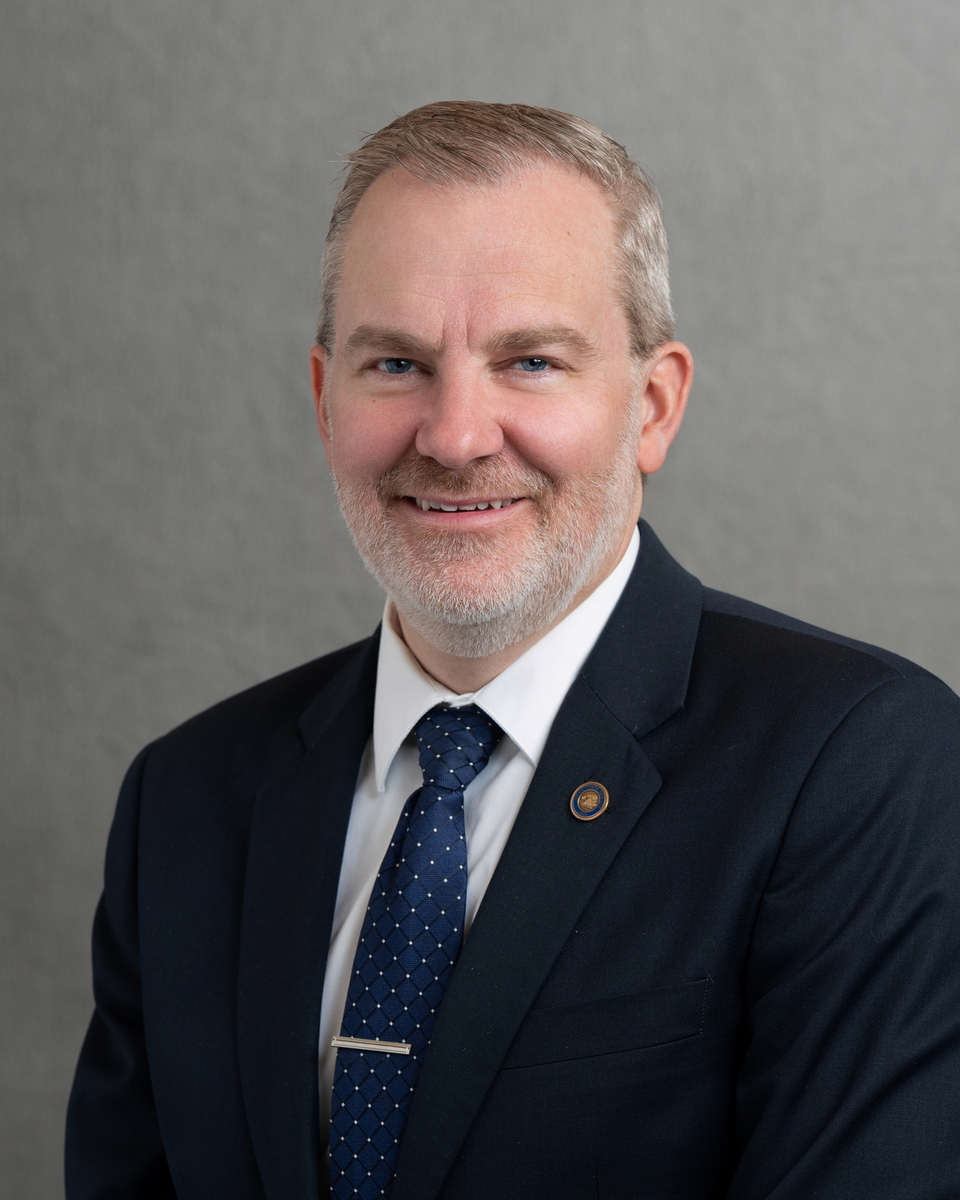
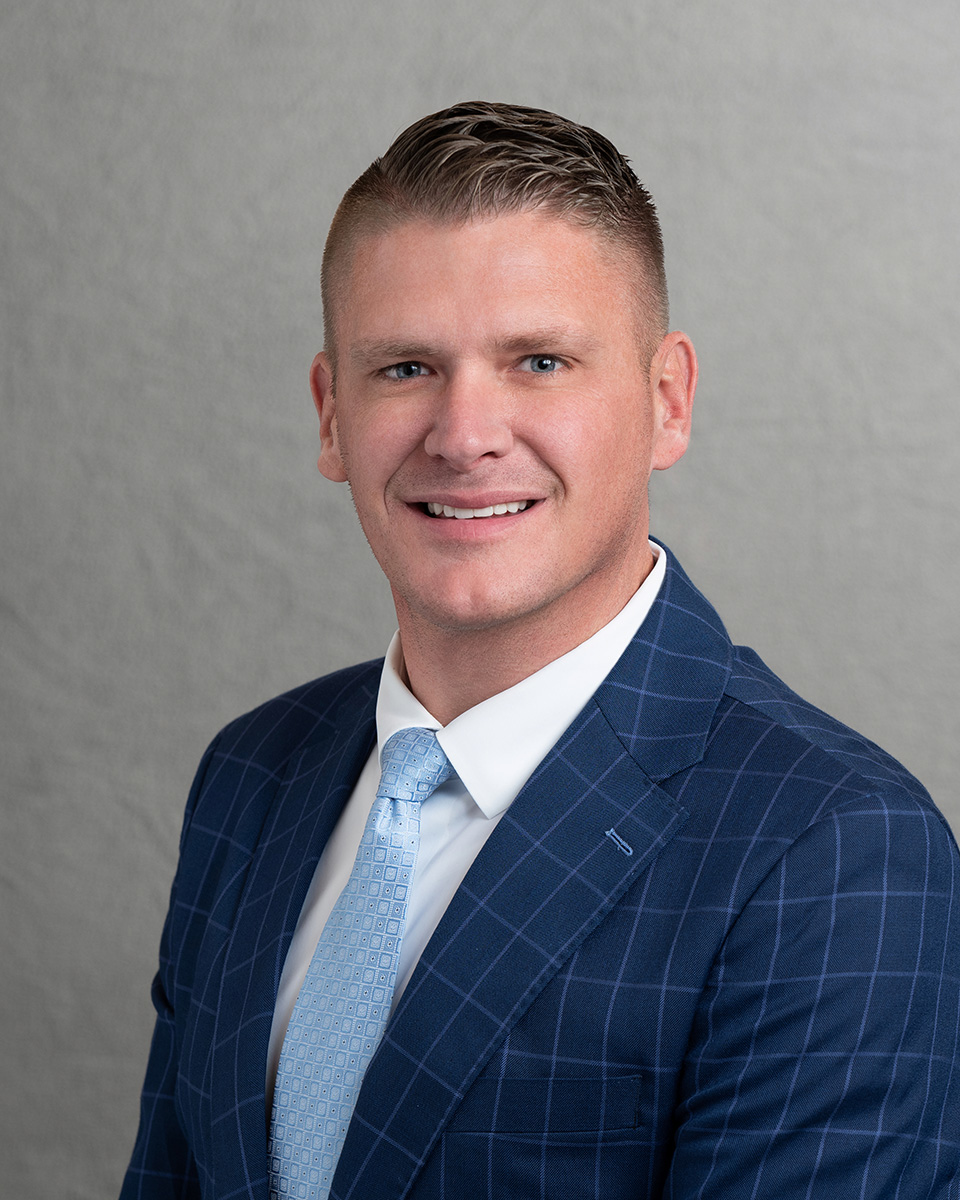
Lincoln Fillmore
Lincoln Fillmore Senate · District 17
R
Strong +
92% 79
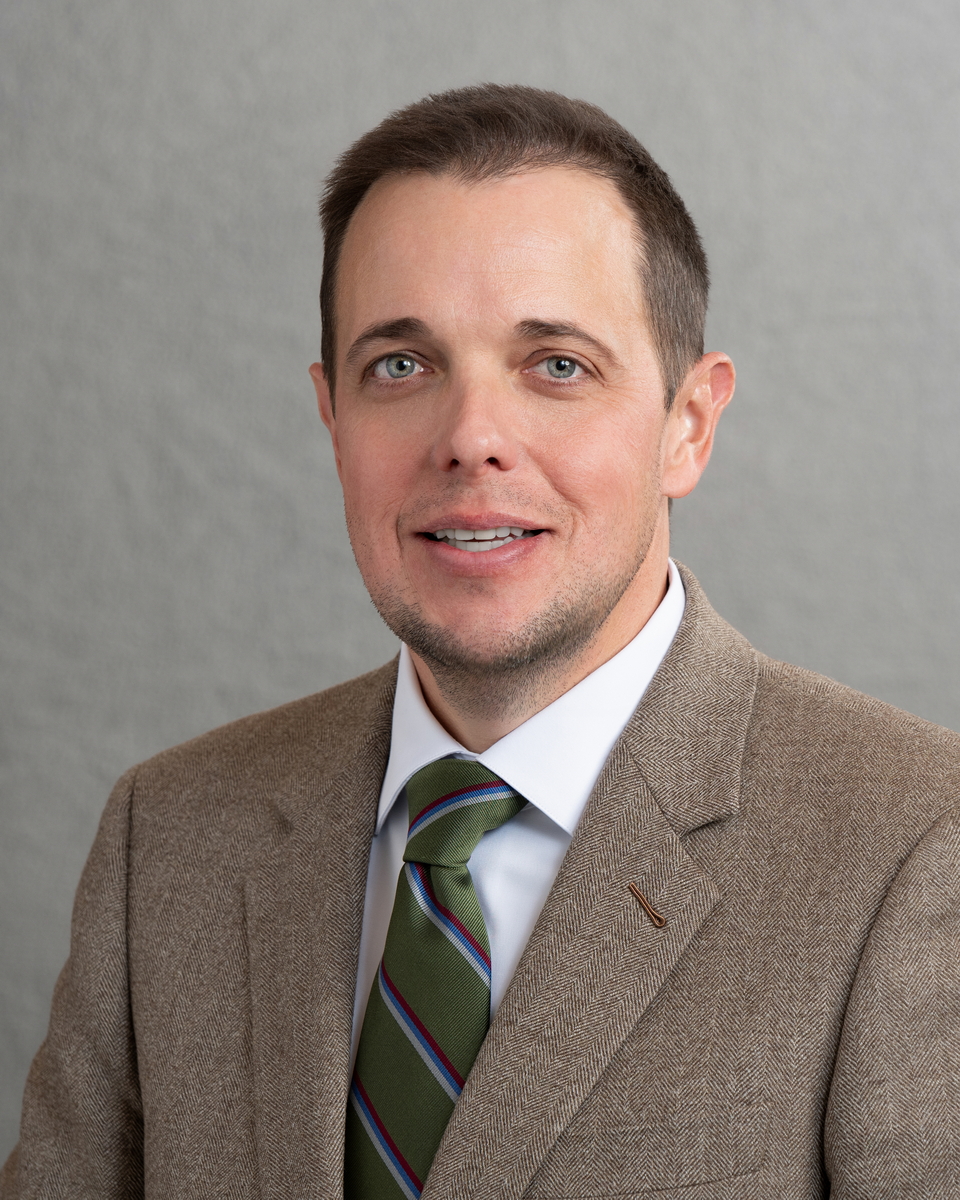
Bridger Bolinder
Bridger Bolinder House · District 29
R
Strong +
91% 59
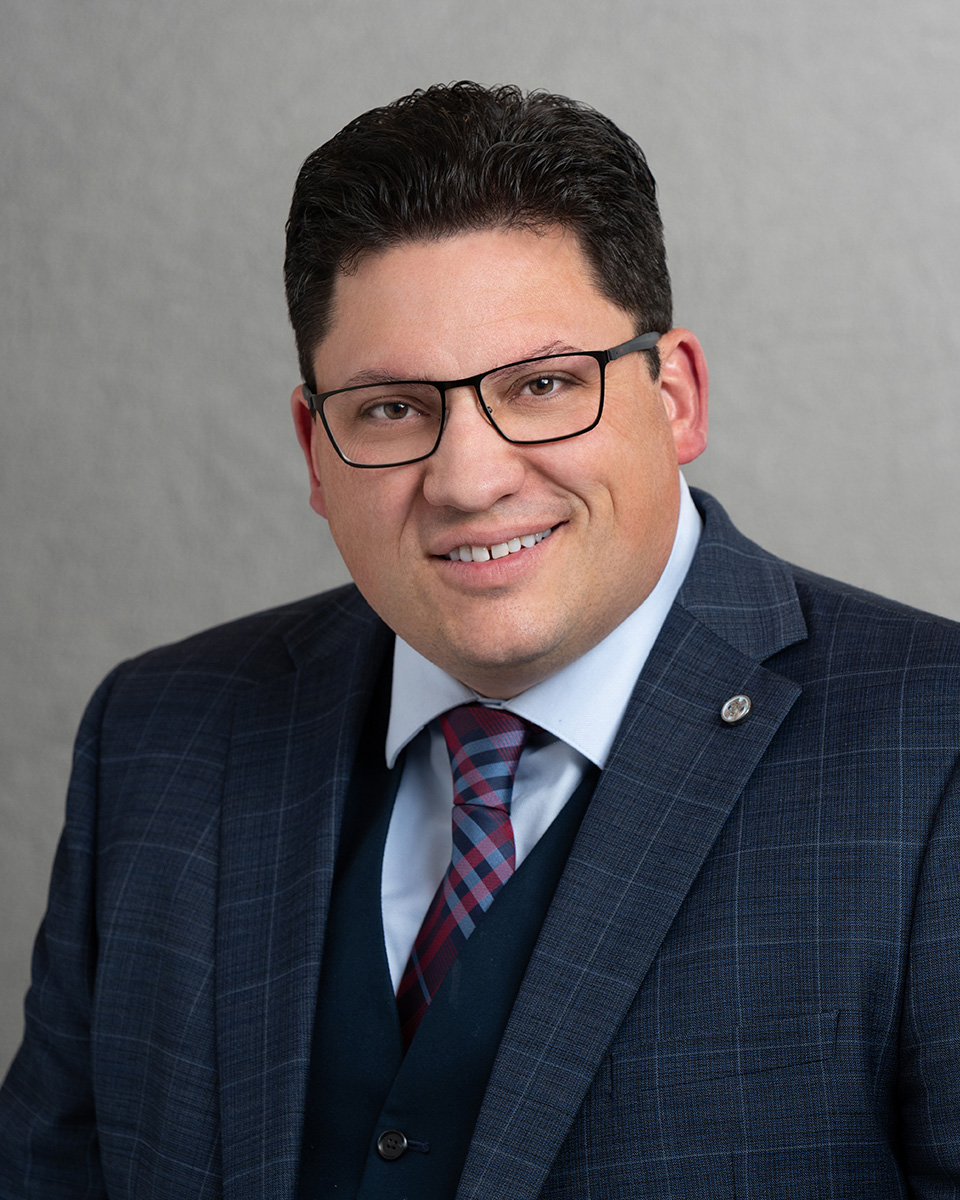
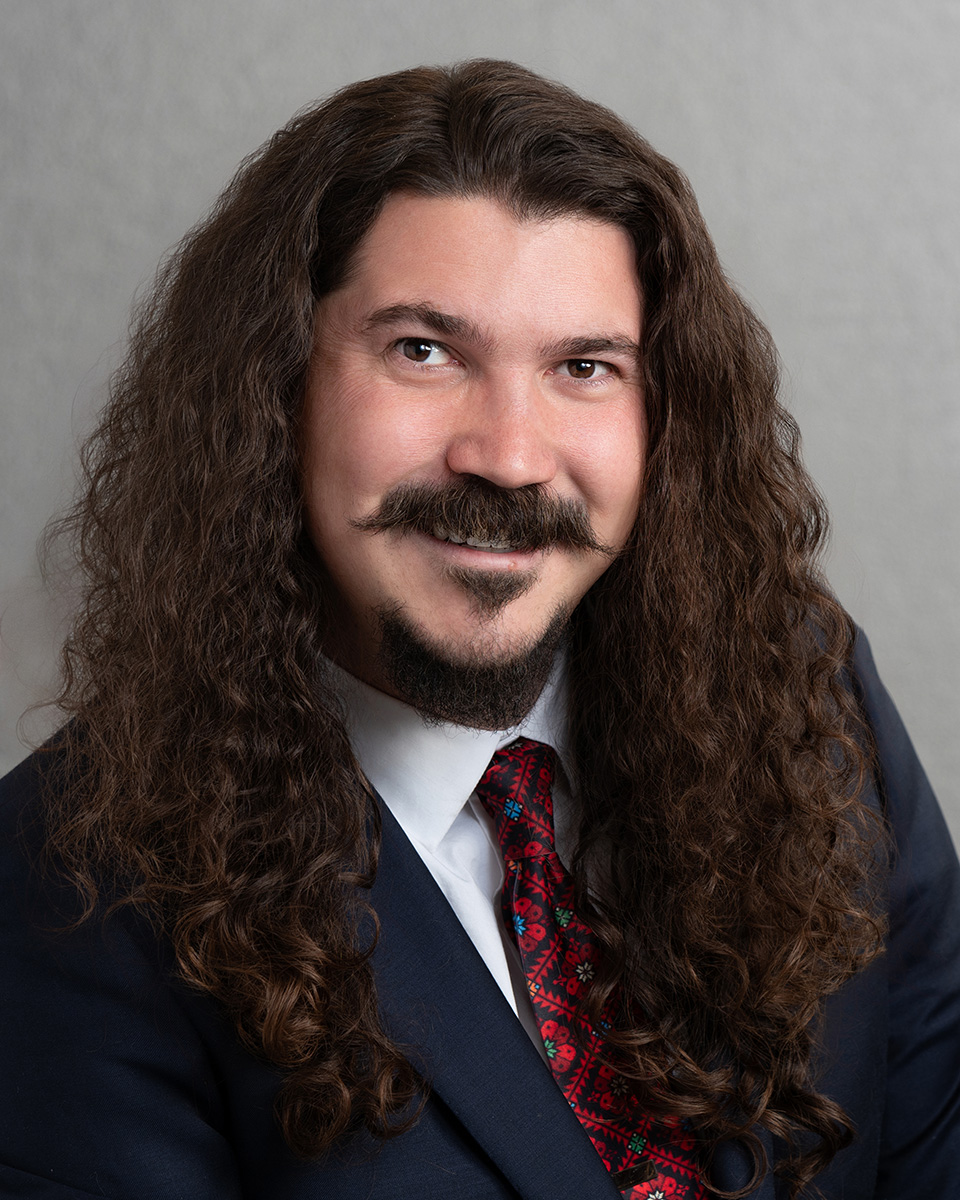
Dan McCay
Dan McCay Senate · District 18
R
Strong +
86% 81
Ryan Wilcox
Ryan Wilcox House · District 7
R
Strong +
83% 60
Jason Thompson
Jason Thompson House · District 3
R
Strong +
82% 60
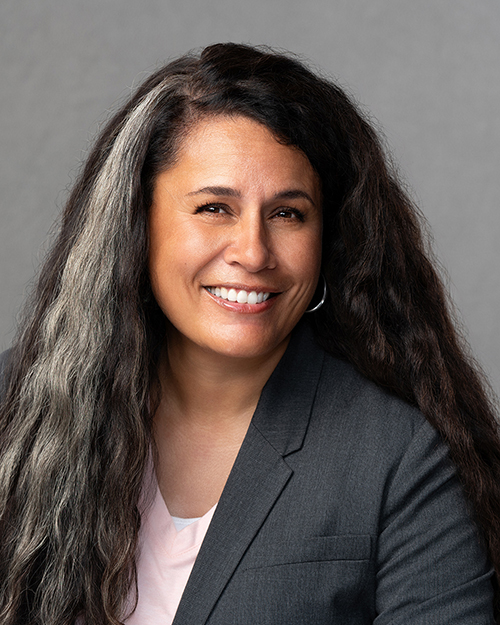
Leah Hansen
Leah Hansen House · District 51
R
Strong −
9% 63
Grant Miller
Grant Miller House · District 24
D
Strong −
17% 66
Verona Mauga
Verona Mauga House · District 31
D
Oppose
25% 62
Kathleen Riebe
Kathleen Riebe Senate · District 15
D
Oppose
27% 89
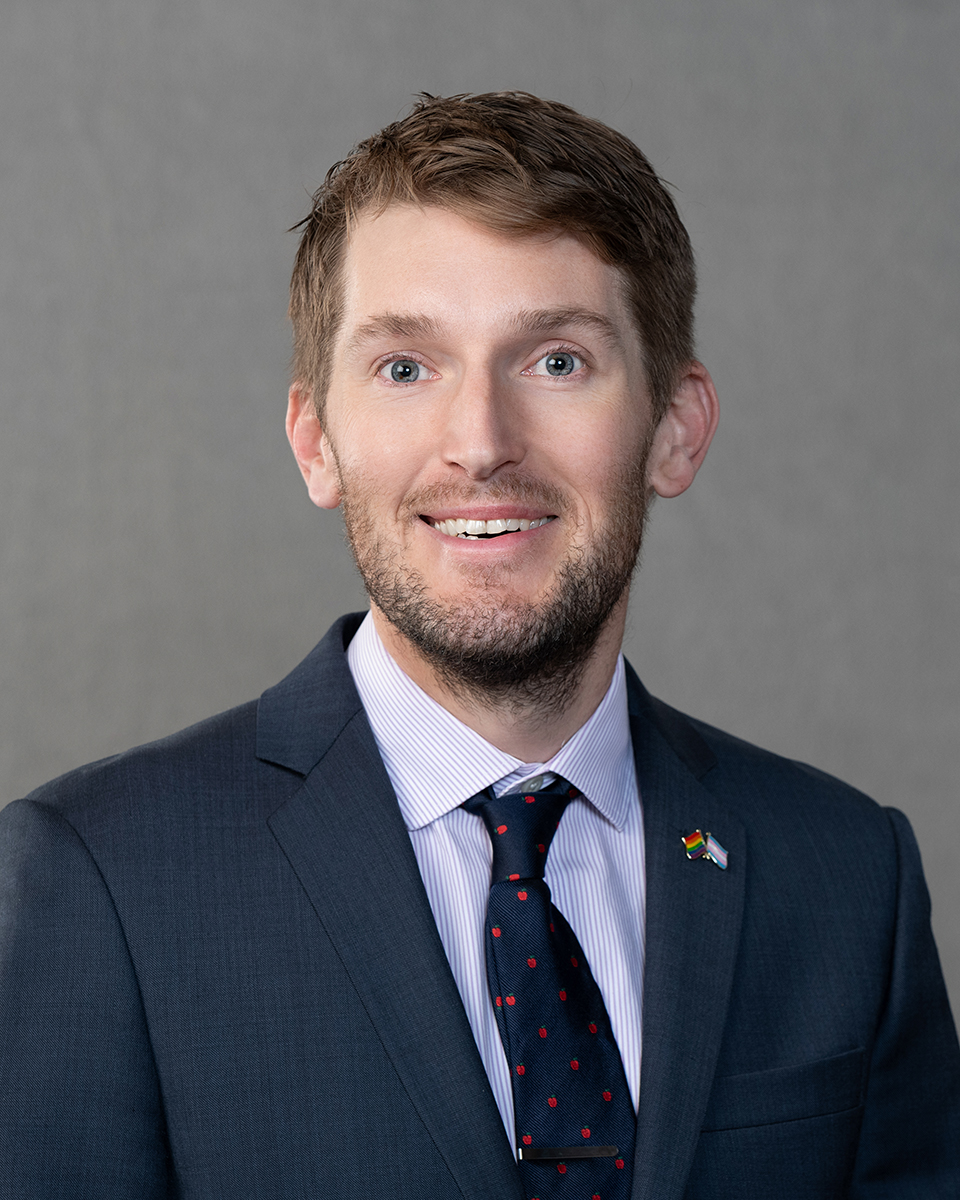
Nate Blouin
Nate Blouin Senate · District 13
D
Oppose
27% 94
Showing 21–30 of 110 bills

All criminal justice bills

passed · Utah · House Mar 7, 2026

HB 593: Bail Amendments

HB 593 amends Utah's bail procedures to improve pretrial release decisions. It requires jail staff to collect detailed information - including residential address, financial circumstances, community ties, and lethality assessments - when individuals are arrested without a warrant and booked. The bill also establishes new criteria for jail officials to release people on their own recognizance (without bail), prohibiting release for certain offenses like violent felonies, domestic violence, or recent bookings. These changes apply directly to arrested individuals, courts, and jail staff, aiming to inform release decisions with more comprehensive data while maintaining court oversight.
passed · Utah · House Mar 7, 2026

HB 465: Juvenile Court Amendments

HB 465 modifies Utah juvenile court procedures to allow conditional suspension of detention for certain minors. It permits courts to suspend up to 5 days of detention for first-time offenses, or up to 30 days if the minor previously had a suspended sentence, subject to court conditions and safeguards like notice and hearings. The bill also updates rules for suspending commitments to the juvenile division, allowing 90-day suspensions if the minor commits no new offenses, with strict requirements for lifting suspensions. These changes directly affect minors facing detention or commitment in Utah's juvenile justice system, focusing on reducing unnecessary detention while maintaining court oversight. The bill makes no new funding commitments and amends existing code sections without altering prohibited detention grounds (e.g., for status offenses or unpaid fees).
introduced · Utah · House Mar 7, 2026

HB 605: Peace Officer Disclosure Amendments

HB 605 requires peace officers to disclose specific information about their credibility and conduct to prosecutors before testifying in criminal cases. This includes details about employment history, disciplinary actions, evidence handling, personal biases (like social media statements), and case-specific relationships that could affect testimony. Prosecutors must then share these disclosures with defense counsel as soon as practicable. The bill directly affects peace officers, prosecutors, and defense attorneys in Utah criminal trials, aiming to ensure transparency about potential Brady material (evidence that could exonerate a defendant). It does not appropriate funds or create new penalties.
Sub-Topics Law Enforcement
in committee · Utah · House Mar 7, 2026

HB 459: Sexual Offense Evidence and Reporting Procedures Amendments

HB 459 gives sexual assault victims more control over how their case is handled. Victims can choose to receive medical treatment without reporting to police, or opt for a "limited report" (sharing only basic details) instead of a full report. The bill creates "restricted kits" for evidence collection that can be stored without testing or tested only partially, while ensuring medical costs remain the same regardless of reporting choice. It also requires a tracking system for restricted kits and updates definitions of "sexual offense" and "medical examination" to align with these new procedures. This directly affects victims, healthcare providers, law enforcement, and forensic services in Utah.
introduced · Utah · House Mar 7, 2026

HB 580: Detention Facility Amendments

HB 580 establishes new regulations for private civil detention facilities in Utah, directly affecting facilities operated by private entities under government contracts (e.g., for immigration processing). The bill requires the Department of Health and Human Services to create rules ensuring safe conditions, including clean living spaces, nutritious meals, medical care, accessible communication, and staff training. It mandates regular unannounced facility inspections, public posting of results, and allows fines up to $10,000 per violation for noncompliance. The law takes effect in May 2026 and does not appropriate new funding.
signed · Utah · Senate Mar 23, 2026

SB 290: Victim and Witness Privacy Amendments

SB 290 strengthens privacy protections for victims and witnesses in Utah criminal cases by regulating access to their nonpublic electronic data, such as personal messages or intimate images shared with law enforcement. It requires law enforcement to implement secure "virtual rooms" for defendants' attorneys to review sensitive data without copying it, creates a presumption against disclosing intimate images, and mandates clear disclosure of devices used in investigations. The bill directly affects victims/witnesses (who gain greater control over their private information), law enforcement (who must adopt new policies), and defendants (who must seek court approval to access nonpublic data). Key provisions include defining "nonpublic victim or witness data," requiring prosecutors to notify defendants about device searches, and limiting data sharing to specific court-approved scenarios. The bill makes no changes to existing evidence disclosure rules under Utah Rules of Criminal Procedure.
signed · Utah · House Mar 25, 2026

HB 536: Criminal Conduct on Public Lands Amendments

HB 536 amends Utah laws to protect public lands and cultural sites by increasing penalties for damaging them. It specifically targets graffiti on natural and archaeological features and alters penalties for harming antiquities. The bill creates a "Public Lands Restoration and Protection Fund" managed by the State Historic Preservation Office, requiring courts to direct restitution from offenders to this fund for violations like graffiti damage or antiquities destruction on state lands. Funds will be used for site restoration, public education about protection laws, and anti-vandalism efforts.
introduced · Utah · House Mar 7, 2026

HB 606: Surveillance and Investigatory Technology Amendments

HB 606 regulates how Utah law enforcement agencies use surveillance and investigatory technology. It requires agencies to annually report technology usage to a state commission, prohibits unauthorized surveillance, and allows individuals to sue police departments for illegal tech use. Evidence obtained in violation of the law cannot be used in court. The bill directly affects all Utah law enforcement agencies and mandates new transparency and accountability measures.
passed · Utah · House Mar 7, 2026

HB 588: Murdered and Missing Indigenous Relatives Amendments

HB 588 requires Utah's Office of American Indian-Alaska Native Health and Family Services to create mandatory training for peace officers investigating missing or murdered Indigenous individuals. The training curriculum must cover tribal sovereignty principles, relevant federal/state/tribal laws, methods for gathering accurate tribal affiliation information, coordination with family members, and best practices for interviewing families. This bill directly affects law enforcement officers conducting such investigations and aims to improve investigative approaches through culturally informed practices. The training must be reviewed and updated at least every three years, with the bill taking effect on May 6, 2026.
Sub-Topics Law Enforcement Tags Tribal Nations
passed · Utah · Senate Mar 7, 2026

SB 316: Public Employee Attorney Fee Recovery Amendments

SB 316 modifies Utah law to clarify when public employees (like police officers or government workers) can recover attorney fees and court costs after being charged criminally for actions related to their job. It requires prosecutors' offices (municipal, county, district, or state) to pay 50% of these fees if the employee is acquitted or charges are dismissed, with one key change: the exception for dismissals by prosecutors now only applies if the dismissal happens more than 45 days after a preliminary hearing. The bill specifically limits this exception to charges filed as "information" (not indictments) and ensures employees aren’t barred from recovery if charges are dismissed within that 45-day window. This affects public employees facing criminal charges tied to their official duties, making it easier to recover legal costs in certain cases.
Showing 21 to 30 of 110 bills
Previous 1 2 3 4 11 Next