Issue · Criminal Justice

Criminal Justice (Law Enforcement)

Every criminal justice bill, vote, and legislator stance in Utah, automatically classified by Maddy, our AI policy reader.

Total bills
38
2026 General Session
Top supporter
Jen Dailey-Provost
100% support rate
Top opponent
Cheryl Acton
33% support rate
Ranked legislators
10
5 support · 5 oppose
Key legislators

Who's moving law enforcement in Utah

Legislators moving law enforcement in Utah
Legislator Party Stance Support rate Votes
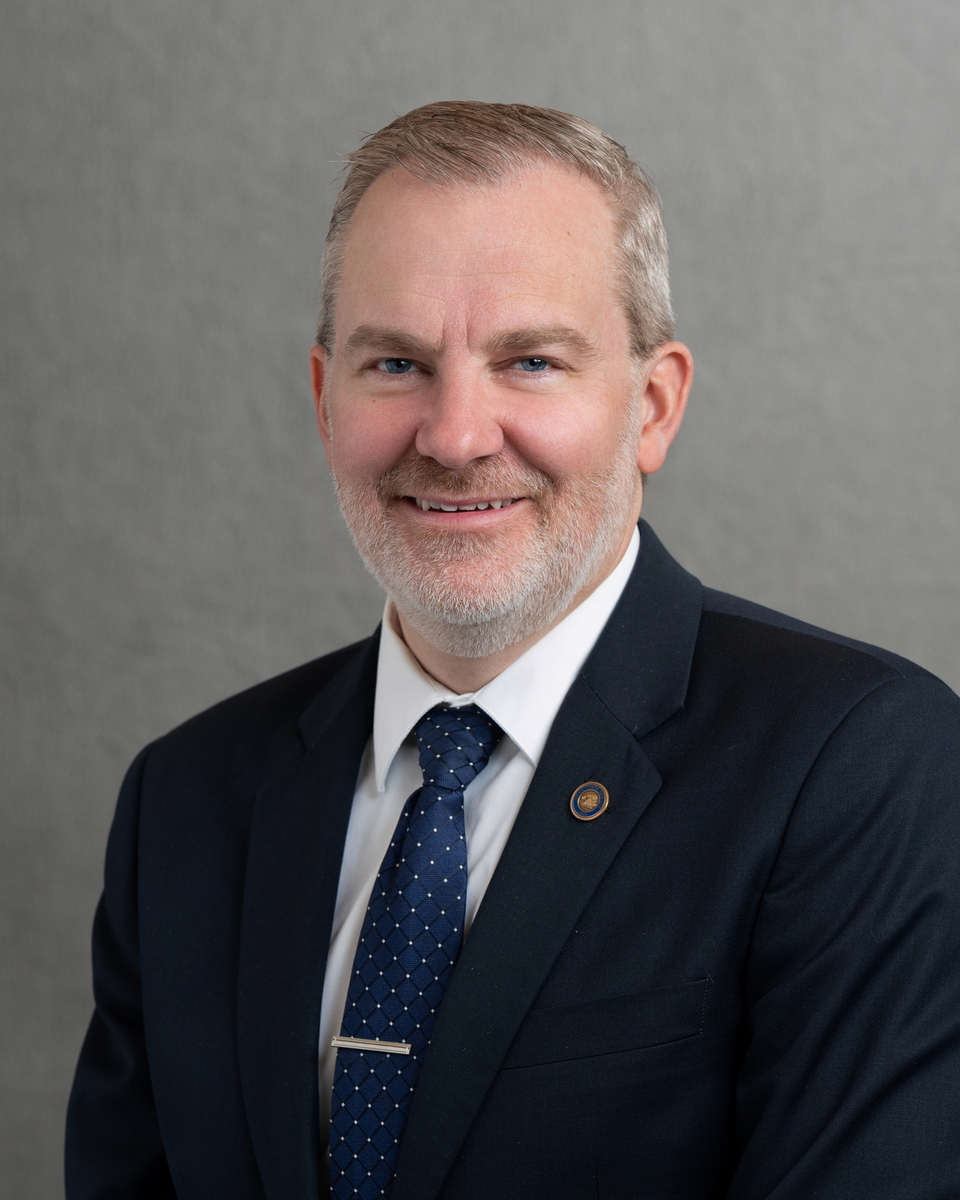
Jen Dailey-Provost
Jen Dailey-Provost House · District 22
D
Strong +
100% 3
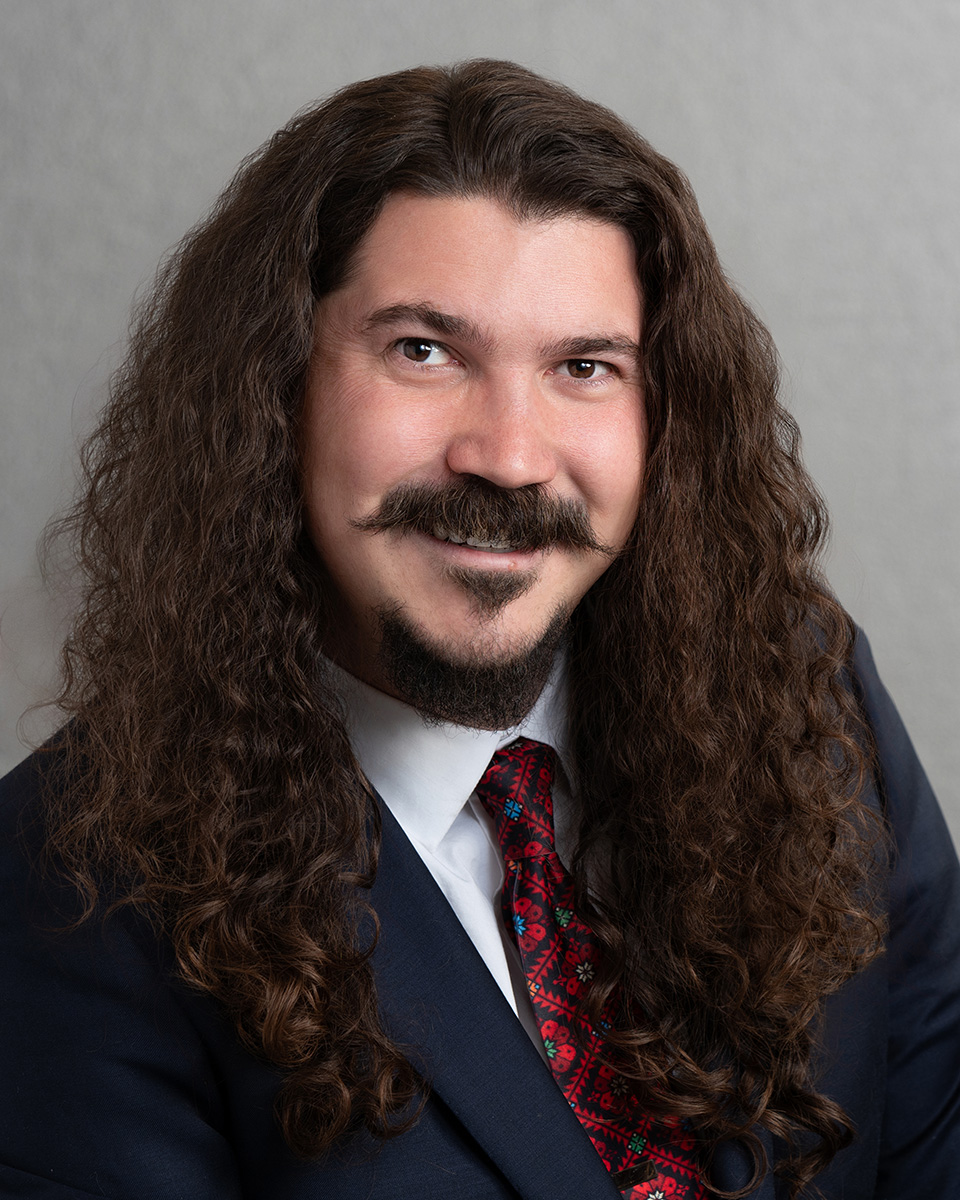
Kirk Cullimore
Kirk Cullimore Senate · District 19
R
Strong +
100% 3
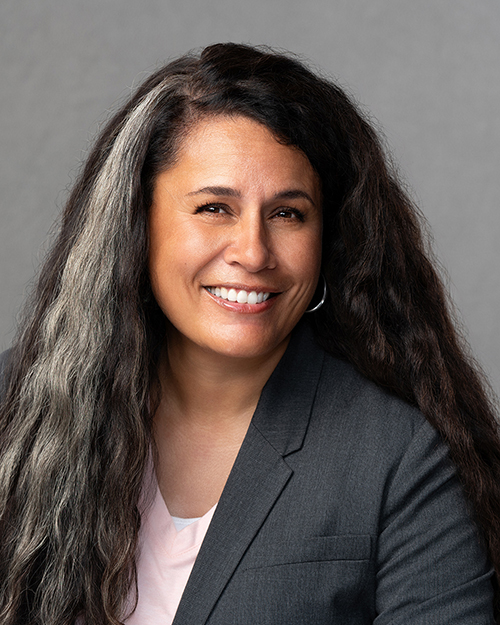
Lincoln Fillmore
Lincoln Fillmore Senate · District 17
R
Strong +
100% 3
Stephanie Pitcher
Stephanie Pitcher Senate · District 14
D
Strong +
80% 5
Dan McCay
Dan McCay Senate · District 18
R
Support
75% 4
Cheryl Acton
Cheryl Acton House · District 38
R
Oppose
33% 3
Grant Miller
Grant Miller House · District 24
D
Oppose
33% 3
Karianne Lisonbee
Karianne Lisonbee House · District 14
R
Oppose
33% 3
Leah Hansen
Leah Hansen House · District 51
R
Oppose
33% 3
Mike Petersen
Mike Petersen House · District 2
R
Oppose
33% 3
Showing 1–10 of 38 bills

All criminal justice bills

signed · Utah · House Mar 24, 2026

HB 370: Sex Offender Oversight Amendments

HB 370 strengthens oversight of the Sex, Kidnap, and Child Abuse Offender Registry by clarifying definitions and assigning specific monitoring duties to local law enforcement and the Division of Adult Probation and Parole. The bill requires the Department of Public Safety to create a monitoring program for sex offenders who cannot provide a residential address and to establish an online training program for those who work with offenders. It also mandates that courts issue arrest warrants for certain offenders upon finding probable cause, while creating criminal penalties for failing to comply with the new monitoring requirements. These changes aim to improve tracking and supervision of registered sex offenders through updated legal responsibilities and enforcement mechanisms.
signed · Utah · House Mar 25, 2026

HB 539: Public Safety Modifications

HB 539 amends Utah's public safety laws to strengthen protections for domestic violence victims and clarify legal procedures. It expands the definition of domestic violence offenses, clarifies the term "cohabitant" for victim mitigation, and modifies bail requirements for domestic violence cases. The bill also updates protective order rules, prohibits parents from waiving jail release conditions when a child is the alleged victim, and ensures individuals arrested for domestic violence can communicate with children in specific circumstances. These changes directly affect domestic violence victims, defendants, law enforcement, and courts handling related cases.
signed · Utah · House Mar 19, 2026

HB 547: Transnational Repression Amendments

HB 547 defines "transnational repression" as foreign government or terrorist organization actions targeting individuals in Utah (like threats, surveillance, or immigration coercion) to control their behavior. It requires Utah's public universities to inform international students about this repression and how to report it to law enforcement. The bill also adds criminal penalties for crimes committed under foreign government direction to influence a victim's actions. This directly affects international students and victims of foreign-directed crimes, creating new reporting mechanisms and legal consequences for specific offenses.
Sub-Topics Law Enforcement
passed · Utah · Senate Mar 7, 2026

SB 302: Domestic Violence Amendments

SB 302 requires law enforcement officers to separately evaluate domestic violence complaints from opposing parties to identify the predominant physical aggressor before making arrests. If one person is determined the main aggressor, officers need not arrest the other alleged offender. The bill mandates that incident reports be provided to victims at no cost and that agencies forward reports to prosecutors within five days, while requiring a follow-up investigation within 48 hours if no arrest is made initially. This directly affects law enforcement agencies, domestic violence victims, and individuals accused of such offenses in cases involving mutual complaints.
failed · Utah · Senate Mar 7, 2026

SB 262: Law Enforcement Usage of Unmarked Vehicles

SB 262 prohibits Utah law enforcement agencies from using unmarked vehicles for routine traffic enforcement, such as general patrol for traffic violations. It defines "unmarked law enforcement vehicle" as one lacking clear, visible markings from 25 feet and specifies that agencies may only use such vehicles for targeted operations like crosswalk safety, construction zones, DUI enforcement, stopped school buses, or documented community traffic issues. Exceptions also include compliance with existing state law (Section 41-1a-407). The bill takes effect on May 6, 2026, and has no fiscal impact.
Sub-Topics Law Enforcement
passed · Utah · House Mar 7, 2026

HB 455: Peace Officer and Dispatcher Standards Amendments

HB 455 allows peace officer and dispatcher applicants in Utah with expunged or dismissed criminal convictions to enter training programs and take certification exams under specific conditions. It directly affects individuals seeking these public safety roles who previously faced automatic disqualification due to cleared records. Key conditions include: no violent felony or sexual offense convictions, a minimum 10-year waiting period since conviction, and meeting other standard requirements like background checks. The bill amends Utah Code sections 53-6-203 and 53-6-302 to update eligibility standards for these positions.
Sub-Topics Law Enforcement Tags Public Safety
signed · Utah · House Mar 25, 2026

HB 572: Behavioral Health, Mental Health, and Social Services Amendments

HB 572 updates Utah's behavioral and mental health systems to improve coordination and support. It requires standardized consent forms for disclosing mental health conditions to providers and law enforcement, mandates jail screening tool transparency, and shifts administration of the suicide prevention fund to a dedicated office. The bill creates a peer support specialist program, establishes a family outreach role for suicide/overdose cases, and amends involuntary commitment procedures. It appropriates $750,000 for implementation in fiscal year 2027, directly affecting justice-involved individuals, mental health providers, and families impacted by behavioral health crises.
introduced · Utah · House Mar 7, 2026

HB 605: Peace Officer Disclosure Amendments

HB 605 requires peace officers to disclose specific information about their credibility and conduct to prosecutors before testifying in criminal cases. This includes details about employment history, disciplinary actions, evidence handling, personal biases (like social media statements), and case-specific relationships that could affect testimony. Prosecutors must then share these disclosures with defense counsel as soon as practicable. The bill directly affects peace officers, prosecutors, and defense attorneys in Utah criminal trials, aiming to ensure transparency about potential Brady material (evidence that could exonerate a defendant). It does not appropriate funds or create new penalties.
Sub-Topics Law Enforcement
in committee · Utah · House Mar 7, 2026

HB 459: Sexual Offense Evidence and Reporting Procedures Amendments

HB 459 gives sexual assault victims more control over how their case is handled. Victims can choose to receive medical treatment without reporting to police, or opt for a "limited report" (sharing only basic details) instead of a full report. The bill creates "restricted kits" for evidence collection that can be stored without testing or tested only partially, while ensuring medical costs remain the same regardless of reporting choice. It also requires a tracking system for restricted kits and updates definitions of "sexual offense" and "medical examination" to align with these new procedures. This directly affects victims, healthcare providers, law enforcement, and forensic services in Utah.
signed · Utah · Senate Mar 23, 2026

SB 290: Victim and Witness Privacy Amendments

SB 290 strengthens privacy protections for victims and witnesses in Utah criminal cases by regulating access to their nonpublic electronic data, such as personal messages or intimate images shared with law enforcement. It requires law enforcement to implement secure "virtual rooms" for defendants' attorneys to review sensitive data without copying it, creates a presumption against disclosing intimate images, and mandates clear disclosure of devices used in investigations. The bill directly affects victims/witnesses (who gain greater control over their private information), law enforcement (who must adopt new policies), and defendants (who must seek court approval to access nonpublic data). Key provisions include defining "nonpublic victim or witness data," requiring prosecutors to notify defendants about device searches, and limiting data sharing to specific court-approved scenarios. The bill makes no changes to existing evidence disclosure rules under Utah Rules of Criminal Procedure.
Showing 1 to 10 of 38 bills
1 2 3 4 Next