Issue · Criminal Justice

Criminal Justice

Every criminal justice bill, vote, and legislator stance in Utah, automatically classified by Maddy, our AI policy reader.

Total bills
110
2026 General Session
Top supporter
Lincoln Fillmore
92% support rate
Top opponent
Leah Hansen
9% support rate
Ranked legislators
10
5 support · 5 oppose
Key legislators

Who's moving criminal justice in Utah

Legislators moving criminal justice in Utah
Legislator Party Stance Support rate Votes
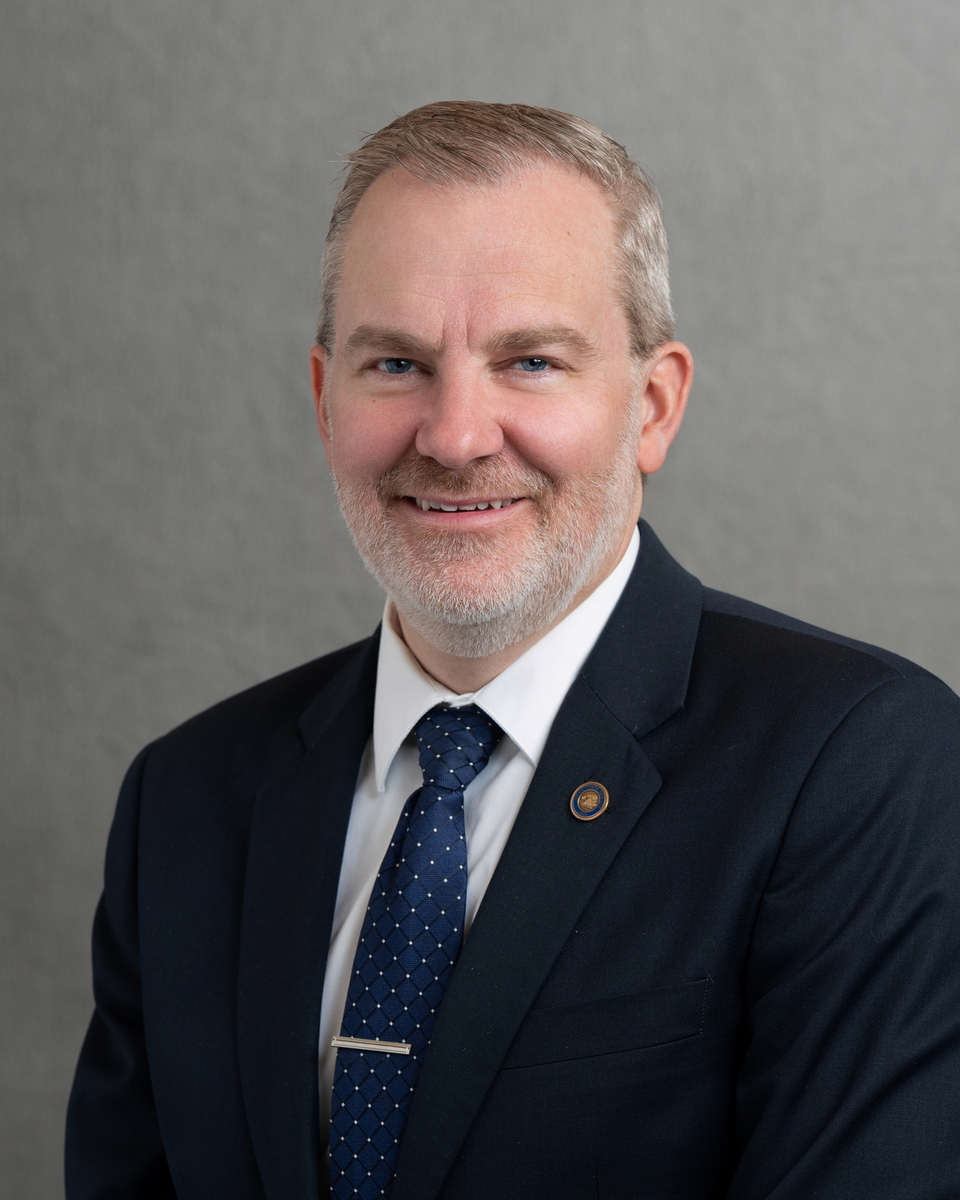
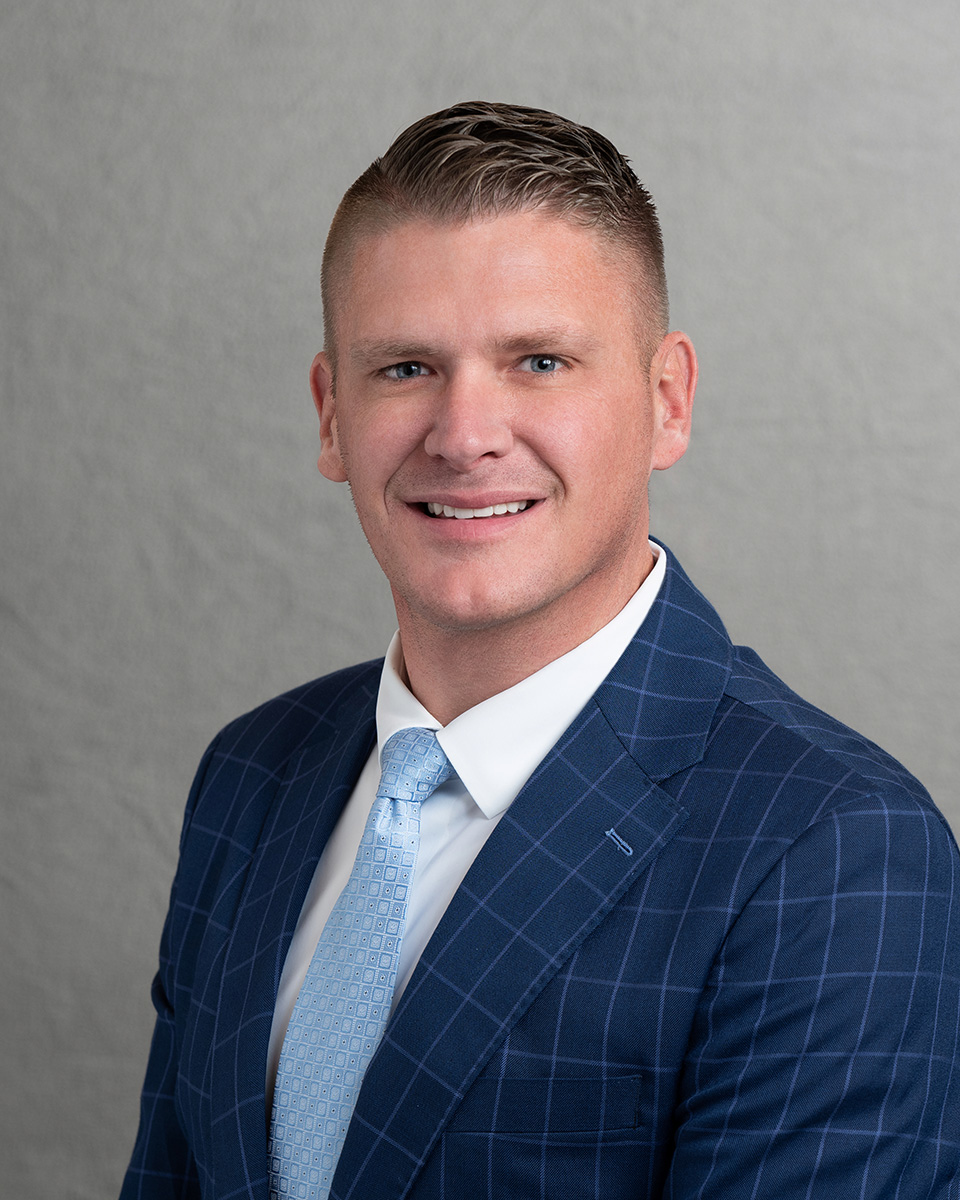
Lincoln Fillmore
Lincoln Fillmore Senate · District 17
R
Strong +
92% 79
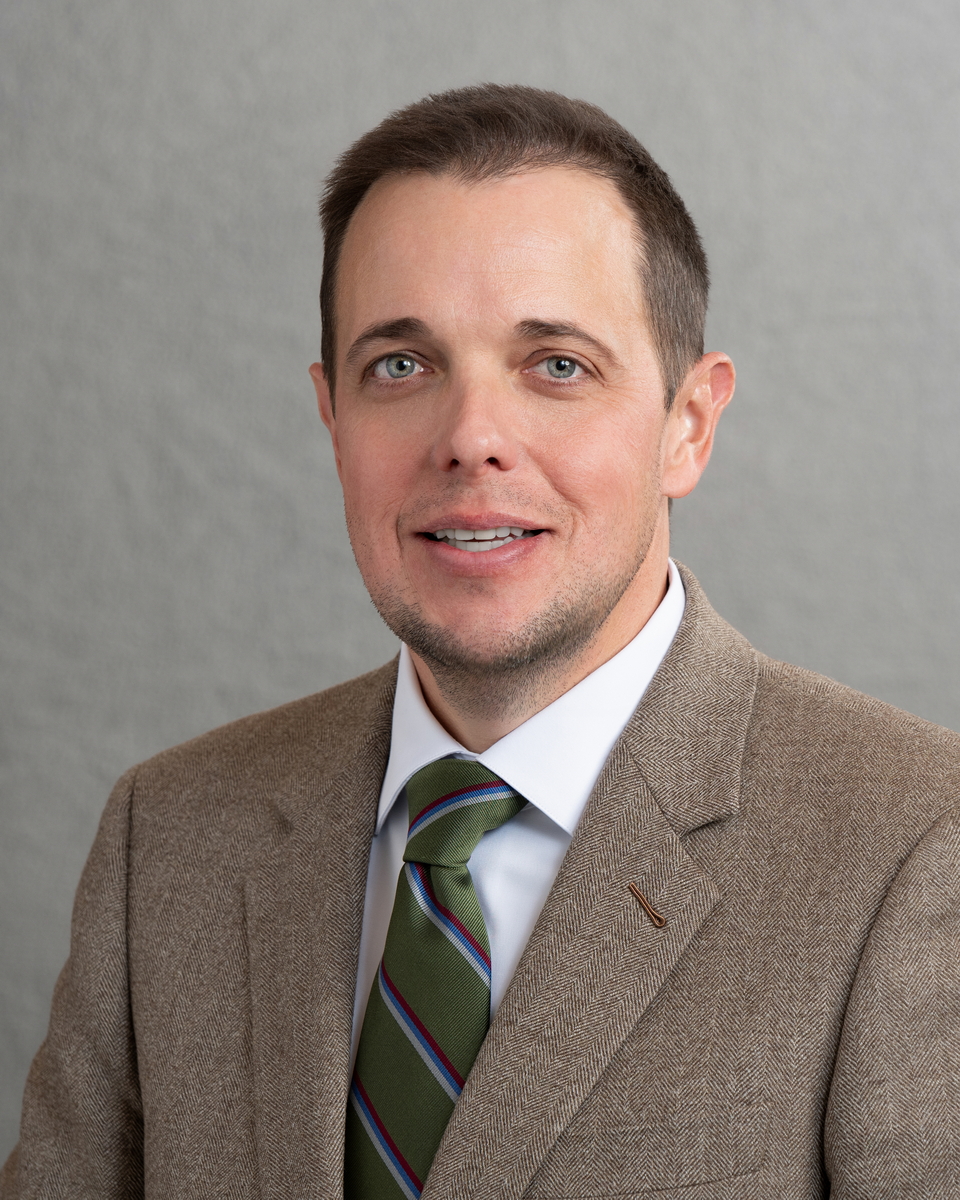
Bridger Bolinder
Bridger Bolinder House · District 29
R
Strong +
91% 59
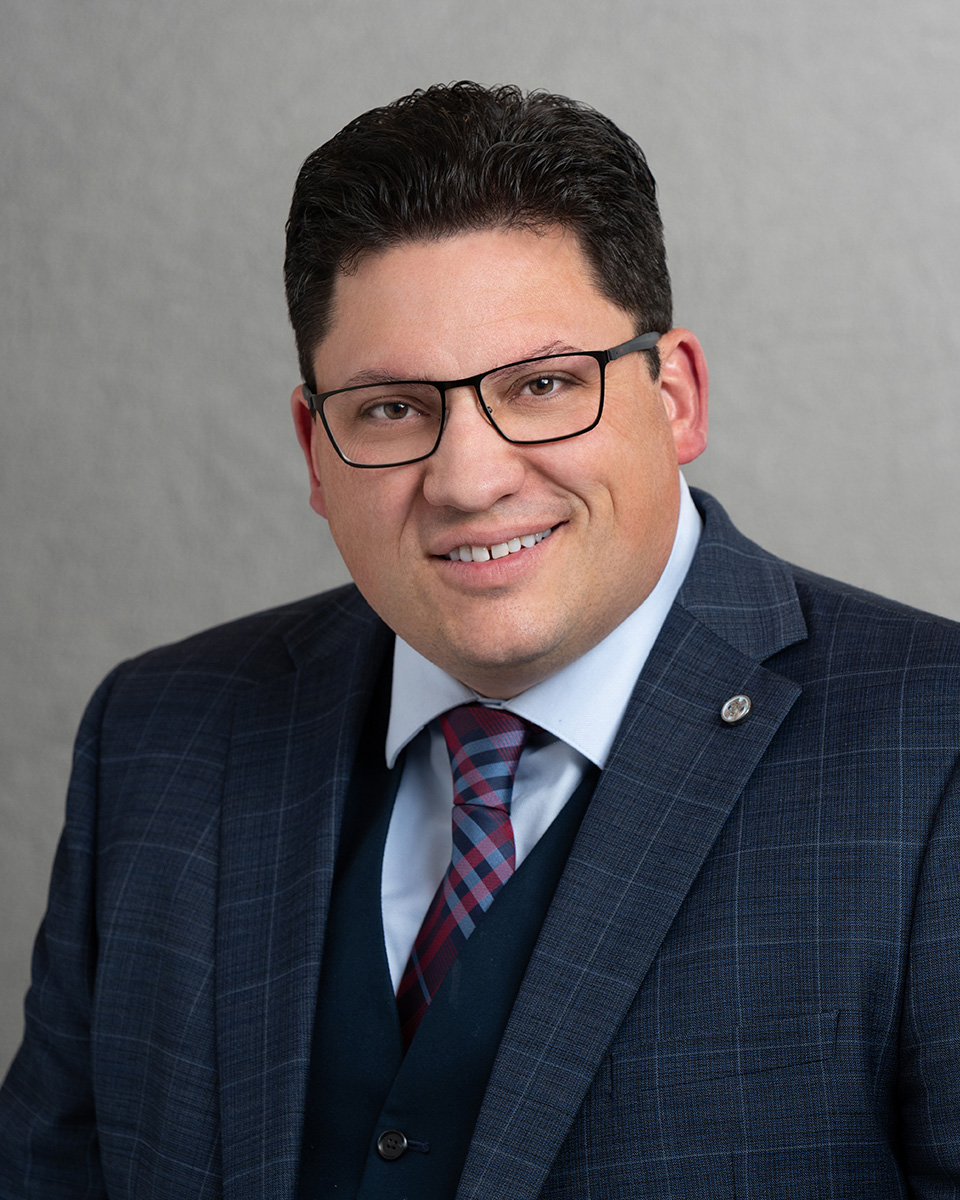
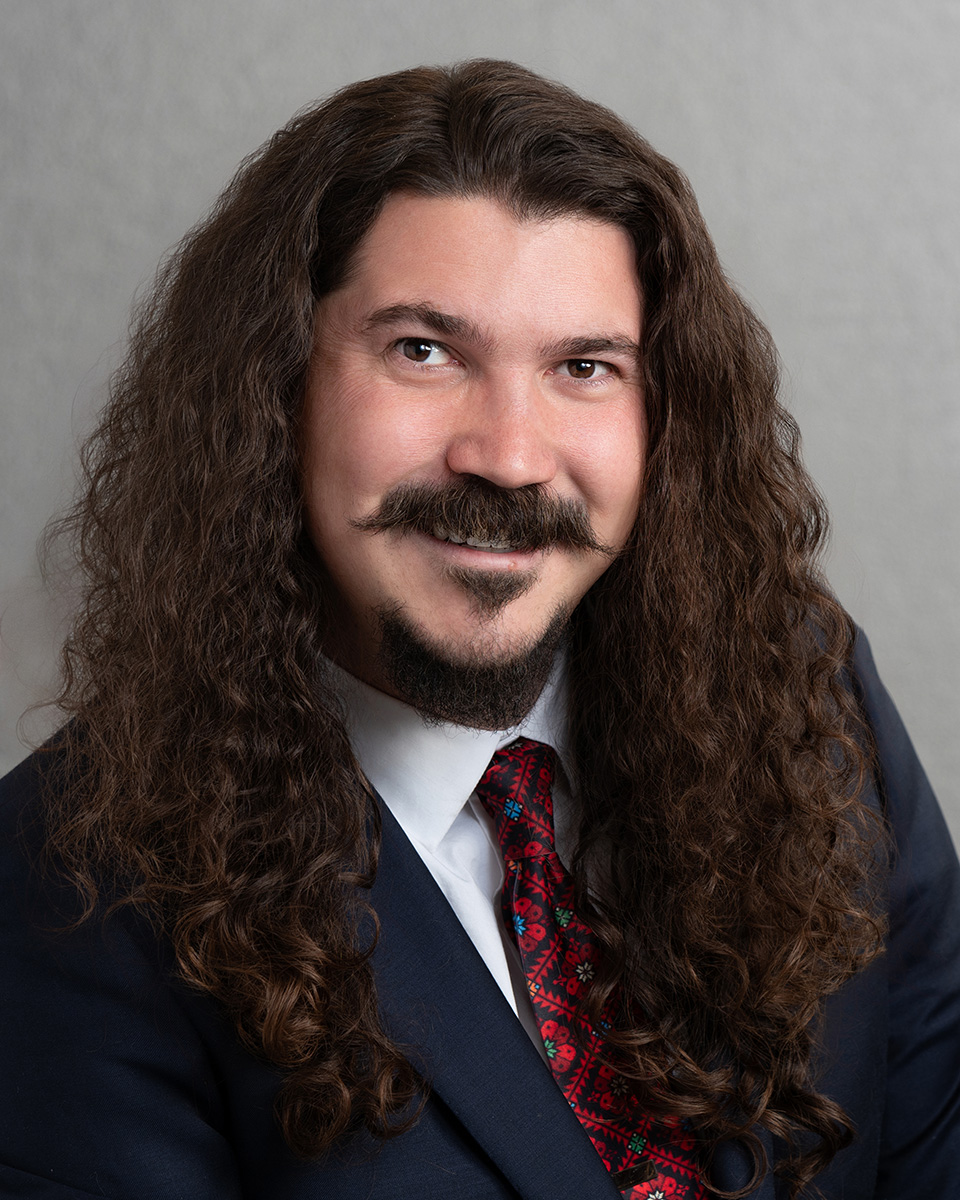
Dan McCay
Dan McCay Senate · District 18
R
Strong +
86% 81
Ryan Wilcox
Ryan Wilcox House · District 7
R
Strong +
83% 60
Jason Thompson
Jason Thompson House · District 3
R
Strong +
82% 60
Leah Hansen
Leah Hansen House · District 51
R
Strong −
9% 63
Grant Miller
Grant Miller House · District 24
D
Strong −
17% 66
Verona Mauga
Verona Mauga House · District 31
D
Oppose
25% 62
Kathleen Riebe
Kathleen Riebe Senate · District 15
D
Oppose
27% 89
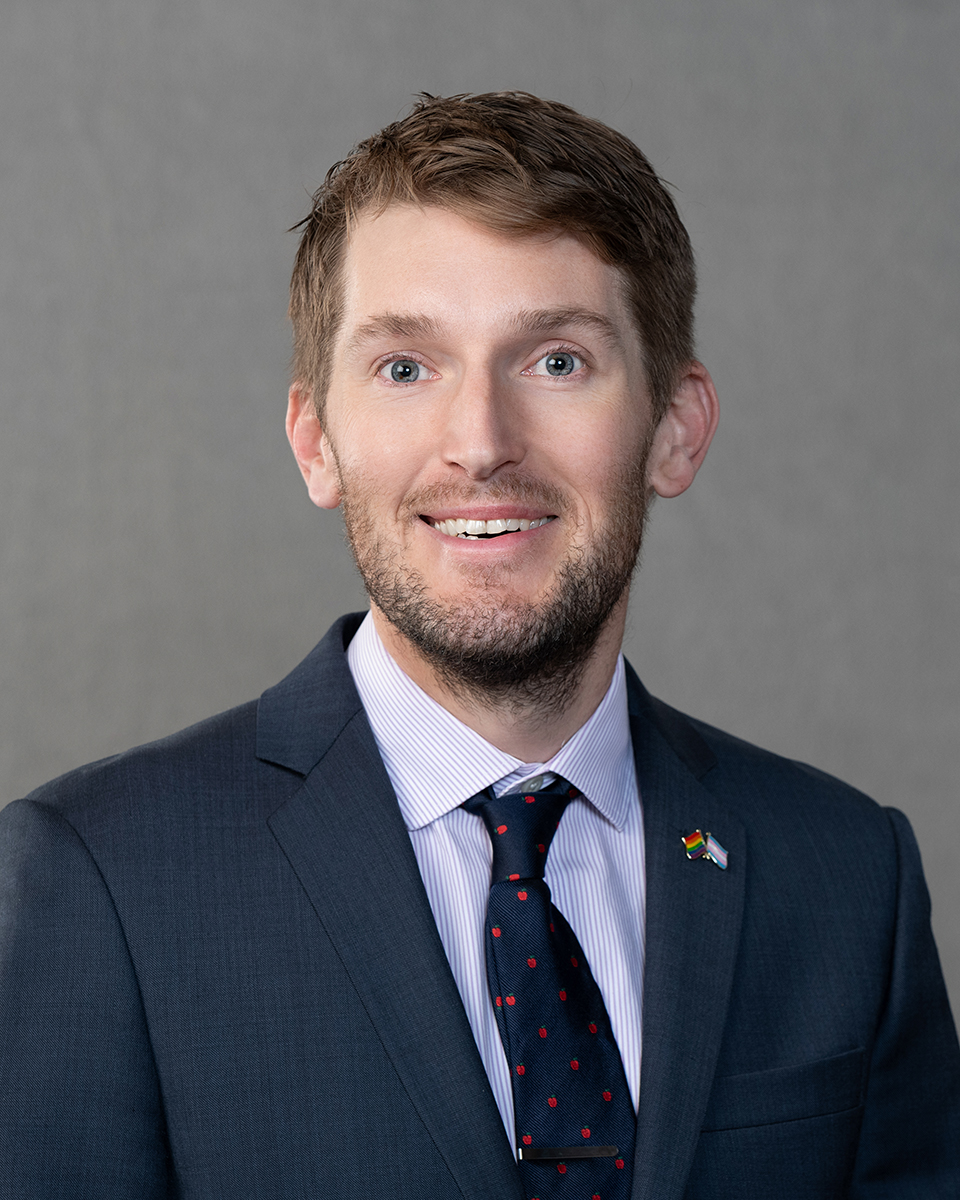
Nate Blouin
Nate Blouin Senate · District 13
D
Oppose
27% 94
Showing 11–20 of 110 bills

All criminal justice bills

signed · Utah · House Mar 24, 2026

HB 454: Public Assistance Fraud Amendments

HB 454 creates a new criminal offense for individuals who knowingly help others submit inaccurate public assistance applications (e.g., by including false information or omitting required details). This directly affects people who assist applicants for programs like SNAP or Medicaid, making it a crime if they do so to help someone receive benefits they don’t qualify for. Penalties range from misdemeanors to felonies based on the value of the fraud (e.g., a second-degree felony for $5,000+ in benefits). The bill also adds this new offense to the list of crimes that can form part of a "pattern of unlawful activity" under Utah law. The changes amend existing Utah Code sections without appropriating new funds.
failed · Utah · Senate Mar 7, 2026

SB 259: Evidence Declaration Amendments

SB 259 requires investigators, auditors, and prosecuting attorneys to sign sworn statements confirming evidence in felony cases was collected or disclosed lawfully under state and federal law. Specifically, it mandates that individuals obtaining evidence sign a statement verifying compliance with legal procedures, while prosecutors must sign a statement confirming they disclosed exculpatory evidence as required by law. These signed statements must include an unsworn declaration, and failing to comply is classified as a class A misdemeanor. The bill directly affects criminal justice professionals handling felony cases in Utah and takes effect May 6, 2026. It makes no changes to funding or other policy areas.
signed · Utah · Senate Mar 23, 2026

SB 313: Recidivism Amendments

SB 313 amends Utah's Adult Probation and Parole Employment Incentive Program to tie funding to measurable outcomes. It defines key terms like "parole employment rate" and "recidivism percentage," then requires regional probation/parole offices to report annual employment rates and reoffending data. Regions earn funding by showing improved employment rates for people on parole/probation compared to baselines, calculated by multiplying the rate difference by the region's average daily population and $2,500. However, funding is reduced to zero if recidivism increases compared to the previous year, directly affecting how probation/parole departments allocate resources to support employment programs.
Sub-Topics Probation & Parole
passed · Utah · House Mar 7, 2026

HB 455: Peace Officer and Dispatcher Standards Amendments

HB 455 allows peace officer and dispatcher applicants in Utah with expunged or dismissed criminal convictions to enter training programs and take certification exams under specific conditions. It directly affects individuals seeking these public safety roles who previously faced automatic disqualification due to cleared records. Key conditions include: no violent felony or sexual offense convictions, a minimum 10-year waiting period since conviction, and meeting other standard requirements like background checks. The bill amends Utah Code sections 53-6-203 and 53-6-302 to update eligibility standards for these positions.
Sub-Topics Law Enforcement Tags Public Safety
signed · Utah · House Mar 25, 2026

HB 572: Behavioral Health, Mental Health, and Social Services Amendments

HB 572 updates Utah's behavioral and mental health systems to improve coordination and support. It requires standardized consent forms for disclosing mental health conditions to providers and law enforcement, mandates jail screening tool transparency, and shifts administration of the suicide prevention fund to a dedicated office. The bill creates a peer support specialist program, establishes a family outreach role for suicide/overdose cases, and amends involuntary commitment procedures. It appropriates $750,000 for implementation in fiscal year 2027, directly affecting justice-involved individuals, mental health providers, and families impacted by behavioral health crises.
in committee · Utah · House Mar 7, 2026

HB 476: Insanity Defense Amendments

HB 476 modifies Utah's insanity defense rules for first-degree and capital felony cases. It shifts the burden of proof to defendants claiming insanity, requiring them to prove their defense by "clear and convincing evidence." The bill also clarifies that certain conditions (like antisocial personality disorder or substance use disorders) cannot be used as insanity defenses, and updates procedures for mental health evaluations, supervision, and release of defendants found not guilty by reason of insanity. These changes directly affect criminal defendants in serious felony cases who may assert an insanity defense.
passed · Utah · Senate Mar 7, 2026

SB 303: Expungement Amendments

SB 303 amends Utah's expungement law to adjust eligibility rules for removing criminal records. It specifically clarifies that individuals with criminal protective orders, stalking injunctions, or civil protective orders may still qualify for expungement, and changes numerical limits that previously disqualified some applicants based on the number of offenses. The bill maintains the requirement that applicants must pay all fines and restitution before expungement can be granted. This affects people with criminal records seeking to have those records removed from public view, including those with certain protective orders in place.
passed · Utah · House Mar 7, 2026

HB 554: State Debt Collection Amendments

HB 554 modifies Utah's debt collection rules to streamline how government entities recover unpaid amounts. It directs the State Tax Commission to apply corporate tax overpayments toward debts under the Crime Victims Restitution Act, allows collections without a court judgment, and standardizes definitions for "accounts receivable" (including fines, restitution, and taxes). The bill also permits the State Debt Collection Fund to retain up to one year's expenses annually and makes technical updates to multiple statutes. These changes primarily affect taxpayers with outstanding debts and government agencies collecting public funds, with no new state funding required.
passed both · Utah · House Mar 17, 2026

HJR 26: Joint Resolution Amending Rules of Evidence to Address Machine-Generated Evidence

HJR 26 amends Utah's Rules of Evidence to establish new standards for admitting evidence generated by automated systems (like AI or algorithms) that make inferences or predictions. It requires such evidence to meet four criteria for admissibility: it must help the court understand the case, be based on sufficient facts, use reliable methods, and apply those methods correctly to the facts. This rule specifically excludes basic measuring devices (like speedometers or thermometers) from these requirements. The bill affects Utah courts and legal proceedings involving machine-generated evidence, ensuring such evidence meets reliability standards before being used in trials.
Sub-Topics Courts Tags Artificial Intelligence
introduced · Utah · House Mar 7, 2026

HB 577: State-Created Remedies for Federal Constitutional Violations

HB 577 creates a new state-law remedy in Utah for residents injured by government employees (federal, state, or local) who violate federal constitutional rights while acting under official authority. It allows victims to sue for compensatory damages, equitable relief, and attorney fees, but prohibits punitive damages and requires individuals to first pursue existing federal remedies like 42 U.S.C. § 1983. The law does not apply to lawsuits against government entities themselves and only takes effect for claims accruing after May 6, 2026. This bill directly affects Utah residents facing constitutional violations by public officials, providing an additional legal avenue when federal remedies are unavailable or insufficient.
Tags Civil Liberties
Showing 11 to 20 of 110 bills