

Recidivism Amendments
SB 313 amends Utah's Adult Probation and Parole Employment Incentive Program to tie funding to measurable outcomes. It defines key terms like "parole employment rate" and "recidivism percentage," then requires regional probation/parole offices to report annual employment rates and reoffending data. Regions earn funding by showing improved employment rates for people on parole/probation compared to baselines, calculated by multiplying the rate difference by the region's average daily population and $2,500. However, funding is reduced to zero if recidivism increases compared to the previous year, directly affecting how probation/parole departments allocate resources to support employment programs.
Bill status
signed
all 5 stages cleared
Introduction
Feb 2026
Committee Review
Mar 2026
Senate Passage
Mar 2026
House Passage
Mar 2026
Signed into Law
Mar 2026
Introduced Feb 20, 2026
Signed Mar 23, 2026
Maddy AI version diff · 1 comparison
What changed between versions
Introduced
→
Enrolled
·
5 edits
·
Mar 23, 2026
MODERATE
This bill establishes an 'Adult Probation and Parole Employment Incentive Program' that rewards regions based on employment success and reduced recidivism. Starting in July 2026, the state will calculate incentives using a dual formula: one based on the improvement in employment rates compared to a baseline, and another based on the number of individuals who held jobs for six months before their supervision ended. Crucially, regions will receive no payment if their recidivism rates increase compared to the previous year. The funds, drawn from a new restricted account, must be used to expand evidence-based rehabilitation services, hire staff, or purchase technology, with only 15% allowed for administrative expenses.
Scope change
The bill creates a new program specifically for adult probation and parole regions, introducing a performance-based funding model tied to employment outcomes and recidivism metrics.
REQUIREMENT
Created a new program requiring the department to calculate and report specific employment and recidivism metrics annually starting July 2026.
Mandated that 85% of incentive payments be used for specific rehabilitative services like job training, mental health treatment, and evidence-based practices, while limiting administrative use to 15%.
FISCAL
Established a new 'Employment Incentive Restricted Account' funded by legislative appropriations to pay regions based on performance.
ELIGIBILITY
Defined eligibility for incentive payments based on positive changes in employment rates and a decrease in recidivism percentages compared to the prior fiscal year.
TIMELINE
Set the effective date of the bill to May 6, 2026, with program calculations beginning in July 2026.
Floor votes · Senate Mar 3, 2026 · House Mar 7, 2026
How they voted
28–0
Passed · 1 other
Total votes 29
Mar 3, 2026
D
Democratic6
100% Yea
N
Forward1
100% Yea
R
Republican22
95% Yea
Vote distribution
All Yea
All Nay
Mixed
No data
Full legislative history
Actions timeline
Total actions
39
Key actions
9
Committee
6
Mar 23, 2026
Signed into law
Governor Signed
executive
Mar 10, 2026
Upper · Passed
Senate/ signed by President/ sent for enrolling
upper
Mar 7, 2026
Upper · Passed
House/ signed by Speaker/ returned to Senate
upper
Mar 7, 2026
Lower · Passed
House/ passed 3rd reading
lower
Mar 5, 2026
Lower · Passed
House/ committee report favorable [House Business, Labor, and Commerce Committee]
lower
Mar 4, 2026
Lower · Passed
House Comm - Favorable Recommendation [House Business, Labor, and Commerce Committee]
lower
Mar 4, 2026
Committee
House/ to standing committee [House Business, Labor, and Commerce Committee]
lower
Mar 4, 2026
Introduced
House/ 1st reading (Introduced)
lower
Mar 3, 2026
Lower · Passed
Senate/ passed 3rd reading
lower
Feb 25, 2026
Upper · Passed
Senate/ committee report favorable [Senate Judiciary, Law Enforcement, and Criminal Justice Committee]
upper
Feb 24, 2026
Upper · Passed
Senate Comm - Favorable Recommendation [Senate Judiciary, Law Enforcement, and Criminal Justice Committee]
upper
Feb 23, 2026
Committee
Senate/ to standing committee [Senate Judiciary, Law Enforcement, and Criminal Justice Committee]
upper
Feb 20, 2026
Introduced
Senate/ 1st reading (Introduced)
upper
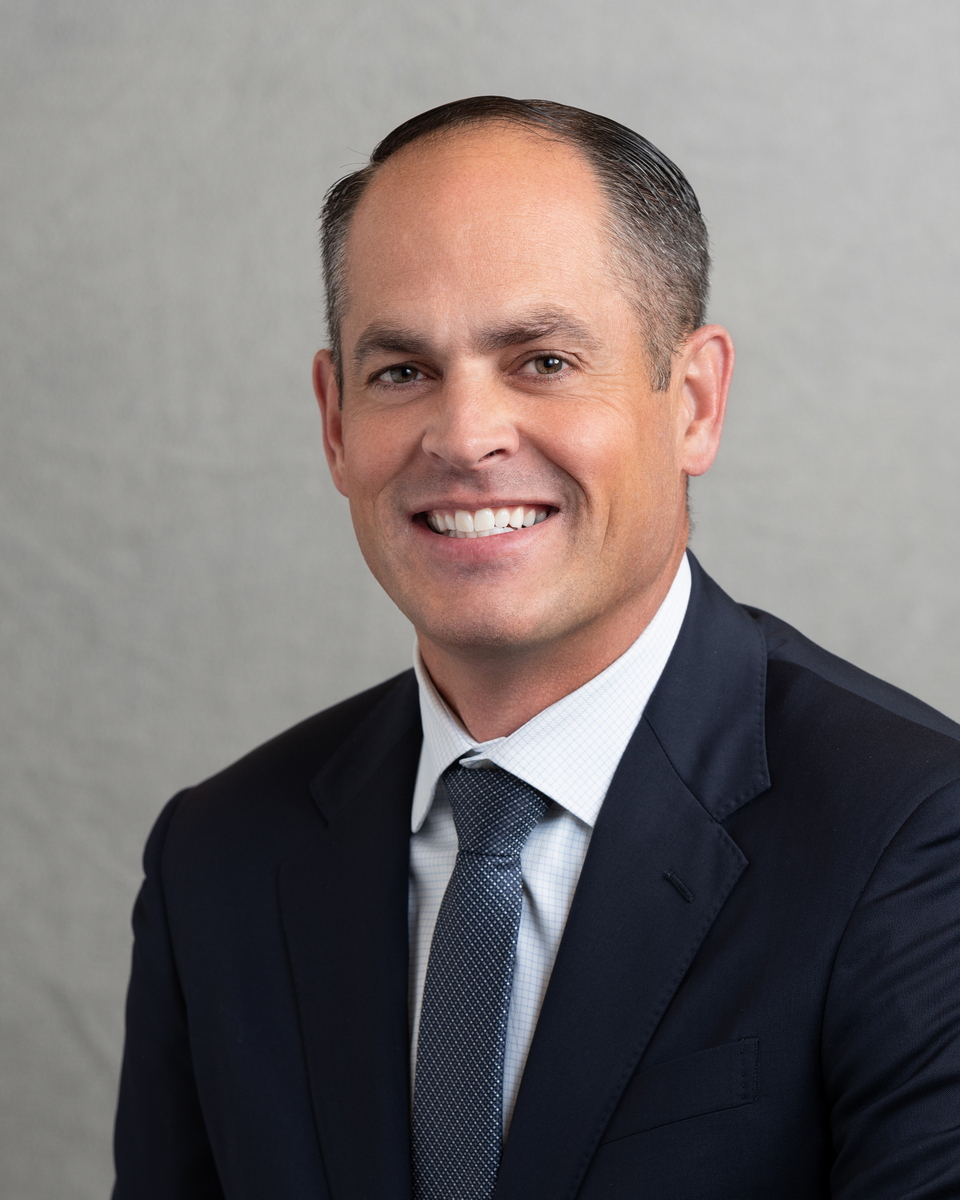
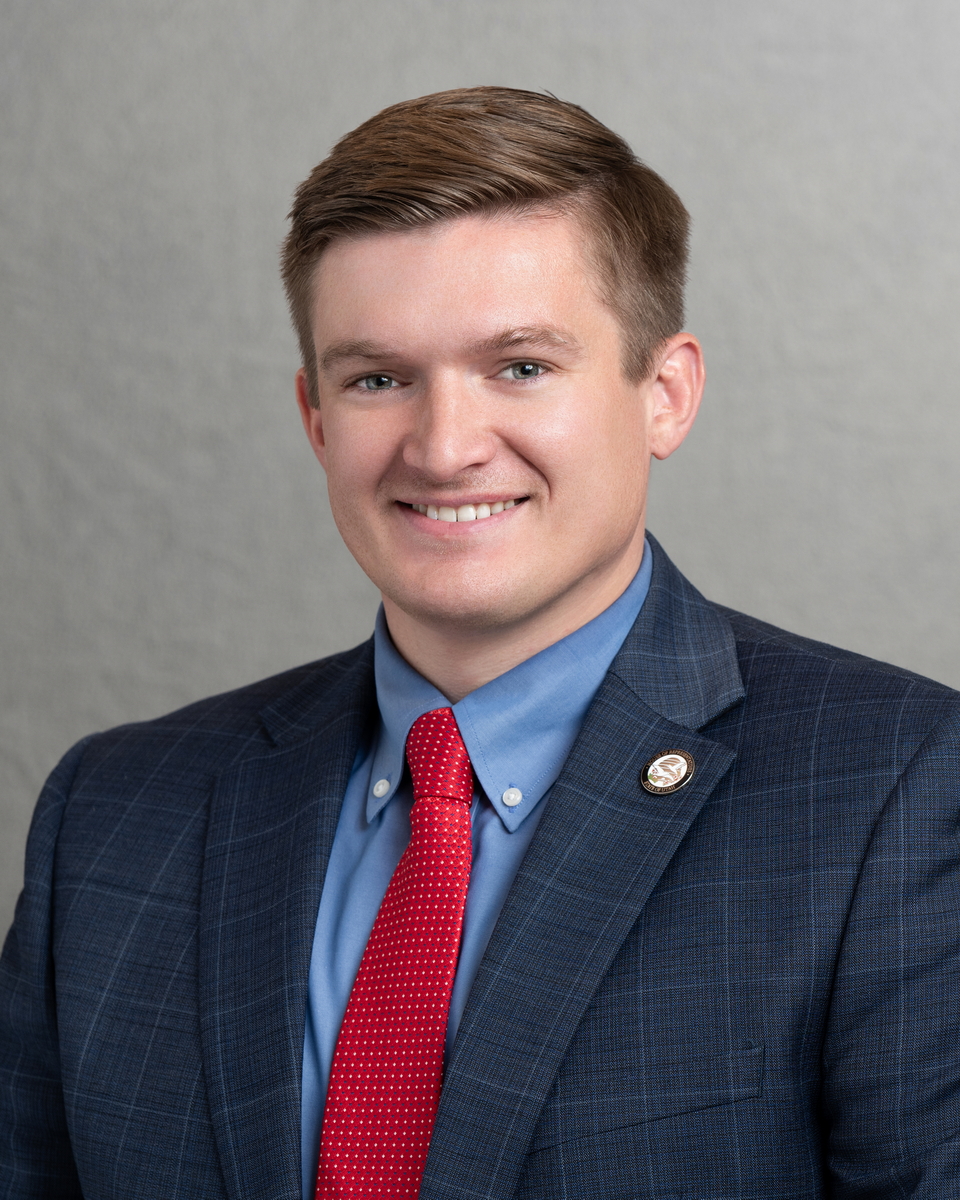
1 primary · 1 co-sponsor
Sponsors
Ask Maddy
·
AI policy assistant
Ask Maddy about SB 313
Scope: UT
Hi! I can help you understand SB 313. What would you like to know?
Try one of these
i
Maddy answers using official bill text and legislative records. Always verify before sharing.
Sources cited inline