Issue · Criminal Justice

Criminal Justice

Every criminal justice bill, vote, and legislator stance in Utah, automatically classified by Maddy, our AI policy reader.

Total bills
20
2026 General Session
Top supporter
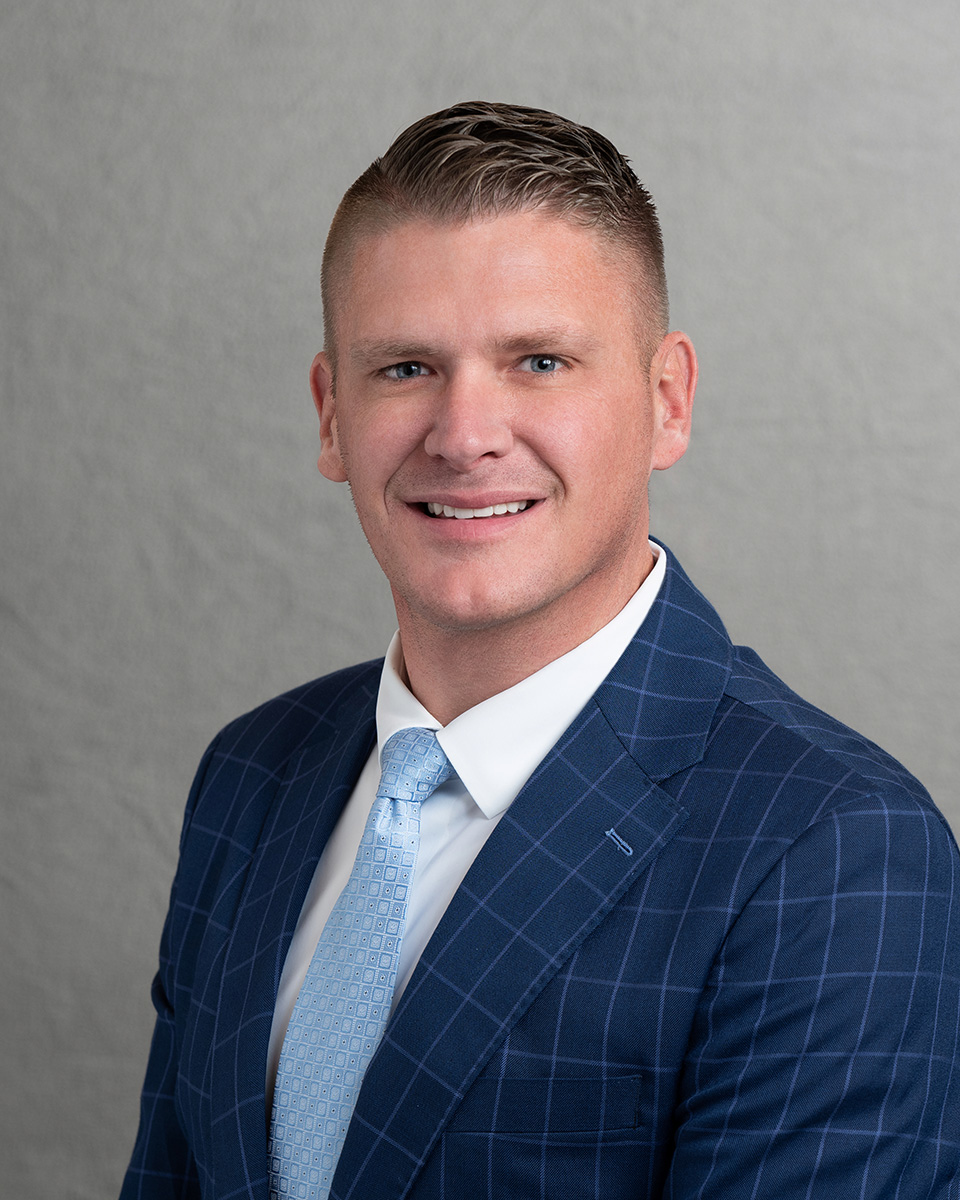
Lincoln Fillmore
92% support rate
Top opponent
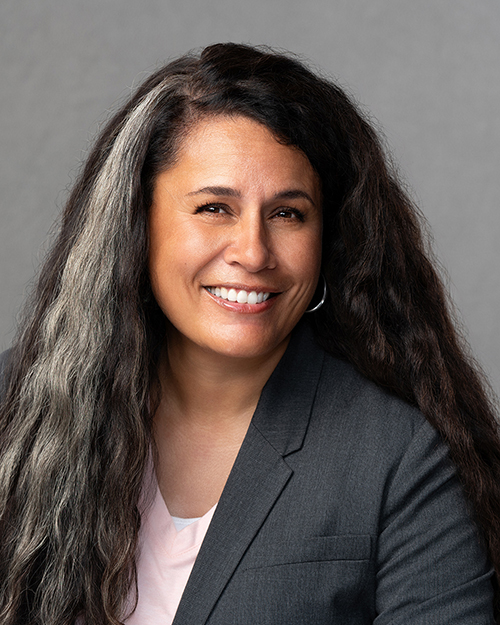
Leah Hansen
9% support rate
Ranked legislators
10
5 support · 5 oppose
Key legislators

Who's moving criminal justice in Utah

Legislators moving criminal justice in Utah
Legislator Party Stance Support rate Votes
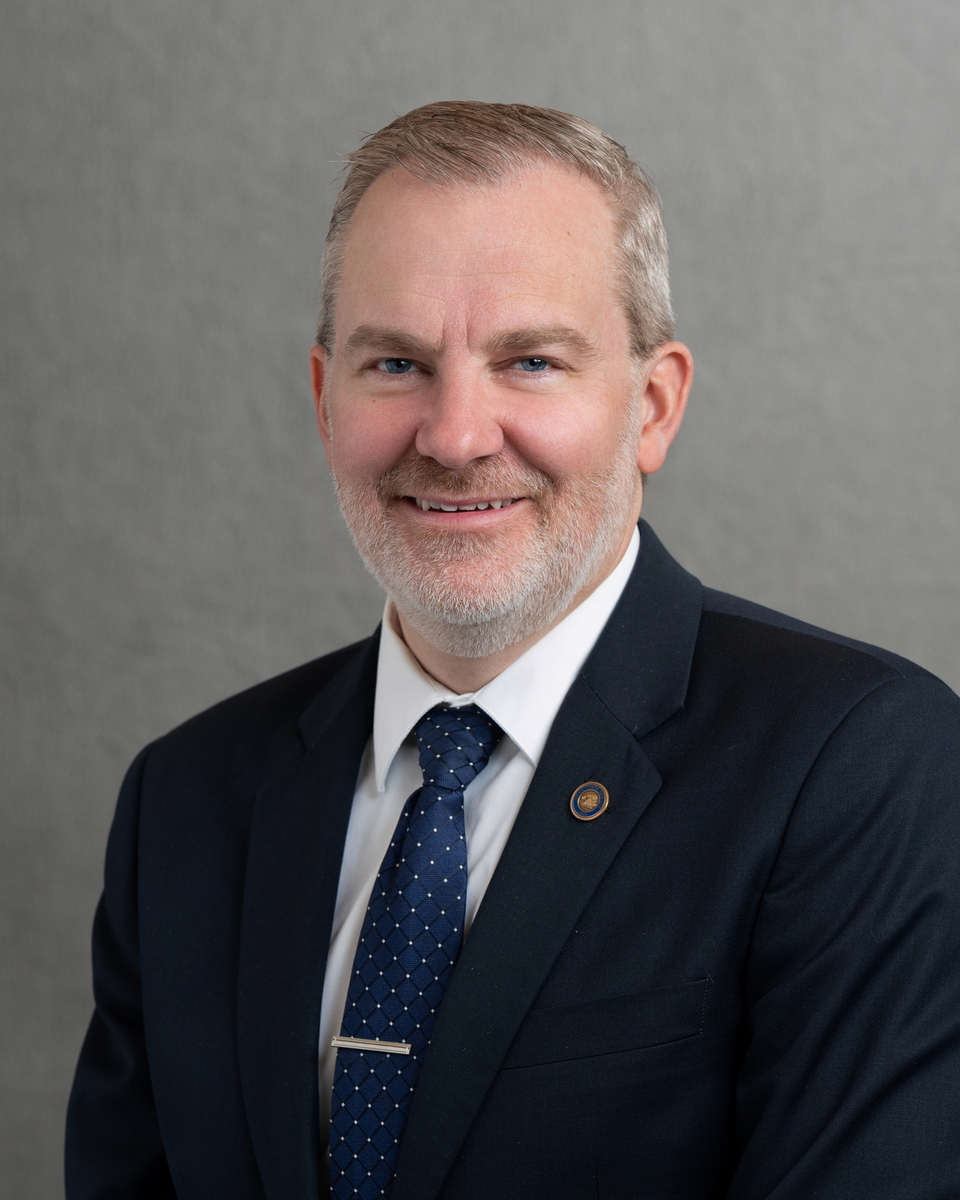
Lincoln Fillmore
Lincoln Fillmore Senate · District 17
R
Strong +
92% 79
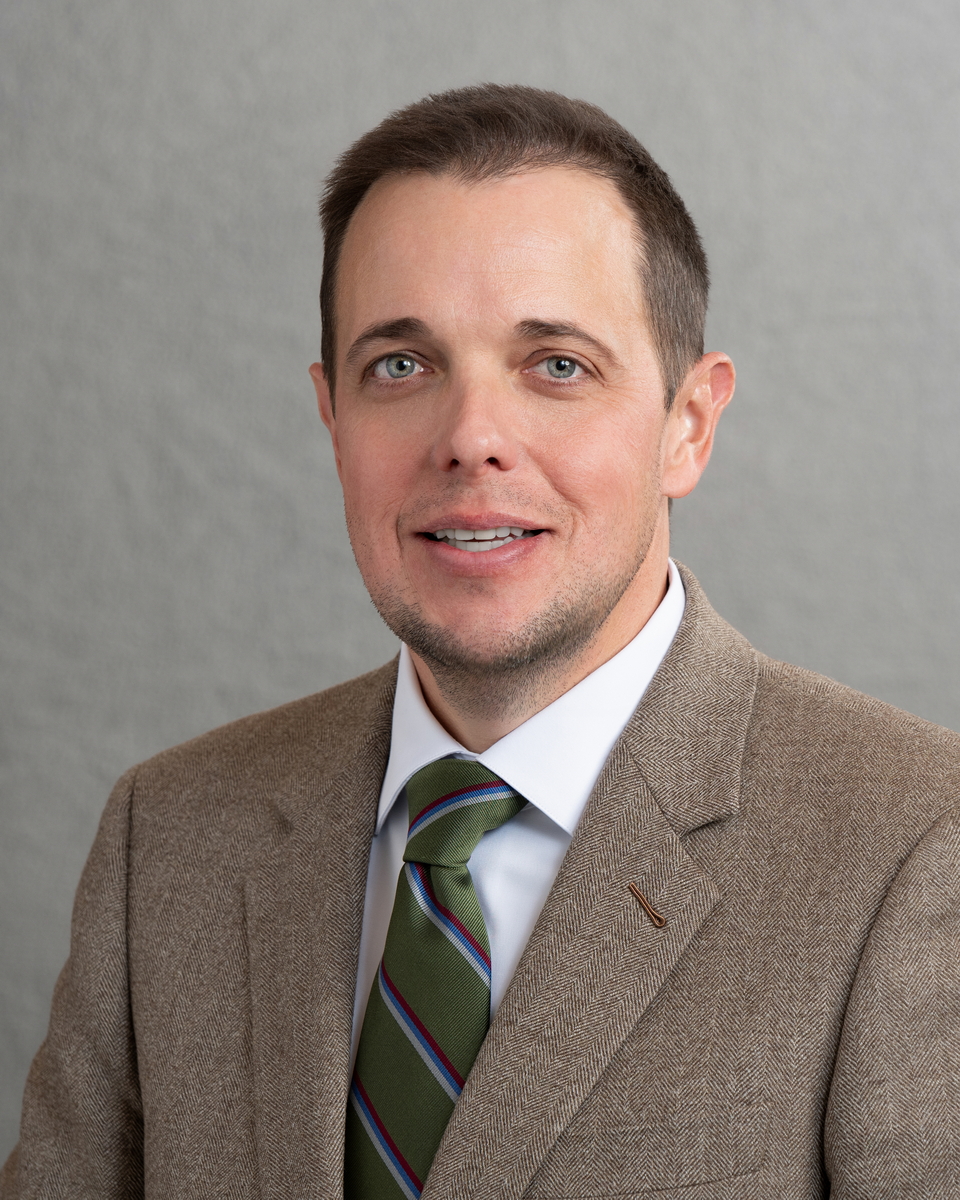
Bridger Bolinder
Bridger Bolinder House · District 29
R
Strong +
91% 59
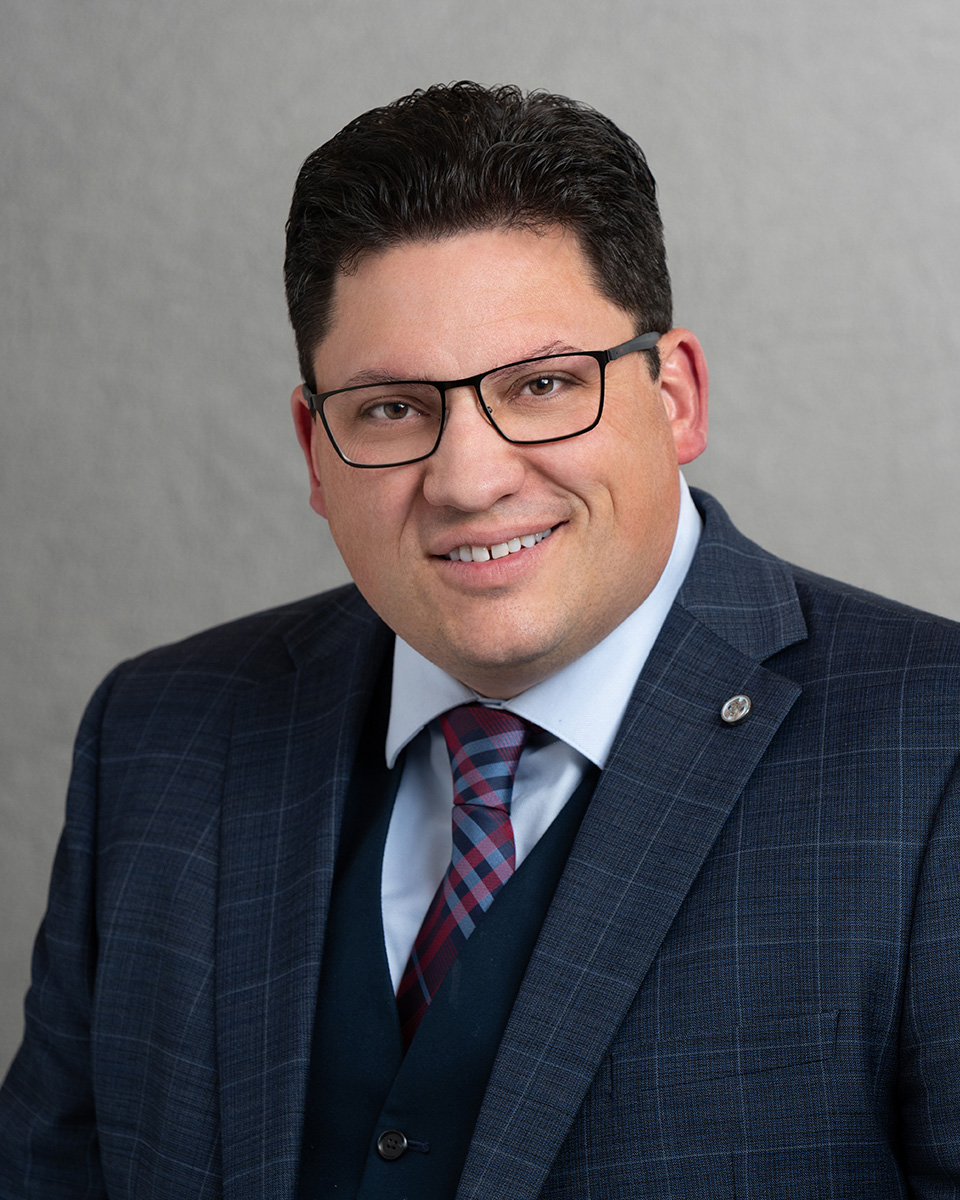
Dan McCay
Dan McCay Senate · District 18
R
Strong +
86% 81
Ryan Wilcox
Ryan Wilcox House · District 7
R
Strong +
83% 60
Jason Thompson
Jason Thompson House · District 3
R
Strong +
82% 60
Leah Hansen
Leah Hansen House · District 51
R
Strong −
9% 63
Grant Miller
Grant Miller House · District 24
D
Strong −
17% 66
Verona Mauga
Verona Mauga House · District 31
D
Oppose
25% 62
Kathleen Riebe
Kathleen Riebe Senate · District 15
D
Oppose
27% 89
Nate Blouin
Nate Blouin Senate · District 13
D
Oppose
27% 94
Showing 1–10 of 20 bills

All criminal justice bills

signed · Utah · House Mar 24, 2026

HB 454: Public Assistance Fraud Amendments

HB 454 creates a new criminal offense for individuals who knowingly help others submit inaccurate public assistance applications (e.g., by including false information or omitting required details). This directly affects people who assist applicants for programs like SNAP or Medicaid, making it a crime if they do so to help someone receive benefits they don’t qualify for. Penalties range from misdemeanors to felonies based on the value of the fraud (e.g., a second-degree felony for $5,000+ in benefits). The bill also adds this new offense to the list of crimes that can form part of a "pattern of unlawful activity" under Utah law. The changes amend existing Utah Code sections without appropriating new funds.
in committee · Utah · House Mar 7, 2026

HB 476: Insanity Defense Amendments

HB 476 modifies Utah's insanity defense rules for first-degree and capital felony cases. It shifts the burden of proof to defendants claiming insanity, requiring them to prove their defense by "clear and convincing evidence." The bill also clarifies that certain conditions (like antisocial personality disorder or substance use disorders) cannot be used as insanity defenses, and updates procedures for mental health evaluations, supervision, and release of defendants found not guilty by reason of insanity. These changes directly affect criminal defendants in serious felony cases who may assert an insanity defense.
signed · Utah · House Mar 25, 2026

HB 536: Criminal Conduct on Public Lands Amendments

HB 536 amends Utah laws to protect public lands and cultural sites by increasing penalties for damaging them. It specifically targets graffiti on natural and archaeological features and alters penalties for harming antiquities. The bill creates a "Public Lands Restoration and Protection Fund" managed by the State Historic Preservation Office, requiring courts to direct restitution from offenders to this fund for violations like graffiti damage or antiquities destruction on state lands. Funds will be used for site restoration, public education about protection laws, and anti-vandalism efforts.
introduced · Utah · House Mar 7, 2026

HB 421: Hit and Run Amendments

HB 421, the "Hit and Run Amendments," increases penalties for drivers who leave the scene of an accident involving property damage or injury. It specifically targets repeat offenders - those previously convicted of the same hit-and-run offense or driving under the influence (DUI) - by imposing harsher punishments. The bill amends Utah's traffic code (sections 41-6a-401, 41-6a-401.3, and others) to clarify definitions, strengthen penalties, and add a new provision (41-6a-401.8) while repealing outdated language. This directly affects drivers convicted of hit-and-run incidents with prior related offenses, making penalties more severe for those with prior violations. The bill contains no new funding requirements or technical changes beyond the penalty adjustments.
Sub-Topics Traffic Safety
signed · Utah · Senate Mar 23, 2026

SB 72: Obscene Animal Abuse Material Amendments

SB 72 creates a new legal definition for "obscene animal abuse material" and makes distributing it a standalone criminal offense in Utah. The bill specifically adds "animal crushing" (graphic abuse of animals for sexual purposes) to the prohibited material, separating it from existing definitions of pornographic content. It requires that this material be treated identically to pornographic materials under Utah law for enforcement and penalties. The bill affects anyone distributing such material, with no budget impact or new funding required.
passed · Utah · House Mar 7, 2026

HB 341: Animal Fighting Penalties

HB 341 amends Utah's animal fighting laws to strengthen penalties for dog fighting, game fowl fighting, and attending such events. It clarifies that owning dog fighting equipment (like breaking sticks or treadmills) is evidence of intent to commit a crime, and creates new offenses for promoting or attending game fowl fights. The bill directly affects individuals who organize, participate in, or spectate dog or game fowl fights, including those allowing minors to attend. Penalties range from class B misdemeanors for first-time attendance or minor offenses to third-degree felonies for repeat dog fighting violations.
signed · Utah · Senate Mar 23, 2026

SB 125: Theft Amendments

SB 125 amends Utah's theft of service law to clarify when prior convictions for theft, robbery, burglary, or fraud can increase penalties for stealing services like utilities, transportation, or accommodations. It specifically changes the rules for elevating theft of service to a third-degree felony (instead of a lesser charge) if the offender has two prior qualifying convictions within 10 years, or if the theft occurs on property where they were previously banned. The bill directly affects individuals committing service theft who have prior criminal records for specified offenses. It makes technical updates to the law without adding new funding or changing the core definition of theft of service. The changes take effect on May 6, 2026.
Sub-Topics Violent Crime
signed · Utah · House Mar 24, 2026

HB 221: Coercion Amendments

HB 221 creates new criminal offenses for aiding or encouraging suicide (separating it from manslaughter) and splits sexual extortion into two distinct charges with added penalties. It adds sexual extortion and aggravated sexual extortion to the list of offenses considered domestic violence and requires mandatory fines for convictions of these specific crimes. The bill directly affects individuals convicted of these coercive acts, altering how these offenses are charged, classified, and punished under Utah law. The changes modify multiple Utah Code sections related to criminal sentencing and sex offender registration.
failed · Utah · Senate Mar 7, 2026

SB 105: Use of Force Amendments

SB 105 amends Utah's self-defense laws to limit when a person can claim justification for using force. It removes the defense if someone causes injury or death to an innocent person while using force against another individual, and denies pretrial hearings for defendants charged with reckless or negligent harm to others during such incidents. The bill specifically targets cases where the defendant’s claimed self-defense against one person results in unintended harm to a third party. These changes affect criminal defendants in Utah who attempt to use self-defense as a legal justification but are charged with causing harm to an unrelated individual. The amendments take effect on May 6, 2026.
Sub-Topics Policing
signed · Utah · House Mar 17, 2026

HB 188: Juvenile Justice Amendments

HB 188 amends Utah's juvenile justice laws to clarify procedures for handling student offenses on school grounds. It directly affects students (minors), schools, law enforcement, and juvenile courts by requiring schools to refer minors to law enforcement for drug offenses and updating eligibility for alternative resolutions (nonjudicial adjustments) in specific cases. Key provisions include defining terms like "school property" and "school-sponsored activity," changing notification requirements for school-based incidents, and repealing outdated reporting statutes. These changes standardize how schools and authorities respond to student misconduct while focusing on concrete policy updates to existing laws.
Showing 1 to 10 of 20 bills
1 2 Next