Issue · Criminal Justice

Criminal Justice

Every criminal justice bill, vote, and legislator stance in Utah, automatically classified by Maddy, our AI policy reader.

Total bills
110
2026 General Session
Top supporter
Lincoln Fillmore
92% support rate
Top opponent
Leah Hansen
9% support rate
Ranked legislators
10
5 support · 5 oppose
Key legislators

Who's moving criminal justice in Utah

Legislators moving criminal justice in Utah
Legislator Party Stance Support rate Votes
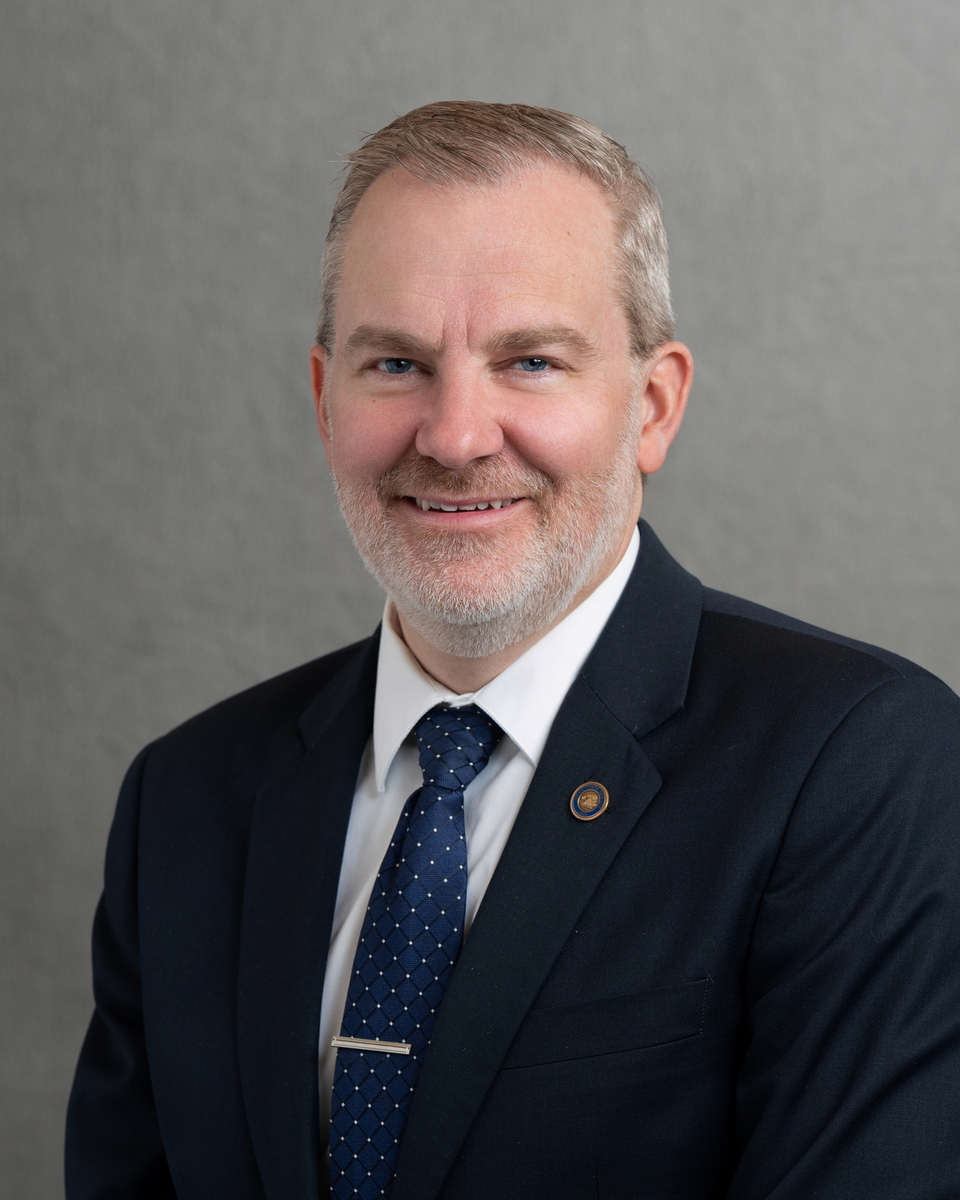
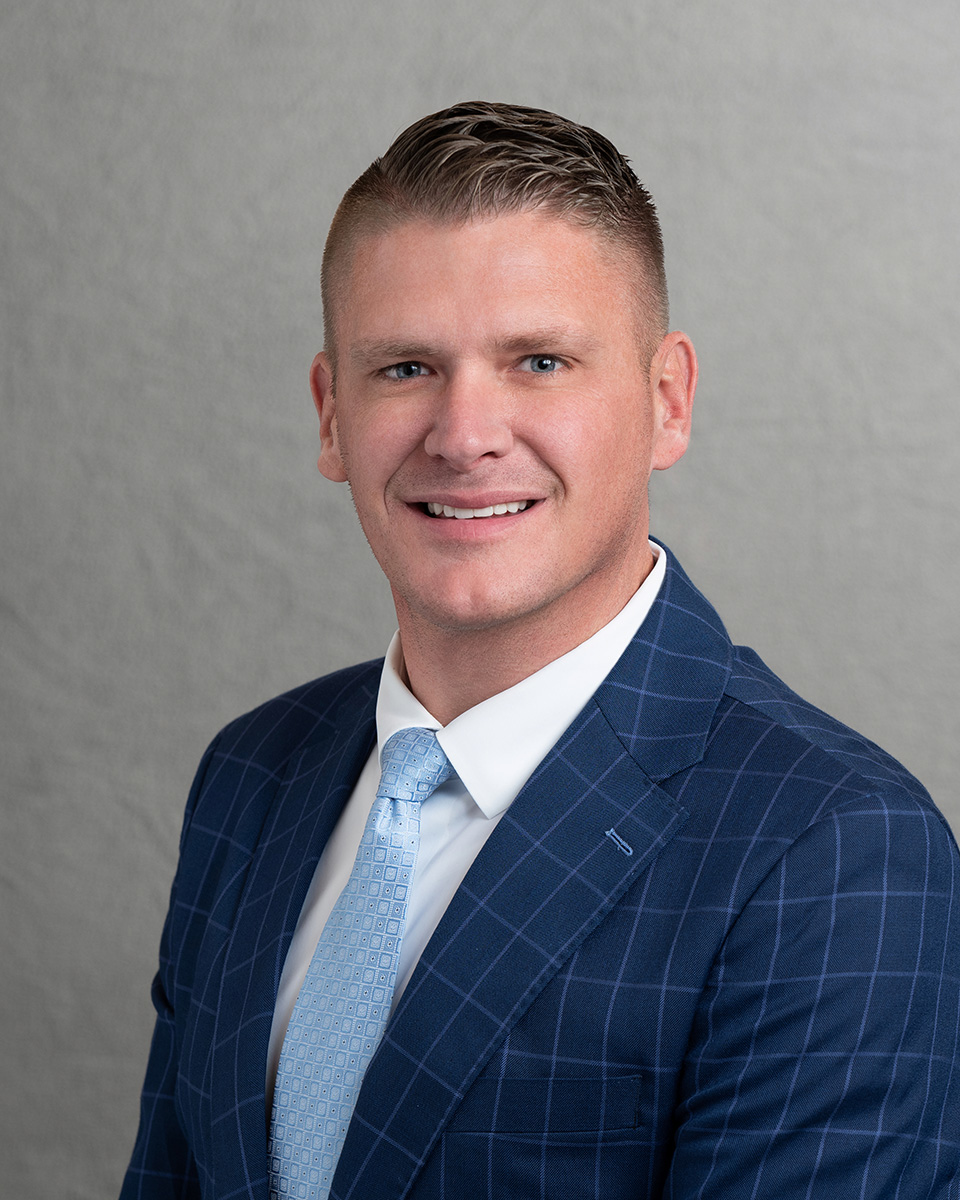
Lincoln Fillmore
Lincoln Fillmore Senate · District 17
R
Strong +
92% 79
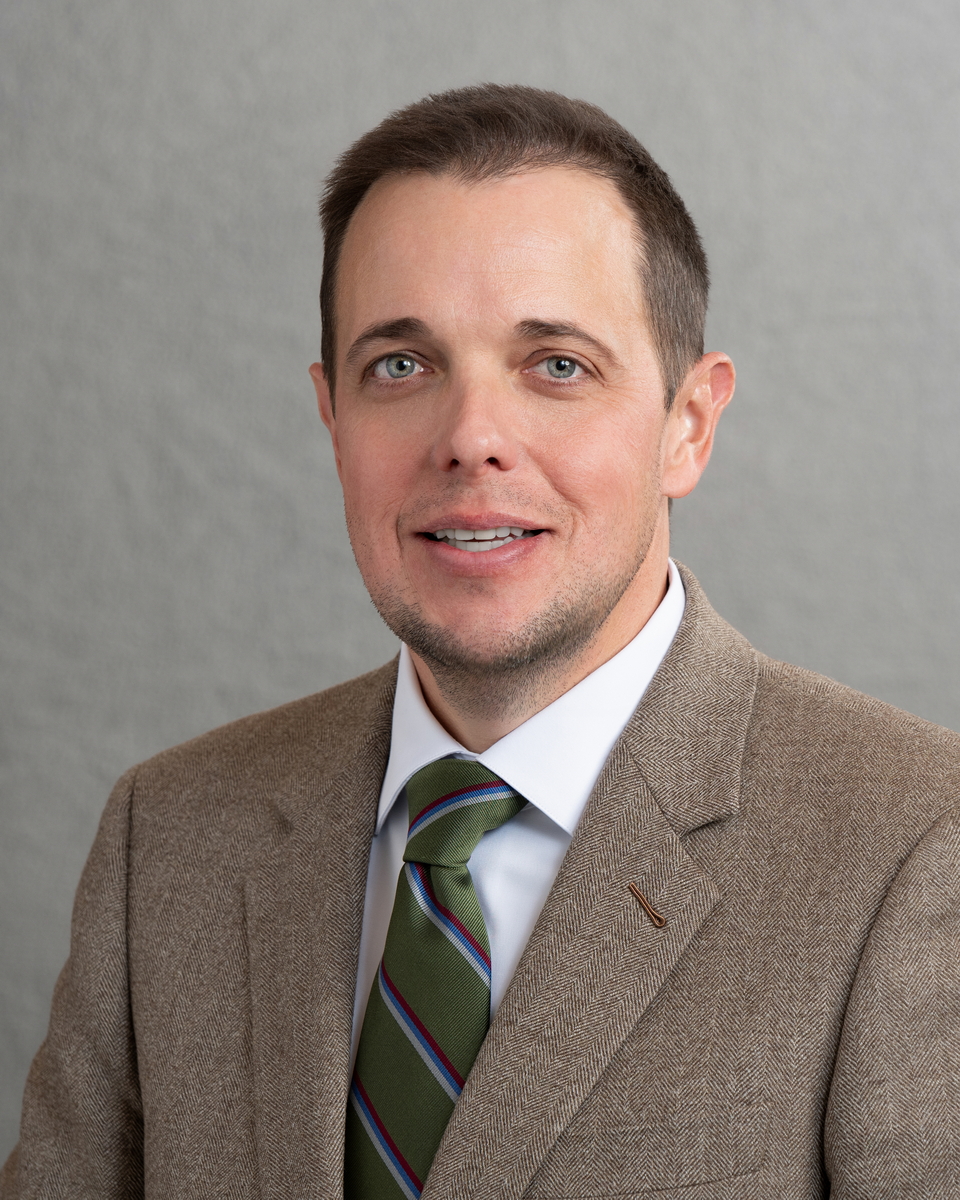
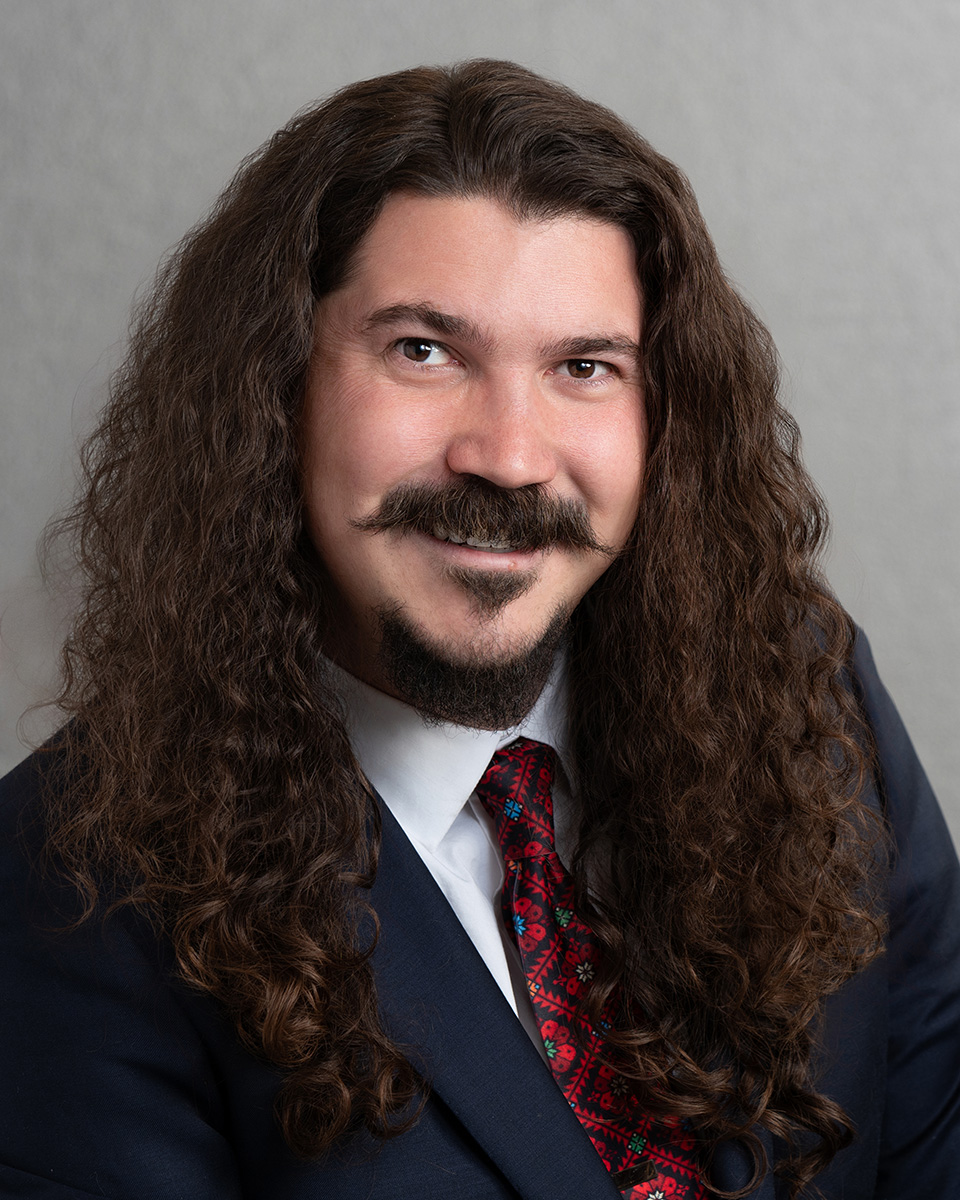
Bridger Bolinder
Bridger Bolinder House · District 29
R
Strong +
91% 59
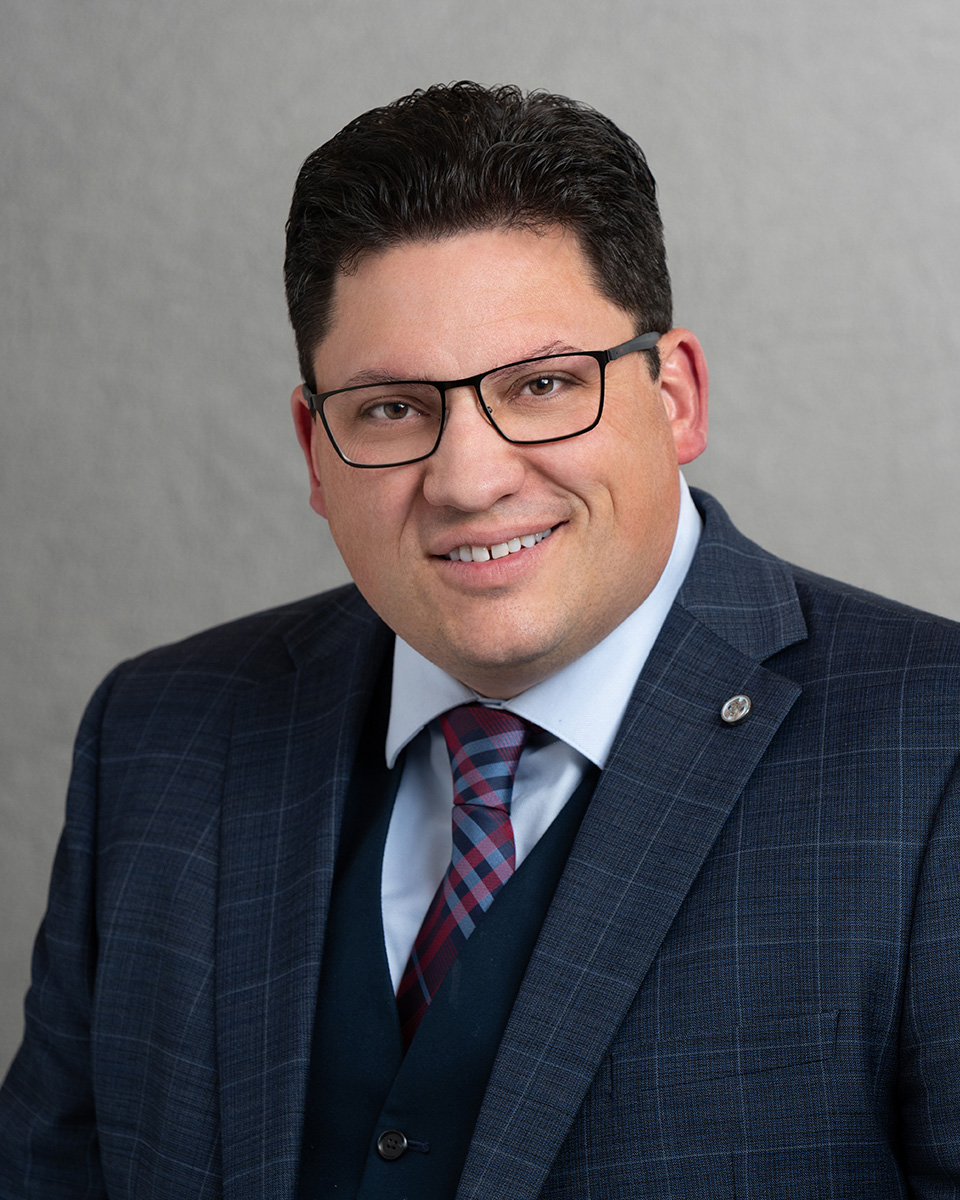
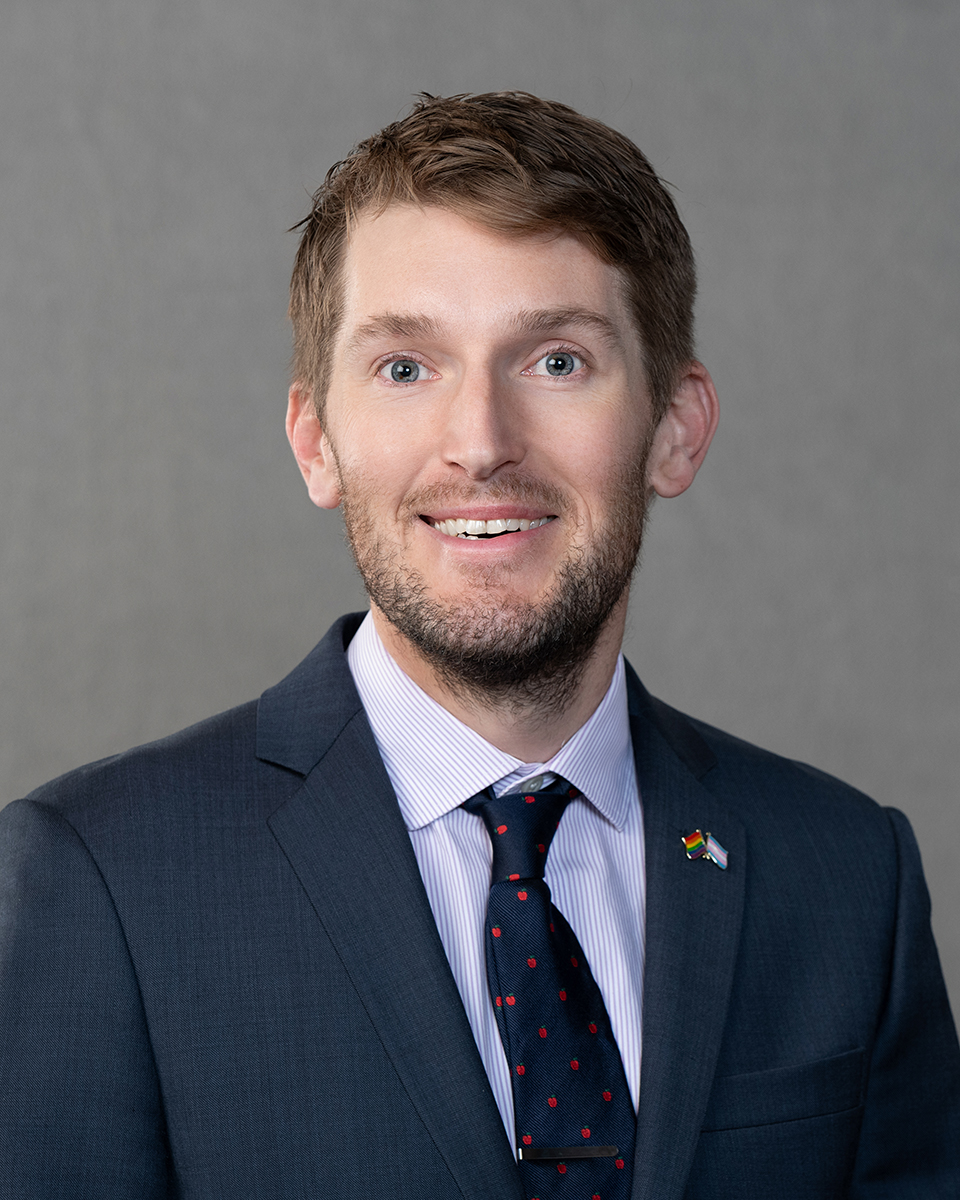
Dan McCay
Dan McCay Senate · District 18
R
Strong +
86% 81
Ryan Wilcox
Ryan Wilcox House · District 7
R
Strong +
83% 60
Jason Thompson
Jason Thompson House · District 3
R
Strong +
82% 60
Leah Hansen
Leah Hansen House · District 51
R
Strong −
9% 63
Grant Miller
Grant Miller House · District 24
D
Strong −
17% 66
Verona Mauga
Verona Mauga House · District 31
D
Oppose
25% 62
Kathleen Riebe
Kathleen Riebe Senate · District 15
D
Oppose
27% 89
Nate Blouin
Nate Blouin Senate · District 13
D
Oppose
27% 94
Showing 31–40 of 110 bills

All criminal justice bills

passed · Utah · Senate Mar 7, 2026

SB 301: Summons Amendments

SB 301 amends criminal procedure rules regarding summons for defendants released from jail before trial. It directly affects defendants, prosecutors, and magistrates by changing when prosecutors can file charges (after 60 days of release) and modifying requirements for magistrates releasing defendants. The bill adds that a presumption favoring defendants' release can be overcome if the defendant fails to appear on a served summons or if good-faith service attempts fail. These changes clarify procedural timelines and service requirements for pretrial releases.
Sub-Topics Corrections Courts
signed · Utah · House Mar 24, 2026

HB 289: Child Sexual Abuse Material Amendments

HB 289 updates Utah's laws regarding child sexual abuse material to address AI-generated content. It defines "apparent child sexual abuse material" as AI-created images that realistically depict minors, creating new standalone offenses for possessing or distributing such material. The bill also defines "obscene child sexual abuse material" and amends existing definitions to exclude artificially generated content from the main "child sexual abuse material" category. These changes specifically target individuals who create, distribute, or possess AI-generated images that appear to show minors, while removing AI content from the primary legal definition. The bill amends multiple Utah code sections without appropriating funds.
introduced · Utah · House Mar 7, 2026

HB 421: Hit and Run Amendments

HB 421, the "Hit and Run Amendments," increases penalties for drivers who leave the scene of an accident involving property damage or injury. It specifically targets repeat offenders - those previously convicted of the same hit-and-run offense or driving under the influence (DUI) - by imposing harsher punishments. The bill amends Utah's traffic code (sections 41-6a-401, 41-6a-401.3, and others) to clarify definitions, strengthen penalties, and add a new provision (41-6a-401.8) while repealing outdated language. This directly affects drivers convicted of hit-and-run incidents with prior related offenses, making penalties more severe for those with prior violations. The bill contains no new funding requirements or technical changes beyond the penalty adjustments.
Sub-Topics Traffic Safety
signed · Utah · Senate Mar 23, 2026

SB 72: Obscene Animal Abuse Material Amendments

SB 72 creates a new legal definition for "obscene animal abuse material" and makes distributing it a standalone criminal offense in Utah. The bill specifically adds "animal crushing" (graphic abuse of animals for sexual purposes) to the prohibited material, separating it from existing definitions of pornographic content. It requires that this material be treated identically to pornographic materials under Utah law for enforcement and penalties. The bill affects anyone distributing such material, with no budget impact or new funding required.
passed · Utah · House Mar 7, 2026

HB 345: Victim Amendments

HB 345 modifies Utah's victim reparations law to expand access for specific victims. It specifically allows mental health counseling as part of reparations for individuals who experienced sexual assault while incarcerated in a prison, jail, or correctional facility. The bill also updates the legal definition of "criminally injurious conduct" and makes technical changes to existing code sections (63M-7-502, 63M-7-509, and 63M-7-510). These changes directly affect incarcerated sexual assault victims seeking reparations for psychological harm. The bill does not appropriate new funds.
signed · Utah · Senate Mar 24, 2026

SB 184: Justice System Amendments

SB 184 allows Utah courts to reduce a defendant's recorded conviction to a lower offense degree under specific conditions. It applies to defendants who meet criteria such as providing substantial assistance in criminal investigations within one year of sentencing, successfully completing probation/parole or a rehabilitation program, or waiting five years without new offenses. Key requirements include prosecutor consent for violent felonies, no pending charges, and no current incarceration. The bill modifies Utah Code Section 76-3-402 to establish these pathways while maintaining safeguards for serious offenses.
signed · Utah · House Mar 26, 2026

HB 139: Female Genital Mutilation Amendments

HB 139 removes the statute of limitations for prosecuting female genital mutilation (FGM), meaning prosecutors can pursue cases at any time regardless of when the offense occurred. It also repeals a requirement for the Department of Health and Human Services to create a community education program about FGM. The bill directly affects individuals who commit FGM and law enforcement by changing how these cases can be prosecuted. These changes amend Utah Code Section 76-1-301 to include FGM under offenses with no time limit for prosecution and remove the education program mandate. The bill takes effect on May 6, 2026.
Sub-Topics Law Enforcement
signed · Utah · House Mar 26, 2026

HB 137: Violent Crime Clearance Rate Amendments

HB 137 creates a grant program to help law enforcement agencies solve violent crimes. It establishes the "Violent Crime Clearance Rate Fund," which can receive state appropriations, private donations, and interest earnings. The fund is nonlapsing (unused money carries over), and the State Commission on Criminal and Juvenile Justice will administer it to award $250,000 in grants for FY2027 to agencies specifically for solving violent crimes. Agencies receiving grants must use the funds solely for this purpose, with no other restrictions or provisions.
signed · Utah · Senate Mar 17, 2026

SB 80: Physician Practice Amendments

SB 80 clarifies that physicians do not commit unprofessional conduct by participating in the execution of a death sentence authorized under Utah law. The bill amends disciplinary rules to explicitly exclude such participation from professional misconduct definitions for physicians. It directly affects medical professionals who may be involved in capital punishment procedures. The bill makes a specific policy change to protect physicians from disciplinary action related to this role, without creating new programs or allocating funds.
signed · Utah · House Mar 19, 2026

HB 321: Inmate Medical Treatment Rates Amendments

HB 321 establishes that Utah's Department of Health and Human Services must pay University of Utah Hospitals and Clinics the standard Medicaid base rate (not higher rates) for inmate medical care when no contract exists, creating a savings mechanism. It requires the department to deposit 50% of these savings into a new "Inmate Medical Treatment Restricted Account" for correctional health services, while the other 50% returns to the General Fund. The bill mandates annual reports to legislative committees detailing the savings calculations and account balances. This directly affects state departments managing inmate healthcare, hospitals providing services, and incarcerated individuals receiving medical treatment. The policy changes focus on standardizing reimbursement rates and tracking cost savings without altering healthcare delivery.
Showing 31 to 40 of 110 bills
Previous 1 3 4 5 11 Next