Issue · Criminal Justice

Criminal Justice

Every criminal justice bill, vote, and legislator stance in Utah, automatically classified by Maddy, our AI policy reader.

Total bills
110
2026 General Session
Top supporter
Lincoln Fillmore
92% support rate
Top opponent
Leah Hansen
9% support rate
Ranked legislators
10
5 support · 5 oppose
Key legislators

Who's moving criminal justice in Utah

Legislators moving criminal justice in Utah
Legislator Party Stance Support rate Votes
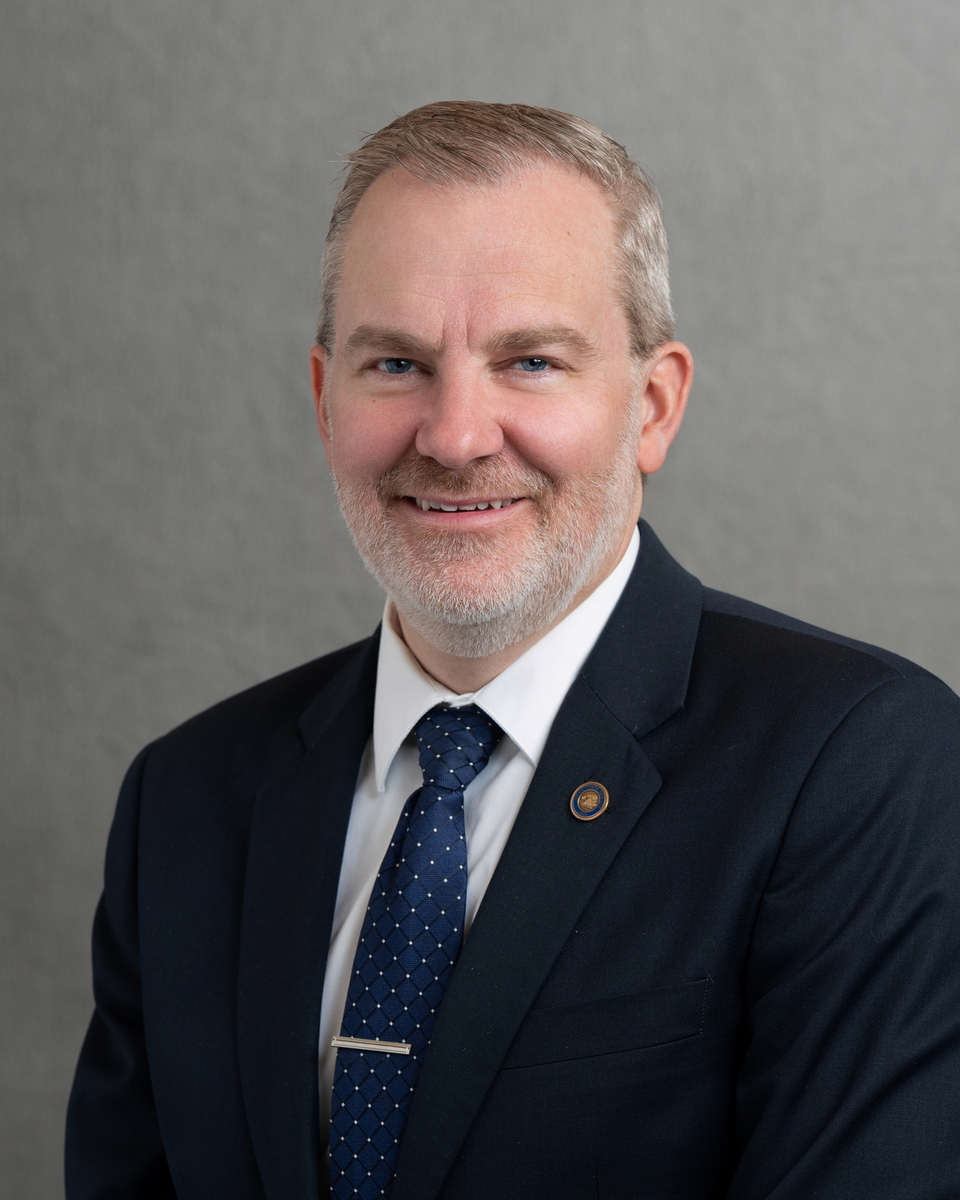
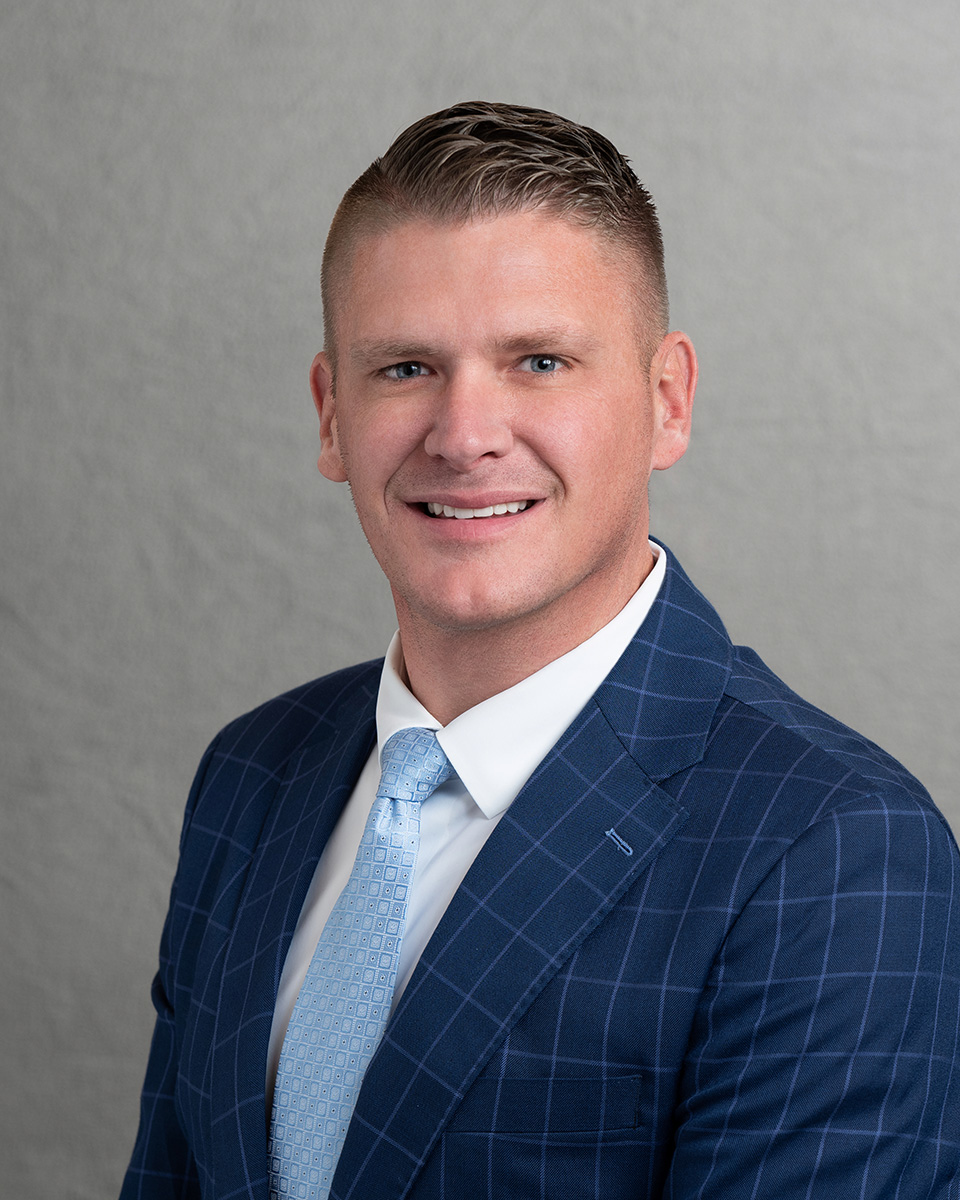
Lincoln Fillmore
Lincoln Fillmore Senate · District 17
R
Strong +
92% 79
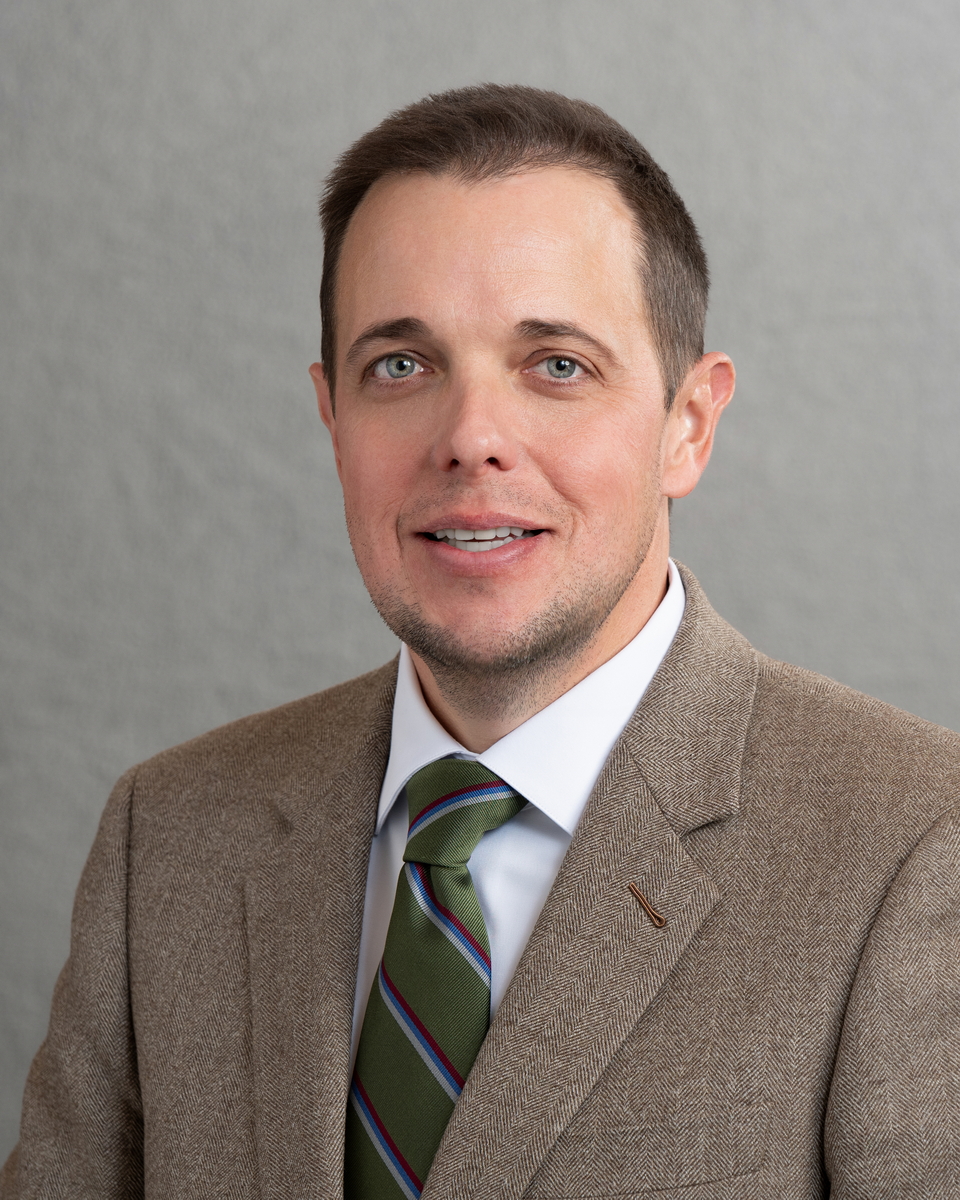
Bridger Bolinder
Bridger Bolinder House · District 29
R
Strong +
91% 59
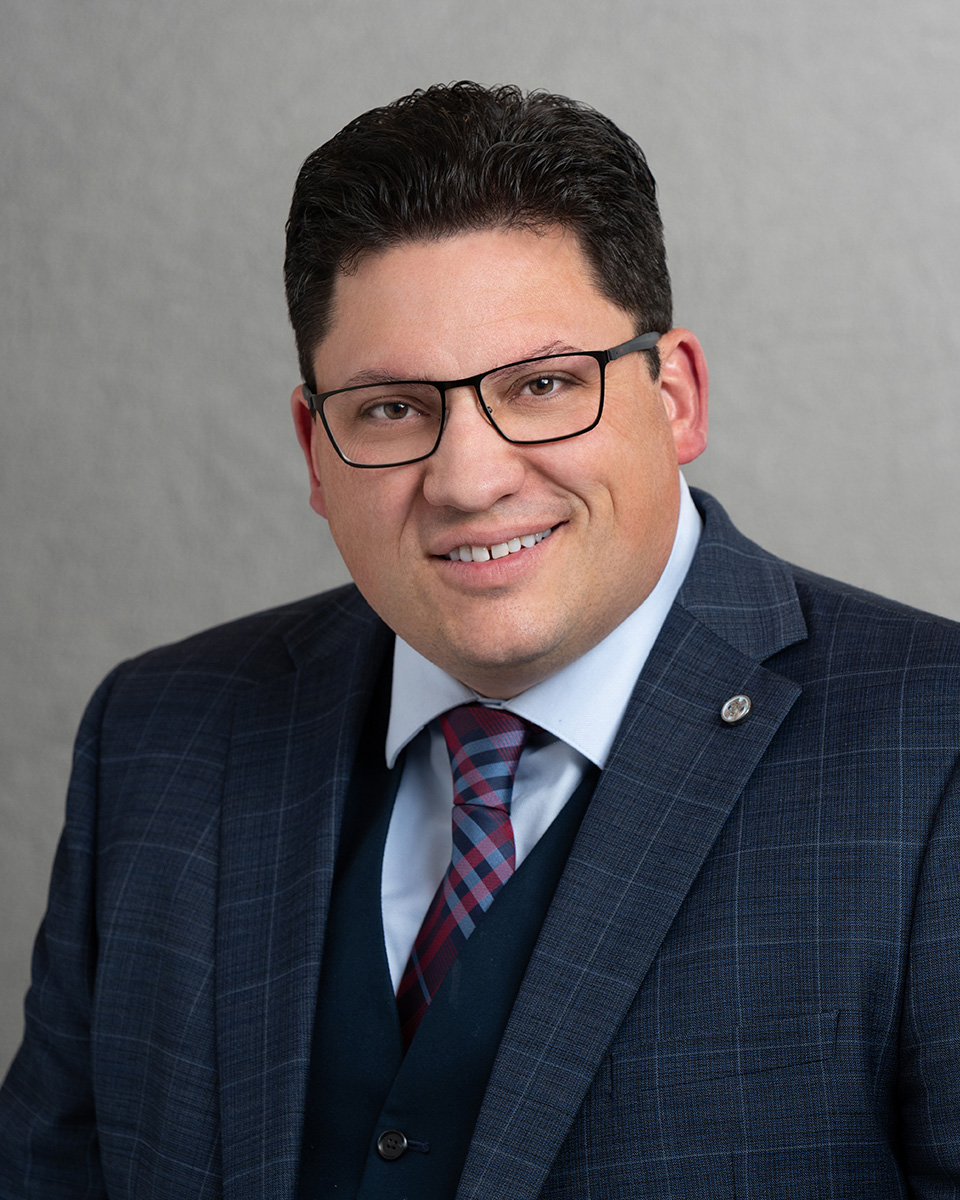
Dan McCay
Dan McCay Senate · District 18
R
Strong +
86% 81
Ryan Wilcox
Ryan Wilcox House · District 7
R
Strong +
83% 60
Jason Thompson
Jason Thompson House · District 3
R
Strong +
82% 60
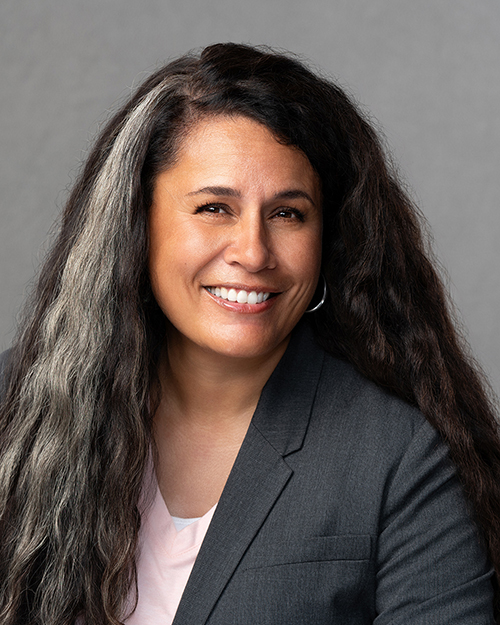
Leah Hansen
Leah Hansen House · District 51
R
Strong −
9% 63
Grant Miller
Grant Miller House · District 24
D
Strong −
17% 66
Verona Mauga
Verona Mauga House · District 31
D
Oppose
25% 62
Kathleen Riebe
Kathleen Riebe Senate · District 15
D
Oppose
27% 89
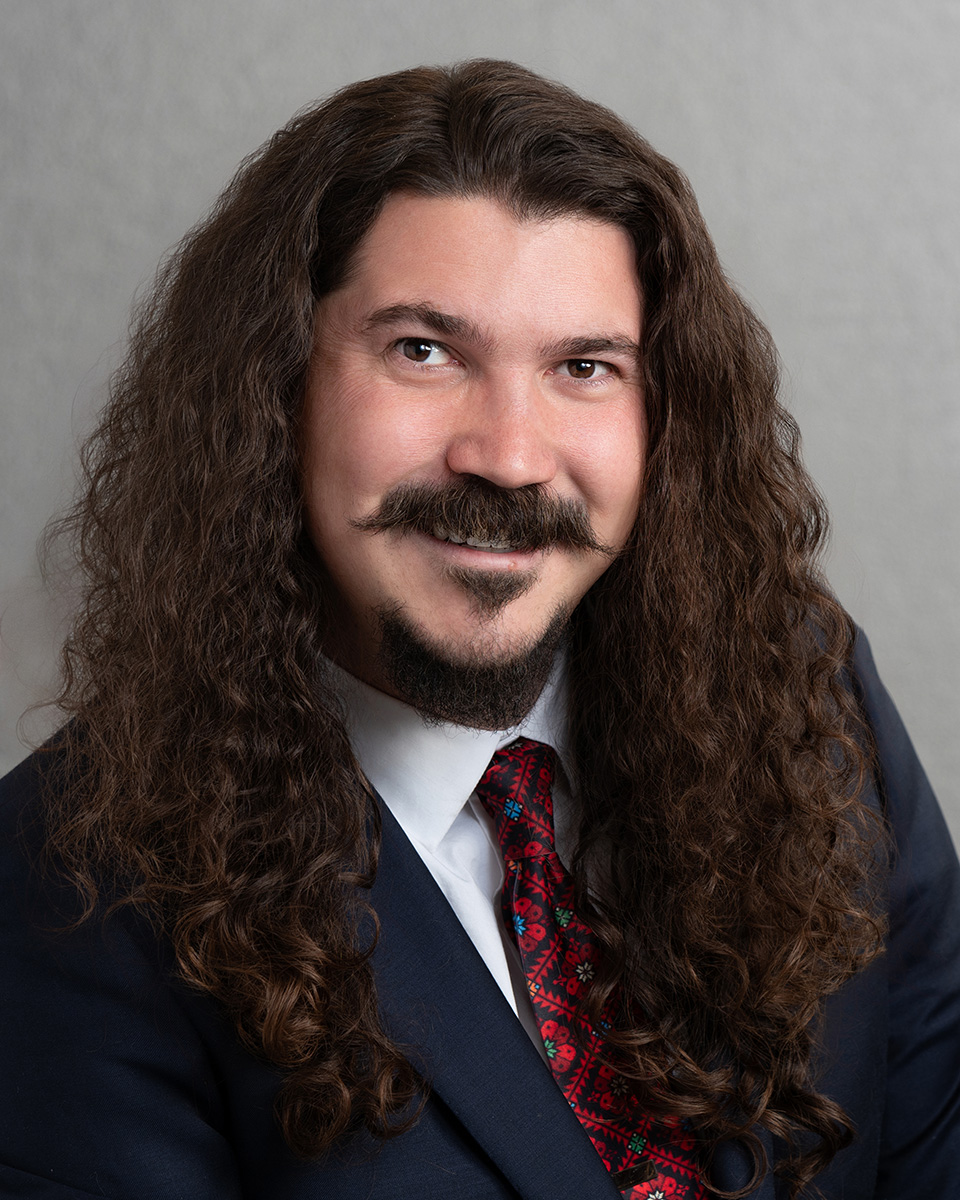
Nate Blouin
Nate Blouin Senate · District 13
D
Oppose
27% 94
Showing 91–100 of 110 bills

All criminal justice bills

passed both · Utah · Senate Mar 16, 2026

SJR 1: Joint Resolution Amending Rules of Evidence Concerning Crimes or Other Acts

SJR 1 amends Utah's Rules of Evidence to allow courts to admit evidence of prior similar child molestation or sexual assault acts in criminal cases involving those specific offenses. It permits prosecutors to present evidence of past child molestation (including sexual exploitation of minors) or prior sexual assaults to show a defendant's propensity, provided they give the defendant reasonable notice before trial. This change directly affects defendants in criminal cases accused of child molestation (involving children under 14) or sexual assault. The amendment does not alter other evidence rules but specifies new procedures for disclosure and admissibility in these limited cases.
Sub-Topics Violent Crime
passed · Utah · House Mar 7, 2026

HB 70: Correctional Health Services Amendments

HB 70 requires Utah's Department of Health and Human Services to implement a new electronic health record system for inmate care by 2026, based on a working group's recommendations. It makes funds for unexpected high-cost correctional health care non-lapsing (meaning they won't expire if unused), and mandates a treatment plan for all inmates with substance use disorders, including medication-based treatment. The bill also sets accreditation standards for correctional health facilities and allows parole boards to consider health examiner reports when deciding parole conditions. These changes directly affect inmates in Utah's correctional facilities, the Department of Health and Human Services, and the Department of Corrections.
in committee · Utah · House Mar 7, 2026

HB 91: Presumption of Indigency Amendments

HB 91 creates a legal presumption that individuals are indigent ( eligible for free legal representation) if they are incarcerated for 10 or more consecutive days. This applies directly to people facing criminal charges who are currently held in jail, prison, or a similar facility. The bill requires courts to automatically treat these individuals as indigent without needing to assess their income, assets, or family circumstances under existing rules. It streamlines access to court-appointed defense counsel for this specific group of incarcerated defendants, while maintaining other existing criteria for indigency determinations. The law takes effect on May 6, 2026.
Sub-Topics Corrections Courts
signed · Utah · House Mar 26, 2026

HB 103: Underage Marriage Amendments

HB 103 creates new criminal offenses in Utah for marrying minors (under 18), transporting minors for illegal marriages, and traveling to marry minors, all classified as third-degree felonies. It also moves existing offenses - such as parents unlawfully consenting to a minor's marriage, officiating underage marriages without authorization, and fraudulently posing as a parent or guardian - into the criminal code. The bill extends the statute of limitations for these crimes to 15 years after the minor turns 18, allowing prosecution even if the marriage occurred years earlier. Additionally, it invalidates marriages involving minors performed in other states or countries unless they meet Utah’s specific requirements, directly affecting minors, individuals involved in such marriages, and marriage officiants.
in committee · Utah · Senate Mar 7, 2026

SB 48: Kratom Revisions

SB 48 amends Utah's controlled substances laws to regulate specific kratom compounds. It designates 7-hydroxymitragynine (if exceeding 2% concentration) and Mitragynine pseudoindoxyl (including synthetics) as Schedule I controlled substances. The bill requires kratom processors to label products with mitragynine and 7-hydroxymitragynine content and prohibits mixing kratom with harmful substances or selling unregistered products. Violations carry a class C misdemeanor penalty, directly affecting kratom businesses operating in Utah.
Sub-Topics Drug Policy
passed · Utah · House Mar 7, 2026

HB 39: Prison and Jail Standards Amendments

HB 39 requires county sheriffs and Utah's Department of Corrections to implement independent oversight systems for all county jails and state correctional facilities. Specifically, it mandates that every county jail under a sheriff's jurisdiction must operate under independently administered standards and undergo regular independent inspections, with the same requirement applying to state facilities managed by the Department of Corrections. These provisions apply directly to county sheriffs, jail operators, and the Department of Corrections, adding new inspection requirements on top of existing standards. The bill makes technical updates to Utah law without appropriating new funds or creating new programs.
signed · Utah · House Mar 26, 2026

HB 94: Criminal Accounts Receivable Amendments

HB 94 allows Utah defendants who owe court costs or fees (but not restitution payments) to reduce those amounts by completing court-ordered treatment or compensatory service. The bill increases the credit rate for compensatory service from $10 to $12 per hour and requires defendants to prove financial hardship and provide documentation of completed service or treatment. It applies only to non-restitution fees, such as court costs or fines, and does not affect restitution payments. This change aims to provide flexibility for defendants facing financial hardship while maintaining accountability for non-restitution obligations.
Sub-Topics Courts Victims' Rights
signed · Utah · House Mar 25, 2026

HB 48: Criminal and Juvenile Justice Changes

HB 48 updates Utah's definitions and reporting requirements for recidivism in both adult and juvenile justice systems. It broadens how "recidivism" is measured to include misdemeanor arrests involving force (not just prison returns) and defines juvenile recidivism for data reporting. The bill removes the ban on placing minors in adult correctional facilities as an alternative to detention and allows prosecutors to request changes to where minors tried as adults are housed. These changes affect the State Commission on Criminal and Juvenile Justice, the Department of Corrections, and juvenile justice programs by requiring updated data collection methods and reporting standards.
signed · Utah · House Mar 26, 2026

HB 122: Pregnant and Postpartum Inmate Amendments

HB 122 requires Utah correctional facilities to report the number of pregnant inmates and inmates who are parents of minor children. It extends postpartum recovery care to 12 weeks, prohibits restraints during this period without specific security justification, and increases social worker access from six to 12 weeks to help inmates arrange childcare, plan family reunification, and access substance abuse treatment if needed. The bill also clarifies that facilities must provide postpartum medical care for 12 weeks after childbirth. These changes directly affect pregnant and postpartum incarcerated individuals in Utah state prisons and county jails.
signed · Utah · House Mar 26, 2026

HB 102: Victim Privacy Amendments

HB 102, the Victim Privacy Amendments, protects crime victims' identities in Utah's public criminal justice records. It allows victims to request using initials instead of their full name in documents like court filings under certain circumstances. The bill also creates a searchable database of victim names (accessible only via court order) and classifies this database as a protected record under Utah's Government Records Access Act. These changes directly affect individuals involved in criminal cases who seek to limit public disclosure of their personal information.
Sub-Topics Courts Victims' Rights
Showing 91 to 100 of 110 bills