Issue · Education

Education

Every education bill, vote, and legislator stance in United States, automatically classified by Maddy, our AI policy reader.

Total bills
1,179
119th Congress
Top supporter
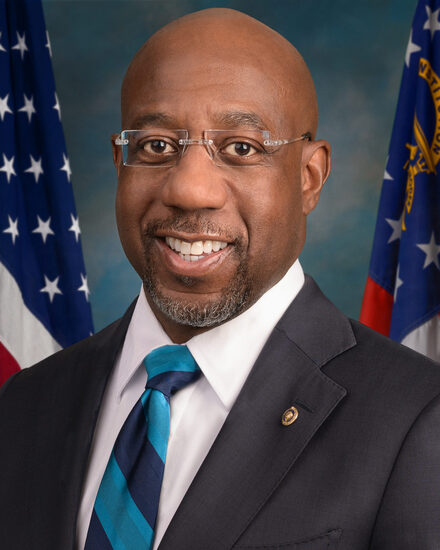
Raphael G. Warnock
100% support rate
Top opponent
Thomas Massie
14% support rate
Ranked legislators
10
5 support · 5 oppose
Key legislators

Who's moving education in United States

Legislators moving education in United States
Legislator Party Stance Support rate Votes
Raphael G. Warnock
Raphael G. Warnock Senate
D
Strong +
100% 167
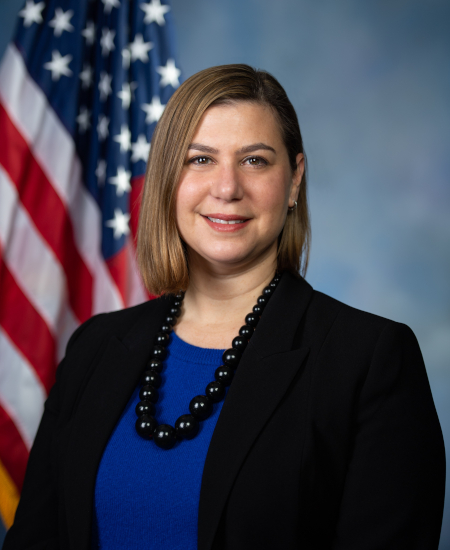
Elissa Slotkin
Elissa Slotkin Senate
D
Strong +
86% 166
Michael F. Bennet
Michael F. Bennet Senate
D
Strong +
86% 137
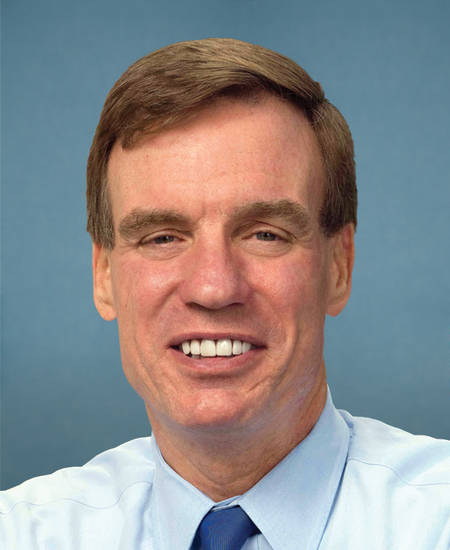
Mark R. Warner
Mark R. Warner Senate
D
Strong +
86% 167
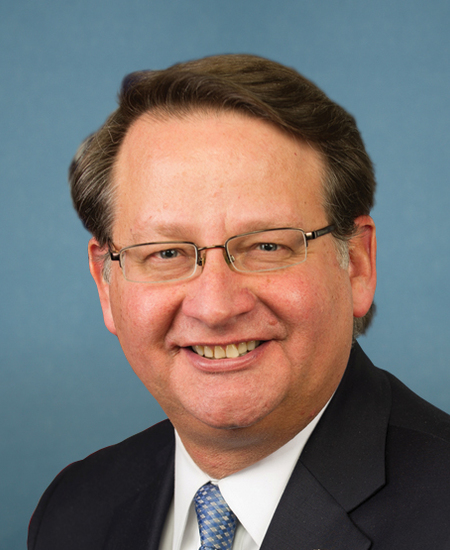
Gary C. Peters
Gary C. Peters Senate
D
Strong +
86% 167
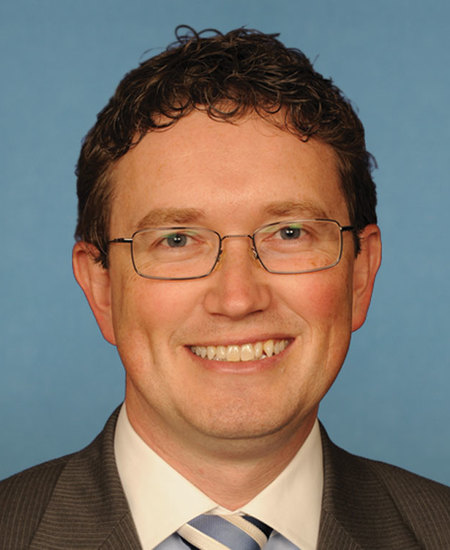
Thomas Massie
Thomas Massie House · District 4
R
Strong −
14% 126
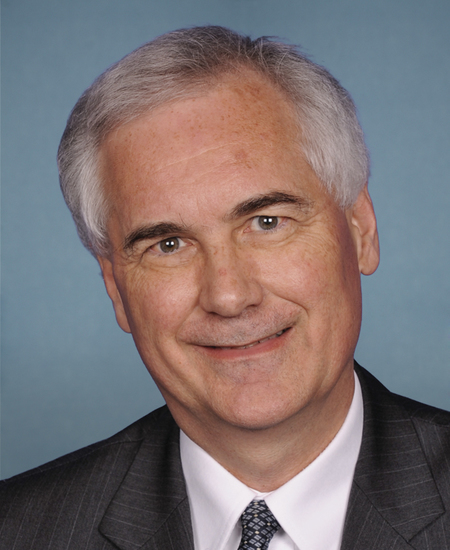
Tom McClintock
Tom McClintock House · District 5
R
Strong −
14% 125
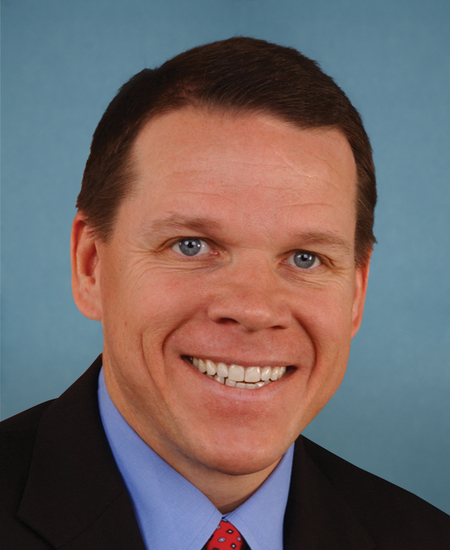
Sam Graves
Sam Graves House · District 6
R
Strong −
14% 124
Elijah Crane
Elijah Crane House · District 2
R
Strong −
14% 128
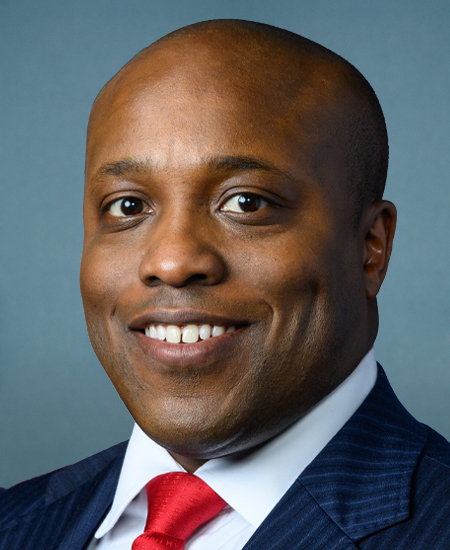
Wesley Hunt
Wesley Hunt House · District 38
R
Strong −
14% 109
Showing 1,081–1,090 of 1,179 bills

All education bills

in committee · United States · Senate Dec 17, 2025

S 3538: Student Loan Tax Elimination Act

This bill repeals origination fees charged on new Federal Direct Loans under the Higher Education Act. It directly affects borrowers who take out new federal student loans through the Direct Loan program, eliminating an upfront fee they previously paid. The change takes effect for loans with their first disbursement or consolidation applications received on or after July 1 following the bill's enactment. The bill focuses solely on removing this specific fee, not on tax changes as the title suggests.
in committee · United States · Senate Sep 18, 2025

S 2862: CCAMPIS Reauthorization Act

Child Care Access Means Parents In Schools Reauthorization Act or the CCAMPIS Reauthorization Act This bill reauthorizes through FY2031 and revises the Child Care Access Means Parents in School Program. The program awards grants to support the participation of eligible low-income parents in postsecondary education through the provision of campus-based child care services. Among other revisions to the program, the bill increases the minimum and maximum grant amounts, allows grant funds to be used for additional purposes (e.g., child care subsidies and support services), and specifies additional grant application requirements.
in committee · United States · Senate Sep 4, 2025

S 2727: A bill to amend the Food, Agriculture, Conservation, and Trade Act of 1990 to authorize grants for eligible institutions to carry out agriculture workforce training programs, and for other purposes.

S 2727 authorizes grants for eligible educational institutions to develop agriculture workforce training programs. These programs must combine classroom learning with industry experience like internships and apprenticeships, involving partnerships with agriculture companies, industry associations, or nonprofit employment groups. Eligible institutions include land-grant colleges, Hispanic-serving agricultural schools, community colleges with agriculture programs, and career technical schools. Grant funds must cover at least 5% for student recruitment and faculty training to improve worker skills and retention in the agriculture sector.
Sub-Topics Career & Technical Education Tags Agriculture
in committee · United States · House Jan 31, 2025

HR 869: Keep Our PACT Act

HR 869, the Keep Our PACT Act, mandates specific annual funding levels for two key education programs: Title I of the Elementary and Secondary Education Act (ESEA) and the Individuals with Disabilities Education Act (IDEA). For Title I, it requires funding in fiscal years 2026-2035 that equals the difference between the 2025 funding level and set annual dollar targets (e.g., $20.5 billion for 2026). For IDEA, it sets mandatory annual funding levels that gradually increase to reach 40% of the national average per-pupil expenditure for students with disabilities by 2035. The bill directly affects public school districts and students, particularly those with disabilities, by guaranteeing these funding levels rather than relying on annual appropriations.
in committee · United States · Senate Mar 19, 2026

S 1813: High-Quality Charter Schools Act

This bill creates a 75% federal tax credit for individuals donating cash or securities to approved nonprofit charter school organizations. The credit is limited to 10% of adjusted gross income or $5,000 annually, and applies only to organizations meeting strict criteria (like 501(c)(3) status, performance-based state selection, and annual audits). It requires these organizations to spend 100% of donations on charter school creation/expansion within five years and caps total annual tax credits at $5 billion, allocated by state. The credit is designed to incentivize private funding for charter schools while ensuring accountability through spending rules and oversight.
in committee · United States · Senate Feb 5, 2025

S 404: Focus on Learning Act

The Focus on Learning Act requires the Surgeon General to study how mobile device use affects student learning, mental health, and school climate in K-12 schools. It establishes a pilot program offering $5 million to fund secure containers/lockers for schools to create "mobile device-free environments" during school hours (excluding school-issued devices). Participating schools must maintain communication systems for staff/emergency response, have clear parent contact processes, and get parental input before implementing the policy. The bill directly affects elementary and secondary schools, students, and parents by mandating a study and pilot program to test device-free learning environments.
in committee · United States · House Sep 11, 2025

HR 5307: Learn and Serve America Reinvestment Act

This bill provides $40 million annually for the Learn and Serve America program, which funds service-learning projects in schools and community organizations. It expands eligibility to include individual school districts and groups of school districts (consortia), allowing more educational institutions to participate. The bill also reserves 2-3% of funds for tribal programs through the Bureau of Indian Affairs. These changes aim to increase access to service-learning opportunities for students nationwide by updating program administration and funding distribution.
introduced · United States · Senate Jan 27, 2026

S 3627: Pregnant Students’ Rights Act

S 3627, the Pregnant Students’ Rights Act, requires colleges and universities participating in federal student aid programs to provide clear information about pregnancy-related resources and accommodations to all enrolled students. The bill mandates annual email notifications, inclusion in student handbooks and orientations, and availability at health centers and websites, detailing campus/community resources, available accommodations, and how to file Title IX complaints. It specifically covers students planning to or currently pregnant who wish to carry a baby to term. The law focuses solely on disseminating existing information and does not create new rights or accommodations. (Bill text amended under Section 485 of the Higher Education Act.)
Sub-Topics Higher Education
in committee · United States · House Aug 8, 2025

HR 4945: GO Ag Act

HR 4945, the GO Ag Act, creates a $5 million grant program to fund new agricultural education programs in secondary schools. It provides competitive grants (max $100,000 per school) for schools to develop new programs focused on agriculture, including curriculum, equipment, and work-based learning. To qualify, schools must show programs are new, align with regional employer needs, and include sustainable funding beyond the grant. Grantees must track student progress (including special populations) and submit annual reports on program effectiveness through 2028.
in committee · United States · House May 20, 2025

HR 3510: Saving Students with Software Act

HR 3510, the Saving Students with Software Act, creates a federal grant program to help schools implement suicide prevention software. The bill directs the Secretary of Education to award grants to states for covering costs of software that monitors student device use in elementary and secondary schools (as defined by existing law). This software automatically alerts school staff if a student types words or phrases related to self-harm or suicide. The program aims to provide schools with funding to adopt this specific monitoring tool, directly affecting school districts and students using school-provided devices. Grants are available for software designed to detect and report concerning language during student device use.
Showing 1,081 to 1,090 of 1,179 bills