Issue · Education

Education

Every education bill, vote, and legislator stance in United States, automatically classified by Maddy, our AI policy reader.

Total bills
1,179
119th Congress
Top supporter
Raphael G. Warnock
100% support rate
Top opponent
Thomas Massie
14% support rate
Ranked legislators
10
5 support · 5 oppose
Key legislators

Who's moving education in United States

Legislators moving education in United States
Legislator Party Stance Support rate Votes
Raphael G. Warnock
Raphael G. Warnock Senate
D
Strong +
100% 167
Elissa Slotkin
Elissa Slotkin Senate
D
Strong +
86% 166
Michael F. Bennet
Michael F. Bennet Senate
D
Strong +
86% 137
Mark R. Warner
Mark R. Warner Senate
D
Strong +
86% 167
Gary C. Peters
Gary C. Peters Senate
D
Strong +
86% 167
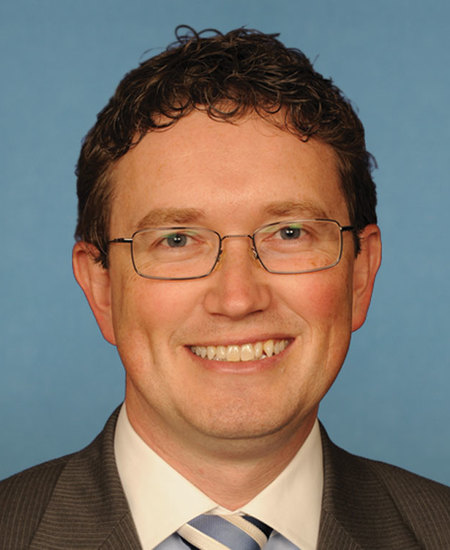
Thomas Massie
Thomas Massie House · District 4
R
Strong −
14% 126
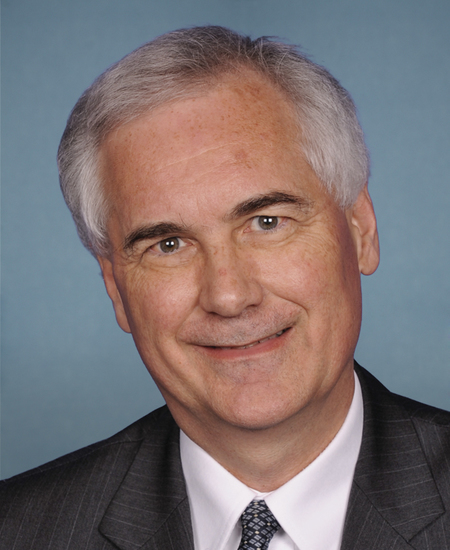
Tom McClintock
Tom McClintock House · District 5
R
Strong −
14% 125
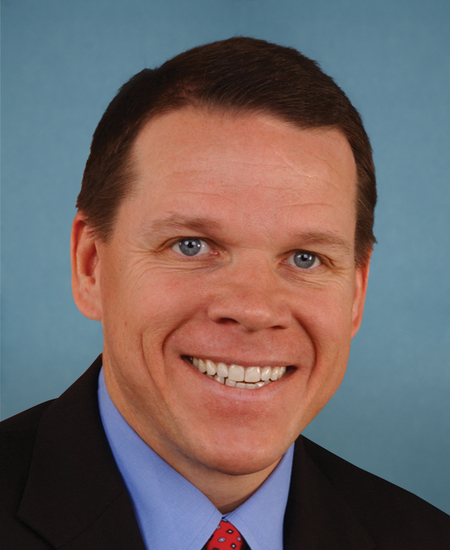
Sam Graves
Sam Graves House · District 6
R
Strong −
14% 124
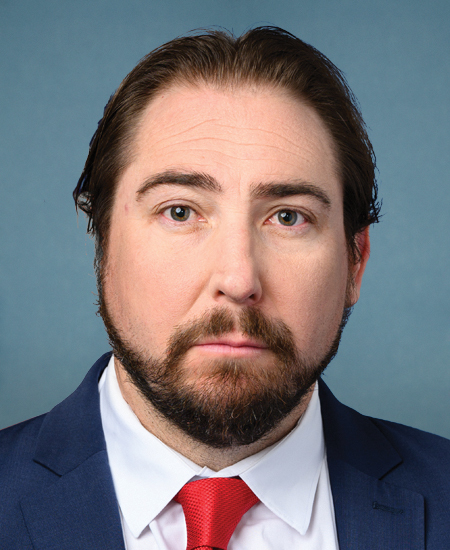
Elijah Crane
Elijah Crane House · District 2
R
Strong −
14% 128
Wesley Hunt
Wesley Hunt House · District 38
R
Strong −
14% 109
Showing 1,071–1,080 of 1,179 bills

All education bills

in committee · United States · House Nov 17, 2025

HR 6065: Farm to School Act of 2025

The Farm to School Act of 2025 updates federal programs to connect schools and early childhood programs with local farms. It expands eligibility to include more institutions (beyond just schools) and requires projects to include activities like planting gardens, buying from nearby farmers, or teaching about food/nutrition. The bill increases annual funding to $10 million and sets a $500,000 cap per grant, while prioritizing projects serving socially disadvantaged communities and incorporating tribal foods and traditional practices. It also mandates a review every three years to identify and address barriers for small farmers, tribal producers, and schools trying to implement these programs.
Sub-Topics Student Health
in committee · United States · House Apr 14, 2025

HR 2911: Accounting STEM Pursuit Act of 2025

This bill amends the Elementary and Secondary Education Act to explicitly include accounting education as part of a well-rounded K-12 curriculum. It requires schools to develop and strengthen programs teaching accounting, including increasing access to high-quality accounting courses for students from groups historically underrepresented in accounting careers. The key provision inserts specific language into existing law, directing schools to promote accounting career awareness and expand course availability through grade 12. This directly affects K-12 students, particularly those from underrepresented backgrounds, by making accounting education a recognized component of career-focused learning.
in committee · United States · House Mar 21, 2025

HR 2275: SCHOOL Act of 2025

The SCHOOL Act of 2025 (HR 2275) changes how federal education funds flow by requiring states to allocate funds based on where students attend school, rather than where the school district is located. It directly affects children aged 5-17 (and students with disabilities under IDEA) enrolled in public, private, or home schools by allowing states to distribute funds through education savings accounts for eligible families. Key provisions include using federal funds for tuition, materials, therapies, and other educational expenses at the family's chosen school, while ensuring funds supplement - rather than replace - existing local resources. The bill explicitly prohibits federal control over private schools and maintains eligibility for programs like free school meals.
in committee · United States · House Jan 3, 2025

HR 83: Ending Common Core and Expanding School Choice Act

This bill changes how federal education funds are distributed by directing funds to follow eligible low-income students (ages 5-17 from families below poverty level) to their families or schools. It allows states to use these funds for qualified expenses like public school tuition, private school tuition at approved schools, or supplemental programs. The bill explicitly prohibits federal officials from mandating specific curricula, assessments, or standards - such as Common Core - requiring states to maintain control over education content. It also repeals existing federal assessment grants, shifting focus to student-centered funding.
in committee · United States · Senate Dec 3, 2025

S 3318: American Citizens First Act

The American Citizens First Act restricts federal benefits for noncitizens and strengthens immigration enforcement. It bars noncitizens from receiving most federal benefits, including welfare, food assistance, Medicaid (except emergency services), housing aid, and student loans. The bill also allows revoking citizenship for naturalized citizens convicted of violent protests or acts against the government, expands expedited removal for certain immigrants, and requires security reviews for Afghans admitted since 2021. Additionally, it automatically terminates temporary protected status for nationals from countries where the crime rate among them exceeds the national average by 20%, with semiannual crime rate reports to Congress.
in committee · United States · Senate Jul 30, 2025

S 2559: Summer Meals REACH Act of 2025

This bill (S 2559) amends the Summer Food Service Program for Children under the National School Lunch Act to expand access to summer meals. It directly affects children in low-income areas by making **all children eligible** for meals (removing prior restrictions) and allowing **non-congregate meals** (meaning meals can be served without requiring children to gather in one location). Key provisions include requiring onsite or offsite food service monitoring and revising payment rules to cover meals served to all eligible children. The changes aim to simplify access and increase participation in the program.
Sub-Topics Student Health
in committee · United States · House Jul 23, 2025

HR 4658: STUDENT Act

HR 4658, the STUDENT Act, would impose new requirements on the National Education Association (NEA) to maintain its federal charter. The bill mandates explicit employee consent for membership dues (ending automatic payroll deductions), prohibits the NEA from engaging in political activities or lobbying, and bans the promotion of specific beliefs (such as claims that the U.S. is fundamentally racist) in schools. It also repeals the NEA's property tax exemption in the District of Columbia and requires the organization to comply with anti-discrimination rules and labor laws. These changes directly affect the NEA and its state/local affiliates, altering how they operate and interact with public schools.
in committee · United States · House Mar 11, 2025

HR 2080: Crucial Communism Teaching Act

HR 2080, the "Crucial Communism Teaching Act," requires high schools to teach students about communism's historical and current impacts. The bill mandates that students learn communism caused over 100 million deaths globally, understand its dangers, and recognize that 1.5 billion people "still suffer under communism." It directs the Victims of Communism Memorial Foundation to develop a high school curriculum and oral history resources ("Portraits in Patriotism") featuring victim stories, with specific focus on modern examples like Xinjiang human rights abuses and China's actions in Hong Kong and Taiwan. The curriculum must be integrated into social studies, government, history, and economics classes, and updated to cover both historical and current communist regimes.
in committee · United States · Senate Feb 5, 2026

S 3783: Mental Health Career Promotion Act

The Mental Health Career Promotion Act (S 3783) creates a federal grant program to help schools and community colleges connect students with mental health career opportunities. It provides $50 million annually (2026-2030) for partnerships between schools, community colleges, and mental health providers to offer students career exposure through presentations, internships, mentorships, and shadowing. The program targets high school students (grades 9-12) and community college students, requiring activities to be culturally and linguistically appropriate. Grants must support concrete career pathways in mental health fields, including roles like counselors, social workers, and peer specialists, with annual reporting on program effectiveness.
in committee · United States · House Dec 11, 2025

HR 6606: Opportunities for Success Act of 2025

The Opportunities for Success Act of 2025 amends the Higher Education Act to increase funding for work-based learning programs, authorizing $1.5 billion in 2027 and rising to $2.5 billion annually by 2031. The bill requires institutions to allocate at least 7% of work-study funds to compensate students in work-based learning positions and at least 3% to students with "exceptional need" during periods of nonenrollment. It defines "work-based learning" to include internships, fellowships, and apprenticeships, and establishes new metrics for determining which institutions qualify as "improved institutions" for funding allocation. The legislation also mandates new surveys to evaluate program effectiveness and requires institutions to prioritize students with Federal Pell Grants and exceptional need.
Showing 1,071 to 1,080 of 1,179 bills