Issue · Labor & Employment

Labor & Employment (Collective Bargaining)

Every labor & employment bill, vote, and legislator stance in United States, automatically classified by Maddy, our AI policy reader.

Total bills
117
119th Congress
Top supporter
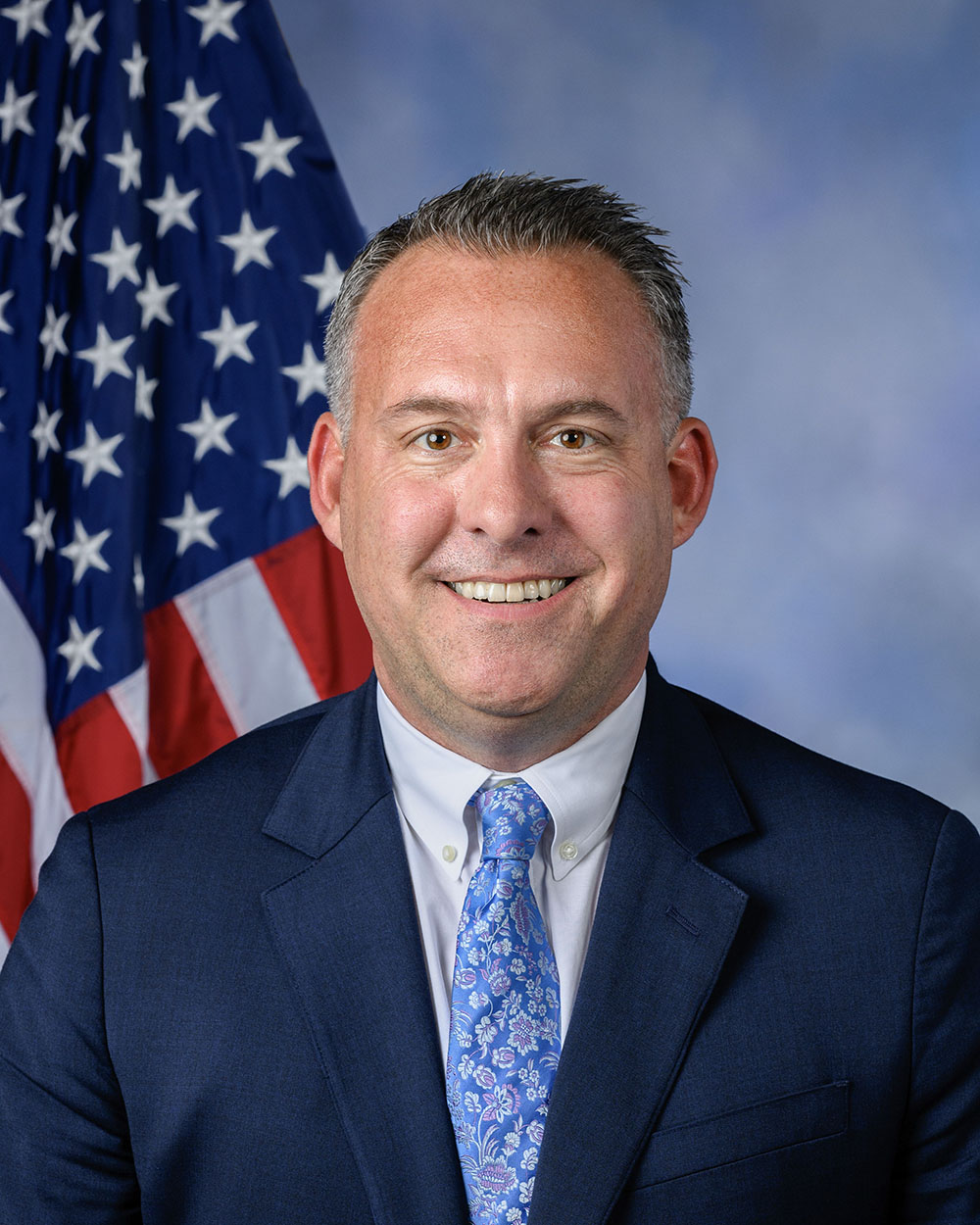
Adam Gray
100% support rate
Top opponent
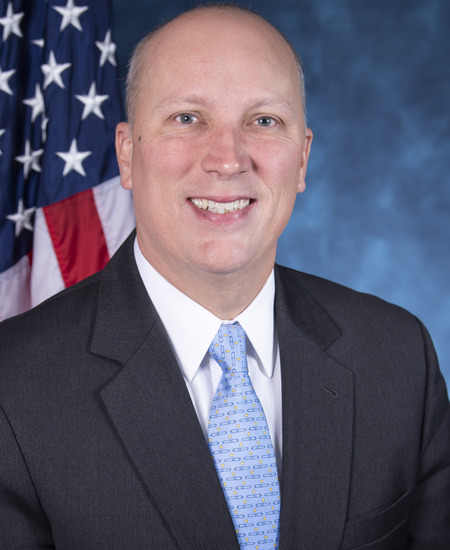
Chip Roy
0% support rate
Ranked legislators
10
5 support · 5 oppose
Key legislators

Who's moving collective bargaining in United States

Legislators moving collective bargaining in United States
Legislator Party Stance Support rate Votes
Adam Gray
Adam Gray House · District 13
D
Strong +
100% 7
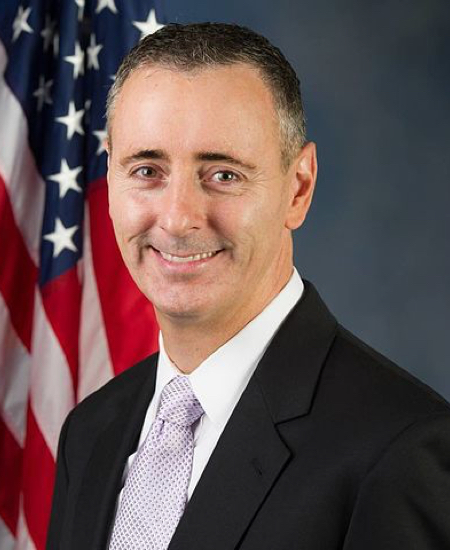
Brian K. Fitzpatrick
Brian K. Fitzpatrick House · District 1
R
Strong +
100% 7
Brittany Pettersen
Brittany Pettersen House · District 7
D
Strong +
100% 7
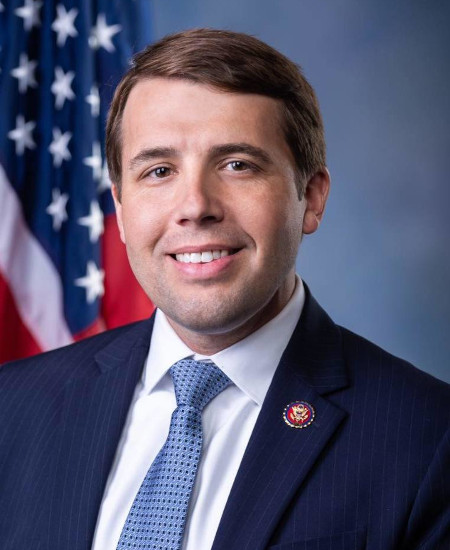
Chris Pappas
Chris Pappas House · District 1
D
Strong +
100% 7
Christopher H. Smith
Christopher H. Smith House · District 4
R
Strong +
100% 7
Chip Roy
Chip Roy House · District 21
R
Strong −
0% 7
Eric Burlison
Eric Burlison House · District 7
R
Strong −
0% 7
Scott Perry
Scott Perry House · District 10
R
Strong −
0% 7
Tom McClintock
Tom McClintock House · District 5
R
Strong −
0% 7
Celeste Maloy
Celeste Maloy House · District 2
R
Strong −
0% 6
Showing 1–10 of 117 bills

All labor & employment bills

in committee · United States · House Aug 31, 2026

HR 10194: PRO–WORK Act

The PRO-WORK Act would prohibit employers from receiving federal funds during any period they lock out their employees, as well as for an additional period equal in length to the lockout or one year if a prior lockout occurred. Additionally, the bill denies tax credits to corporations that engage in employee lockouts, with the penalty becoming more severe if the company has locked out workers before within the same tax year. These restrictions would take effect on January 1, 2026, and require employers who violate the funding ban to reimburse the federal government for any improperly used money.
in committee · United States · House Sep 3, 2026

HR 10250: No Preference Act

HR 10250, known as the No Preference Act, prohibits federal executive agencies and the Department of Defense from requiring or giving preference to contractors based on their use of union labor. The bill amends existing laws to ensure that government contract awards cannot be influenced by whether a company's workers are covered by collective bargaining agreements. This change directly affects federal procurement processes by mandating that offers be evaluated without regard to the labor status of the bidding firms.
in committee · United States · House Sep 1, 2026

HR 10209: GREEN Hospitals Act

The GREEN Hospitals Act authorizes $100 billion in Hill-Burton grants for hospitals and other medical facilities to upgrade their infrastructure for climate resilience and emissions reduction. It also establishes a separate $5 billion Planning and Evaluation Grant Program that provides up to $500,000 per project to help states, tribes, and nonprofits develop sustainability plans before construction begins. To receive funding, applicants must demonstrate labor protections, including collective bargaining agreements or non-interference policies, and certify they do not impose training repayment debts on employees. The bill prioritizes projects in environmental justice communities and those serving high numbers of Medicare and Medicaid patients, requiring that at least half of the planning grant funds be directed to these areas.
in committee · United States · House Aug 6, 2026

HR 10044: AI Tax and Work Protection Act

The AI Tax and Work Protection Act imposes a new excise tax on companies that develop or sell artificial intelligence foundation models, with rates that increase based on the national unemployment level. The revenue generated from this tax is placed into a dedicated trust fund to finance a new federal jobs program administered by a newly created Office of Job Creation within the Department of Labor. This program awards grants to state, local, and tribal governments to hire permanent, full-time workers for specific public service roles, such as in education, healthcare, infrastructure, and community safety. To ensure the jobs created do not replace existing workers, the bill includes strict nondisplacement rules and mandates that grant recipients provide employees with strong labor protections, including collective bargaining rights, competitive wages, and paid leave. Additionally, the legislation directs the Bureau of Labor Statistics to study the impact of AI on the workforce and establishes an advisory committee to guide the implementation of the job creation initiatives.
in committee · United States · House Jul 9, 2026

HR 9636: Improving CTU Act of 2026

The Improving Clarity and Transparency for Unions Act of 2026 requires labor organizations to make their financial audit results available to members. Specifically, unions must publish these audit findings on their websites or provide copies upon request if a website is not available. These changes apply to financial reports submitted six months after the law takes effect, aiming to increase transparency within union finances.
in committee · United States · Senate Apr 21, 2026

S 4366: Know Your Labor Rights Act

The Know Your Labor Rights Act amends the National Labor Relations Act to require employers to post and electronically display notices explaining employees' labor rights in conspicuous locations. Under this bill, employers must also inform each new hire about the information contained in these notices, with the National Labor Relations Board providing the notice text to the public at no cost. The legislation establishes a penalty system where the Board can issue compliance orders and impose civil fines of up to $500 for each violation of the new posting requirements. These changes directly affect employers by mandating specific transparency measures and creating financial consequences for failing to meet them.
in committee · United States · Senate Apr 30, 2026

S 4452: Let Experienced Pilots Fly Act

This bill, known as the Let Experienced Pilots Fly Act, raises the mandatory retirement age for commercial airline pilots from 65 to 67 years old. It allows airlines to voluntarily choose to keep a stricter limit of 70 years, but once they make that choice, they cannot lower it later. The law also ensures that pilots aged 60 and older must hold a specific type of medical certificate and prevents them from facing stricter medical checks solely because of their age, unless the Federal Aviation Administration determines it is necessary for safety. Additionally, the bill requires that any changes to pilot contracts or benefit plans needed to comply with these new age rules must be agreed upon by both the airline and the pilots' union representatives.
in committee · United States · Senate Apr 15, 2026

S 4310: No Tax on Overtime for All Workers Act

The No Tax on Overtime for All Workers Act aims to exclude specific types of overtime pay from federal income taxation. It directly affects workers who receive compensation for hours worked beyond a standard 40-hour week under certain collective bargaining agreements. The bill defines this tax-free overtime as pay exceeding the regular rate for work that is either required by the Fair Labor Standards Act or agreed upon in advance for periods of at least 40 hours per week. Additionally, it includes special provisions for employees covered by the Railway Labor Act, allowing tax-free treatment for overtime beyond scheduled or maximum duty hours as defined by their agreements. These tax benefits would apply to taxable years beginning after December 31, 2024.
in committee · United States · House May 21, 2026

HR 8994: Protect Working Musicians Act of 2026

The Protect Working Musicians Act of 2026 allows independent musicians and small music businesses to collectively negotiate licensing terms with large online music streaming platforms without fear of antitrust lawsuits. To qualify for this protection, creators must own their own copyrights and earn less than $1 million in licensing revenue annually, while the platforms targeted must generate over $100 million in music-related revenue. The law explicitly permits these groups to coordinate on pricing and licensing strategies, provided the negotiations remain fair and do not involve outside parties. Additionally, the bill extends similar collective bargaining protections to negotiations with companies developing generative artificial intelligence systems.
in committee · United States · House May 14, 2026

HR 8816: Tax Cut for Striking Workers Act of 2026

This bill, the Tax Cut for Striking Workers Act of 2026, allows workers who are on strike or lockout to receive tax-free strike benefits from their labor unions. These benefits are intended to replace wages lost due to the labor dispute and will not be counted as taxable income for the recipient. The law applies to compensation received after December 31, 2026, and specifically covers members of tax-exempt labor organizations. By excluding these payments from gross income, the bill aims to provide financial relief to striking employees without increasing their tax liability.
Showing 1 to 10 of 117 bills
1 2 3 12 Next