Issue · Budget & Taxes

Budget & Taxes (Government Spending)

Every budget & taxes bill, vote, and legislator stance in United States, automatically classified by Maddy, our AI policy reader.

Total bills
56
119th Congress
Top supporter
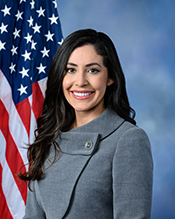
Anna Paulina Luna
100% support rate
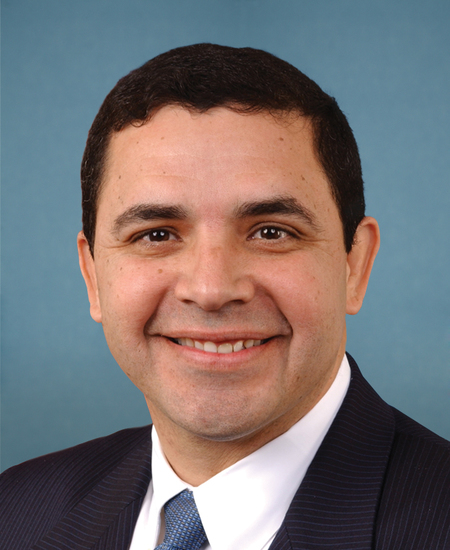
Top opponent
Henry Cuellar
0% support rate
Ranked legislators
10
5 support · 5 oppose
Key legislators

Who's moving government spending in United States

Legislators moving government spending in United States
Legislator Party Stance Support rate Votes
Anna Paulina Luna
Anna Paulina Luna House · District 13
R
Strong +
100% 5
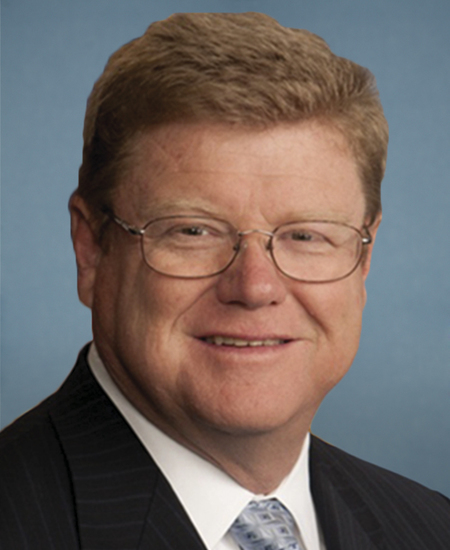
Mark E. Amodei
Mark E. Amodei House · District 2
R
Strong +
100% 5
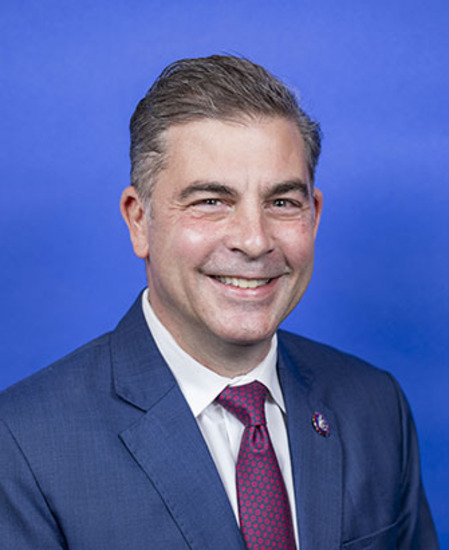
Mike Carey
Mike Carey House · District 15
R
Strong +
100% 5
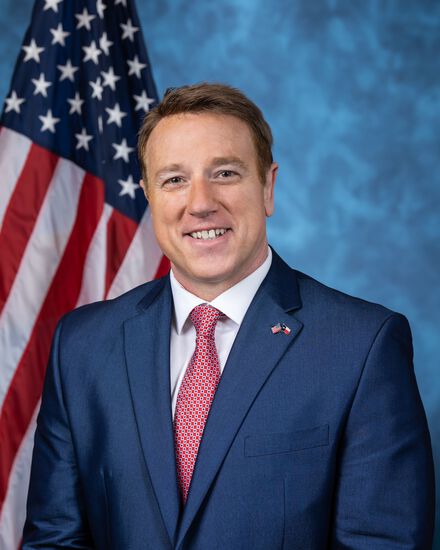
Pat Fallon
Pat Fallon House · District 4
R
Strong +
100% 5
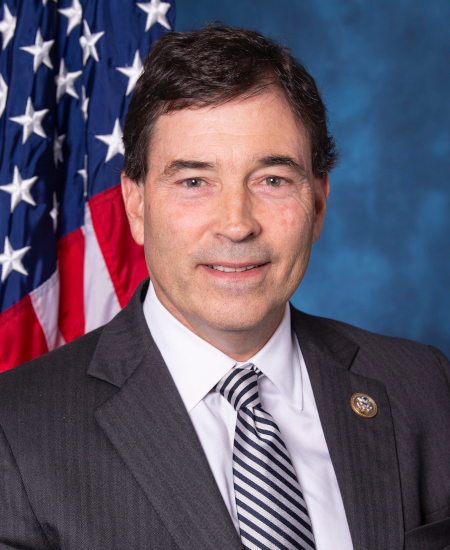
Troy Balderson
Troy Balderson House · District 12
R
Strong +
100% 5
Henry Cuellar
Henry Cuellar House · District 28
D
Strong −
0% 6
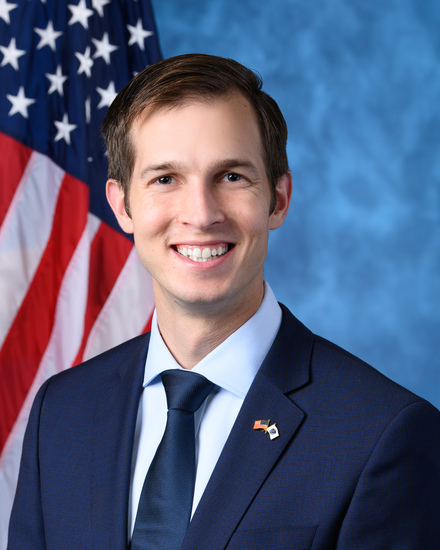
Jake Auchincloss
Jake Auchincloss House · District 4
D
Strong −
0% 5
Kim Schrier
Kim Schrier House · District 8
D
Strong −
0% 5
Raja Krishnamoorthi
Raja Krishnamoorthi House · District 8
D
Strong −
0% 5
Robin L. Kelly
Robin L. Kelly House · District 2
D
Strong −
0% 5
Showing 1–10 of 56 bills

All budget & taxes bills

in committee · United States · Senate Aug 7, 2026

S 5377: A bill to amend the Congressional Budget and Impoundment Control Act of 1974 to establish certain procedures for consideration of appropriation bills, and for other purposes.

This bill amends the Congressional Budget and Impoundment Control Act of 1974 to impose stricter time limits on the legislative process for annual spending bills. In the Senate, debate on any annual appropriation bill is capped at 20 hours, including all related amendments and motions. In the House of Representatives, members are prohibited from voting to adjourn for more than three days during July until all new budget authority for the upcoming fiscal year has been approved. These provisions directly affect the scheduling and procedural rules governing how Congress passes its annual spending legislation.
in committee · United States · House Jul 22, 2026

HR 9879: Super Pay-As-You-Go Act of 2026

The Super Pay-As-You-Go Act of 2026 strengthens existing budget rules by requiring that any new government spending or tax cuts be offset by savings equal to twice the cost of those changes. This stricter standard aims to ensure that legislation directly reduces the federal deficit rather than merely maintaining the current level of debt accumulation. The bill also tightens the process for designating emergency spending, mandating a two-thirds congressional vote to waive these stricter budget rules and requiring specific justifications for such designations. Additionally, it mandates that the Office of Management and Budget publish detailed reports on how new laws affect the federal deficit and that Congress cannot bundle these budgetary restrictions with other unrelated legislation.
passed · United States · House Jul 23, 2026

HCONRES 113: Establishing the congressional budget for the United States Government for fiscal year 2027 and setting forth the appropriate budgetary levels for fiscal years 2028 through 2036.

This concurrent resolution establishes the congressional budget for the federal government for FY2027, sets forth budgetary levels for FY2028-FY2036, and provides reconciliation instructions for legislation that increases the deficit.  The resolution recommends levels and amounts for FY2027-FY2036 for federal revenues, new budget authority, budget outlays, deficits (on-budget), debt subject to limit, debt held by the public, and the major functional categories of spending. The resolution includes reconciliation instructions that direct the House Agriculture Committee, the House Armed Services Committee, the House Permanent Select Committee on Intelligence, and the House Administration Committee to submit recommendations for legislation that will increase the deficit over FY2027-FY2036 by not more than specified amounts. Each committee must submit the recommendations to the House Budget Committee by September 11, 2026.  (Under current law, reconciliation bills are considered by Congress using expedited legislative procedures that prevent a filibuster and restrict amendments in the Senate.) In addition, the resolution establishes a reserve fund that allows certain adjustments to committee allocations and other budgetary levels to accommodate reconciliation legislation. Finally, the resolution sets forth budget enforcement procedures that address issues such as adjustments to committee allocations and other budgetary levels; the budgetary treatment of the discretionary administrative expenses for the Social Security Administration and the U.S. Postal Service; emergency spending; and additional adjustments for disaster relief, wildfire suppression, health care fraud and abuse control, continuing disability reviews and redeterminations, and reemployment services and eligibility assessments.
in committee · United States · House Jul 13, 2026

HR 9660: No Hostile ONLOOKERS Act

The No Hostile ONLOOKERS Act restricts intelligence agencies from funding research or technical support at National Laboratories if those facilities allow individuals from designated "countries of risk" to access their premises, information, or technology. This rule directly affects federal intelligence elements and the National Laboratories they fund, prohibiting the expenditure of money on projects where such access is permitted. The only exception to this ban is a specific waiver that an intelligence agency head can request from congressional committees, provided they certify that the project is not at risk of foreign intelligence collection and explain why the waiver is necessary. Essentially, the bill aims to prevent foreign adversaries from gaining access to sensitive U.S. scientific data and facilities through personnel associated with the intelligence community.
Sub-Topics Government Spending
in committee · United States · House Jun 24, 2026

HR 9438: SKILL Act

The SKILL Act creates a new tax credit for employers who partner with public colleges and community colleges to develop short-term training programs lasting two years or less. To qualify, employers must be certified by their state agency for contributing to these programs through activities like co-designing curricula, offering apprenticeships, or donating equipment. The credit allows eligible businesses to claim up to $2,500 per student who earns a credential or is hired full-time after completing the program, with a total national spending cap of $500 million per year from 2027 to 2031. State agencies will distribute the available funds to employers on a competitive basis, and the law takes effect for tax years ending after December 31, 2026.
in committee · United States · Senate Jun 16, 2026

S 4799: Slash the Pentagon Act

The Slash the Pentagon Act sets a strict spending limit for the U.S. national defense budget in fiscal year 2027, capping total appropriations at $750 billion. This legislation directly affects the Department of Defense by restricting the total amount of money available for military operations and equipment. However, it includes specific exceptions that prevent the reduction of funds designated for military personnel and the Defense Health Program. By establishing this financial ceiling, the bill aims to control overall defense expenditures while ensuring continued support for service members and their healthcare.
Sub-Topics Government Spending
passed · United States · House Jun 3, 2026

HRES 1333: Providing for consideration of the bill (H.R. 8646) making appropriations for Agriculture, Rural Development, Food and Drug Administration, and Related Agencies programs for the fiscal year ending September 30, 2027, and for other purposes; providing for consideration of the bill (H.R. 7726) to amend the Child Care and Development Block Grant Act of 1990 to withhold funds from noncompliant States under such Act; providing for consideration of the bill (H.R. 7892) to amend the Higher Education Act of 1965 to require to the Secretary of Education to use an identity fraud detection system to review each FAFSA to determine whether the FAFSA presents a reasonable suspicion of identity fraud; and providing for consideration of the bill (H.R. 8872) to amend part A of title IV of the Social Security Act to target funds to low-income families, strengthen program integrity guardrails for State expenditure of funds, require measurement of improper payments, and establish goals for eliminating fraud and improper payments under the program of block grants to States for temporary assistance for needy families, and for other purposes.

This resolution directs the House of Representatives to consider four separate bills related to federal funding and program administration. The first bill allocates money for agriculture, rural development, and the Food and Drug Administration for the fiscal year 2027. The remaining three bills propose changes to child care funding, student financial aid fraud detection, and Temporary Assistance for Needy Families programs. Specifically, it allows for the withholding of child care funds from states that do not comply with requirements, mandates the use of an identity fraud detection system for student aid applications, and establishes goals to reduce fraud in federal assistance grants.
Sub-Topics Government Spending
passed · United States · House Jun 9, 2026

HR 8466: TRUE Accountability Act

The TRUE Accountability Act requires federal agencies to create and maintain internal control plans specifically designed for emergency spending situations like disasters, pandemics, or economic relief efforts. These plans must identify senior officials responsible for implementation, assess risks of improper payments and fraud, and include data-driven monitoring techniques to detect issues before funds are spent. Agencies must submit their plans to the Office of Management and Budget within a year of enactment and report them to Congress annually, with the guidance and plans being reviewed and updated every three years. The bill does not authorize any new funding but instead establishes reporting and accountability procedures for existing emergency appropriations processes.
passed · United States · House Jun 11, 2026

HR 8467: ZOMBIE Act

The ZOMBIE Act amends the Payment Integrity Information Act of 2019, primarily affecting federal executive agencies and their oversight of government spending. The bill redefines "improper payments" to specifically focus on those that result in a "financial loss to the Government," excluding administrative errors that don't cause actual financial harm. It requires the Treasury Secretary to develop new risk assessment guidance, which agencies must use to conduct more frequent assessments of their programs for these specific types of improper payments and fraud. Agencies will also be required to designate a senior official to coordinate efforts with oversight bodies, report on actions taken to prevent financial losses, and implement enhanced financial and administrative controls to mitigate fraud risks in federal programs.
Sub-Topics Government Spending
in committee · United States · Senate Mar 24, 2026

S 4173: Dollar-for-Dollar Deficit Reduction Act

This bill requires the President to propose spending cuts equal to or greater than any requested debt limit increase over the next 10 years, and it prevents Congress from voting on debt limit increases or suspensions unless they include matching spending reductions. The legislation also mandates that the Treasury Secretary issue warnings when the government is approaching its debt limit within 60 days, even if temporary measures could extend funding. Additionally, the bill establishes procedural rules requiring a three-fifths Senate vote to waive these spending requirements and ensures that cost estimates are publicly available before Congress can vote on debt limit measures. These provisions directly affect the executive branch's ability to request debt limit increases and the legislative process for approving such requests.
Showing 1 to 10 of 56 bills
1 2 3 6 Next