

Maddy summaryHB 1392 modifies the fee collected by county treasurers for certifying real estate mortgages in Oklahoma. It increases the mortgage certification fee from $5.00 to $10.00. These collected fees are deposited into a "County Treasurer's Mortgage Certification Fee Account" to be used for the lawful operations of the treasurer's office. This change directly affects individuals and entities presenting mortgages for certification, as well as county treasurers. The act will become effective on November 1, 2025.
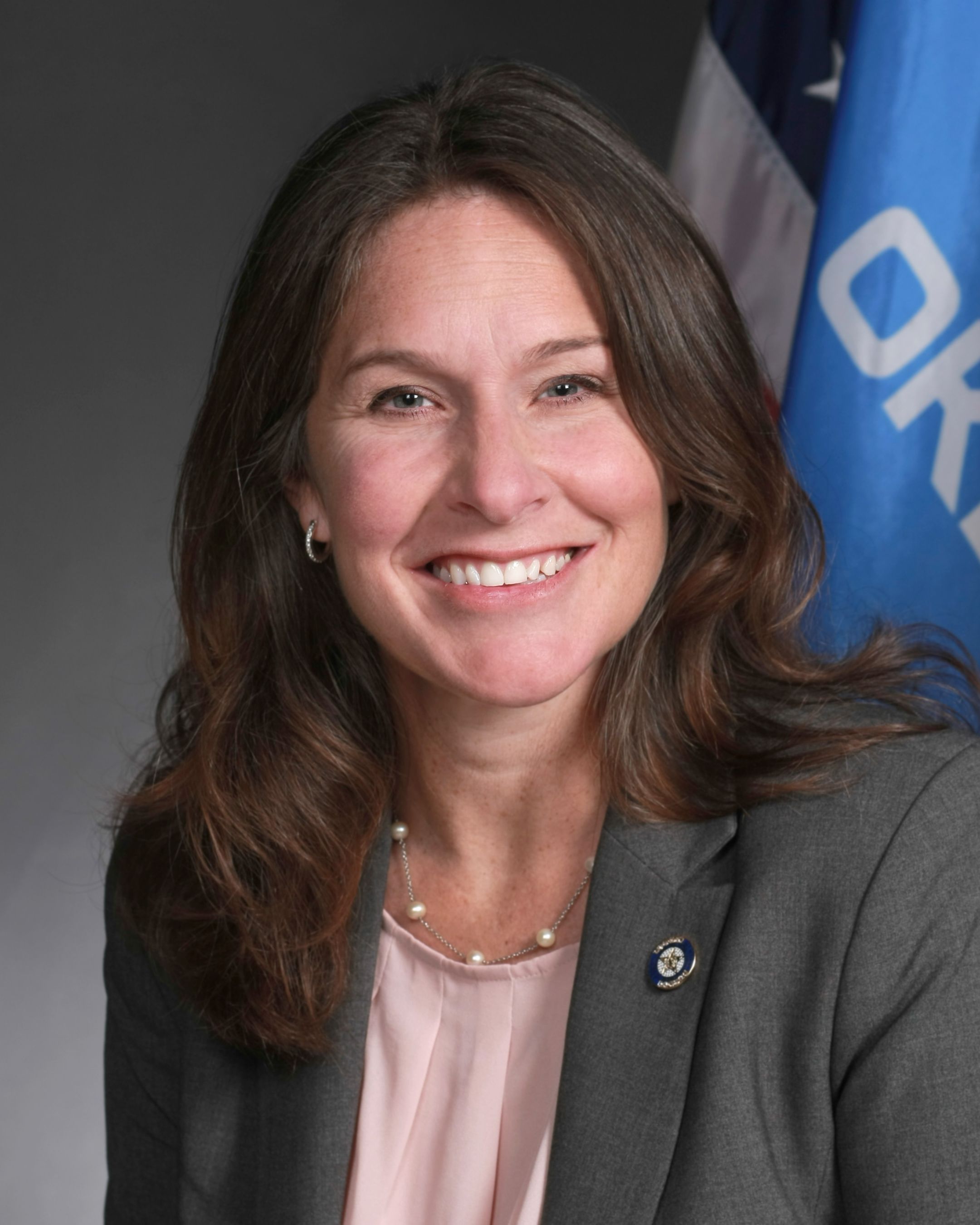
Rep. Melissa Provenzano
Sponsored bills
Maddy summaryHB 1396 prohibits private schools in Oklahoma from requiring parents to participate in the Oklahoma Parental Choice Tax Credit Program as a condition for enrolling their child. It requires schools to provide enrolled students using the tax credit a written tuition agreement showing the base rate, with future increases limited to the State Treasurer's annual inflation measure (based on local consumer index data) and requiring written notice at least one semester in advance. This applies only to students receiving the tax credit, not to other students. The bill aims to prevent schools from tying enrollment to tax credit participation while standardizing tuition increase notifications for tax credit users. It takes effect July 1, 2025.
Maddy summaryHB 1396 prohibits private schools in Oklahoma from requiring parents to participate in the Oklahoma Parental Choice Tax Credit Program as a condition for student enrollment or acceptance. It requires private schools to provide written tuition agreements to students using the tax credit, including the base tuition rate and limiting future increases to the state's annual inflation measure (calculated by the State Treasurer). Schools must notify parents in writing at least one semester before any tuition increase. This applies only to students whose families receive the tax credit, not to other private school students. The bill takes effect July 1, 2025.
Maddy summaryHB 1390 modifies Oklahoma's child care licensing oversight by strengthening complaint investigations and transparency. It requires the Department of Human Services to investigate all complaints about licensing violations, document findings, and notify facilities of required corrections for health/safety issues. If abuse is confirmed, facilities must notify parents within 72 hours via certified mail. The bill mandates public access to investigation reports (stating "substantiated" or "unsubstantiated" findings) while protecting confidential information, except for anonymized summaries parents can use to evaluate facilities. This directly affects licensed child care facilities, the Department of Human Services, and parents of children in care.
Maddy summaryHB 1390 modifies Oklahoma's child care licensing laws to improve complaint investigations. It requires the Department of Human Services to provide written complaint details to facilities, document correction plans for violations, and notify parents within 72 hours if abuse is substantiated. The bill mandates public accessibility of investigation reports (stating if complaints were "substantiated" or "unsubstantiated") while protecting confidential information. It also establishes an anonymous system for reporting Department staff retaliation against child care providers. These changes directly affect licensed child care centers, parents, and state agencies overseeing facility compliance.
Maddy summaryHB 1394 amends Oklahoma's teacher certification rules to exempt graduates of Oklahoma Commission-approved teacher preparation programs from passing the competency exam for standard certification. It also allows non-native English speakers employed in foreign language immersion programs to take the exam in their native language, with restrictions limiting such teachers to those specific programs. Additionally, the bill creates an exception for teachers with advanced degrees in substantially comparable fields, allowing them to bypass certain subject-area exams. These changes directly affect teacher candidates, school districts hiring educators, and the Oklahoma Commission for Educational Quality and Accountability.
Maddy summaryHB 1394 amends Oklahoma's teacher certification rules to exempt certain candidates from competency examinations. It specifically exempts teachers who graduated from Oklahoma Educational Quality and Accountability (OEQA) accredited teacher preparation programs from taking the professional education exam, and allows exceptions for candidates with advanced degrees in substantially comparable fields. The bill also requires the Commission to offer exams at least four times yearly and permits subject-area testing in a teacher's native language only for those employed in foreign language immersion programs. These changes directly affect teacher candidates, current teachers seeking additional certifications, and school districts hiring educators.
Maddy summaryHB 1523 would create a pilot program allowing Oklahoma public schools to offer virtual mental health services through telehealth. The State Department of Education must develop this program, with schools able to opt in by applying. Key provisions include requiring parental consent before services, limiting initial funding to $25,000, and defining "health benefit plan" per existing state law. The pilot aims to improve student mental health access without mandating participation. (Note: The bill was withdrawn from committee on February 19, 2025.)
Maddy summaryHB 1523 creates a pilot program allowing Oklahoma public schools to offer telehealth mental health services to students through the State Department of Education. It requires the Department to issue requests for proposals to school districts, with districts able to opt in voluntarily. Key provisions include a $25,000 funding cap per participating district, mandatory parental consent before services are provided, and a requirement for the Department to seek external funding. The program is designed to expand student mental health access in schools through telehealth, with reporting requirements to the Legislature.
Maddy summaryHB 1395 creates a tax credit program for Oklahoma parents or guardians paying eligible education costs for students. It allows taxpayers to claim credits of up to $7,500 annually (based on family income) for private school tuition, academic tutoring, textbooks, and standardized test fees for students attending accredited private schools or alternative education programs. The credit amount decreases as household income rises, with special provisions for schools serving homeless students or financially disadvantaged students (requiring 90% of enrollment to qualify based on income thresholds). This bill directly affects Oklahoma families choosing private education or alternative learning options, reducing their state income tax liability for qualifying education expenses.