

Maddy summaryHB 3687 is a procedural bill that names the "Education Reform Act of 2026" and sets its effective date as November 1, 2026. It does not describe any substantive policy changes or mechanisms for education reform. The bill only establishes the act's name and implementation timeline. No specific provisions affecting students, schools, or educators are detailed in the provided text. This is a naming and effective date bill, not a policy measure.
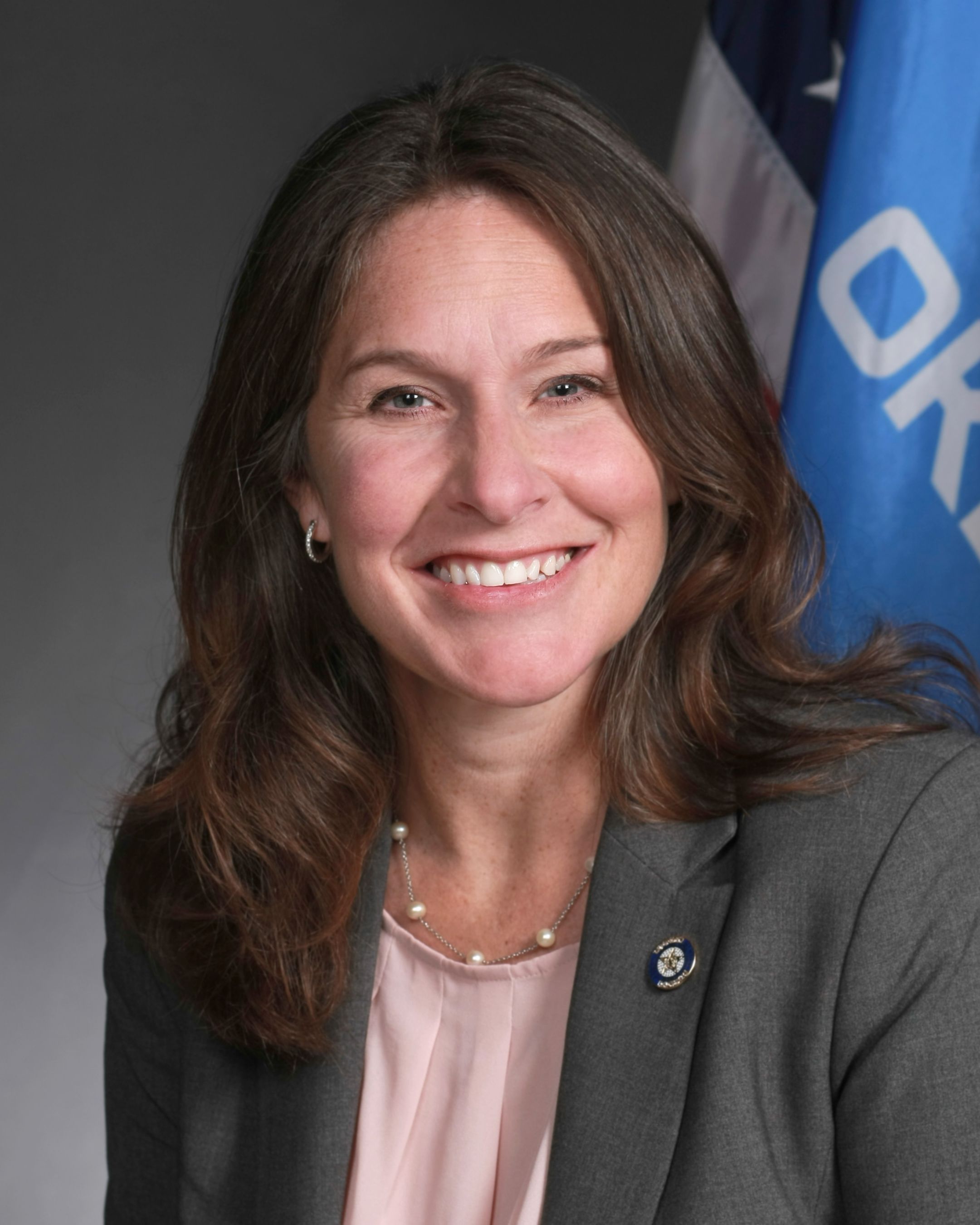
Rep. Melissa Provenzano
Sponsored bills
Maddy summaryHB 3681 creates the "Oklahoma Landlord and Tenant Act of 2026" as a new name for the state's existing landlord-tenant legal framework, effective November 1, 2026. The bill does not change any substantive tenant or landlord rights or responsibilities but formally names the current system and sets its effective date. This procedural measure applies directly to landlords and tenants across Oklahoma who operate under the state's existing landlord-tenant laws. The bill is not codified into Oklahoma's official statutes, meaning it won't become part of the state's permanent legal code.
Maddy summaryHB 3690 requires cities and towns in Oklahoma to send copies of issued building permits to county assessors within 30 days of issuance, and to provide electronic copies when available. This bill directly affects local municipalities and county assessors by establishing a standardized transmission process for building permit records. The key provision mandates a 30-day deadline for physical copies and electronic delivery where feasible, aiming to improve record-keeping consistency. The law becomes effective November 1, 2026, and does not alter property tax assessments or other substantive policies.
Maddy summaryHJR 1071 proposes a constitutional amendment to expand Oklahoma's property tax exemption for veterans. It would create partial tax exemptions for veterans with service-connected disabilities rated 10% to 99% (not fully disabled), based on their disability percentage: $5,000 exemption for 10-29% ratings, $7,500 for 30-49%, $10,000 for 50-69%, and $12,000 for 70-99%. This directly affects qualifying veterans (and surviving spouses) who own homestead properties in Oklahoma and have previously met homestead exemption requirements. The exemption applies to the assessed value of their primary residence, with eligibility requiring Oklahoma residency and proof of disability certification. The amendment requires voter approval via a statewide referendum.
Maddy summaryHB 3685 is a procedural bill that names itself the "Campaign Finance Act of 2026" and sets an effective date of November 1, 2026. It does not create new campaign finance rules or alter existing regulations; it is simply a non-codified naming convention for the bill itself. The bill serves only to establish its own title and effective date without implementing any substantive policy changes. This type of bill is typically used for administrative or procedural purposes rather than enacting new law.
Maddy summaryHB 3689 is a procedural bill that establishes the name "Oklahoma Women's Health Care Act of 2026" for future legislative reference and sets its effective date as November 1, 2026. The bill contains no substantive policy provisions or healthcare regulations; it is solely a naming resolution with no direct impact on health care services or beneficiaries. It will not be codified in the Oklahoma Statutes, as specified in the bill text. The bill was introduced on February 2, 2026, and referred to the Rules Committee.
Maddy summaryHB 4111 creates the Oklahoma Occupational Safety and Health Administration (OOSHA) within the Department of Labor to establish state-level workplace safety standards. It mandates coverage for all public employees (state/local government workers) and allows private employers to voluntarily join the "SoonerSafe" certification program. Certified employers receive up to 10% workers' compensation premium credits, priority for state contracts, and the right to use a "Sooner Safe" seal, while OOSHA will enforce safety rules, provide free consulting, and collect injury data. The program begins July 1, 2026, with $10 million in initial funding to replace federal OSHA oversight for public workers and support private-sector participation.
Maddy summaryThis bill requires Oklahoma health insurance plans to cover low-dose mammography screenings for breast cancer without cost-sharing (such as deductibles or copays). It mandates coverage once every five years for women aged 35-39 and annually for women 40 and older. The law also requires coverage for necessary diagnostic and supplemental breast exams, including those for high-risk cases like dense breast tissue. The policy takes effect November 1, 2025.
Maddy summaryHB 1389 requires all health benefit plans in Oklahoma to cover low-dose mammography screening, diagnostic exams, and supplemental screenings for breast cancer without cost-sharing (like deductibles or copays). It mandates coverage for women aged 35-39 every five years and women 40+ annually. The bill defines key terms like "low-dose mammography" (including digital and 3D imaging) and specifies that coverage applies regardless of plan cost-sharing rules. It becomes effective November 1, 2025, directly affecting women eligible for these screenings under Oklahoma’s health plans.
Maddy summaryHB 1392 increases the fee county treasurers charge for certifying mortgages from $5 to $10 per mortgage. This fee, paid by mortgage borrowers, lenders, or other interested parties, will be deposited into a dedicated "County Treasurer's Mortgage Certification Fee Account" and used solely for operating the treasurer's office. The bill modifies existing mortgage tax rates based on loan term length but focuses the main change on the certification fee increase. It becomes effective November 1, 2025.