

Maddy summaryHB 3673 changes Oklahoma's renewal process for certain electrical licenses, specifically affecting electricians with expired Unlimited Journeyman or Residential Journeyman licenses that have been inactive for over one year. It allows these licenses to be renewed without retaking the exam, provided applicants pay fees for each expired year (including a $200 maximum penalty per year), complete required continuing education (including six extra hours per year of expiration), and provide proof of no disciplinary action or disqualifying criminal conviction. The bill repeals the current license renewal rule (Section 1688) and requires the Construction Industries Board to create implementing rules within 180 days. This change applies only to journeyman licenses, not contractor licenses, and takes effect on November 1, 2026.
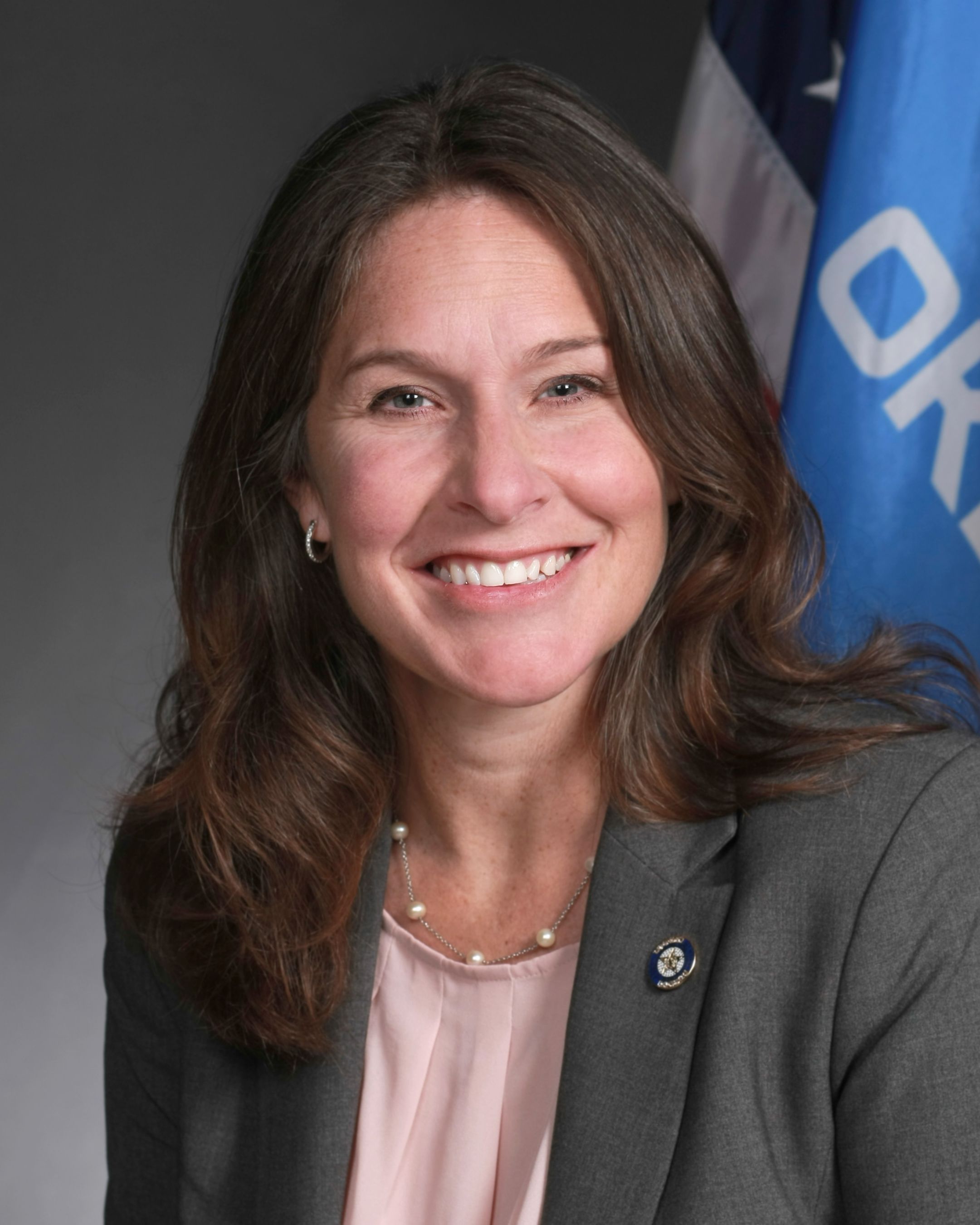
Rep. Melissa Provenzano
Sponsored bills
Maddy summaryHB 3678 makes it a misdemeanor to use electronic devices (like social media or text messages) to publish personal details - such as names, addresses, or Social Security numbers - of protected individuals with the intent to threaten, intimidate, or harass them. It directly affects peace officers, public officials (including municipal and school board members), election officials, medical care providers, and crime victims. Violators face up to six months in jail or a $1,000 fine for a first offense, with harsher penalties for repeat violations. The law excludes medical care provider information unrelated to their professional duties and takes effect on November 1, 2026.
Maddy summaryHB 3671 redefines "career teacher" in Oklahoma law for public school educators. To qualify, teachers must meet specific criteria: either 3+ consecutive years in one district with certain evaluation ratings, 4+ years with averaged "effective" ratings, or a district petition process for those who don't meet standard requirements. This definition directly affects teachers seeking career status, which typically provides enhanced job protections. The bill takes effect July 1, 2026.
Maddy summarySB 1584 modifies Oklahoma law regarding sexual assault evidence kits by reducing the deadline for law enforcement to submit kits to crime labs from 20 to 10 days after a sexual assault report is filed, unless the victim requests no testing. It requires crime labs to test kits within 30 days of receipt and mandates that medical providers inform victims of their right to request future testing. The bill also maintains a 50-year retention requirement for untested kits and requires law enforcement to coordinate with the Sexual Assault Forensic Evidence Task Force (SAFE) on processing guidelines. This directly affects law enforcement agencies, crime laboratories, and sexual assault victims in Oklahoma. The bill takes effect November 1, 2026.
Maddy summarySB 1317 updates Oklahoma's definition of a "career teacher" to clarify job security requirements for educators. The bill directly affects public school teachers in Oklahoma, particularly those hired in or after the 2017-2018 school year who seek career status (beyond probationary periods). It establishes three specific pathways to qualify: completing three consecutive years with a "superior" rating for at least two years, four consecutive years with an average "effective" rating and "effective" in the last two years, or four or more consecutive years with a principal's petition approved by the school board. The changes take effect July 1, 2026, and amend Oklahoma Statutes Title 70, Section 6-101.3.
Maddy summaryHB 3674 establishes a three-year pilot program for school resource officers (SROs) in Oklahoma schools, requiring participating school districts to prioritize hiring officers with specialized school-based law enforcement training. The bill mandates that all sexual assault reports within schools be directed to law enforcement and requires SROs to complete one hour annually of CLEET-approved training on sexual assault response, trauma-informed practices, and violence prevention. These provisions directly affect school districts, SROs, and law enforcement agencies by updating certification requirements and ensuring SROs receive targeted training to address sexual violence. The bill amends existing laws to integrate these training and reporting standards into Oklahoma’s school safety framework.
Maddy summaryHB 3691 modifies Oklahoma driver license application requirements. It requires male applicants aged 16-26 to consent to Selective Service registration when applying for a license; refusal results in denial of the license. The bill also mandates that licenses issued after its effective date must use computer-generated numbers instead of Social Security numbers, changing any existing license numbers that match Social Security numbers during renewal or replacement. These provisions directly affect young male applicants and individuals renewing licenses with SSN-based numbers.
Maddy summaryHB 3682, the Oklahoma Clean Indoor Air Act, prohibits smoking in most indoor public spaces including workplaces, restaurants, bars, government buildings, schools, stores, and public transportation starting November 1, 2026. It allows exceptions for tobacco shops with proper ventilation, private residences (except for childcare/health services), designated hotel smoking rooms (limited percentage), and tribal lands. Establishments must display clear "No Smoking" signage, and the State Department of Health will create enforcement rules. Local governments may adopt stricter smoking bans than this state law.
Maddy summaryHB 3675 requires health insurance companies to have a qualified human professional review any adverse decision (like denying coverage) made by an algorithm, artificial intelligence system, or automated decision system before it becomes final. The bill mandates that patients receive clear notices explaining the reasons for denied coverage, the clinical basis for the decision, and how to appeal. It allows AI systems to be used for administrative tasks or fraud detection but prohibits their use in final coverage decisions without human oversight. The law takes effect on November 1, 2026, directly affecting patients, insurers, and utilization review agents in Oklahoma.
Maddy summaryHB 3672 amends Oklahoma's state employee benefits law (74 O.S. 2021, Section 1370) to establish a flexible benefits allowance for state employees. It sets a minimum annual allowance amount based on previous year benefits or current plan premiums (including health, dental, disability, and life insurance), with a 2% annual increase starting in 2022. Employees who opt out of the state's basic health plan receive $150 monthly instead of flexible benefits, and can use "pay conversion dollars" to cover costs exceeding their allowance through salary deductions. The bill also includes specific rules for military-connected employees (TRICARE beneficiaries) who may purchase supplemental coverage under federal guidelines. This directly affects Oklahoma state employees enrolled in the flexible benefits plan.