

Maddy summaryHB 1395 creates a state income tax credit for Oklahoma parents or guardians paying eligible education expenses for students. It allows taxpayers to claim credits of up to $7,500 annually (based on household income) for private school tuition, tutoring, textbooks, and other approved educational costs for students attending accredited private schools or nonpublic learning programs. The credit amount decreases as parental income rises, with special provisions for students experiencing homelessness or attending schools primarily serving financially disadvantaged students. Taxpayers must retain receipts and submit them to the Oklahoma Tax Commission to claim the credit.
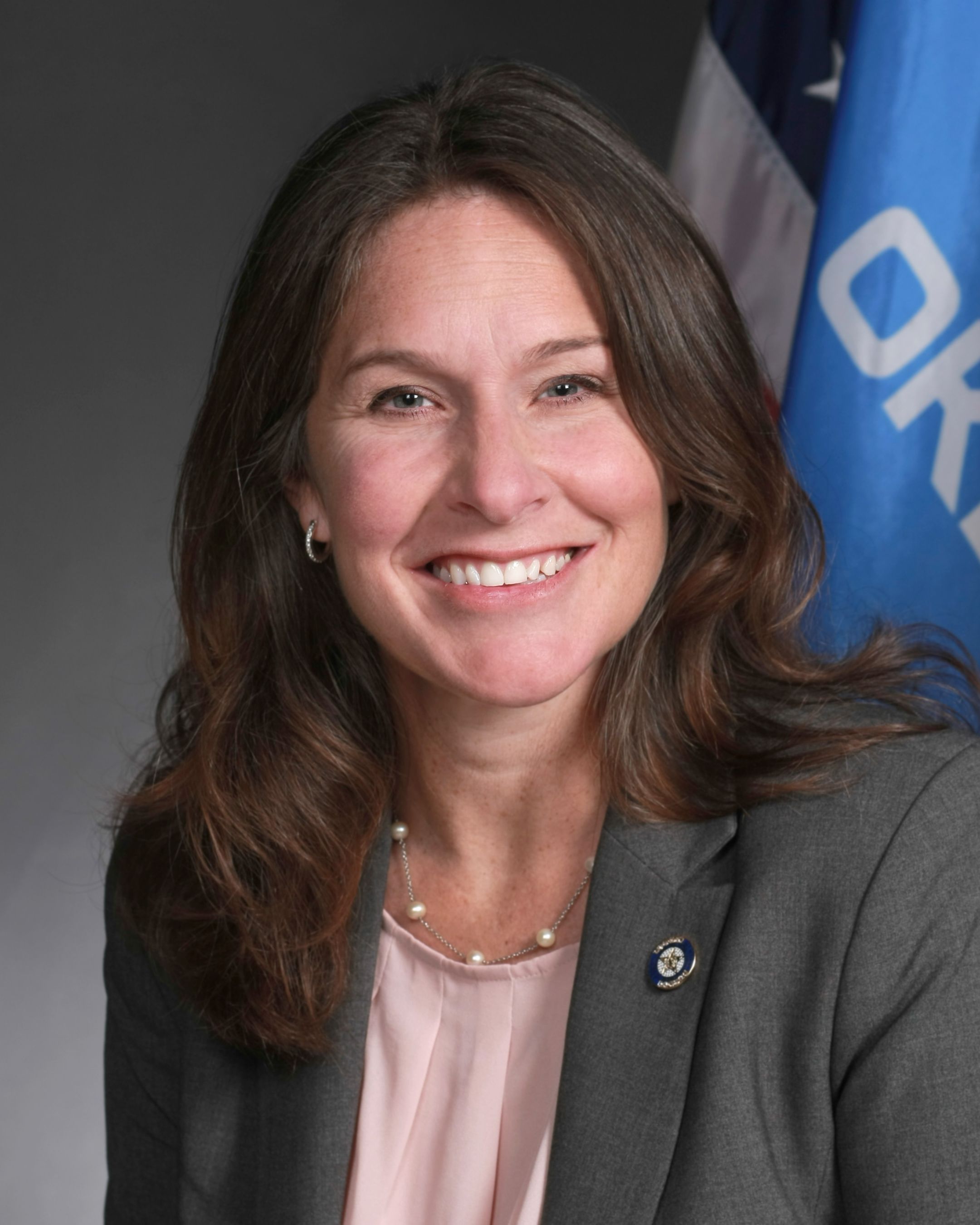
Rep. Melissa Provenzano
Sponsored bills
Maddy summaryHB 1403 requires Oklahoma public school districts to offer free annual parent seminars covering substance abuse prevention, bullying, mental health awareness, and internet safety (including pornography addiction). These seminars must occur after 6:00 p.m. at least once yearly in a school building and are available to all parents at no cost. School districts may use their own curriculum or adopt the State Board of Education's approved curriculum, but may opt out if their board deems the topics unimportant to families - requiring written justification to the State Board. The State Board must report on implementation progress, attendance, and opt-out reasons to the Legislature by November 2025 and July 2026, with the bill effective July 1, 2025.
Maddy summaryHB 1397 requires written parental or guardian consent for most medical treatments, including prescriptions and surgeries, for minors under Oklahoma law. It specifically allows schools to use school-year consent for telemedicine mental health services at school sites without requiring parents to be present during the session. The bill exempts emergency care and abortions (which follow separate abortion laws), and violations carry misdemeanor penalties. This directly affects minors, parents/guardians, schools, and healthcare providers offering telemedicine services.
Maddy summaryThis bill proposes a constitutional amendment to expand Oklahoma's homestead tax exemption for disabled veterans. It would allow veterans with disability ratings from 10% to 100% (previously limited to 100%) to qualify for a tiered tax exemption on their home's value: 25% for 10-29% disability, 50% for 30-49%, 75% for 50-69%, and 100% for 70-100%. Surviving spouses of qualifying veterans would also be eligible. To qualify, veterans must prove Oklahoma residency, have a VA-certified disability, and meet existing homestead exemption requirements. The amendment would take effect January 1, 2026.
Maddy summaryHB 1402 strengthens oversight of Oklahoma's children's facilities by requiring the Office of Juvenile System Oversight to conduct annual unannounced inspections of both state-operated and private children's institutions. The bill grants the office new authority to examine facility records, subpoena witnesses, and investigate complaints - including those alleging retaliation against foster parents who file grievances or report issues. It also mandates the office to mediate foster parent complaints about Department of Human Services or child-placing agency actions affecting child safety, and to issue annual reports to key state officials. This law directly affects children's facilities, foster parents, and oversight agencies, effective November 1, 2025.
Maddy summaryHB 1400 removes a provision requiring non-citizens to provide proof of legal U.S. status to obtain an Oklahoma driver's license. It amends Section 6-103 of Oklahoma's driver license law by deleting paragraph 9, which previously barred "any alien" from licensing unless presenting documentation of legal presence. This change eliminates a specific eligibility barrier for non-citizens, allowing them to apply for licenses without proving legal residency status. The bill directly affects non-citizens in Oklahoma who previously faced this documentation requirement under the law.
Maddy summaryHB 1401 requires Oklahoma cities, towns, and school districts with populations over 100,000 to ensure new or updated public playgrounds are fully accessible for people using mobility devices. The law mandates smooth, navigable travel surfaces and equipment that accommodates all ages, including adults and children with mobility needs. It applies to all new installations or renovations starting November 1, 2025. Smaller communities (under 100,000 residents) and existing playgrounds not being upgraded are not affected by this requirement.
Maddy summaryHB 1399 requires that for bond issues needing property tax increases or state credit, election materials must detail specific projects and costs for 70% of the bond funds, with the remaining 30% unallocated. After approval, entities must spend at least 70% of bond funds on the listed projects, but if a project costs less, savings can be used for other projects within the same category. School districts must post all bond project details online before and during the bond period, and cannot replace approved projects without a 60% voter vote. The bill takes effect November 1, 2025.
Maddy summaryHB 1404 creates Oklahoma's "Voluntary Firearm Restriction Act," allowing individuals to voluntarily restrict their own firearm access. It establishes two options: a 180-day temporary restriction (with 30-day early removal) or an indefinite restriction (with 90-day removal eligibility). Individuals must submit verified forms through law enforcement or health care providers, triggering automatic National Instant Criminal Background Check System (NICS) updates. The Oklahoma State Bureau of Investigation manages the lists, and individuals with active handgun permits face license suspension until removal from the list.
Maddy summaryHB 1407 requires taxpayers claiming Oklahoma Parental Choice Tax Credits and private schools accepting students funded by these credits to submit annual reports to the Oklahoma Tax Commission. The reports must detail exactly how tax credit funds were spent (including expense breakdowns and explanations of their educational impact), using a standardized form due within 30 days after each tax year. The Tax Commission can audit non-compliant entities and impose penalties, with the law taking effect November 1, 2025. This directly affects families using tax credits for private school tuition and the schools receiving those funds.