Issue · Labor & Employment

Labor & Employment

Every labor & employment bill, vote, and legislator stance in Oklahoma, automatically classified by Maddy, our AI policy reader.

Total bills
215
2026 Regular Session
Top supporter
Mark Lawson
87% support rate
Top opponent
Shane Jett
21% support rate
Ranked legislators
10
5 support · 5 oppose
Key legislators

Who's moving labor & employment in Oklahoma

Legislators moving labor & employment in Oklahoma
Legislator Party Stance Support rate Votes
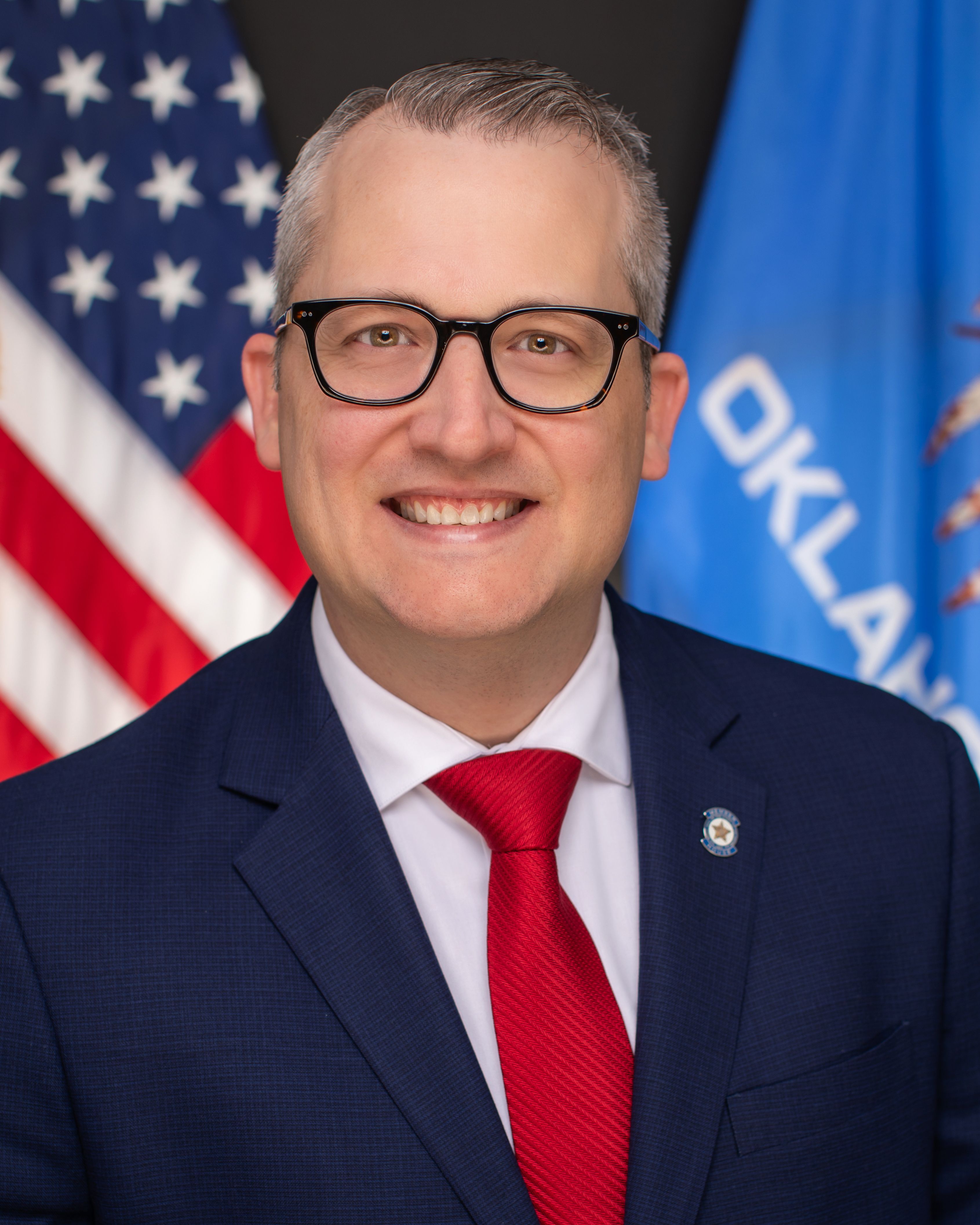
Mark Lawson
Mark Lawson House · District 30
R
Strong +
87% 175
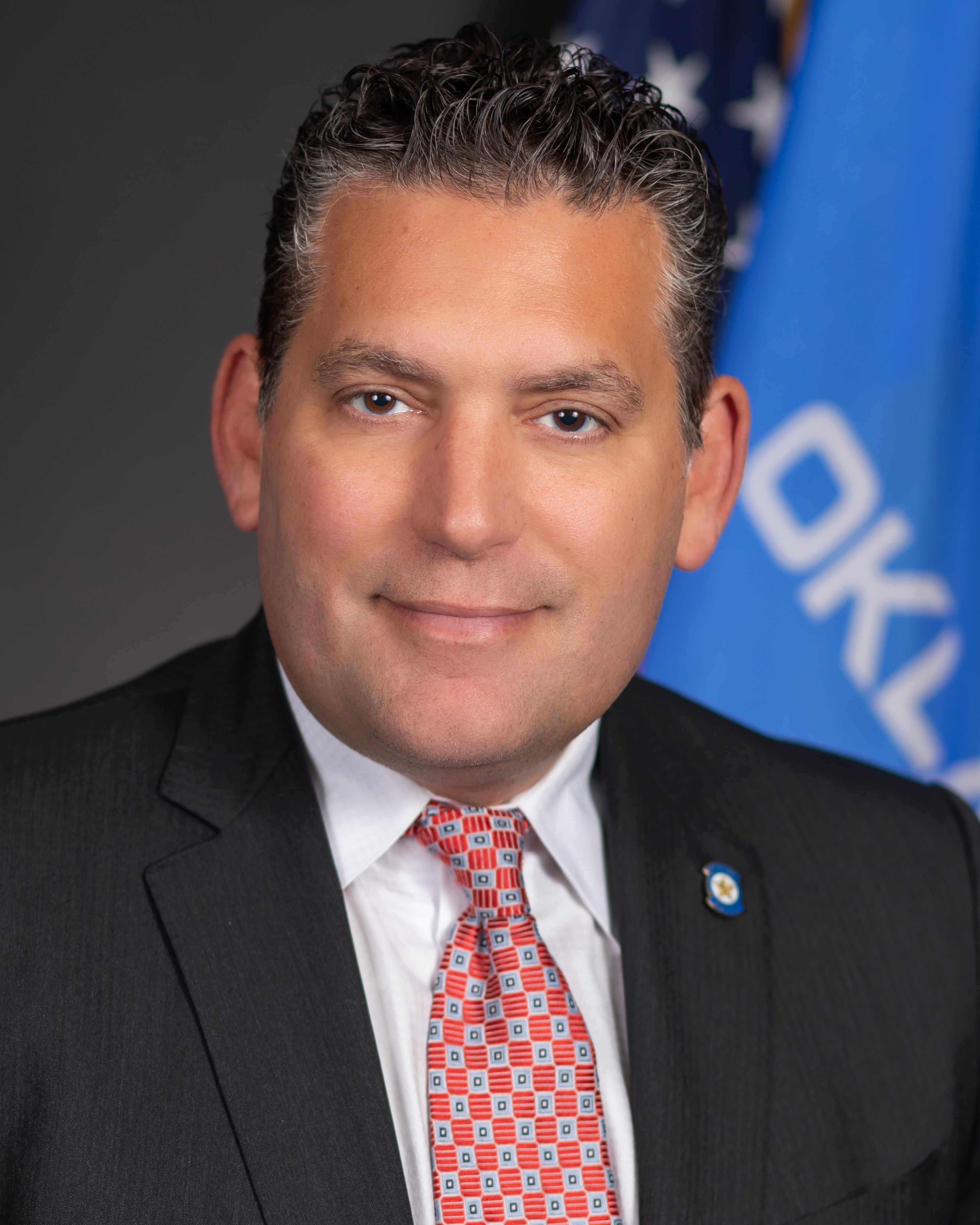
John George
John George House · District 36
R
Strong +
86% 201
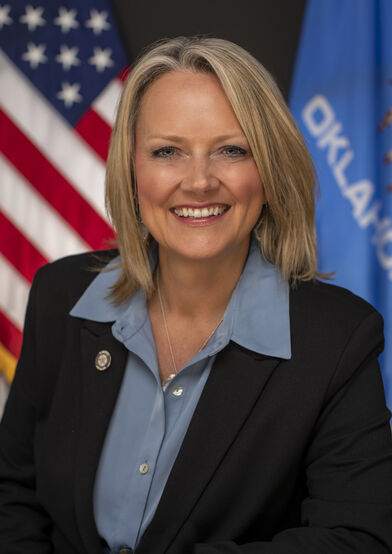
Christi Gillespie
Christi Gillespie Senate · District 33
R
Strong +
86% 174
Mark Tedford
Mark Tedford House · District 69
R
Strong +
86% 141
Aaron Reinhardt
Aaron Reinhardt Senate · District 37
R
Strong +
85% 192
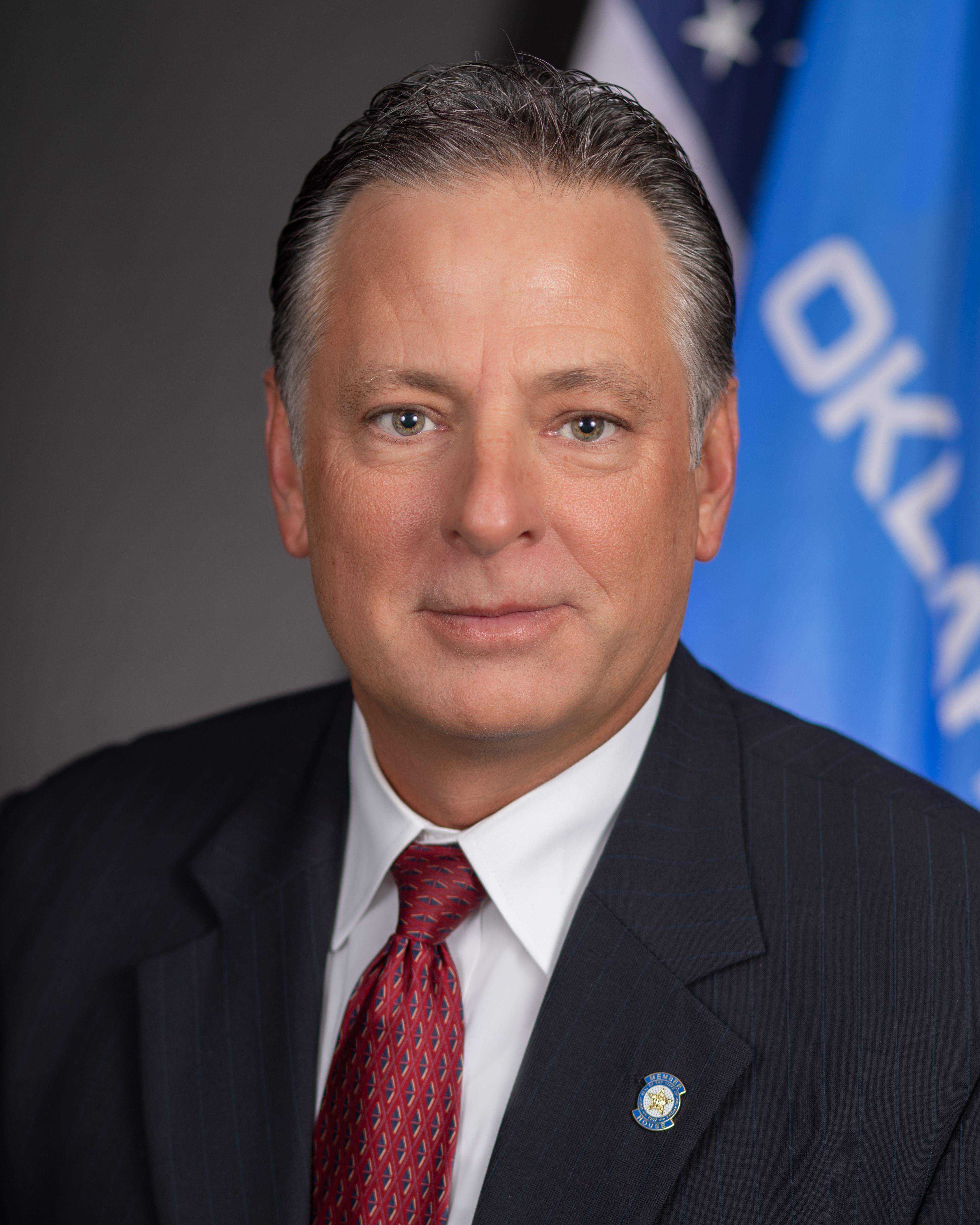
Shane Jett
Shane Jett Senate · District 17
R
Oppose
21% 175
Tom Gann
Tom Gann House · District 8
R
Oppose
22% 201
Rick West
Rick West House · District 3
R
Oppose
25% 196
Molly Jenkins
Molly Jenkins House · District 33
R
Oppose
28% 193
Jim Shaw
Jim Shaw House · District 32
R
Oppose
28% 207
Showing 71–80 of 215 bills

All labor & employment bills

died · Oklahoma · House Feb 6, 2026

HB 3964: State government employees; stillborn; bereavement pay; effective date.

HB 3964 expands bereavement leave eligibility for Oklahoma state employees by adding "stillborn" to the definition of "relative" under the state leave sharing program. This change directly affects state employees with one year of continuous service who experience the loss of a stillborn child, allowing them to use donated leave for this purpose. The bill modifies existing provisions to include stillborns under "relative" for bereavement leave, alongside other family members, and creates a Leave of Last Resort Bank funded by retiring employees' unused leave. The policy change ensures state employees can access shared leave support for stillbirth-related bereavement without needing to exhaust all other leave options first.
died · Oklahoma · House Feb 6, 2026

HB 3965: State government; maternity leave; state employees; effective date.

HB 3965 requires Oklahoma state agencies to provide full-time employees with two or more years of service with six weeks of paid maternity leave following the birth or adoption of a child. This leave is in addition to existing pregnancy-related sick leave and must be paid at the employee’s full annual salary without interrupting seniority, pay progression, or performance awards. The bill applies to all state employees meeting the tenure requirement and becomes effective January 1, 2027. It does not replace current sick leave policies but adds this specific paid leave benefit.
Sub-Topics Paid Leave
in committee · Oklahoma · House Feb 3, 2026

HB 3022: Education; requirements for adjunct teachers who do not hold valid certificate to teach; State Board of Education to establish salary guidelines for part-time noncertified adjunct teachers; effective date; emergency.

HB 3022 establishes new rules for non-certified adjunct teachers in Oklahoma public schools. It prohibits these teachers from serving as full-time or part-time classroom instructors for core subjects (math, science, English, social studies) in prekindergarten through sixth grade, while requiring them to hold at least a high school diploma. The bill mandates the State Board of Education to create salary guidelines specifically for part-time noncertified adjunct teachers. This directly affects school districts hiring non-certified staff for limited roles and sets clear boundaries for their classroom responsibilities.
in committee · Oklahoma · House Feb 9, 2026

HB 3786: State employee compensation; park rangers; effective date; emergency.

HB 3786 increases the pay of Oklahoma Park Rangers by 15% starting July 1, 2026. This bill directly affects Park Rangers employed by the Division of State Parks within the Oklahoma Tourism and Recreation Department. The key provision sets a specific percentage increase in compensation, with an emergency declaration allowing the law to take effect immediately upon approval. The bill does not alter other state employee pay structures or include additional provisions beyond this targeted raise.
Sub-Topics Public Employees
died · Oklahoma · House Feb 4, 2026

HB 3235: Employment rights; disability; employers; complaints; civil action; damages; penalty; effective date.

HB 3235 prohibits Oklahoma employers from reducing, altering, or terminating retirement benefits for retirees whose retirement was due to disability. It directly affects retirees with disability-related retirements and applies to employers covered under Oklahoma's Anti-Discrimination Act. The bill requires employers to maintain benefits tied to disability-related retirement, allows claims to be filed through the Office of Civil Rights Enforcement or in court, and permits remedies including restored benefits, compensation, and civil penalties up to $50,000 per violation. The bill would take effect November 1, 2026.
in committee · Oklahoma · House Feb 3, 2026

HB 3122: Whistleblower protection; public policy; criminal punishment; fine; civil cause of action; effective date.

HB 3122 strengthens whistleblower protections in Oklahoma by making retaliation against employees who report wrongdoing a punishable offense. It defines retaliation as actions like termination, demotion, or intimidation by public officials, employers, or supervisors, with penalties including up to one year in jail and a $5,000 fine. The bill also allows whistleblowers to sue for economic and emotional damages, plus attorney fees, if they successfully prove retaliation. The law takes effect on November 1, 2026.
Sub-Topics Corrections
in committee · Oklahoma · House Feb 3, 2026

HB 3133: Retirement; Oklahoma Firefighters Pension and Retirement System Act of 2026; effective date.

HB 3133 creates the "Oklahoma Firefighters Pension and Retirement System Act of 2026," establishing a dedicated pension system for Oklahoma firefighters. The bill names the system and sets its effective date as November 1, 2026, without adding the provisions to Oklahoma Statutes (noncodified). It directly affects Oklahoma firefighters by creating a new retirement framework for their benefits. The bill does not detail specific contribution rates, benefit calculations, or other operational mechanisms beyond naming the system and setting its effective date.
in committee · Oklahoma · House Feb 3, 2026

HB 4111: Labor; Oklahoma Workplace Competitiveness and Safety Act of 2026; Oklahoma Occupational Safety and Health Administration; definitions; powers; duties; funds; transfer; effective date; emergency.

HB 4111 creates the Oklahoma Occupational Safety and Health Administration (OOSHA) within the Department of Labor to establish state-level workplace safety standards. It mandates coverage for all public employees (state/local government workers) and allows private employers to voluntarily join the "SoonerSafe" certification program. Certified employers receive up to 10% workers' compensation premium credits, priority for state contracts, and the right to use a "Sooner Safe" seal, while OOSHA will enforce safety rules, provide free consulting, and collect injury data. The program begins July 1, 2026, with $10 million in initial funding to replace federal OSHA oversight for public workers and support private-sector participation.
in committee · Oklahoma · House Feb 3, 2026

HB 3340: State employee compensation; salary increase; exclusions; effective date; emergency.

HB 3340 provides a 5% salary increase for eligible state workers effective July 1, 2026. It applies only to full-time state employees who have held the same position since June 30, 2019, without a salary increase since that date. The bill explicitly excludes employees of Oklahoma's higher education system (including colleges/universities) and common school districts. This policy change affects a specific group of state workers meeting all three criteria, with the increase taking effect on the specified date.
Sub-Topics Public Employees
in committee · Oklahoma · House Feb 3, 2026

HB 4360: Schools; requiring librarians with Master's degrees to be paid five percent above the prevailing wage of certified personnel in their district; effective date.

HB 4360 requires Oklahoma public school districts to pay librarians holding a Master's degree 5% above the prevailing wage for certified personnel with similar qualifications in their district. This bill amends the state's salary schedule to establish a specific pay rate for librarians with Master's degrees, ensuring they receive this premium over the standard minimum salary for certified staff. It directly affects public school librarians in Oklahoma who hold a Master's degree and are certified under the state's education standards. The legislation applies to all public school districts and takes effect for the 2025-2026 school year.
Sub-Topics Libraries
Showing 71 to 80 of 215 bills
Previous 1 7 8 9 22 Next