

Issue · Labor & Employment
Labor & Employment
Every labor & employment bill, vote, and legislator stance in Oklahoma, automatically classified by Maddy, our AI policy reader.
Total bills
34
2026 Regular Session
Top supporter
Mark Lawson
87% support rate
Top opponent
Shane Jett
21% support rate
Ranked legislators
10
5 support · 5 oppose
Key legislators
Who's moving labor & employment in Oklahoma
| Legislator | Party | Stance | Support rate | Votes |
|---|---|---|---|---|

Mark Lawson
House · District 30
|
R |
Strong +
|
87% | 175 |

John George
House · District 36
|
R |
Strong +
|
86% | 201 |

Christi Gillespie
Senate · District 33
|
R |
Strong +
|
86% | 174 |

Mark Tedford
House · District 69
|
R |
Strong +
|
86% | 141 |

Aaron Reinhardt
Senate · District 37
|
R |
Strong +
|
85% | 192 |
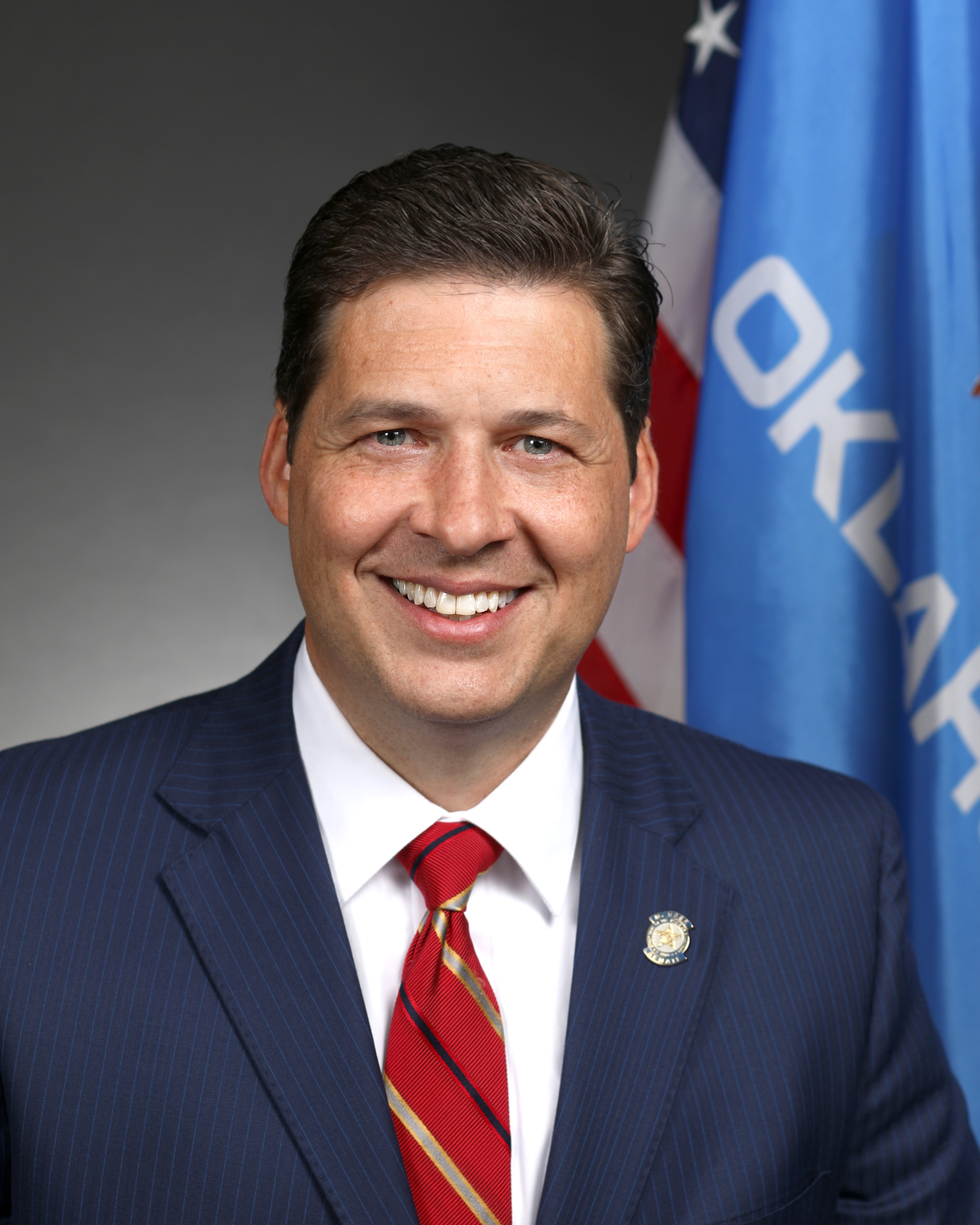
Shane Jett
Senate · District 17
|
R |
Oppose
|
21% | 175 |

Tom Gann
House · District 8
|
R |
Oppose
|
22% | 201 |

Rick West
House · District 3
|
R |
Oppose
|
25% | 196 |

Molly Jenkins
House · District 33
|
R |
Oppose
|
28% | 193 |

Jim Shaw
House · District 32
|
R |
Oppose
|
28% | 207 |
Showing 1–10 of 34
bills
All labor & employment bills
SB 95: Workers' compensation; amending definitions. Effective date.
Topics
✗ HealthcareOpposes HealthcareExcludes age-related conditions (e.g., arthritis) from compensable injuries, restricting healthcare coverage under workers' compensation for specific medical conditions.
✗ Labor & EmploymentOpposes Labor & EmploymentExcludes age-related conditions (e.g., arthritis) from compensable injuries, restricting worker benefits under workers' comp.
Sub-Topics
Workers' Compensation
HB 3024: Public finance; agencies; salary increases; bonus amounts; metrics; job performance; advanced degrees; licensed persons; effective date; emergency.
Topics
✗ Budget & TaxesOpposes Budget & TaxesBill imposes 10% cap on state employee salary increases/bonuses, restricting government spending on personnel costs per budget management focus.
✗ Labor & EmploymentOpposes Labor & EmploymentCaps annual salary increases and bonuses for most state employees at 10%, restricting wage growth and requiring approval for higher increases.
SB 1947: Oklahoma Employees Insurance and Benefits Act; authorizing opt out options for certain persons; requiring employees to receive certain funds in lieu of flexible benefit amount. Effective date.
Topics
✗ HealthcareOpposes HealthcareAllows state employees to opt out of state health plan, reducing state healthcare funding and weakening public coverage for employees.
✗ Labor & EmploymentOpposes Labor & EmploymentBill reduces health benefits for state employees opting out with standard insurance (replacing full benefit with $150/month), weakening worker compensation and protections.
Sub-Topics
Insurance
HB 3467: Education employees; maternity leave; adoption; purpose; effective date; emergency.
Topics
✗ EducationOpposes EducationBill restricts maternity/adoption leave eligibility to children under four, narrowing coverage and reducing employee benefits compared to broader existing policies.
✗ Labor & EmploymentOpposes Labor & EmploymentRestricts maternity/adoption leave eligibility to children under 4, narrowing existing coverage scope per bill summary.
SB 1425: Health care; repealing provisions related to the Health Care Workforce Resources Board. Effective date.
Topics
✗ HealthcareOpposes HealthcareRepeals statutes funding health workforce programs, eliminating legal framework for assistance to healthcare workers and educators, effectively defunding these initiatives.
✗ Labor & EmploymentOpposes Labor & EmploymentRepeals health care worker assistance programs, eliminating funding and support for workers' benefits and resources.
HB 3313: Retirement; Retirement Freedom Act; minimum employer contribution amount; employer matching; vesting schedule for certain funds; reemployed participants; effective date.
Sub-Topics
Retirement Benefits
SB 1960: Government workplace practices; prohibiting municipalities, counties, and state agencies from taking certain actions. Emergency.
SB 1864: Schools; removing minimum salary schedule amounts beginning in certain school year; directing certain personnel to be paid in accordance with certain salary schedule. Effective date. Emergency.
Topics
✗ EducationOpposes EducationRemoves state-mandated minimum teacher salaries, allowing districts to set lower pay without oversight, weakening teacher compensation protections.
✗ Labor & EmploymentOpposes Labor & EmploymentRemoves state-mandated minimum teacher salaries, allowing districts to set lower pay without state oversight, weakening wage protections for educators.
Sub-Topics
Teachers
SB 2084: Governmental Tort Claims Act; limiting settlement awards for wrongful termination claims; providing for inclusion of certain damages. Effective date.
Topics
✗ Budget & TaxesOpposes Budget & TaxesCaps government spending on wrongful termination settlements, reducing state expenditures for public university employee claims by limiting settlement amounts.
✗ EducationOpposes EducationBill limits settlement amounts for wrongful termination claims by public university employees, reducing potential compensation (a benefit) for teachers/staff, opposing enhanced educator protections.
✗ Labor & EmploymentOpposes Labor & EmploymentCaps wrongful termination settlements at 2 years' base salary for public university employees, excluding earned wages/retirement benefits, restricting worker compensation rights.