Issue · Labor & Employment

Labor & Employment (Workers' Compensation)

Every labor & employment bill, vote, and legislator stance in Oklahoma, automatically classified by Maddy, our AI policy reader.

Total bills
10
2026 Regular Session
Top supporter
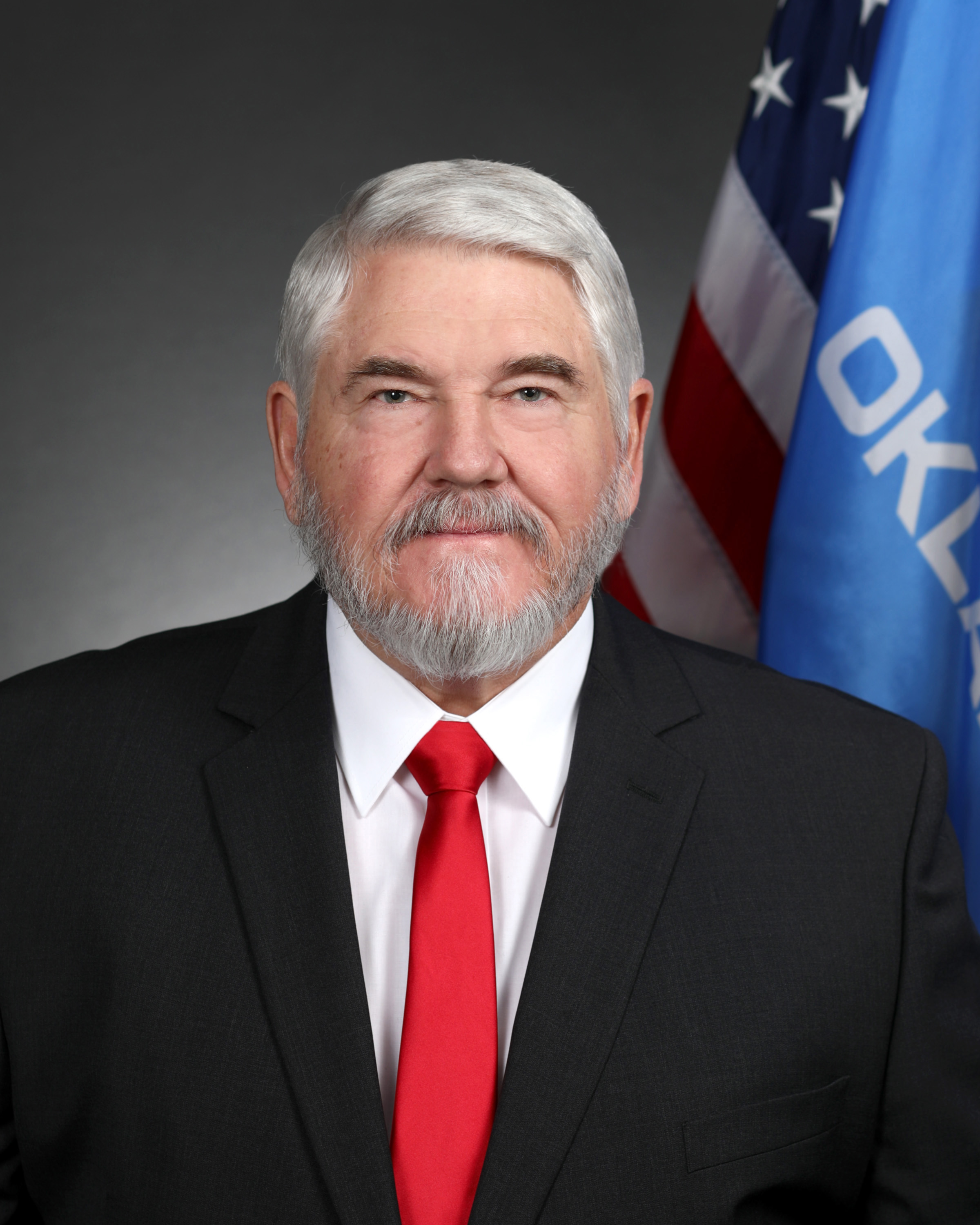
George Burns
100% support rate
Top opponent
Chris Sneed
40% support rate
Ranked legislators
6
5 support · 1 oppose
Key legislators

Who's moving workers' compensation in Oklahoma

Legislators moving workers' compensation in Oklahoma
Legislator Party Stance Support rate Votes
George Burns
George Burns Senate · District 5
R
Strong +
100% 4
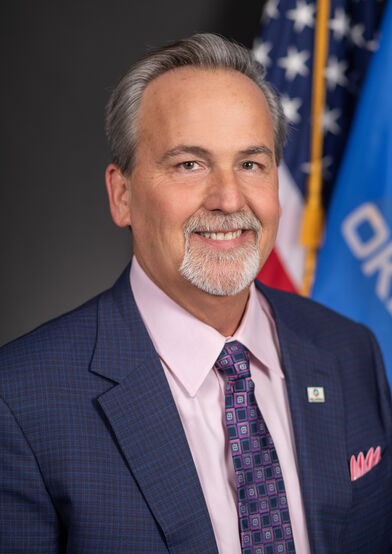
Aaron Reinhardt
Aaron Reinhardt Senate · District 37
R
Strong +
100% 3
Adam Pugh
Adam Pugh Senate · District 41
R
Strong +
100% 3
Bill Coleman
Bill Coleman Senate · District 10
R
Strong +
100% 3
Brian Guthrie
Brian Guthrie Senate · District 25
R
Strong +
100% 3
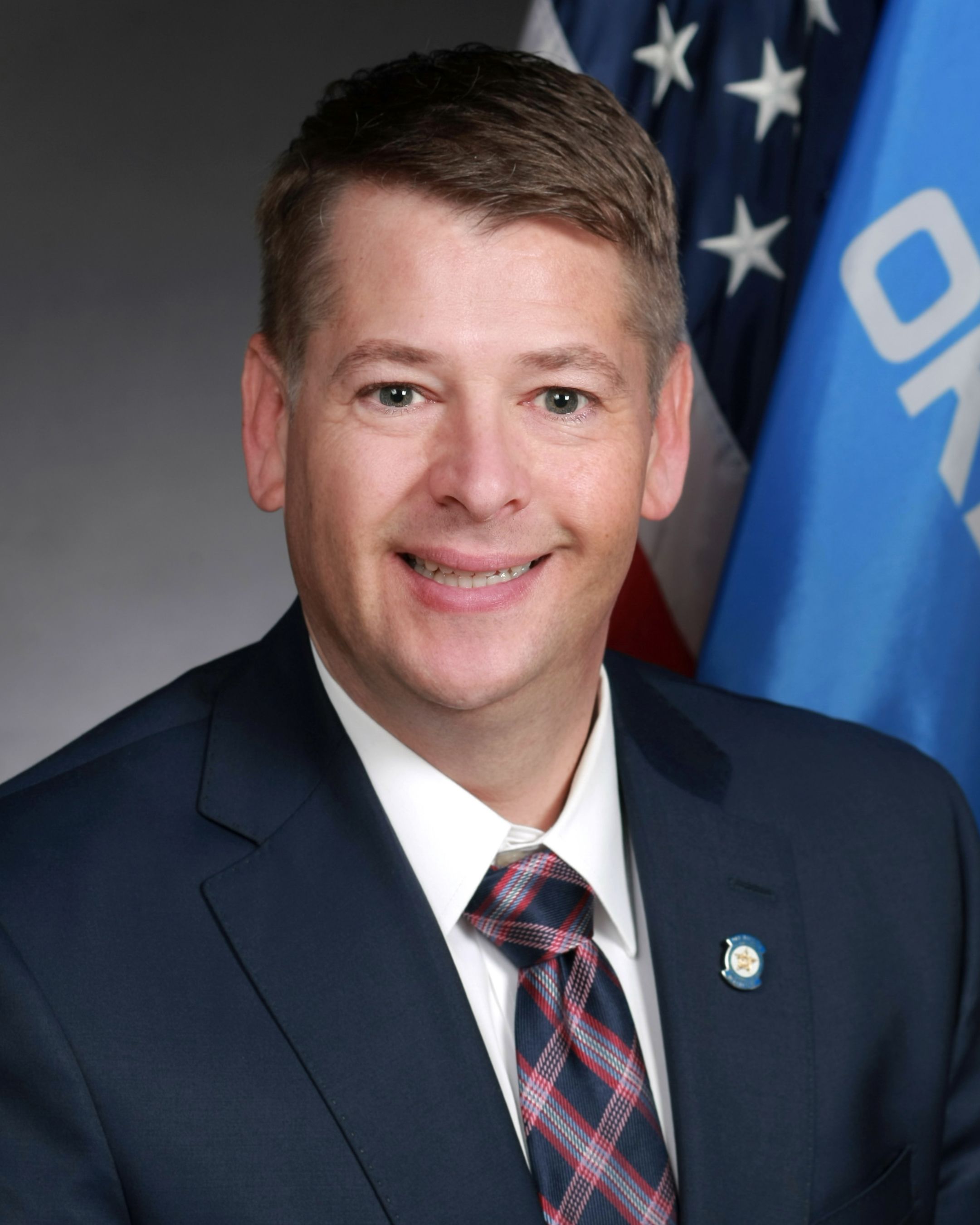
Chris Sneed
Chris Sneed House · District 14
R
Oppose
40% 5
Showing 10 of 10 bills

All labor & employment bills

signed · Oklahoma · House May 13, 2026

HJR 1023: Workers' compensation; approving certain fee schedule; effective date; emergency.

This bill establishes the "Oklahoma Workers' Compensation Medical Fee Policy Act of 2025," creating a new framework for setting medical fees in workers' compensation cases. It directly affects medical providers treating work-related injuries and injured workers receiving medical care through workers' compensation. The policy will take effect on November 1, 2025, standardizing fee rates for medical services under workers' compensation claims.
signed · Oklahoma · Senate May 7, 2025

SB 95: Workers' compensation; amending definitions. Effective date.

SB 95 updates key definitions in Oklahoma's workers' compensation law to clarify eligibility and claims processing. It directly affects injured workers (claimants), employers, insurance carriers, and medical providers by defining terms like "case manager" (requiring specific nursing licenses or certifications) and "carrier" (explicitly including self-insured employers). The bill also clarifies what constitutes a "compensable injury," excluding age-related conditions like arthritis and adding drug testing rules for claims involving intoxication. These changes aim to standardize claims administration and reduce disputes over coverage. The bill became effective after the governor signed it on May 6, 2025.
in committee · Oklahoma · Senate Feb 4, 2025

SB 389: Workers' compensation; granting Attorney General concurrent authority with the Oklahoma Workers' Compensation Commission to investigate and enforce certain violations; authorizing certain inspections. Emergency.

SB 389 allows Oklahoma's Attorney General to investigate and enforce workers' compensation insurance requirements alongside the Oklahoma Workers' Compensation Commission. It directly affects employers who fail to secure required workers' compensation coverage, potentially facing misdemeanor charges and fines up to $10,000. The bill amends existing law to establish this concurrent enforcement authority, updating procedures for investigations and penalties. The law takes effect immediately due to an emergency declaration.
signed · Oklahoma · Senate May 13, 2026

SB 1944: Administrative Workers' Compensation Act; modifying definition. Effective date.

SB 1944 amends Oklahoma's workers' compensation law by updating key definitions in the Administrative Workers' Compensation Act. It clarifies who qualifies as an "actually dependent" for benefits, specifies requirements for certified "case managers" (including nursing licenses and specific certifications), and refines the definition of "compensable injury" to exclude injuries caused by alcohol/drug use, natural aging, or preexisting conditions without proven aggravation from work. These changes directly affect injured workers seeking benefits, employers, insurance carriers, and healthcare providers involved in workers' compensation claims. The bill aims to standardize eligibility and claim processing without creating new benefits or altering benefit amounts.
in committee · Oklahoma · House Feb 3, 2026

HB 4111: Labor; Oklahoma Workplace Competitiveness and Safety Act of 2026; Oklahoma Occupational Safety and Health Administration; definitions; powers; duties; funds; transfer; effective date; emergency.

HB 4111 creates the Oklahoma Occupational Safety and Health Administration (OOSHA) within the Department of Labor to establish state-level workplace safety standards. It mandates coverage for all public employees (state/local government workers) and allows private employers to voluntarily join the "SoonerSafe" certification program. Certified employers receive up to 10% workers' compensation premium credits, priority for state contracts, and the right to use a "Sooner Safe" seal, while OOSHA will enforce safety rules, provide free consulting, and collect injury data. The program begins July 1, 2026, with $10 million in initial funding to replace federal OSHA oversight for public workers and support private-sector participation.
passed · Oklahoma · House Apr 28, 2026

HB 4202: Workers compensation; reimbursement; magnetic resonance imaging; emergency.

HB 4202 modifies Oklahoma's workers' compensation medical reimbursement rules. It requires MRI services to be provided by Medicare-compliant or accredited facilities to qualify for reimbursement, and sets reimbursement rates for other services at 150% of Medicare rates for certain evaluations. The bill also caps travel reimbursement for medical appointments at 600 miles round trip and updates the fee schedule to use Medicare rates as a benchmark. These changes directly affect injured workers receiving medical care and healthcare providers seeking reimbursement for services under workers' compensation.
in committee · Oklahoma · House Feb 6, 2025

HB 2217: Workers' Compensation; benefits; fees; effective date.

HB 2217 amends Oklahoma's workers' compensation law to clarify benefit rules for injured workers. It requires employees to comply with medical treatment (missing three appointments or abandoning care for 60 days can terminate benefits) and limits permanent partial disability awards to a 100% rating based on the American Medical Association's guidelines. The bill also caps weekly payments at $350 (increasing to $360 after July 1, 2021), not exceeding 360 weeks total for the body as a whole. These changes directly affect injured workers seeking ongoing benefits, employers managing claims, and medical providers submitting disability evaluations.
in committee · Oklahoma · House Feb 4, 2025

HB 1842: Workers' compensation; mental health-related injuries; first responders; service weapon; CLEET certification; effective date.

HB 1842 modifies Oklahoma's workers' compensation rules for mental health injuries affecting first responders. It removes the requirement for a physical injury to claim PTSD-related compensation for law enforcement officers, firefighters, and EMTs responding to emergencies. The bill limits mental injury disability benefits to 52 weeks (with 26 weeks for initial coverage), caps medical treatment costs at $10,000, and requires employers to suspend CLEET certification and collect service weapons during disability. This directly affects full-time and volunteer first responders whose mental health conditions arise from emergency response duties.
in committee · Oklahoma · Senate Feb 4, 2025

SB 1013: Workers' compensation; expanding certain rights and remedies. Effective date.

SB 1013 expands workers' compensation rights in Oklahoma by clarifying when injured workers can sue employers outside the standard compensation system. It allows workers to pursue court claims if their employer fails to pay required compensation or if the injury results from an intentional tort (defined as deliberate harm with specific intent, not just negligence). The bill also clarifies contractor responsibilities, specifying that general contractors must provide workers' compensation coverage for subcontractors and defining terms like "general contractor" and "subcontractor" to prevent disputes over insurance coverage. This directly affects injured workers, employers (particularly in construction), and contractors who must now meet clearer insurance requirements. The changes aim to balance employer liability while ensuring workers have legal recourse in specific, documented cases of non-payment or intentional harm.
signed · Oklahoma · Senate May 27, 2025

SB 642: Worker's compensation; expanding rights and remedies granted to certain persons; authorizing agreement between contractors to provide certain insurance coverage. Emergency.

SB 642 expands workers' compensation rights for injured employees in Oklahoma by clarifying when they can pursue legal action against employers. It directly affects injured workers, their families, and contractors (both general and subcontractors) who must now ensure workers' compensation insurance is made available to subcontractors. Key provisions include: allowing lawsuits if employers fail to secure required insurance or commit intentional torts (with strict proof requirements), defining "provides workers' compensation insurance" as making coverage available (not requiring it to cover specific incidents), and clarifying that immunity from lawsuits does not apply in these cases. The bill also updates definitions for contractors and ensures insurance requirements apply consistently across construction projects.