

Issue · Criminal Justice
Criminal Justice
Every criminal justice bill, vote, and legislator stance in Oklahoma, automatically classified by Maddy, our AI policy reader.
Total bills
448
2026 Regular Session
Top supporter
Aletia Timmons
76% support rate
Top opponent
Brian Guthrie
24% support rate
Ranked legislators
10
5 support · 5 oppose
Key legislators
Who's moving criminal justice in Oklahoma
| Legislator | Party | Stance | Support rate | Votes |
|---|---|---|---|---|

Aletia Timmons
House · District 97
|
D |
Support
|
76% | 91 |

Regina Goodwin
Senate · District 11
|
D |
Support
|
73% | 225 |

Michael Brooks
Senate · District 44
|
D |
Support
|
72% | 274 |
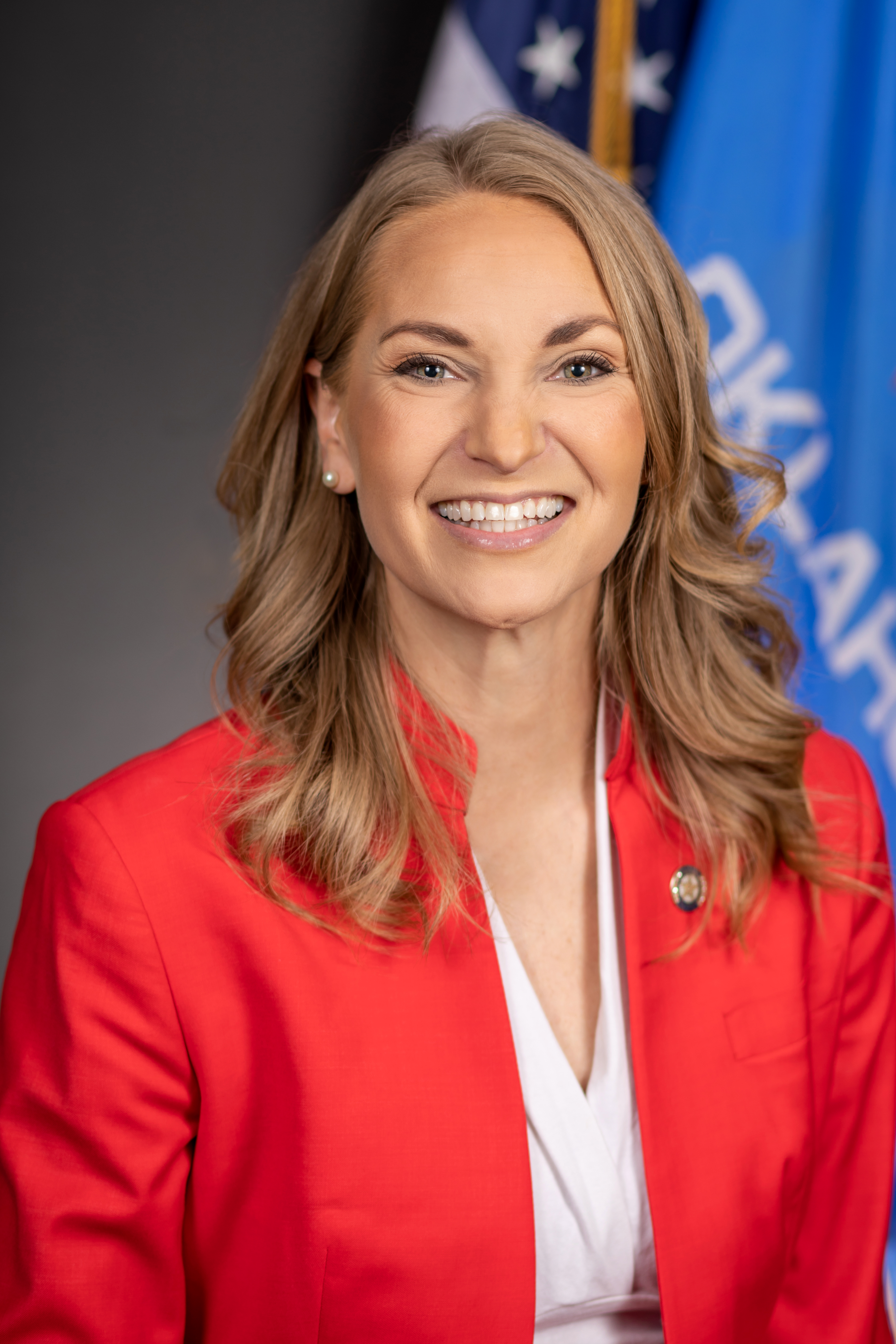
Carri Hicks
Senate · District 40
|
D |
Support
|
71% | 184 |
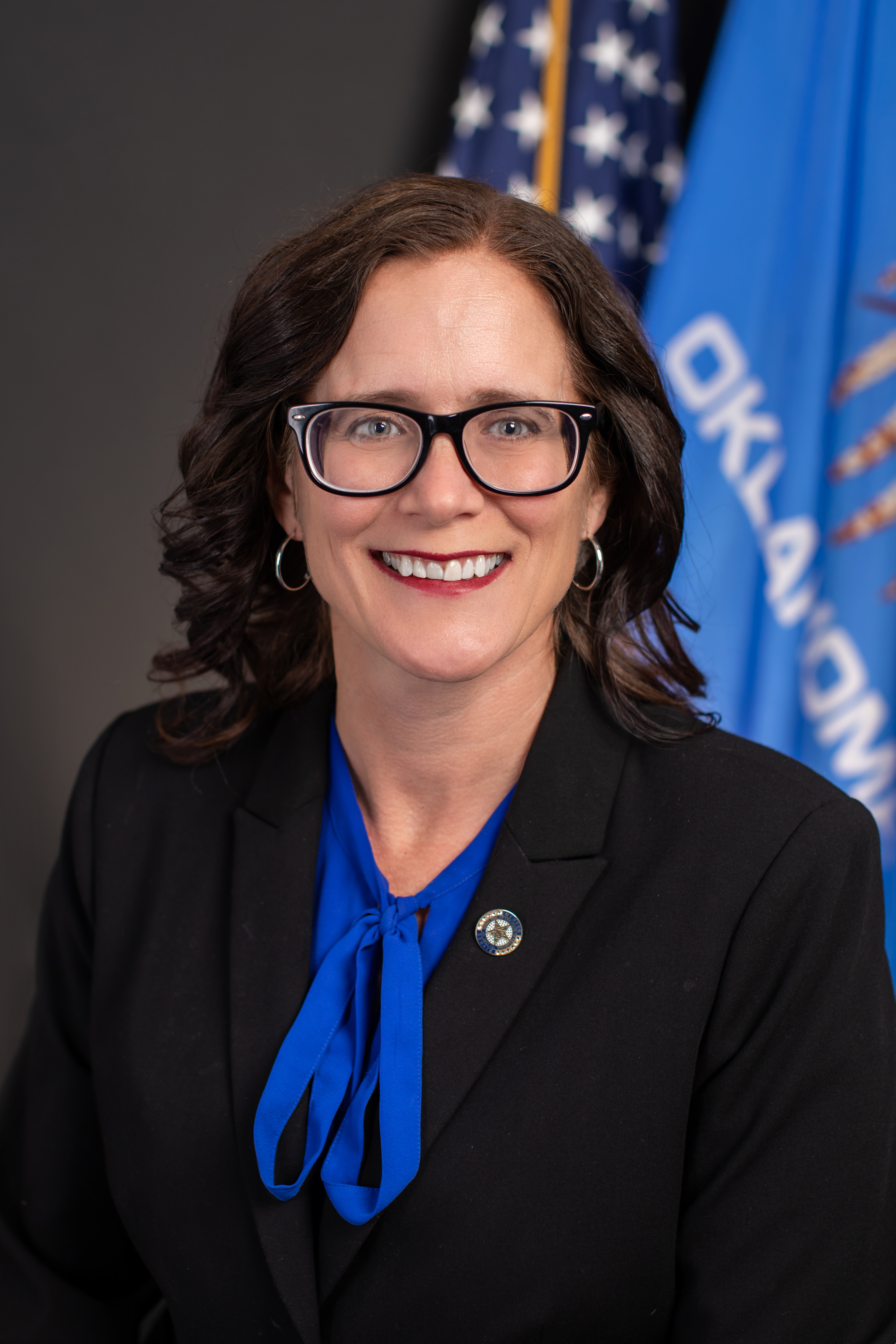
Julia Kirt
Senate · District 30
|
D |
Support
|
70% | 174 |

Brian Guthrie
Senate · District 25
|
R |
Oppose
|
24% | 158 |

Lisa Standridge
Senate · District 15
|
R |
Oppose
|
26% | 220 |
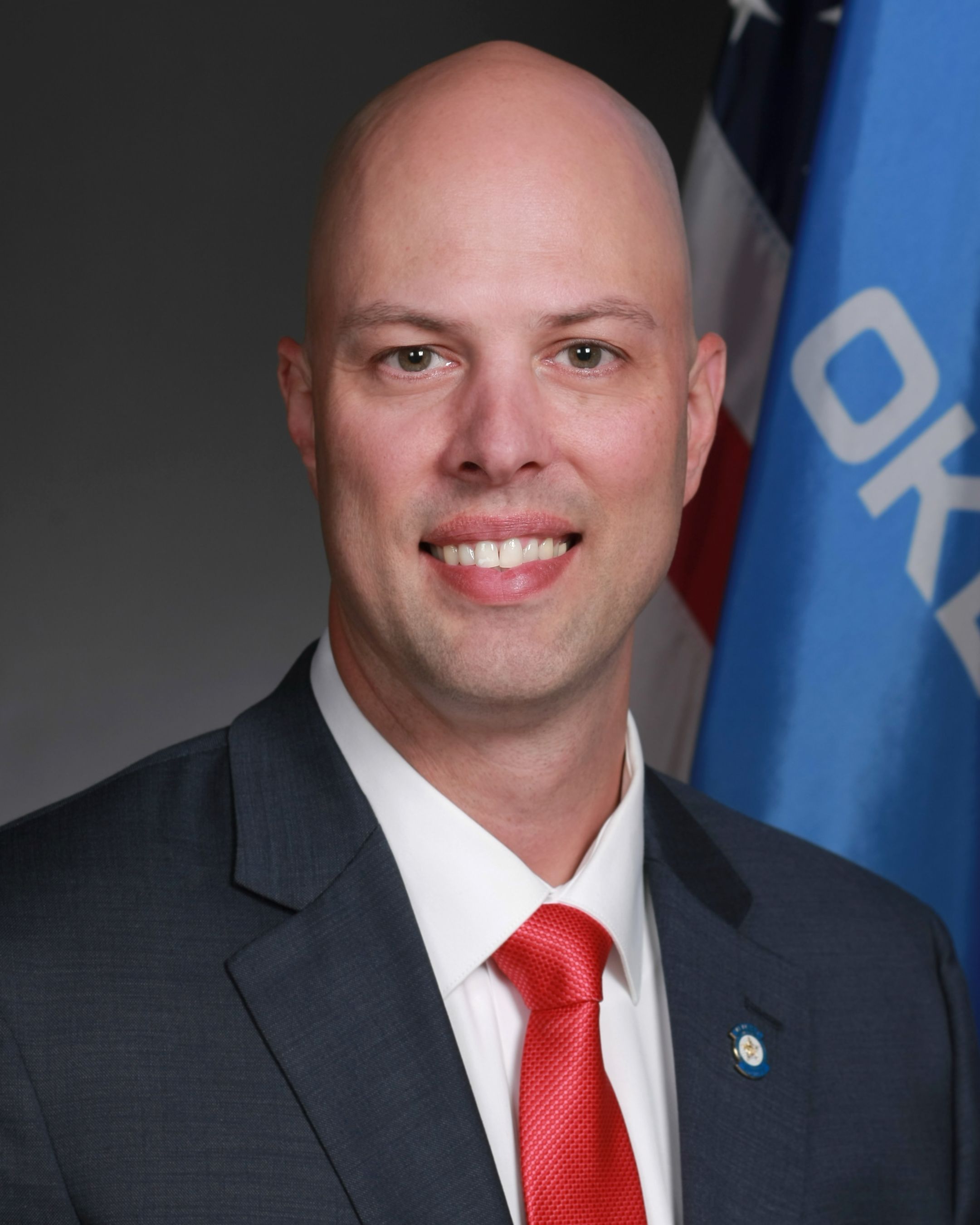
Jay Steagall
House · District 43
|
R |
Oppose
|
27% | 149 |

Julie McIntosh
Senate · District 3
|
R |
Oppose
|
28% | 164 |

Dusty Deevers
Senate · District 32
|
R |
Oppose
|
28% | 156 |
Showing 21–30 of 448
bills
All criminal justice bills
SB 1754: State government; designating Antifa and Black Lives Matter as domestic terror organizations. Emergency.
SB 1295: Domestic Violence Fatality Review Board; creating Domestic Violence Fatality Review Board Revolving fund. Effective date. Emergency.
Topics
✓ Budget & TaxesSupports Budget & TaxesAppropriates $250,000 from General Revenue Fund for domestic violence fatality database, funding a public safety program per budget allocation requirements.
✓ Criminal JusticeSupports Criminal JusticeCreates database for domestic violence fatality reviews, funds with $250k to improve understanding of patterns and prevent future deaths - direct criminal justice reform
SB 513: Oklahoma Riot Control and Prevention Act; prohibiting certain entities from taking certain actions and authorizing certain activity during state of emergency. Effective date.
HB 3981: District Attorneys Council; District Attorney Locality Incentive Program; District Attorney Locality Incentive Program Revolving Fund; codification; effective date.
Topics
✓ Budget & TaxesSupports Budget & TaxesCreates new revolving fund to provide $50k incentives for prosecutors in high-need areas, increasing state funding for public safety services.
✓ Criminal JusticeSupports Criminal JusticeFunds prosecutors in high-need areas to strengthen local justice systems through financial incentives and service obligations.
HB 2012: Public health and safety; harm-reduction services; deleting sunset date; effective date.
Topics
✓ Criminal JusticeSupports Criminal JusticeBill permanently authorizes harm-reduction services including addiction treatment referrals, aligning with criminal justice reform by reducing recidivism through rehabilitation rather than punishment.
✓ HealthcareSupports HealthcareBill makes harm-reduction services permanent, authorizing needle distribution, HIV/hepatitis testing, and addiction referrals - directly advancing public health access and prevention services.
HB 4288: Schools; authorizing the Department of Mental Health and Substance Abuse Services to create an alternative education pilot program for out-of-school suspended students; effective date.
Topics
✓ Criminal JusticeSupports Criminal JusticeBill uses restorative practices and therapy to address school suspensions, preventing school-to-prison pipeline and reducing recidivism - aligning with criminal justice reform indicators.
✓ EducationSupports EducationBill creates alternative education program with therapy/restorative practices for suspended students, enabling reintegration and continued learning. Expands educational access and support for at-risk students, directly advancing K-12 educational a...
✓ HealthcareSupports HealthcareBill mandates therapy and mental health services within an alternative education program for suspended students, directly advancing mental health support as part of healthcare services.
HB 1222: Driving under the influence; requiring certain arrested person make bail before release; effective date.
Sub-Topics
Domestic Violence
SB 2043: Harm-reduction services; removing certain authorities; eliminating certain protection. Effective date. Emergency.
Topics
✗ Criminal JusticeOpposes Criminal JusticeRepeals legal protections for harm-reduction services (needle exchanges, overdose prevention), directly restricting programs aligned with criminal justice reform by removing statutory immunity.
✗ HealthcareOpposes HealthcareRepeals legal protections for harm-reduction services (needle exchanges, overdose prevention), restricting public health programs central to healthcare access and safety.
SB 606: Office of public defender; increasing certain population requirements. Effective date.
Topics
✗ Criminal JusticeOpposes Criminal JusticeRaises population threshold for public defender offices, reducing mandatory coverage in smaller counties and potentially limiting defendant access to counsel.
✓ HealthcareSupports HealthcareMandates mental health training for public defenders, supporting mental health service integration in legal representation.