Issue · Criminal Justice

Criminal Justice

Every criminal justice bill, vote, and legislator stance in Oklahoma, automatically classified by Maddy, our AI policy reader.

Total bills
448
2026 Regular Session
Top supporter
Aletia Timmons
76% support rate
Top opponent
Brian Guthrie
24% support rate
Ranked legislators
10
5 support · 5 oppose
Key legislators

Who's moving criminal justice in Oklahoma

Legislators moving criminal justice in Oklahoma
Legislator Party Stance Support rate Votes
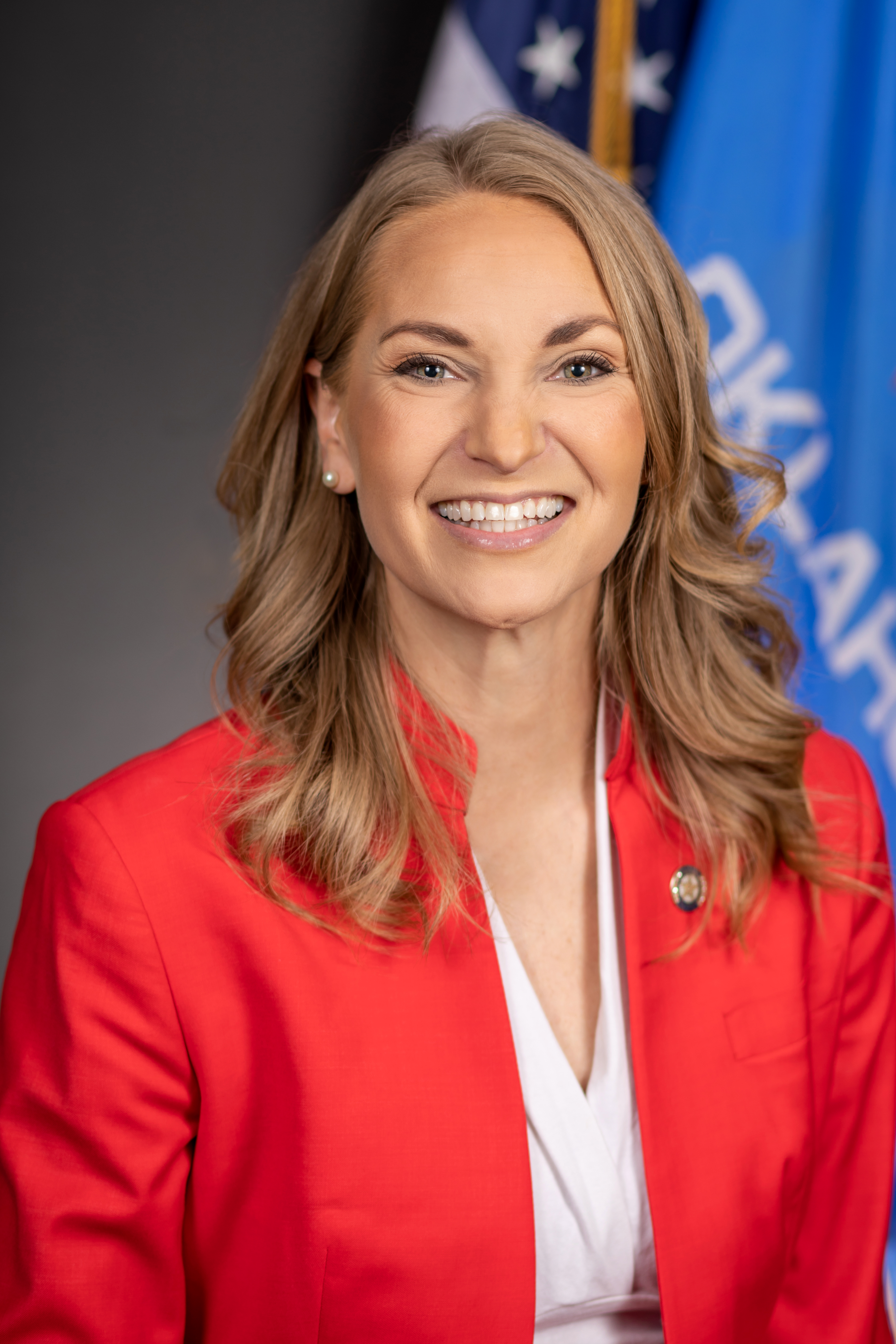
Aletia Timmons
Aletia Timmons House · District 97
D
Support
76% 91
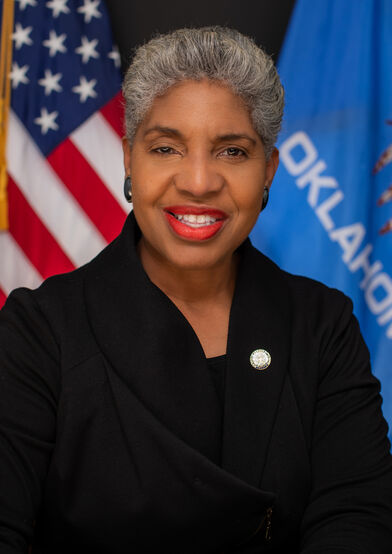
Regina Goodwin
Regina Goodwin Senate · District 11
D
Support
73% 225
Michael Brooks
Michael Brooks Senate · District 44
D
Support
72% 274
Carri Hicks
Carri Hicks Senate · District 40
D
Support
71% 184
Julia Kirt
Julia Kirt Senate · District 30
D
Support
70% 174
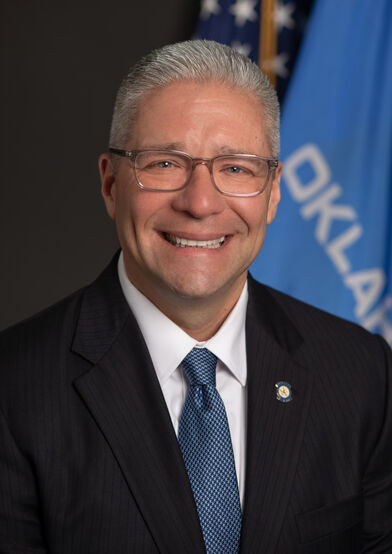
Brian Guthrie
Brian Guthrie Senate · District 25
R
Oppose
24% 158
Lisa Standridge
Lisa Standridge Senate · District 15
R
Oppose
26% 220
Jay Steagall
Jay Steagall House · District 43
R
Oppose
27% 149
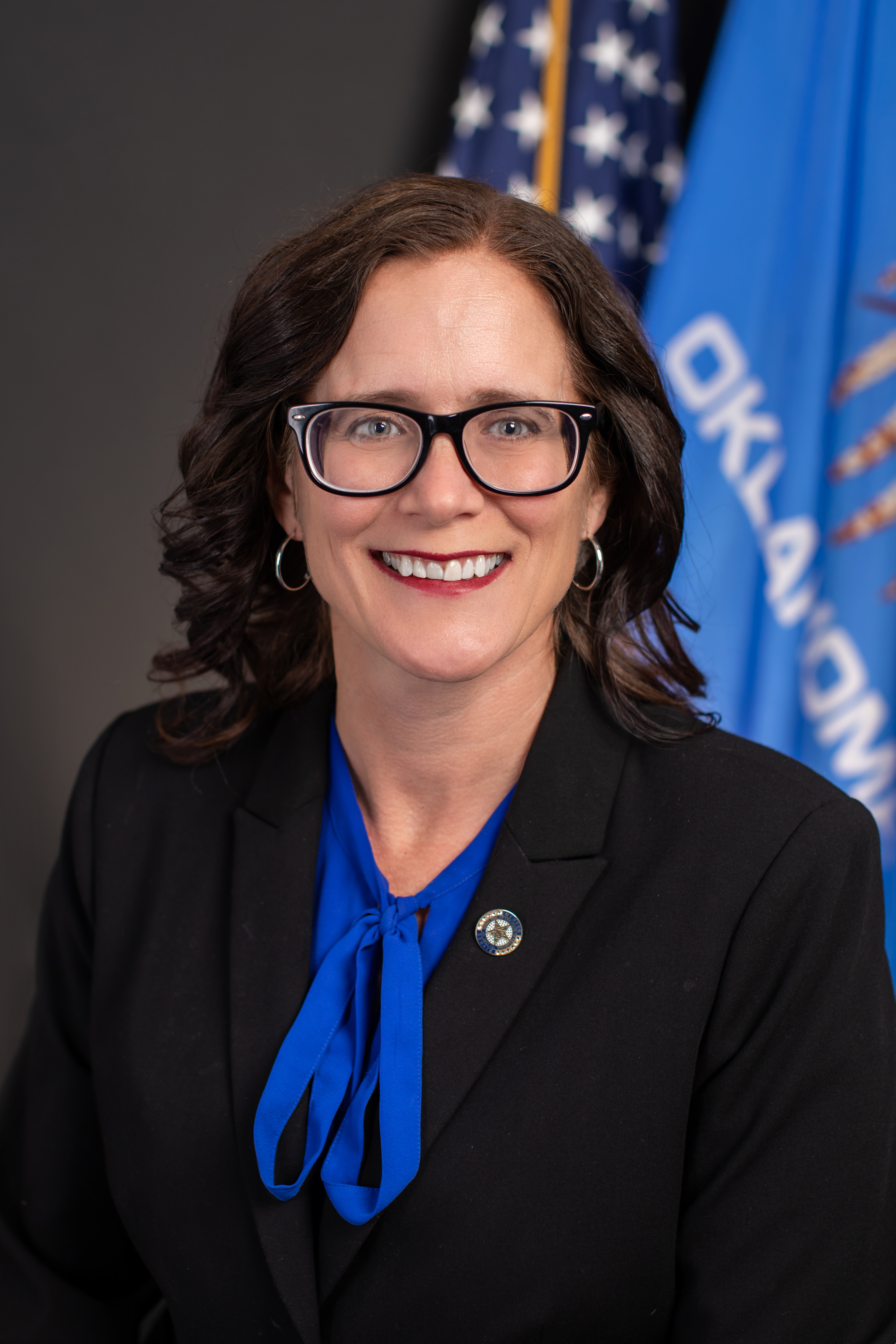
Julie McIntosh
Julie McIntosh Senate · District 3
R
Oppose
28% 164
Dusty Deevers
Dusty Deevers Senate · District 32
R
Oppose
28% 156
Showing 161–170 of 448 bills

All criminal justice bills

signed · Oklahoma · House May 4, 2026

HB 3849: Oklahoma Juvenile Code; Oklahoma Mentoring Children of Incarcerated Parents Program; purpose; mentoring services; applicant requirements; grants; effective date.

HB 3849 establishes the Oklahoma Mentoring Children of Incarcerated Parents Program under the Oklahoma Commission on Children and Youth. It provides one-on-one mentoring services to two specific groups: children in juvenile custody outside the home, and children identified as at risk of entering the juvenile justice system, who have parents in prison. The bill requires the Commission to issue competitive grants every three years to qualified 501(c)(3) nonprofit organizations meeting strict criteria, including serving ages 6-18, having statewide presence, 3+ years working with this population, and adhering to safety protocols. Grants are capped at $1,500 per mentor-mentee match, with awards to be made by November 1, 2024, for services starting in 2026. The program is effective November 1, 2026.
in committee · Oklahoma · Senate Feb 3, 2026

SB 1803: Governmental Tort Claims Act; requiring adoption of law enforcement pursuit policies; prohibiting liability for certain actions. Effective date.

SB 1803 requires Oklahoma law enforcement agencies to adopt written pursuit policies and obtain "pursuit-ready" certification from the Council on Law Enforcement Education and Training. It mandates specific training on pursuit decision-making, risk assessment, and termination procedures, with the Council setting minimum training hours. The bill creates a legal presumption that fleeing suspects cause injuries during pursuits, shielding officers from liability unless intentional misconduct is proven by clear evidence. This applies directly to law enforcement agencies and officers conducting lawful pursuits, effective November 1, 2026.
Sub-Topics Law Enforcement
in committee · Oklahoma · House Feb 3, 2026

HB 4287: Prisons and reformatories; Oklahoma Department of Corrections; electronic record; Oklahoma State Data Center; census geography; effective date.

This bill changes how Oklahoma counts incarcerated people for redistricting. It requires the Oklahoma Department of Corrections to collect inmates' last known Oklahoma addresses and send anonymized demographic data to the State Data Center during census years. The data will adjust population figures so incarcerated people are counted at their home addresses (not prison locations) for legislative and local district boundaries. If an inmate's address is outside Oklahoma or unknown, they are excluded from local population totals. This ensures districts reflect where people actually live, not where they are imprisoned.
Sub-Topics Corrections
signed · Oklahoma · Senate May 29, 2026

SB 1618: Criminal procedure; creating the Public Protection Act; conditions of release; public safety reports. Effective date.

SB 1618 requires Oklahoma judicial districts to use validated risk assessment tools when setting pretrial release conditions for defendants facing misdemeanor or felony charges. These tools must evaluate factors like criminal history, community ties, substance abuse history, flight risk, and danger to others, while also considering the offense's nature and evidence weight. Courts must presume the assessment's accuracy and set release conditions accordingly, but may deviate only if the state provides clear evidence justifying exceptions to secure defendant appearance, protect public safety, or meet specific legal requirements. If deviations occur, courts must document their reasoning on the record.
in committee · Oklahoma · Senate Feb 3, 2026

SJR 27: Constitutional amendment; clarifying Pardon and Parole Board voting procedures.

This constitutional amendment (SJR 27) clarifies voting procedures for Oklahoma's Pardon and Parole Board. It specifies that a tie vote on clemency recommendations for death row inmates does not count as a denial, and establishes rules for using alternate board members when regular members are absent or recused. Alternates must come from the same appointing authority as the absent member and have 180 days to review cases. The amendment directly affects the Board's operations and death penalty cases seeking clemency. It does not change the Board's authority over parole recommendations for nonviolent offenses.
Sub-Topics Probation & Parole
signed · Oklahoma · House May 12, 2026

HB 4408: State question 780 data; calculation of savings and averted costs from implementation of the Oklahoma Smart Justice Reform Act; Department of Corrections; Legislative Office of Fiscal Transparency; Administrator of the Courts; effective date.

HB 4408 requires the Oklahoma Department of Corrections and the Administrator of the Courts to submit annual data by July 31st on offenders convicted only of crimes reclassified under State Question 780 (which reduced penalties for certain low-level offenses). This data includes unique offenders, days served, and sentence lengths for offenses now classified as misdemeanors or with adjusted dollar thresholds. The Legislative Office of Fiscal Transparency must then calculate the state's annual savings from reduced incarceration costs within 30 days, using actual data or best estimates if needed. The final calculation is binding and cannot be revised later, with the bill taking effect November 1, 2026.
Sub-Topics Corrections
in committee · Oklahoma · House Feb 3, 2026

HB 3202: Law enforcement training; requiring medical ethics and medical law in continuing education curriculum; effective date.

HB 3202 requires all CLEET-certified law enforcement officers in Oklahoma (both active full-time and reserve) to complete two hours of annual training on medical ethics and medical law starting November 1, 2026. The training must cover specific topics including patient rights, informed consent, HIPAA privacy rules, recognizing medical neglect, ethical decision-making in healthcare, and interactions with medical providers during emergencies. CLEET must collaborate with medical professionals and legal experts to develop and update a standardized curriculum for this training. Non-compliance with this requirement may lead to suspension of an officer's certification.
Sub-Topics Law Enforcement
passed · Oklahoma · House Apr 15, 2026

HB 3287: Public health and safety; directing hospitals and health care facilities to post certain signage; codification; effective date.

HB 3287 requires all Oklahoma hospitals and healthcare facilities to post clear signage in visible and private areas, stating: "If you are a victim of domestic abuse or human trafficking for commercial sex, please notify the staff of this facility immediately." The bill mandates facilities to create protocols for reporting suspected abuse or trafficking cases to law enforcement before a patient's discharge or release, while also including procedures to protect victims from contact with alleged perpetrators during this process. The State Department of Health must establish rules for signage size, placement, and format. This law takes effect on November 1, 2026, directly impacting healthcare providers and supporting victims of domestic violence and human trafficking.
died · Oklahoma · Senate Mar 10, 2026

SB 1540: Crimes and punishments; creating felony offense related to child abuse. Effective date.

SB 1540 amends Oklahoma law to create new felony classifications for child abuse, neglect, and related offenses. It defines "child abuse" as willful or malicious harm by anyone responsible for a child's welfare, making it a Class A3 felony punishable by up to life in prison or fines up to $5,000. The bill also establishes "enabling child abuse" and "enabling child neglect" as separate Class A3 and Class B1 felonies, respectively, targeting those who facilitate harm to children. Additionally, it requires life without parole for repeat offenders convicted of first-degree rape, sodomy, or sexual abuse of a child. These provisions directly affect caregivers, parents, and institutions responsible for child safety.
in committee · Oklahoma · Senate Feb 3, 2026

SB 1498: Labor; prohibiting certain hiring practices; permitting certain policies during the hiring process; providing exceptions to applicability of provisions. Effective date.

SB 1498 prohibits Oklahoma employers (both public and private) from asking about an applicant's criminal history or obtaining criminal record information before making a conditional job offer. Employers may only ask about criminal convictions that would legally disqualify someone for a specific job under federal, state, or local law. The law does not apply to "sensitive positions" (like school staff, law enforcement, or roles involving vulnerable adults) or jobs where law requires criminal record checks. It takes effect November 1, 2026.
Sub-Topics Law Enforcement
Showing 161 to 170 of 448 bills
Previous 1 16 17 18 45 Next