Issue · Criminal Justice

Criminal Justice

Every criminal justice bill, vote, and legislator stance in Oklahoma, automatically classified by Maddy, our AI policy reader.

Total bills
448
2026 Regular Session
Top supporter
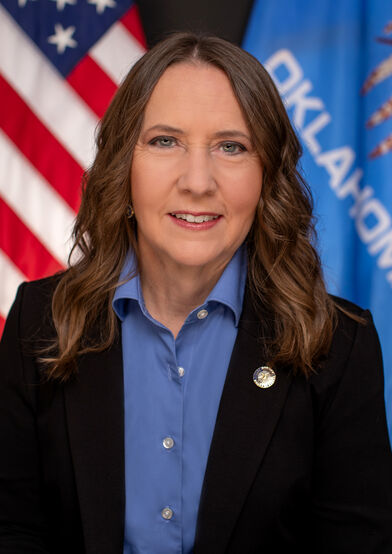
Aletia Timmons
76% support rate
Top opponent
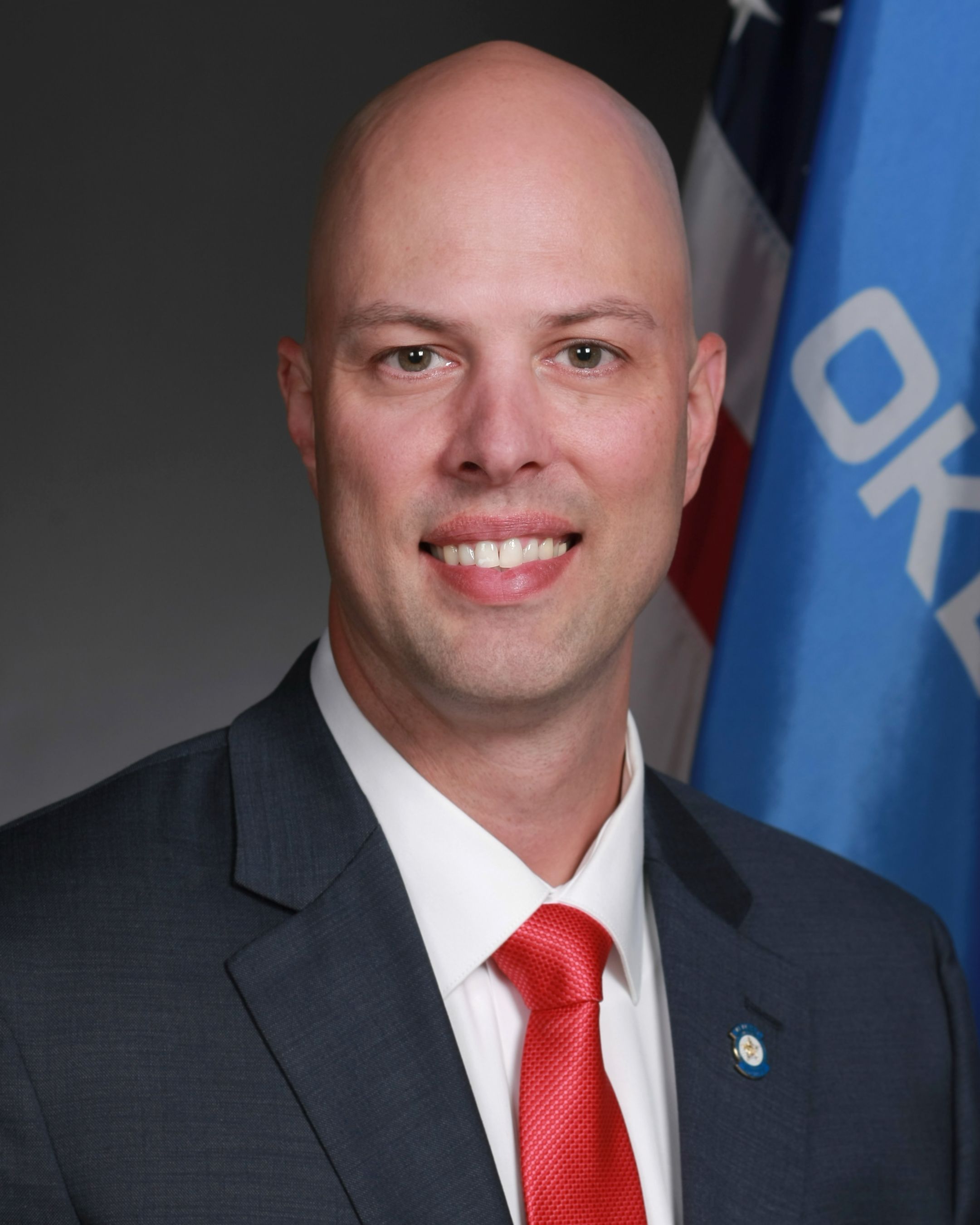
Brian Guthrie
24% support rate
Ranked legislators
10
5 support · 5 oppose
Key legislators

Who's moving criminal justice in Oklahoma

Legislators moving criminal justice in Oklahoma
Legislator Party Stance Support rate Votes
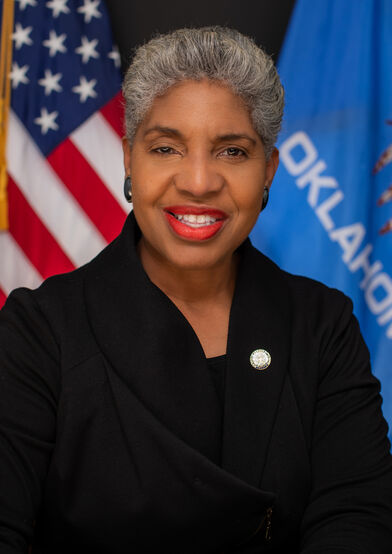
Aletia Timmons
Aletia Timmons House · District 97
D
Support
76% 91
Regina Goodwin
Regina Goodwin Senate · District 11
D
Support
73% 225
Michael Brooks
Michael Brooks Senate · District 44
D
Support
72% 274
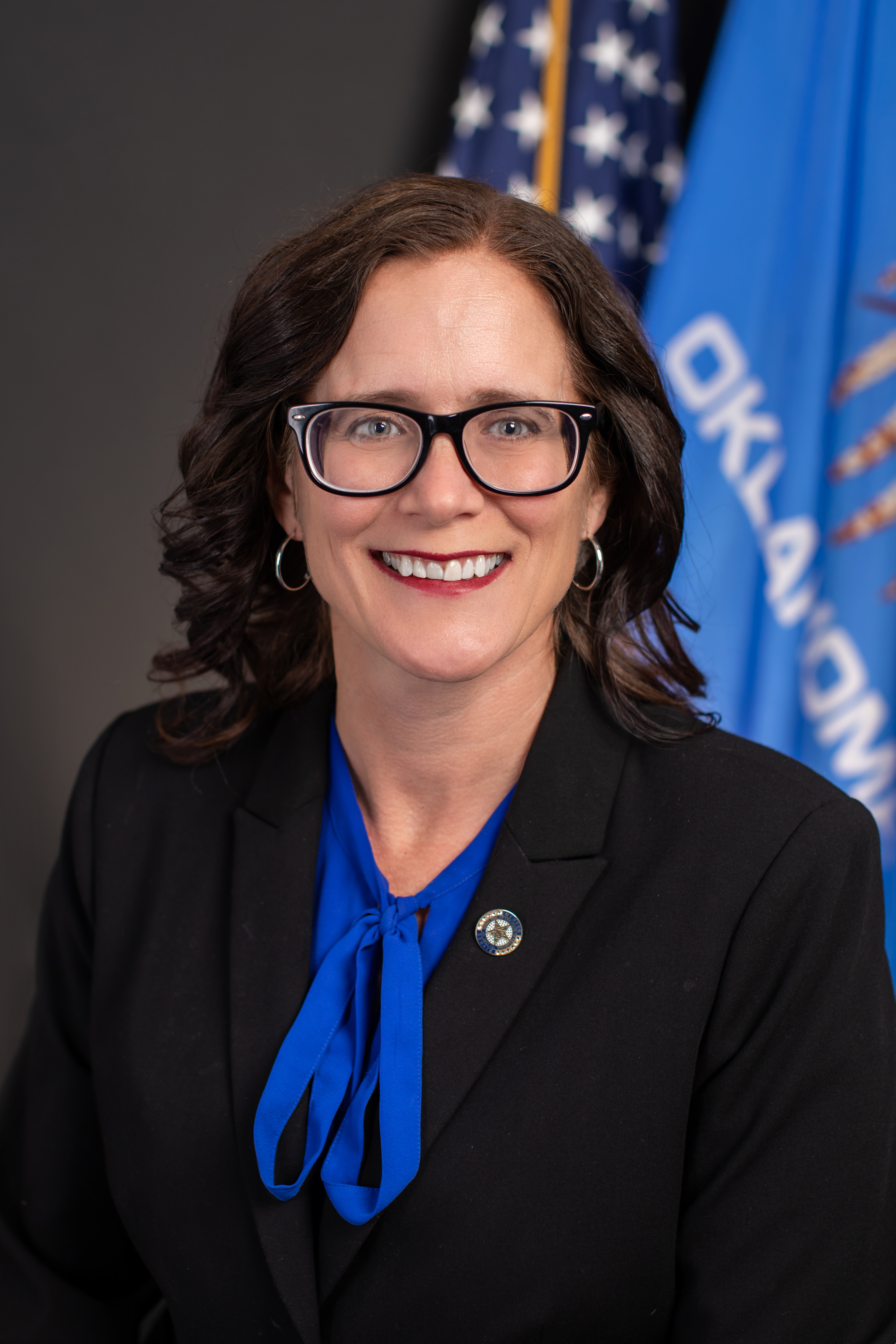
Carri Hicks
Carri Hicks Senate · District 40
D
Support
71% 184
Julia Kirt
Julia Kirt Senate · District 30
D
Support
70% 174
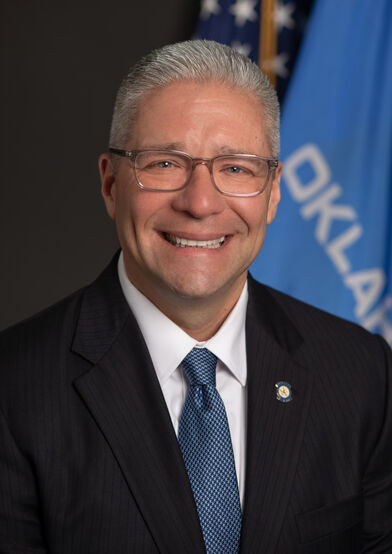
Brian Guthrie
Brian Guthrie Senate · District 25
R
Oppose
24% 158
Lisa Standridge
Lisa Standridge Senate · District 15
R
Oppose
26% 220
Jay Steagall
Jay Steagall House · District 43
R
Oppose
27% 149
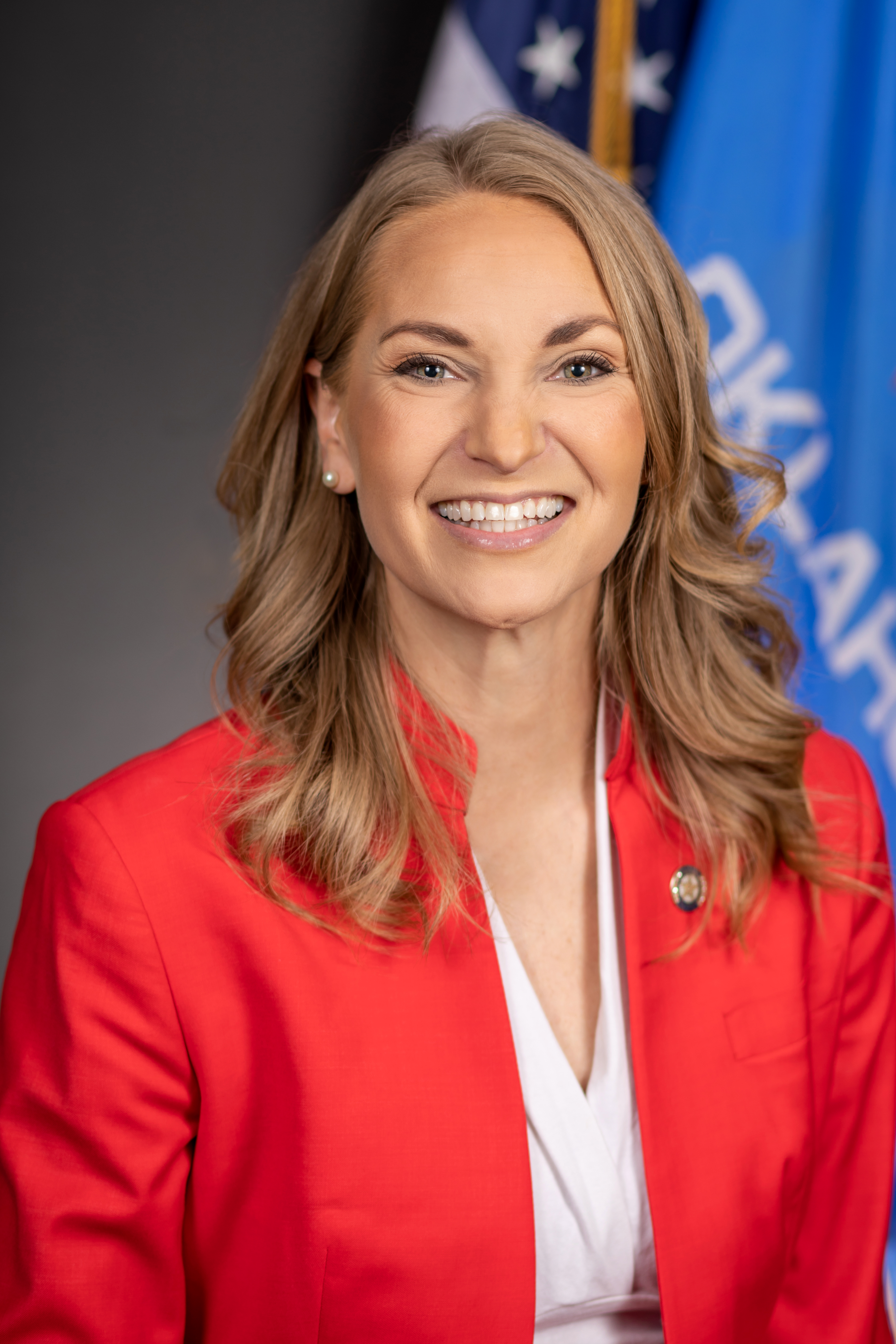
Julie McIntosh
Julie McIntosh Senate · District 3
R
Oppose
28% 164
Dusty Deevers
Dusty Deevers Senate · District 32
R
Oppose
28% 156
Showing 171–180 of 448 bills

All criminal justice bills

passed · Oklahoma · Senate Apr 7, 2026

SB 1450: Criminal court costs and fees; requiring waiver of certain costs and fees upon completion of certain requirements. Effective date.

SB 1450 allows Oklahoma courts to waive criminal court fines, costs, and fees for eligible individuals who meet specific payment and compliance requirements. It creates two pathways: (1) waiving costs after 24 months of timely monthly payments following release from prison, or (2) waiving costs after 48 months of timely payments within the prior 60 months, both requiring full probation/supervision compliance. The bill excludes restitution to victims and child support from waiver eligibility, and requires individuals released from prison to report to courts 180 days post-release to address outstanding debts. The law takes effect November 1, 2026.
in committee · Oklahoma · House Feb 12, 2026

HB 2993: Rural law enforcement; creating the Rural Law Enforcement Grant Fund Act; directing the Attorney General to distribute monies via the Rural Law Enforcement Grant Fund; codification; effective date.

HB 2993 creates 11 rural law enforcement coordination districts across Oklahoma, each covering specific counties (e.g., District 1 includes Washington and Craig Counties). It establishes law enforcement coordinators for each district - requiring 10 years of experience or certification - to serve as liaisons, assist agencies with grant applications for personnel/equipment, and provide technical support. The bill also creates a dedicated "Rural Law Enforcement Coordination Revolving Fund" in the State Treasury to finance coordinator salaries and district operations. This fund is a continuing account not subject to annual budget limits. The law takes effect November 1, 2026.
Sub-Topics Law Enforcement
in committee · Oklahoma · Senate Feb 3, 2026

SB 1596: Criminal procedure; increasing time for which certain prosecutions may be commenced. Effective date.

SB 1596 extends the time limit for prosecuting certain serious crimes in Oklahoma. It allows prosecutions for sexual crimes against children (like rape or child pornography) to be filed until the victim's 45th birthday, and increases the timeframe for crimes like embezzlement of school district funds, Medicaid fraud, and falsification of public records from 5 to 7 years after discovery. The bill also allows prosecutions based on DNA evidence or a confession at any time, while requiring independent evidence for cases relying solely on recovered memories. The changes take effect November 1, 2026.
in committee · Oklahoma · Senate Feb 10, 2026

SB 1922: Department of Corrections; requiring certain inmate information be available to the public. Effective date.

SB 1922 requires Oklahoma's Department of Corrections to publicly share two specific types of inmate information: (1) programs inmates participated in (such as work or education), and (2) any disciplinary actions taken against them. This applies directly to the public, who will gain access to these records through the Department's website or other public channels. The bill mandates the Department to create rules for implementing this transparency measure and takes effect on November 1, 2026. It does not change sentencing, prison conditions, or other operational aspects of corrections.
Sub-Topics Corrections Sentencing
passed · Oklahoma · House Apr 16, 2026

HB 3905: Domestic violence; requiring use of Global Positioning System (GPS) monitoring devices; effective date.

HB 3905 would require Oklahoma courts to mandate GPS monitoring devices for individuals convicted of domestic violence offenses as a standard condition of release or probation, unless the court determines it is unnecessary. This directly affects domestic violence offenders under court supervision and the judicial system managing their cases. The key provision establishes GPS tracking as a default measure, with judges retaining discretion to waive it for specific reasons. The policy aims to enhance victim safety by providing real-time location data of offenders.
died · Oklahoma · House Feb 4, 2026

HB 3766: Driving under the influence; updating statutory references; setting requirements for driving under the influence of a controlled substance; effective date.

HB 3766 amends Oklahoma's DUI statutes to update Class B3 criminal offenses, specifically adding two DUI-related offenses: third or subsequent DUI convictions (item 21) and driving with a blood alcohol concentration of 0.15% or higher (item 22). The bill also updates statutory references across multiple DUI-related sections (e.g., Sections 11-902, 11-904, and 11-906.4) and clarifies that metabolite presence alone cannot be used as evidence for DUI of controlled substances. It further specifies requirements for testing controlled substances and allows independent evidence in DUI cases. The bill affects individuals convicted of certain DUI offenses and updates legal references for law enforcement and courts.
signed · Oklahoma · House May 4, 2026

HB 3086: Prisons and reformatories; Corrections Act of 1967; expanding powers and duties of the State Board of Corrections; effective date.

HB 3086 requires Oklahoma's State Board of Corrections to approve the Director's authority over prisoners' discipline and work programs. It specifically creates a Construction Division within the Department of Corrections for inmate work crews and prohibits inmates in this program from forming unions, striking, or engaging in collective bargaining. The bill also mandates Board approval for the Director to appoint staff, accept funding, or establish policies governing prison operations. These changes primarily affect prisoners working in the Construction Division and correctional staff managing prison programs.
in committee · Oklahoma · House Feb 3, 2026

HB 3206: Removal; removal of members of the Council on Judicial Complaints for failure to properly discipline any person occupying positions subject to the jurisdiction of the Court on the Judiciary; effective date.

HB 3206 requires the removal of Council on Judicial Complaints members who fail to properly discipline judicial staff or judges (positions under the Court on the Judiciary) accused of serious ethical violations or felony crimes. The Attorney General must investigate complaints and, if reasonable cause exists, file a Supreme Court case to remove the council member. Removal procedures follow existing rules in Oklahoma Statutes Title 51, Sections 95-105. The bill takes effect November 1, 2026, directly affecting council members and judicial personnel subject to disciplinary oversight.
Sub-Topics Courts
signed · Oklahoma · Senate May 11, 2026

SB 1636: Law enforcement; requiring certain review upon certain request; clarifying individuals authorized to make certain review. Effective date.

SB 1636 creates a formal process for reviewing cold cases at the Oklahoma State Bureau of Investigation (OSBI). It defines "cold cases" as violent crimes with exhausted leads and unidentified perpetrators, and establishes that immediate family members can request a "case file review" of these cases. The bill requires the OSBI to complete reviews within 60 days (with possible 30-day extensions), mandates coordination with law enforcement, and sets specific criteria for when reviews can be initiated. This procedural bill directly affects families of cold case victims by providing a structured way to seek updates on unresolved investigations.
Sub-Topics Law Enforcement
signed · Oklahoma · House May 5, 2026

HB 3321: Criminal procedure; financial obligations in criminal cases; Cost Administration Implementation Committee; data collection; submit to Attorney General; effective date; emergency.

HB 3321 creates new enforcement tools for unpaid court fines, fees, and costs (not restitution). It allows courts to issue "cost arrest warrants" or "cost cite and release warrants" if people miss payment plans or required hearings, and mandates that courts inform defendants about payment options and cost hearings at sentencing. The bill requires courts to hold "cost hearings" to determine if defendants can pay, considering income, expenses, dependents, and government assistance (like disability benefits, TANF, or HUD housing). People receiving certain federal/state aid or earning below 150% of the poverty level are automatically eligible for debt relief. The bill repeals outdated sections about court cost compliance.
Showing 171 to 180 of 448 bills
Previous 1 17 18 19 45 Next