Issue · Criminal Justice

Criminal Justice

Every criminal justice bill, vote, and legislator stance in Oklahoma, automatically classified by Maddy, our AI policy reader.

Total bills
448
2026 Regular Session
Top supporter
Aletia Timmons
76% support rate
Top opponent
Brian Guthrie
24% support rate
Ranked legislators
10
5 support · 5 oppose
Key legislators

Who's moving criminal justice in Oklahoma

Legislators moving criminal justice in Oklahoma
Legislator Party Stance Support rate Votes
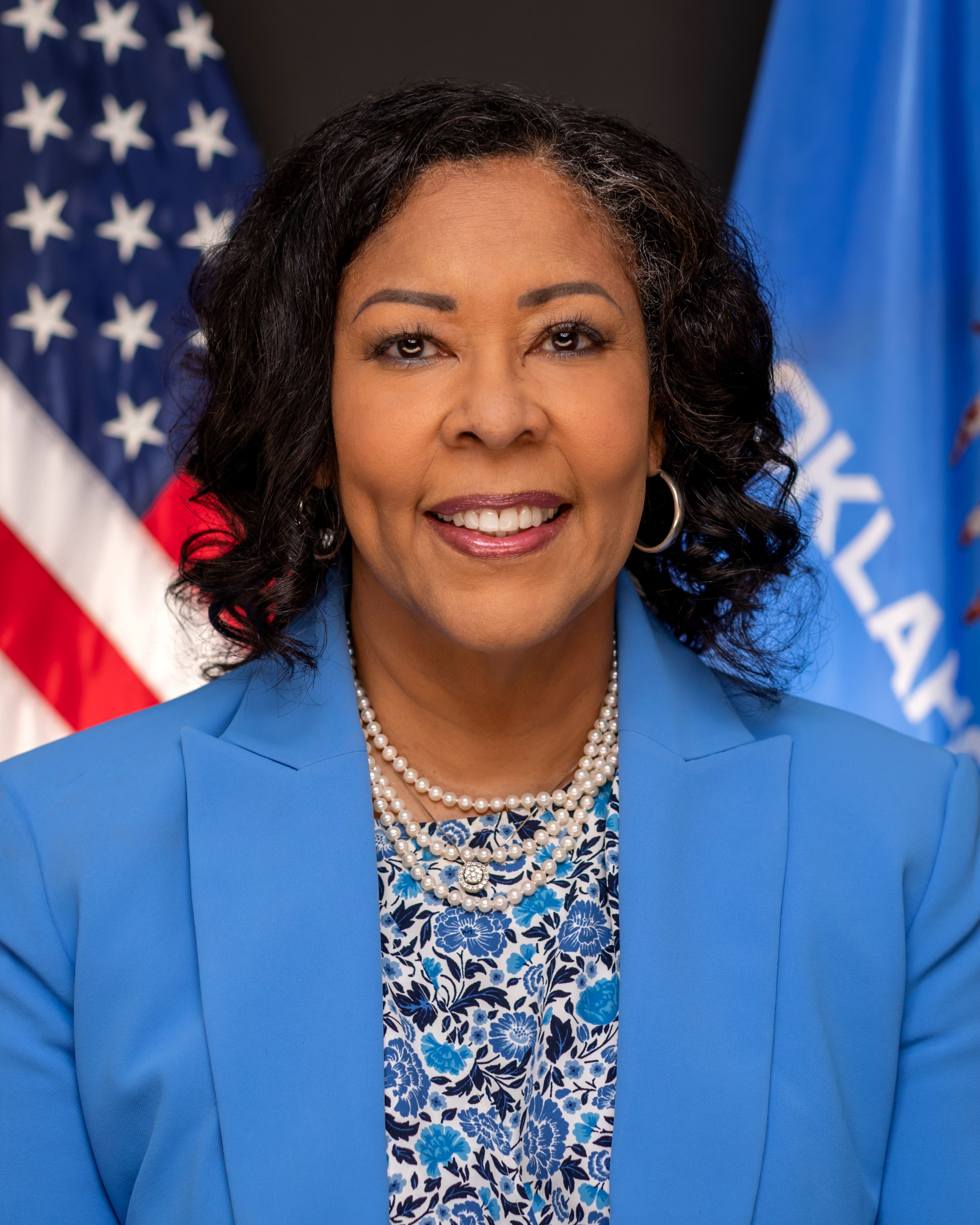
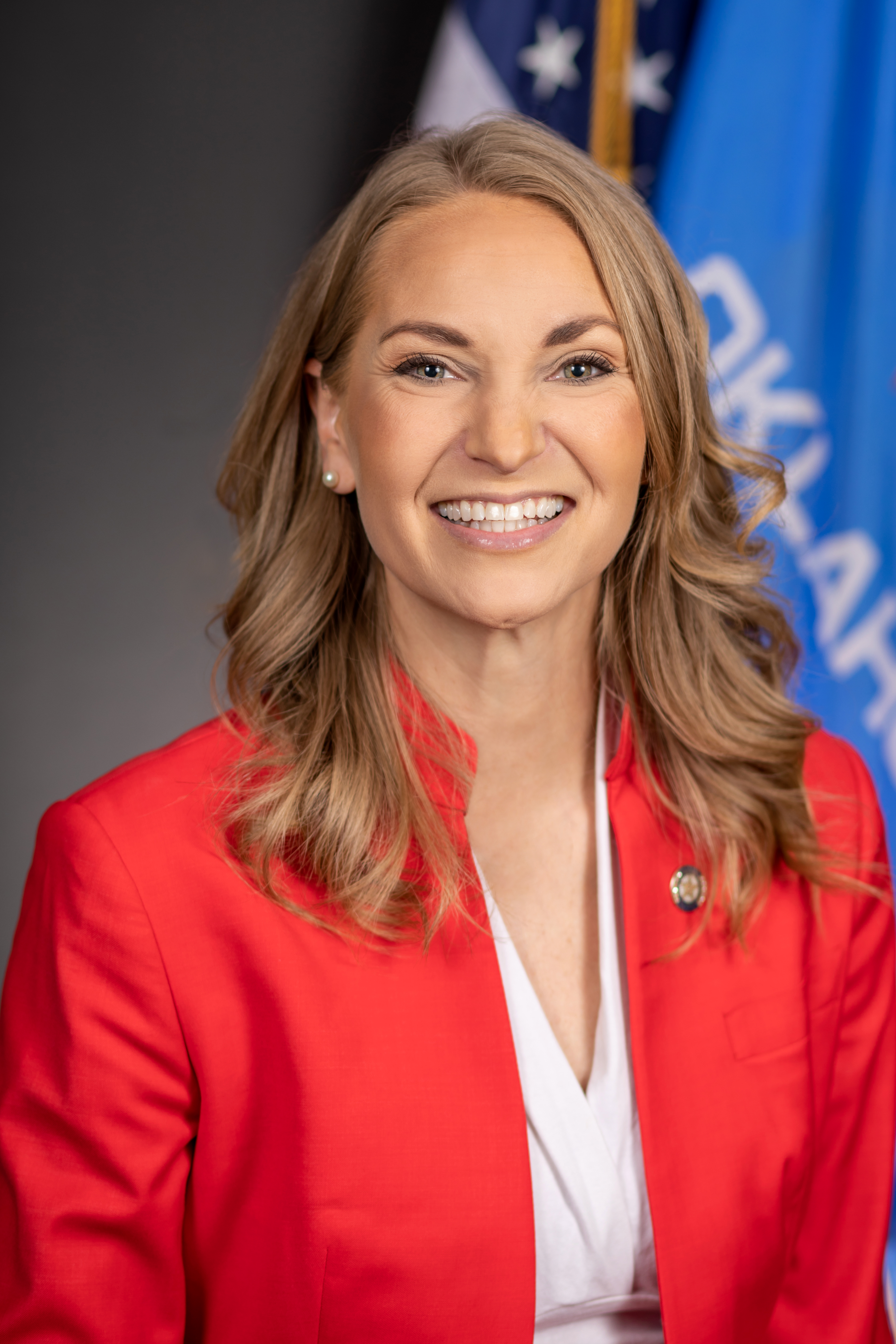
Aletia Timmons
Aletia Timmons House · District 97
D
Support
76% 91
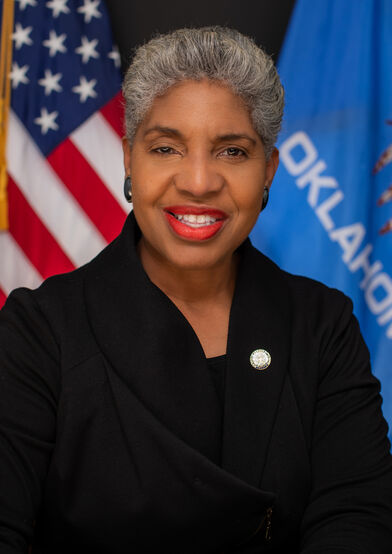
Regina Goodwin
Regina Goodwin Senate · District 11
D
Support
73% 225
Michael Brooks
Michael Brooks Senate · District 44
D
Support
72% 274
Carri Hicks
Carri Hicks Senate · District 40
D
Support
71% 184
Julia Kirt
Julia Kirt Senate · District 30
D
Support
70% 174
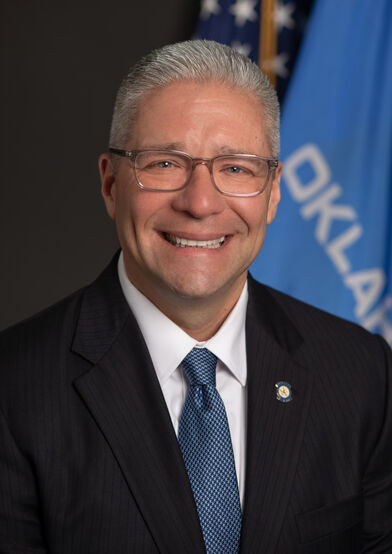
Brian Guthrie
Brian Guthrie Senate · District 25
R
Oppose
24% 158
Lisa Standridge
Lisa Standridge Senate · District 15
R
Oppose
26% 220
Jay Steagall
Jay Steagall House · District 43
R
Oppose
27% 149
Julie McIntosh
Julie McIntosh Senate · District 3
R
Oppose
28% 164
Dusty Deevers
Dusty Deevers Senate · District 32
R
Oppose
28% 156
Showing 181–190 of 448 bills

All criminal justice bills

died · Oklahoma · House Feb 4, 2026

HB 3258: Council on Law Enforcement Education and Training; modifying membership requirements of CLEET Council members; effective date.

HB 3258 modifies Oklahoma's Council on Law Enforcement Education and Training (CLEET) by reducing its membership from 13 to 7 members. It eliminates three Governor-appointed positions (including a tribal law enforcement representative and two specific county/municipal leadership roles) and reduces Senate/House appointments from two to one each. The bill does not change CLEET's core responsibilities, which include overseeing officer certification, background checks, training standards, and continuing education for law enforcement officers statewide. The revised structure maintains key representation from the Department of Public Safety, state bureaus, sheriffs, and police chiefs, while streamlining council composition.
died · Oklahoma · House Feb 4, 2026

HB 3756: Criminal procedure; modifying and deleting conditions related to bail procedures; providing for advance waivers of extradition; codification; effective date.

HB 3756 modifies Oklahoma's bail procedures for defendants charged with domestic violence, substance offenses, or repeat crimes. It requires courts to consider specific risk factors (like domestic violence history, substance dependence, or weapon access) when setting bail conditions, particularly in felony cases involving domestic abuse or stalking. The bill also creates a new provision: defendants admitted to bail must sign an advance waiver of extradition if they flee the state, automatically waiving their right to contest extradition upon apprehension in another jurisdiction. These changes apply to felony cases where bail is granted, directly affecting defendants in these specific criminal categories.
Sub-Topics Domestic Violence
in committee · Oklahoma · House Feb 3, 2026

HB 3203: Crimes and punishments; making certain acts unlawful; effective date.

HB 3203 amends Oklahoma's assault and battery laws to specifically address medical treatment without consent. It defines "aggravated assault and battery" in Section 646 when medical professionals administer treatment causing injury or distress without informed consent, fail to explain risks, or ignore a patient's refusal. Violating these medical consent provisions becomes a Class B5 felony under Section 647, carrying up to four years in prison or a $5,000 fine - stricter than standard aggravated assault penalties. The bill directly affects healthcare providers performing treatments and patients who experience unauthorized medical interventions. It clarifies "informed consent" as a process requiring clear information about treatment risks and benefits.
in committee · Oklahoma · House Feb 3, 2026

HB 3243: Crimes and punishments; adding specific places to zone of safety prohibition; effective date.

HB 3243 expands Oklahoma's "zone of safety" restrictions to include parks, fairgrounds, rodeo arenas, and racetracks, prohibiting registered sex offenders from loitering within 500 feet of these locations (or 1,000 feet near victims' residences). It directly affects individuals required to register under Oklahoma's Sex Offenders Registration Act, with violations punishable as Class D1 felonies. Key exemptions include custodial parents picking up children at schools or child care centers (with prior notification), medical treatment at certified facilities, and attending church with prior written permission from religious leaders. The bill aims to strengthen safety zones around community spaces frequented by children while maintaining existing legal restrictions.
in committee · Oklahoma · House Feb 3, 2026

HB 3283: Crimes and punishments; modifying burden of proof requirement for forfeiture proceedings; effective date.

HB 3283 modifies Oklahoma's criminal forfeiture law by raising the standard of proof required for property seizures. It requires prosecutors to prove illegal use of seized property by "clear and convincing evidence" rather than a lower standard, directly affecting property owners in forfeiture cases. Key provisions protect innocent owners and lienholders by allowing them to prove they had no knowledge of illegal use, potentially preventing forfeiture if they hold a valid claim. The bill also clarifies how proceeds from forfeited property must be distributed, prioritizing victims and law enforcement costs. It takes effect November 1, 2026.
Sub-Topics Law Enforcement
in committee · Oklahoma · House Feb 3, 2026

HB 2990: Law enforcement officers; prohibiting use of face coverings while interacting with the public; codification; effective date.

HB 2990 prohibits Oklahoma law enforcement officers from wearing face coverings that conceal their identity during public interactions while performing official duties, with specific safety exceptions (like medical masks, helmets for hazardous conditions, or SWAT operations). It requires officers to visibly display their name, agency, and badge number during public contact, except during undercover assignments. All law enforcement agencies must create and publicly post written policies detailing these identification requirements and limited undercover exceptions. The bill takes effect November 1, 2026, and directly affects all Oklahoma police and sheriff's departments.
in committee · Oklahoma · Senate Mar 5, 2026

SB 1927: Crimes and punishments; creating certain felony offense related to school buses. Effective date.

SB 1927 creates a new Class D2 felony offense for individuals who board a school bus without permission from a school district employee or refuse to exit a school bus when commanded. This law directly affects anyone who unlawfully enters or remains on a school bus, such as students, visitors, or others without authorization. The bill amends Oklahoma's criminal code to include this specific violation as a punishable felony, with penalties including potential imprisonment (up to 2 years for a first offense) under existing sentencing rules for Class D2 offenses. It becomes effective November 1, 2026.
in committee · Oklahoma · House Feb 3, 2026

HB 3427: Motor vehicles; creating Bridges' Law; defining term; creating misdemeanor for deliberate, unsafe driving; effective date.

HB 3427, known as "Bridges' Law," creates new penalties for intentional, unsafe driving in Oklahoma. It defines such driving as committing two or more moving violations likely to endanger others, or one intentional violation requiring defensive reactions from other drivers. The law establishes misdemeanor charges for basic cases, but escalates to a Class C1 felony for collisions involving contact, sideswiping, or forcing vehicles off the road. Enhanced penalties include Class B6 felonies for endangering minors or occurring in school/construction zones, and Class B4 felonies for causing great bodily injury. Convictions automatically trigger license revocation by the Department of Public Safety.
Sub-Topics Roads & Highways
in committee · Oklahoma · Senate Feb 3, 2026

SB 1664: Court recording; requiring the Supreme Court to establish certain guidelines and standards; providing allowable sources of funding for certain equipment. Effective date.

SB 1664 requires Oklahoma's Supreme Court to establish rules for court audio/video recording systems, including storage, retention, and transcription standards. It mandates that all equipment and system funding come from state appropriations or statewide contracts - not local court funds - and directs the Legislature to provide annual funding for implementation. The bill updates the Oklahoma Court Information System Revolving Fund to allow supplemental use for recording systems while prohibiting it as the sole funding source. These changes affect district courts, court clerks, and court reporters by requiring standardized technology deployment and secure record-keeping.
Sub-Topics Courts
signed · Oklahoma · House May 12, 2026

HB 4142: Crimes and punishments; unlawful use of bombs or explosive devices; modifying elements of certain crimes; effective date.

HB 4142 amends Oklahoma's criminal code to clarify and expand offenses involving explosives, incendiary devices, and simulated bombs. It adds new felony charges for threatening to use such devices (Section 1767.1, subsection 7), manufacturing/selling them with intent to harm (subsection 4), and possessing them during felonies (subsection 9). The bill also updates definitions, explicitly including "simulated bombs" (devices designed to look like explosives but are inoperable) and clarifying terms like "explosive" and "incendiary device." It excludes harmless juvenile activities involving firecrackers or "stink bombs" from these provisions. The changes take effect on November 1, 2026.
Sub-Topics Juvenile Justice
Showing 181 to 190 of 448 bills
Previous 1 18 19 20 45 Next