Issue · Criminal Justice

Criminal Justice

Every criminal justice bill, vote, and legislator stance in Oklahoma, automatically classified by Maddy, our AI policy reader.

Total bills
448
2026 Regular Session
Top supporter
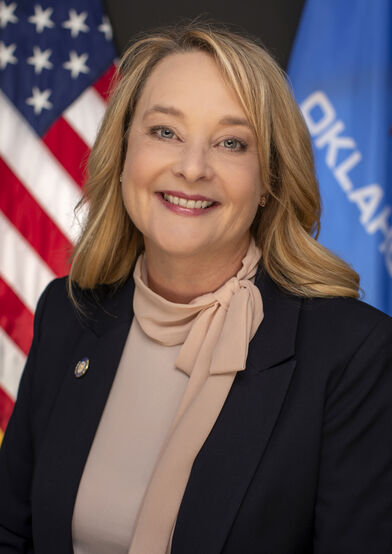
Aletia Timmons
76% support rate
Top opponent
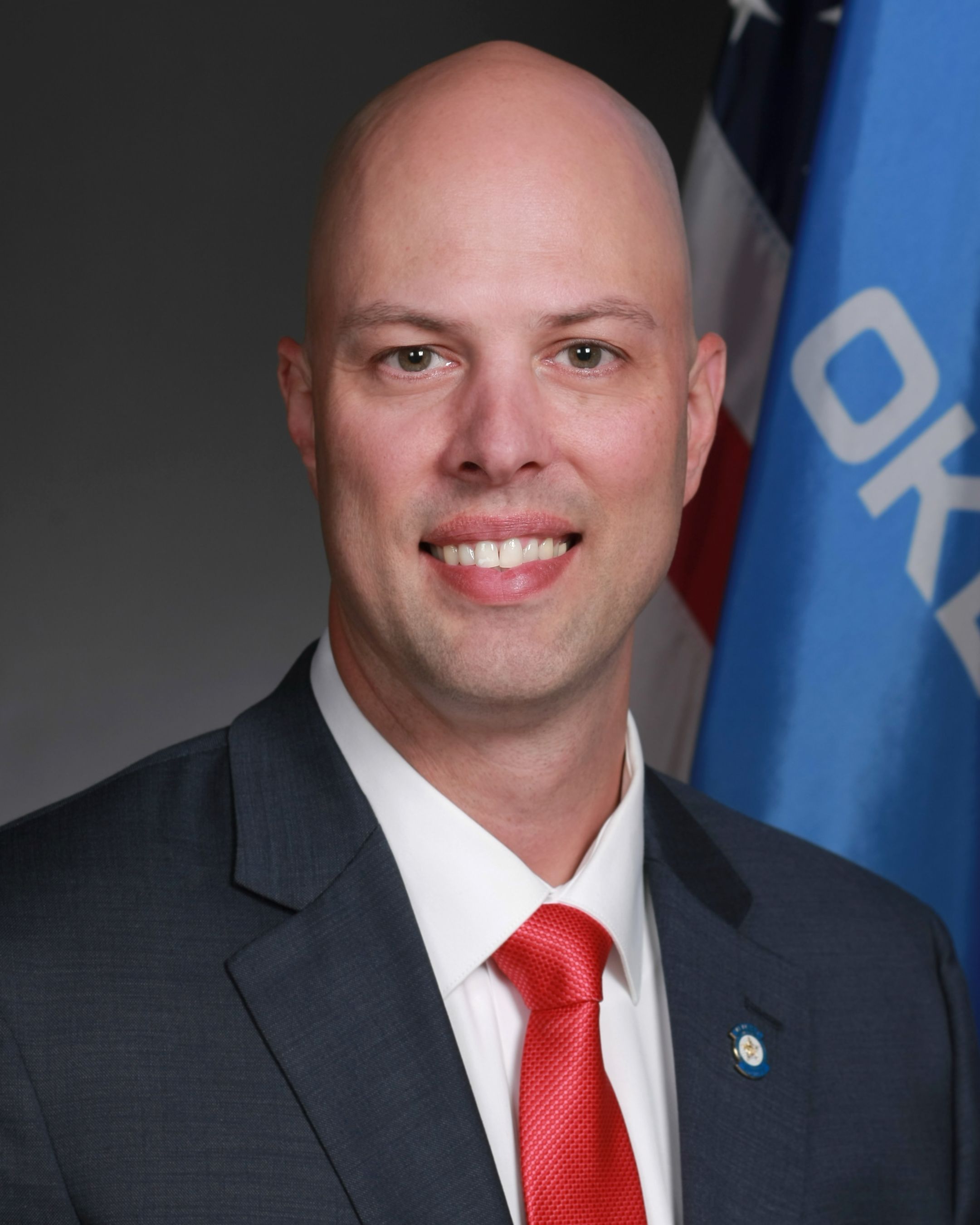
Brian Guthrie
24% support rate
Ranked legislators
10
5 support · 5 oppose
Key legislators

Who's moving criminal justice in Oklahoma

Legislators moving criminal justice in Oklahoma
Legislator Party Stance Support rate Votes
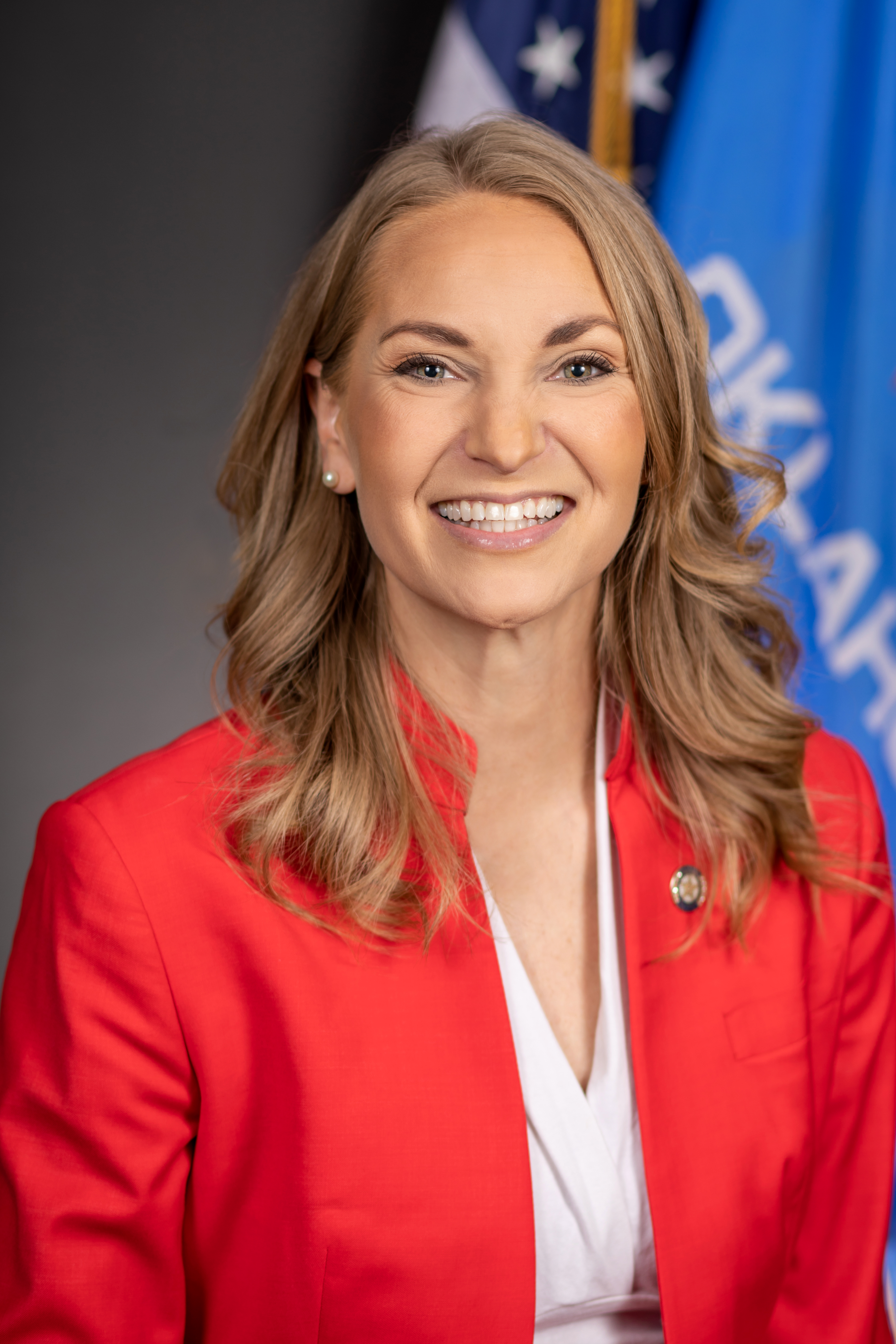
Aletia Timmons
Aletia Timmons House · District 97
D
Support
76% 91
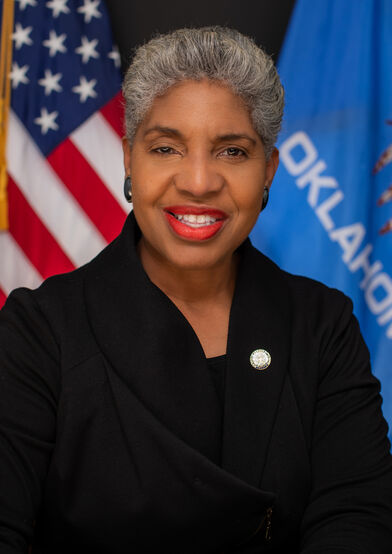
Regina Goodwin
Regina Goodwin Senate · District 11
D
Support
73% 225
Michael Brooks
Michael Brooks Senate · District 44
D
Support
72% 274
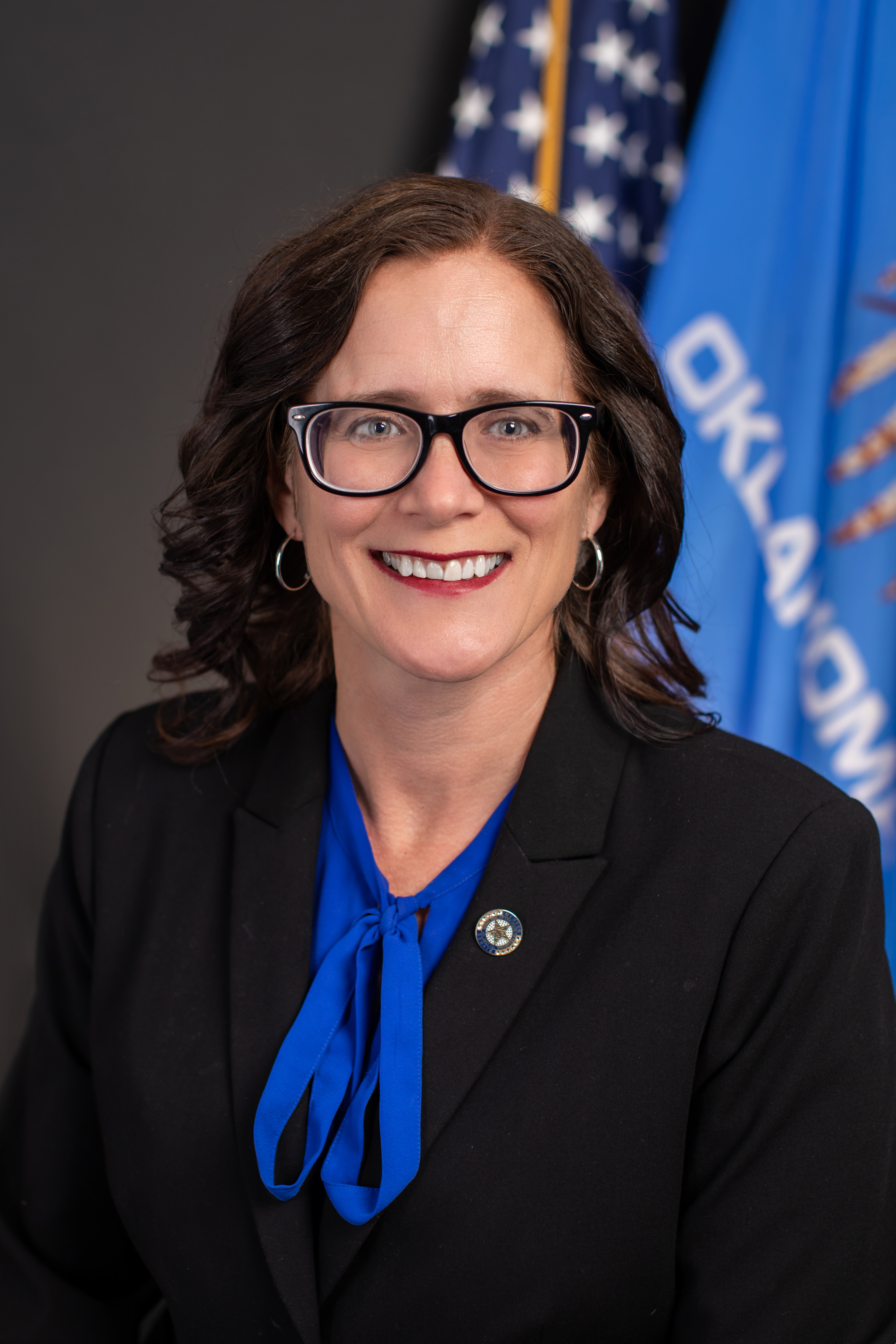
Carri Hicks
Carri Hicks Senate · District 40
D
Support
71% 184
Julia Kirt
Julia Kirt Senate · District 30
D
Support
70% 174
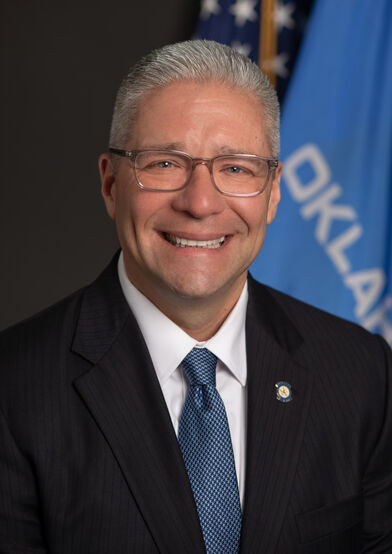
Brian Guthrie
Brian Guthrie Senate · District 25
R
Oppose
24% 158
Lisa Standridge
Lisa Standridge Senate · District 15
R
Oppose
26% 220
Jay Steagall
Jay Steagall House · District 43
R
Oppose
27% 149
Julie McIntosh
Julie McIntosh Senate · District 3
R
Oppose
28% 164
Dusty Deevers
Dusty Deevers Senate · District 32
R
Oppose
28% 156
Showing 151–160 of 448 bills

All criminal justice bills

in committee · Oklahoma · House Feb 18, 2026

HB 3848: Sex offenders; creating the Transient Sex Offender Elimination Act of 2026; providing guidelines and restrictions for establishing program houses; codification; effective date.

HB 3848, the "Transient Sex Offender Elimination Act of 2026," establishes new rules for housing and rehabilitation programs for registered sex offenders in Oklahoma. It requires program houses (residential facilities for multiple offenders) to be at least 3,000 feet from protected zones and single-family homes to be at least 1,000 feet away, while mandating incarcerated sex offenders complete victim impact and life skills programs before release. Offenders must receive a reentry portfolio with housing/employment plans and approved rehabilitation curriculum upon release, and the law applies retroactively to all current offenders. The act takes effect November 1, 2026, and requires annual reports on program outcomes to the Legislature.
Sub-Topics Probation & Parole
passed · Oklahoma · Senate Apr 23, 2026

SB 1460: Crimes and punishments; modifying offenses in certain classes of felonies; creating felony offenses for second or subsequent offenses; adding offenses for which registration pursuant to the Sex Offenders Registration Act applies. Effective date.

SB 1460 expands Oklahoma's felony classification system by adding 35 specific offenses to Class B5 felonies, including repeat domestic violence convictions (like second assaults on intimate partners), stalking, and second or subsequent "peeping tom" offenses (using hidden cameras to capture private areas without consent). It also creates new felony penalties for gang-related activities, assaults on police officers or police animals, and certain animal cruelty crimes like dogfighting. The bill updates sex offender registration requirements to include these newly classified offenses. These changes apply to individuals convicted of these specific acts, effective January 1, 2026.
signed · Oklahoma · House May 11, 2026

HB 3040: Crimes and punishments; expanding zone of safety to include certain places; effective date.

HB 3040 expands Oklahoma's "zone of safety" protections to include the residences of sex crime victims and additional locations primarily serving minors, such as skating rinks, arcades, and water parks. It prohibits registered sex offenders from loitering within 500 feet of schools, child care centers, parks, or minor-focused venues, or within 1,000 feet of a victim's residence, with violations classified as Class D1 felonies. The bill includes exceptions for custodial parents during school activities (with advance notification to administrators) and for medical treatment or church attendance (with prior notification to facility leaders). These changes aim to strengthen safety measures around vulnerable locations while specifying clear boundaries and limited exemptions under Oklahoma law.
in committee · Oklahoma · House Feb 18, 2026

HB 3763: Law enforcement; providing for additional mandatory continuing education on certain issues; effective date.

HB 3763 requires all active, CLEET-certified law enforcement officers in Oklahoma to complete additional mandatory training annually. Full-time officers must complete 25 hours yearly, including 2 hours on mental health and 2 hours on domestic violence/intimate partner violence protocols. Reserve officers must complete 8 hours yearly, including 1 hour on each topic. The bill also mandates training on sexual assault response protocols (already required since 2019) and specifies certification suspension for non-compliance after written notice. It becomes effective November 1, 2026.
in committee · Oklahoma · House Feb 3, 2026

HB 3836: Asset forfeiture; creating the Asset Forfeiture Due Process and Property Rights Restoration Act; defining terms; repealers; codification; effective date.

HB 3836 creates the "Asset Forfeiture Due Process and Property Rights Restoration Act" to reform Oklahoma's asset forfeiture process. It requires the state to prove property forfeiture with "clear and convincing evidence" (not just preponderance of evidence), mandates property return within 15 days if charges are dismissed or not filed within 60 days, and imposes penalties on agencies that violate these timelines (including $250/day fines and attorney fees). The bill directly affects property owners whose assets are seized and law enforcement agencies handling forfeitures, while directing all forfeiture proceeds to the state General Revenue Fund. Key provisions include protecting innocent owners, prohibiting transfers of retained property to federal agencies, and adding criminal penalties for agency misconduct.
Sub-Topics Law Enforcement
in committee · Oklahoma · Senate Feb 10, 2026

SB 1925: Protection from Domestic Abuse Act; modifying penalties for protective order violations. Effective date.

SB 1925 amends Oklahoma's penalties for violating protective orders in domestic abuse cases. It increases fines and jail terms for repeat violations and for violations causing physical injury, with mandatory 52-week domestic abuse treatment programs for offenders. First-time violations without injury carry up to 1 year in jail or $1,000 fines, while second-time violations become Class D1 felonies with 1-3 years in prison. Violations causing injury now trigger misdemeanor Class D1 felony charges with 20 days to 3 years in prison, plus mandatory counseling. The bill directly affects individuals convicted of breaching domestic abuse protective orders.
in committee · Oklahoma · Senate Feb 3, 2026

SB 2035: Torts; prohibiting the assertion of qualified immunity as a defense to liability. Effective date.

SB 2035 removes qualified immunity as a legal defense for peace officers (state or local law enforcement) who violate constitutional rights under the Bill of Rights or Oklahoma Constitution. It directly affects injured parties filing lawsuits and peace officers facing liability claims. Key provisions require officers to be personally liable for such violations, prohibit statutory immunities from applying, mandate attorney fee awards to winning plaintiffs, and require employers to cover most costs - except when officers acted in bad faith or were convicted of crimes. The bill takes effect November 1, 2026.
Sub-Topics Law Enforcement
in committee · Oklahoma · House Feb 3, 2026

HB 3356: Pardon and Parole Board; updating language; effective date.

HB 3356 updates Oklahoma's Pardon and Parole Board procedures for inmate release. It requires the Board to consider victim impact statements from sentencing and mandate that inmates pay monetary restitution for economic losses to victims before parole is granted. The bill also adds new conditions: inmates must secure suitable employment or housing, complete education programs (to a set proficiency level or earn a diploma), and may need to finish programs after release. Parole officers must help inmates find jobs or education, and failing to complete required programs can lead to parole revocation. The law takes effect November 1, 2026.
in committee · Oklahoma · Senate Feb 3, 2026

SB 2100: Crimes and punishment; modifying elements of certain offense; specifying punishments for certain offenses. Effective date.

SB 2100 modifies Oklahoma's false reporting laws to increase penalties for malicious false reports about crimes or missing children. It makes falsely reporting a felony a felony offense (instead of a misdemeanor), and creates a new Class D3 felony for falsely triggering an AMBER alert, punishable by up to 1 year in prison or a $1,000 minimum fine. The bill directly affects individuals who make false reports to law enforcement, aiming to deter misuse of emergency systems while preserving protections for genuine reports. It takes effect November 1, 2026.
in committee · Oklahoma · Senate Feb 4, 2026

SB 1609: Oklahoma Evidence Code; providing for admissibility of certain statements. Effective date.

SB 1609 allows victim statements about specific violent incidents - poisoning, shooting, or assault with intent to kill - to be used as evidence in court. These statements, made within one week to law enforcement or in protective order applications, become admissible in criminal and juvenile cases, including hearings on probation or protective orders. The bill directly affects victims of these crimes and law enforcement by streamlining how their accounts can be presented in court. It removes typical barriers requiring separate proof of reliability for such statements, making them automatically admissible under the specified conditions.
Showing 151 to 160 of 448 bills
Previous 1 15 16 17 45 Next