Issue · Healthcare

Healthcare

Every healthcare bill, vote, and legislator stance in Maryland, automatically classified by Maddy, our AI policy reader.

Total bills
376
2026 Regular Session
Top supporter
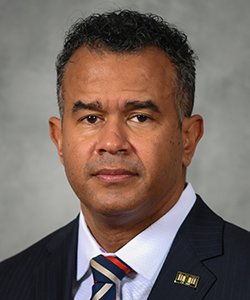
Alonzo Washington
100% support rate
Top opponent
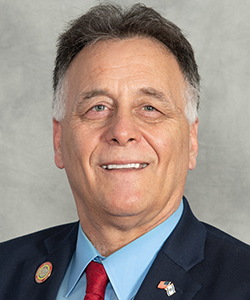
Jason Gallion
0% support rate
Ranked legislators
10
5 support · 5 oppose
Key legislators

Who's moving healthcare in Maryland

Legislators moving healthcare in Maryland
Legislator Party Stance Support rate Votes
Alonzo Washington
Alonzo Washington Senate · District 22
D
Strong +
100% 68
Brian Feldman
Brian Feldman Senate · District 15
D
Strong +
100% 70
C.T. Wilson
C.T. Wilson House · District 28
D
Strong +
100% 98
Kevin Harris
Kevin Harris Senate · District 27
D
Strong +
100% 70
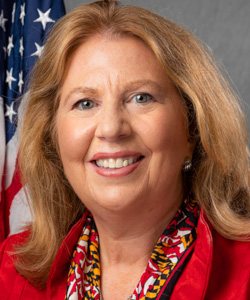
Pam Beidle
Pam Beidle Senate · District 32
D
Strong +
100% 71
Jason Gallion
Jason Gallion Senate · District 35
R
Strong −
0% 71
Jack Bailey
Jack Bailey Senate · District 29
R
Strong −
0% 69
Johnny Salling
Johnny Salling Senate · District 6
R
Strong −
4% 71
J.B. Jennings
J.B. Jennings Senate · District 7
R
Strong −
4% 71
Mary Beth Carozza
Mary Beth Carozza Senate · District 38
R
Strong −
5% 70
Showing 221–230 of 376 bills

All healthcare bills

in committee · Maryland · Senate Feb 12, 2026

SB 798: Public Health - Maryland Medical Assistance Program - Tobacco Cessation

SB 798 requires Maryland’s Medical Assistance Program (Medicaid) to cover individual and group counseling for tobacco cessation, starting October 1, 2026, subject to state budget and federal law. It directly affects Medicaid enrollees seeking to quit tobacco use by eliminating prior authorization requirements for cessation counseling and related products. The bill amends program rules to mandate this coverage under Section 15-103(a)(2)(xxix) and prohibits managed care organizations from blocking access to these services via prior approval. This policy change aims to remove administrative barriers to evidence-based tobacco cessation support for low-income Maryland residents.
Sub-Topics Medicaid Public Health
in committee · Maryland · Senate Feb 12, 2026

SB 738: Maryland Medical Assistance Program and Health Insurance - Required Coverage - Mobile Crisis and Crisis Stabilization

SB 738 requires Maryland's Medicaid program (Medical Assistance Program) and certain health insurance plans to cover mobile crisis and crisis stabilization services starting January 1, 2027. These services provide immediate in-person mental health crisis assessment, de-escalation, and stabilization for individuals experiencing acute mental health emergencies. The law applies to Medicaid recipients and individuals covered under specified health insurance policies, including nonprofit health plans, HMOs, and managed care organizations. It mandates coverage without additional patient cost-sharing for these services, effective for all new or renewed health plans on or after the start date.
in committee · Maryland · House of Delegates Feb 13, 2026

HB 1469: Health Insurance - Workgroup to Study the Definition of Specialty Drug

HB 1469 requires Maryland’s Insurance Administration to create a workgroup to study the current definition of "specialty drug" in health insurance. The workgroup, including pharmacy benefits managers, pharmacists, insurers, hospitals, and healthcare providers, will examine how the definition impacts patients and stakeholders, compare it to federal and state standards, and recommend a revised definition. It must submit findings and recommendations to the Governor and legislature by January 1, 2027, after which the bill expires on June 30, 2027. This bill directly affects health insurers, pharmacies, hospitals, and patients using high-cost specialty drugs, aiming to clarify definitions that influence coverage and costs.
in committee · Maryland · Senate Feb 9, 2026

SB 602: Algorithmic Addiction Fund - Establishment

SB 602 establishes the Algorithmic Addiction Fund in Maryland to use settlement funds from cases where social media algorithms harmed children. The fund, administered by the Maryland Department of Health, is financed by civil penalties from settlements related to social media harm and earns interest. It directly supports children by funding prevention programs (like school digital literacy campaigns), treatment services for mental health impacts (such as depression and anxiety), research, and evidence-based interventions. The fund is non-lapsing, meaning unused money rolls over annually, and all spending must align with the state budget.
in committee · Maryland · House of Delegates Mar 19, 2026

HB 1472: Better Small Business Employee Benefit Act of 2026

HB 1472, the Better Small Business Employee Benefit Act of 2026, exempts professional employer organizations (PEOs) from certain health benefit plan requirements when providing coverage to small employers in Maryland. The bill requires PEOs to provide written disclosure of specific plan details to small businesses before offering health benefits. This change modifies Maryland’s insurance laws to remove the requirement for PEOs to offer plans through the state’s health benefit exchange, while ensuring transparency for small employers. The bill directly affects small businesses that use PEOs for employee health benefits and the PEOs themselves.
in committee · Maryland · House of Delegates Feb 13, 2026

HB 1414: Nursing Homes - Direct Care Wages and Benefits and Cost Reports

HB 1414 requires Maryland nursing homes to spend at least 75% of their nursing and residential care revenue on direct care staff wages and benefits, including nurses, dietary workers, and therapists. It also mandates that nursing homes submit detailed annual cost reports by September 1 (starting in 2027) to the Maryland Department of Health, including proof of wage payments and other required data. Failure to comply could lead to enforcement actions such as corrective plans or suspension from the Maryland Medicaid program. The bill directly affects all nursing homes operating in Maryland and takes effect October 1, 2026.
signed · Maryland · House of Delegates Apr 28, 2026

HB 1563: Emergency Room Services and Post-Acute Care - Coverage and Facility Studies

This bill prohibits insurers, nonprofit health plans, and health maintenance organizations from denying emergency room coverage solely because a patient did not experience a diagnosed emergency medical condition. It requires two key studies: one to quantify hospital and post-acute care bed capacity across Maryland, and another to identify ways to improve transitions from emergency to post-acute care settings. These provisions directly affect patients receiving emergency care and healthcare providers treating them, ensuring coverage isn't denied based on diagnosis alone. The studies aim to inform data-driven recommendations for future policy improvements in emergency and post-acute care access.
in committee · Maryland · House of Delegates Feb 17, 2026

HB 1331: Maryland Department of Health and Department of Human Services - Public Benefits - Eligibility and Prohibitions

HB 1331 requires Maryland’s Department of Health and Department of Human Services to verify eligibility for public benefits (like Medicaid) through automated data-sharing with federal and state agencies, replacing self-attestation. It mandates monthly reviews of death records, incarceration, and address changes, and quarterly checks of tax filings, employment, and income data to ensure ongoing eligibility. The bill prohibits providing benefits to non-citizens, requires annual inspections of retail facilities for certain programs, and establishes new work requirement compliance reviews. These changes directly affect individuals applying for or receiving public assistance by shifting verification from self-reported information to cross-checked data.
Sub-Topics Medicaid
passed · Maryland · House of Delegates Mar 23, 2026

HB 837: Education - Student Athletic Activities - Cardiovascular Prescreening

HB 837 requires all Maryland public and nonpublic schools with athletic programs to include a cardiovascular prescreening as part of the standard physical examination for students participating in interscholastic sports, starting in the 2026-2027 school year. This prescreening - based on family history, personal symptoms, and evidence-based guidelines - must be conducted no earlier than 90 days before the school year begins. If a positive finding occurs, healthcare providers must refer students to a cardiologist for further evaluation. Schools must report annual data on screenings and referrals to county health departments, with the Maryland Department of Health publishing public reports analyzing outcomes. The bill directly affects student athletes, schools, and healthcare providers conducting sports physicals.
signed · Maryland · Senate Apr 14, 2026

SB 493: Nursing Facilities - Involuntary Discharge or Transfer

SB 493 prohibits nursing facilities in Maryland from involuntarily discharging or transferring residents except for specific reasons like the resident's welfare, health improvement, or facility closure. It requires facilities to provide residents with a clear written notice at least 10 days before any involuntary discharge or transfer, detailing the reason, new location, and contact information for hearings and legal assistance. The bill also bans sending residents to temporary housing (like hotels) without confirmation from the receiving facility and prevents facilities from discharging Medicaid-eligible residents solely because they qualify for Medicaid. These changes aim to protect vulnerable residents by ensuring proper notice, preventing unfair treatment, and requiring confirmation before transfers.
Showing 221 to 230 of 376 bills
Previous 1 22 23 24 38 Next