Issue · Healthcare

Healthcare

Every healthcare bill, vote, and legislator stance in Maryland, automatically classified by Maddy, our AI policy reader.

Total bills
376
2026 Regular Session
Top supporter
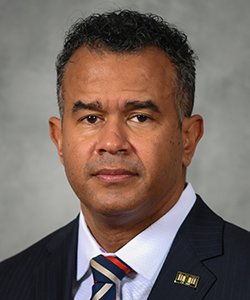
Alonzo Washington
100% support rate
Top opponent
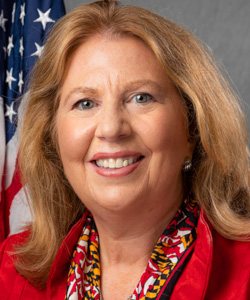
Jason Gallion
0% support rate
Ranked legislators
10
5 support · 5 oppose
Key legislators

Who's moving healthcare in Maryland

Legislators moving healthcare in Maryland
Legislator Party Stance Support rate Votes
Alonzo Washington
Alonzo Washington Senate · District 22
D
Strong +
100% 68
Brian Feldman
Brian Feldman Senate · District 15
D
Strong +
100% 70
C.T. Wilson
C.T. Wilson House · District 28
D
Strong +
100% 98
Kevin Harris
Kevin Harris Senate · District 27
D
Strong +
100% 70
Pam Beidle
Pam Beidle Senate · District 32
D
Strong +
100% 71
Jason Gallion
Jason Gallion Senate · District 35
R
Strong −
0% 71
Jack Bailey
Jack Bailey Senate · District 29
R
Strong −
0% 69
Johnny Salling
Johnny Salling Senate · District 6
R
Strong −
4% 71
J.B. Jennings
J.B. Jennings Senate · District 7
R
Strong −
4% 71
Mary Beth Carozza
Mary Beth Carozza Senate · District 38
R
Strong −
5% 70
Showing 231–240 of 376 bills

All healthcare bills

signed · Maryland · House of Delegates Apr 28, 2026

HB 1109: Public Health Reform Act

HB 1109 creates the Maryland Medical Reserve Corps, a statewide volunteer network for emergencies like disease outbreaks or disasters, managed by the Maryland Department of Health. It requires the Department to notify county health officers about procurement opportunities for electronic health records systems, allowing counties to join without state approval if fully funded locally. The bill establishes a Public Health Workforce Development Fund (using interest earnings and transfers from another fund) and mandates the Department of Legislative Services to assess health equity impacts of new legislation. These changes directly affect county health departments, the Department of Health, and public health workforce planning.
Sub-Topics Public Health
in committee · Maryland · House of Delegates Mar 13, 2026

HB 1107: Maryland Medical Assistance Program and Health Insurance - Required Coverage for Aesthetic Services and Restorative Care for Victims of Domestic Violence (Healing Our Scars Act)

HB 1107 (Healing Our Scars Act) requires Maryland Medicaid and specific health insurers (including nonprofit health plans, HMOs, and managed care organizations) to cover aesthetic services and restorative care for scars resulting from domestic violence injuries, starting January 1, 2027. This applies only to services deemed medically necessary by a licensed physician to treat physical injuries caused by domestic violence, as defined under Maryland Family Law. The law mandates this coverage for all policies issued or renewed in Maryland on or after the effective date. It does not expand eligibility for Medicaid but adds a specific coverage requirement for victims of domestic violence.
Sub-Topics Insurance Medicaid
in committee · Maryland · House of Delegates Mar 18, 2026

HB 1558: State Board of Physicians - Anesthesiologist Assistants - Licensing

HB 1558 establishes a new licensing and regulatory system for anesthesiologist assistants (AAs) in Maryland under the State Board of Physicians. The bill requires AAs to hold a license, graduate from an accredited program, pass certification exams, and work under direct physician supervision as defined by written agreements. Key provisions include setting qualifications for licensure, supervision standards (requiring physician physical proximity during critical procedures), continuing education requirements, and fee structures to cover regulatory costs. This bill directly affects AAs seeking to practice in Maryland and creates the framework for the Board to enforce these rules.
Sub-Topics Medical Licensing
in committee · Maryland · House of Delegates Mar 11, 2026

HB 1323: Health Care Decisions Act - Surrogate Decision Making - Hospital Surrogate Committee

HB 1323 requires hospitals in Maryland to establish a "surrogate committee" to make treatment decisions for patients who cannot make their own health care choices and have no available legal surrogate or advance directive. The committee must include a physician (not treating the patient), a nurse, a social worker or clergy member, a patient advisory committee member, an independent patient advocate, and community members with lived experience. Committees must complete mandatory training on bioethics, confidentiality, and implicit bias, and hospitals must report annual usage data to state health officials. This law directly affects unrepresented hospitalized patients who lack decision-making capacity and clear treatment preferences.
died · Maryland · House of Delegates Mar 16, 2026

HB 1450: Health Insurance - Coordination of Benefits - Carrier Responsibilities and Retroactive Denials of Reimbursement

HB 1450 requires health insurance carriers in Maryland to coordinate payments when multiple insurers cover a single claim. Specifically, carriers must identify primary and secondary payors, calculate each payor’s share, and ensure combined payments do not exceed 100% of the claim amount. The bill also limits how long carriers can retroactively deny reimbursement: up to 9 months for other insurers, 18 months for Medicaid or Medicare, and 6 months in other cases, with written explanations required for denials. This directly affects health insurance companies and health care providers who receive payments, aiming to streamline billing and prevent overpayment disputes.
in committee · Maryland · House of Delegates Feb 16, 2026

HB 1131: Public Health - Pregnancy Loss - Prohibited Actions (Pregnancy Outcome Protection Act)

HB 1131 (Pregnancy Outcome Protection Act) prohibits law enforcement and agencies from investigating, prosecuting, or imposing civil liability on individuals who experienced pregnancy loss (including miscarriage, stillbirth, or self-managed abortion), except when independent evidence of unrelated criminal conduct exists or the individual consents. It protects healthcare providers from liability for supporting patients during or after pregnancy loss and restricts disclosure of medical records related to pregnancy loss without evidence of abuse, unrelated criminal conduct, or patient consent. The bill creates a private right to sue for violations and establishes misdemeanor penalties for knowingly violating its provisions. These changes apply to all Maryland residents and healthcare providers within the state’s health system.
in committee · Maryland · House of Delegates Feb 9, 2026

HB 944: Maryland Health Care Commission - Certificates of Need and Material Change Transactions

HB 944 modifies Maryland's health care oversight rules by ending an exemption that previously allowed certain hospital mergers to bypass certificate of need requirements. It requires health care entities (like hospitals and ambulatory surgical facilities) to notify both the Maryland Health Care Commission and the public before making major ownership changes. The bill establishes a public interest review process to evaluate these transactions, using specific criteria to determine if they align with community needs. The Executive Director of the Commission must decide on such transactions within a set timeframe, ensuring faster oversight of significant health care market shifts. This directly affects hospitals and health care providers planning major ownership changes in Maryland.
Sub-Topics Hospitals
died · Maryland · House of Delegates Feb 23, 2026

HB 795: Health Insurance - Artificial Intelligence - Grievance Process and Reporting (AI Health Insurance Accountability Act of 2026)

HB 795 requires Maryland health insurance companies to provide human review for any coverage denial made using artificial intelligence, algorithms, or software tools. Insurers must also report quarterly aggregated data on these AI-related denials, including claim types, member demographics (race, gender, profession), and policy details (individual, group, or exchange plans). These reports must be submitted to the state insurance commissioner and include the total number of AI-related grievances reviewed. The bill directly affects health insurers operating in Maryland and impacts members who face AI-driven coverage decisions.
in committee · Maryland · House of Delegates Feb 11, 2026

HB 1145: Juvenile Records - Access by Baltimore City Mayor's Office

HB 1145 allows Baltimore City's Mayor's Office of Neighborhood Safety and Engagement, Mayor's Office of Children and Family Success, and Mayor's Office of African American Male Engagement to access and use juvenile records when providing services to a child and developing a treatment plan. The bill clarifies that existing confidentiality rules for juvenile records do not block these specific city offices from accessing records under these circumstances. It also makes these offices liable for unauthorized release of any accessed records. This change affects how these three city offices handle juvenile records for service delivery and treatment planning.
in committee · Maryland · House of Delegates Mar 18, 2026

HB 1527: Complementary and Alternative Health Care - Practice Authorized (Complementary and Alternative Health Care Practice Act)

HB 1527 authorizes complementary and alternative health care practitioners (such as acupuncturists, chiropractors, and massage therapists) to practice without state licenses, certifications, or authorizations. It removes existing licensing requirements for these fields by repealing related sections of Maryland law and establishing new regulations under a dedicated Title 22 for "Complementary and Alternative Health Care Practitioners." Practitioners must now comply with specific requirements and limitations outlined in the new Title 22 provisions instead of traditional licensing rules. This directly affects current and future practitioners in these health care specialties who would no longer need formal licenses to operate.
Sub-Topics Medical Licensing
Showing 231 to 240 of 376 bills
Previous 1 23 24 25 38 Next