

Issue · Healthcare
Healthcare
Every healthcare bill, vote, and legislator stance in Maryland, automatically classified by Maddy, our AI policy reader.
Total bills
376
2026 Regular Session
Top supporter
Alonzo Washington
100% support rate
Top opponent
Jason Gallion
0% support rate
Ranked legislators
10
5 support · 5 oppose
Key legislators
Who's moving healthcare in Maryland
| Legislator | Party | Stance | Support rate | Votes |
|---|---|---|---|---|

Alonzo Washington
Senate · District 22
|
D |
Strong +
|
100% | 68 |

Brian Feldman
Senate · District 15
|
D |
Strong +
|
100% | 70 |
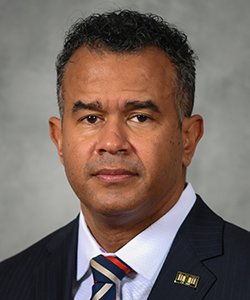
C.T. Wilson
House · District 28
|
D |
Strong +
|
100% | 98 |
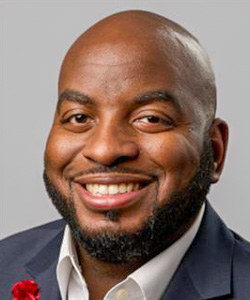
Kevin Harris
Senate · District 27
|
D |
Strong +
|
100% | 70 |

Pam Beidle
Senate · District 32
|
D |
Strong +
|
100% | 71 |

Jason Gallion
Senate · District 35
|
R |
Strong −
|
0% | 71 |
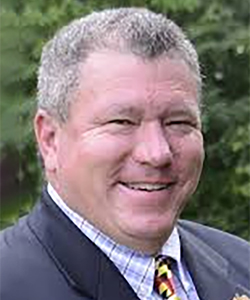
Jack Bailey
Senate · District 29
|
R |
Strong −
|
0% | 69 |
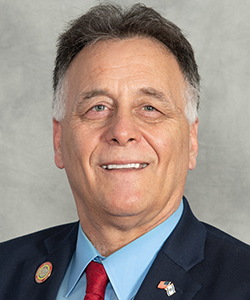
Johnny Salling
Senate · District 6
|
R |
Strong −
|
4% | 71 |
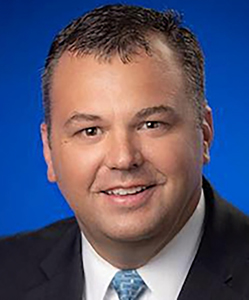
J.B. Jennings
Senate · District 7
|
R |
Strong −
|
4% | 71 |
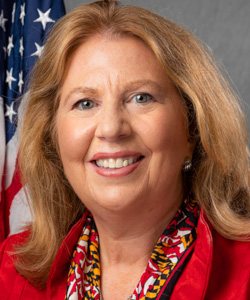
Mary Beth Carozza
Senate · District 38
|
R |
Strong −
|
5% | 70 |
Showing 371–376 of 376
bills
All healthcare bills
HB 279: Correctional Services - Medication Review Committee - Administration of Psychotropic Medication to an Incarcerated Individual
Topics
✓ Criminal JusticeSupports Criminal JusticeEstablishes committee oversight for involuntary psychotropic medication in prisons, protecting inmate rights and ensuring medical review before administration.
✓ HealthcareSupports HealthcareEstablishes committee to review involuntary psychotropic medication use, ensuring patient rights and proper medical evaluation in correctional mental health care.
SB 439: Employment Discrimination - Fire and Rescue Public Safety Employees - Use of Medical Cannabis
Topics
✓ HealthcareSupports HealthcareProtects medical cannabis users' employment rights, advancing healthcare access for public safety workers under state medical cannabis certification.
✓ Labor & EmploymentSupports Labor & EmploymentProhibits employment discrimination against public safety workers using medical cannabis, directly protecting workers' rights under Labor & Employment policies.
HB 494: Health Insurance - Primary Care Investment Targets - Reimbursement and Reporting
SB 340: Office of the Long-Term Care Ombudsman - Mandatory Appropriation
Topics
✓ Budget & TaxesSupports Budget & TaxesMandates 3% of nursing facility Medicaid assessments fund Ombudsman office, ensuring dedicated budget allocation for oversight service without reducing existing funding.
✓ HealthcareSupports HealthcareBill mandates 3% of nursing facility Medicaid funds for Ombudsman office, directly protecting patient rights and quality oversight in long-term care facilities.
SB 449: Workers' Compensation - Heart Disease and Hypertension Presumption and Permanent Partial Disability - Carroll County Correctional Deputies
Topics
✓ HealthcareSupports HealthcareExtends workers' compensation coverage for work-related heart disease/hypertension, expanding health benefits for correctional deputies without requiring proof of causation.
✓ Labor & EmploymentSupports Labor & EmploymentBill expands workers' compensation benefits by presuming heart disease/hypertension in deputies is work-related, strengthening coverage for specific workplace health conditions.
Sub-Topics
Workers' Compensation