Issue · Criminal Justice

Criminal Justice

Every criminal justice bill, vote, and legislator stance in Maryland, automatically classified by Maddy, our AI policy reader.

Total bills
288
2026 Regular Session
Top supporter
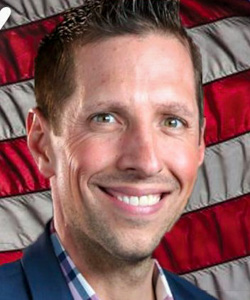
Stuart Schmidt
91% support rate
Top opponent
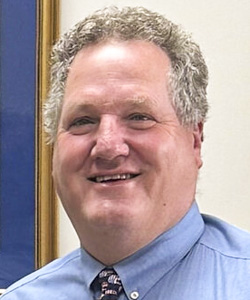
Jim Hinebaugh
41% support rate
Ranked legislators
10
5 support · 5 oppose
Key legislators

Who's moving criminal justice in Maryland

Legislators moving criminal justice in Maryland
Legislator Party Stance Support rate Votes
Stuart Schmidt
Stuart Schmidt House · District 33B
R
Strong +
91% 182
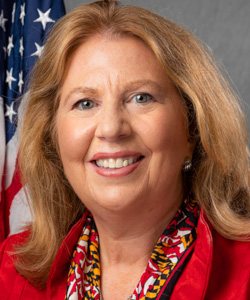
Katie Hester
Katie Hester Senate · District 9
D
Strong +
80% 86
Brian Crosby
Brian Crosby House · District 29B
D
Support
72% 101
Mary-Dulany James
Mary-Dulany James Senate · District 34
D
Support
71% 88
Matthew Schindler
Matthew Schindler House · District 2B
D
Support
67% 191
Jim Hinebaugh
Jim Hinebaugh House · District 1A
R
Mixed −
41% 162
Dalya Attar
Dalya Attar Senate · District 41
D
Mixed −
42% 77
Kevin Anderson
Kevin Anderson House · District 38A
R
Mixed −
42% 119
Steve Hershey
Steve Hershey Senate · District 36
R
Mixed −
43% 108
Mary Beth Carozza
Mary Beth Carozza Senate · District 38
R
Mixed −
43% 110
Showing 91–100 of 288 bills

All criminal justice bills

in committee · Maryland · House of Delegates Feb 5, 2026

HB 885: Criminal Law - Causing Ingestion of an Abortion-Inducing Drug - Prohibition (Women's Freedom From Coercion Act)

HB 885 prohibits knowingly causing another person to ingest a drug that induces abortion when the person knows the other is pregnant and acts without consent, through fraud or coercion, or by force. It directly affects individuals who attempt to compel another person to take such medication under these conditions. The law creates a felony offense punishable by up to 10 years in prison for violations. The bill, titled the "Women’s Freedom From Coercion Act," takes effect October 1, 2026.
Sub-Topics Corrections
passed · Maryland · House of Delegates Mar 19, 2026

HB 1058: Youth Delinquency Prevention Fund - Establishment

HB 1058 establishes Maryland's Youth Delinquency Prevention Fund to provide grants to community-based programs, including youth service bureaus, that offer preventive services like delinquency prevention, youth suicide prevention, substance use prevention, and youth development. The fund, administered by the state office, is funded through state budget appropriations and interest earnings, and it must be used exclusively for these preventive services without replacing existing funding. The bill requires annual reports detailing grant distribution, the number of children served (disaggregated by age, region, race, and ethnicity), and whether served youth later interacted with justice systems. The fund is non-lapsing, meaning money remains available year-to-year and cannot revert to the General Fund.
in committee · Maryland · House of Delegates Mar 12, 2026

HB 1366: Family Law - Final Protective Orders - Duration

HB 1366 amends Maryland's family law to ensure final protective orders remain effective for the full duration of a respondent's probation. It directly affects victims seeking protection and respondents on probation, requiring courts to maintain all order provisions until probation ends. The key provision (Section 4-506(j)(3)) prohibits early termination of protective orders if a respondent is on probation when the order is issued or later placed on probation. This change replaces prior language governing order duration and takes effect October 1, 2026.
in committee · Maryland · House of Delegates Feb 10, 2026

HB 1061: Criminal Law - Wearing, Carrying, or Transporting a Handgun - Prior Convictions

HB 1061 expands Maryland's enhanced sentencing for illegally carrying or transporting a handgun by including prior convictions from other states, federal courts, or tribal courts. It affects individuals who have previously been convicted of gun-related offenses outside Maryland. The bill amends sentencing tiers so that these out-of-state or federal convictions now count toward mandatory minimum sentences under Section 4-203 of the Criminal Law. This means people with prior gun convictions in other jurisdictions face harsher penalties for violating Maryland's handgun laws.
Sub-Topics Firearms Sentencing
died · Maryland · Senate Mar 16, 2026

SB 676: Criminal Law - Threat of Mass Violence - Penalty

SB 676 upgrades the penalty for threatening mass violence from a misdemeanor to a felony in Maryland. It directly affects individuals who make threats via oral, written, or electronic communication that would place five or more people at substantial risk of death or serious injury if carried out. The bill establishes a felony charge punishable by up to 10 years in prison, a $10,000 fine, or both, and requires convicted individuals to reimburse government agencies for response costs. Key provisions clarify the threat threshold (affecting five or more people) and expand court options for penalties beyond standard fines or imprisonment.
Sub-Topics Corrections Courts
in committee · Maryland · House of Delegates Feb 5, 2026

HB 788: Criminal Law - Theft - Mail and Packages (Porch Piracy Act of 2026)

HB 788, the "Porch Piracy Act of 2026," prohibits stealing mail or packages delivered by the U.S. Postal Service or delivery companies (like FedEx or Amazon) without the recipient’s permission. It makes this theft a felony punishable by up to five years in prison. The bill also requires courts to order convicted offenders to stay away from specific locations, including the crime scene, the victim’s home or workplace, and any other place the offender targeted during the theft. This law directly affects individuals who steal packages and the recipients whose deliveries are stolen, taking effect on October 1, 2026.
Sub-Topics Corrections
in committee · Maryland · House of Delegates Mar 10, 2026

HB 1586: Protective Orders - Coercive Control

HB 1586 adds "coercive control" to Maryland's definition of abuse for protective order petitions, specifically for adults experiencing psychological manipulation. It defines coercive control as patterns of behavior including isolating victims from support networks, depriving them of basic needs, controlling finances or movements, or using threats (including about immigration status) to force compliance. This allows individuals in abusive relationships - where physical violence may not occur - to seek protective orders based on these non-physical tactics. The bill updates existing Family Law sections (4-501 and 4-504) to include these specific examples of coercive control as grounds for relief.
Sub-Topics Domestic Violence
in committee · Maryland · House of Delegates Feb 16, 2026

HB 1262: Public Safety - Law Enforcement Officers - Restrictions

HB 1262 restricts federal law enforcement officers' powers in Maryland, requiring them to act in accordance with state law when conducting arrests or executing warrants. It prohibits racial profiling by all law enforcement officers and bans agencies from retaliating against officers who report such profiling. The bill mandates that law enforcement agencies develop written policies addressing racial profiling by a specified deadline and creates civil lawsuits for violations. These changes directly affect federal officers operating in Maryland, state/local agencies, and individuals interacting with law enforcement.
Sub-Topics Law Enforcement
signed · Maryland · Senate May 12, 2026

SB 516: Law Enforcement - Protective Body Armor - Requirements and Reporting

SB 516 requires Maryland law enforcement agencies to provide officers with bullet-resistant vests meeting current national safety standards (NIJ 0101.03) before assigning them to field duties - not just administrative work. Agencies must replace vests before the manufacturer’s expiration date and notify the Maryland Police Training and Standards Commission if they fail to do so by the 31st day after expiration. The Commission then alerts the Governor’s Office of Crime Prevention and Policy, which can withhold grant funds from agencies that repeatedly miss replacement deadlines or fail to report. This law directly affects all local law enforcement agencies and their officers who perform active duties, with concrete changes to safety protocols and funding access.
in committee · Maryland · House of Delegates Feb 16, 2026

HB 1542: Public Health - Goods, Services, or Technologies Used in Death Sentences - Prohibition

HB 1542 prohibits businesses in Maryland from knowingly manufacturing, selling, distributing, or supplying drugs, medical devices, or other goods/services intended for use in carrying out a death sentence. It directly affects pharmacies, medical suppliers, and healthcare providers who may be asked to provide such items for executions. The bill imposes a $10,000 civil penalty for violations and requires health licensing boards to deny or revoke licenses for offenders. These provisions apply when sellers know or should know the items will be used in an execution, aiming to limit medical involvement in capital punishment.
Showing 91 to 100 of 288 bills
Previous 1 9 10 11 29 Next