Issue · Criminal Justice

Criminal Justice

Every criminal justice bill, vote, and legislator stance in Maryland, automatically classified by Maddy, our AI policy reader.

Total bills
155
119th Congress
Top supporter
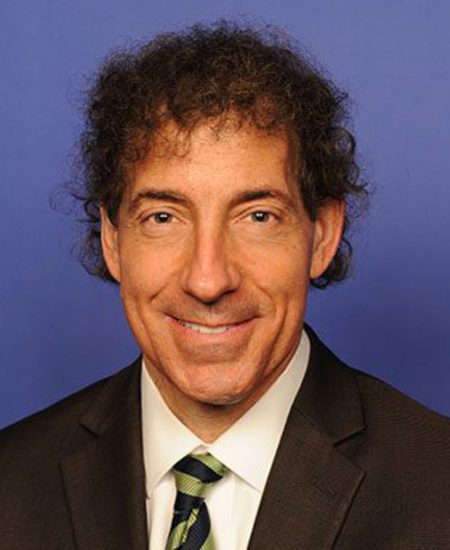
Jamie Raskin
63% support rate
Top opponent
Angela D. Alsobrooks
23% support rate
Ranked legislators
8
5 support · 3 oppose
Key legislators

Who's moving criminal justice in Maryland

Legislators moving criminal justice in Maryland
Legislator Party Stance Support rate Votes
Jamie Raskin
Jamie Raskin House · District 8
D
Support
63% 154
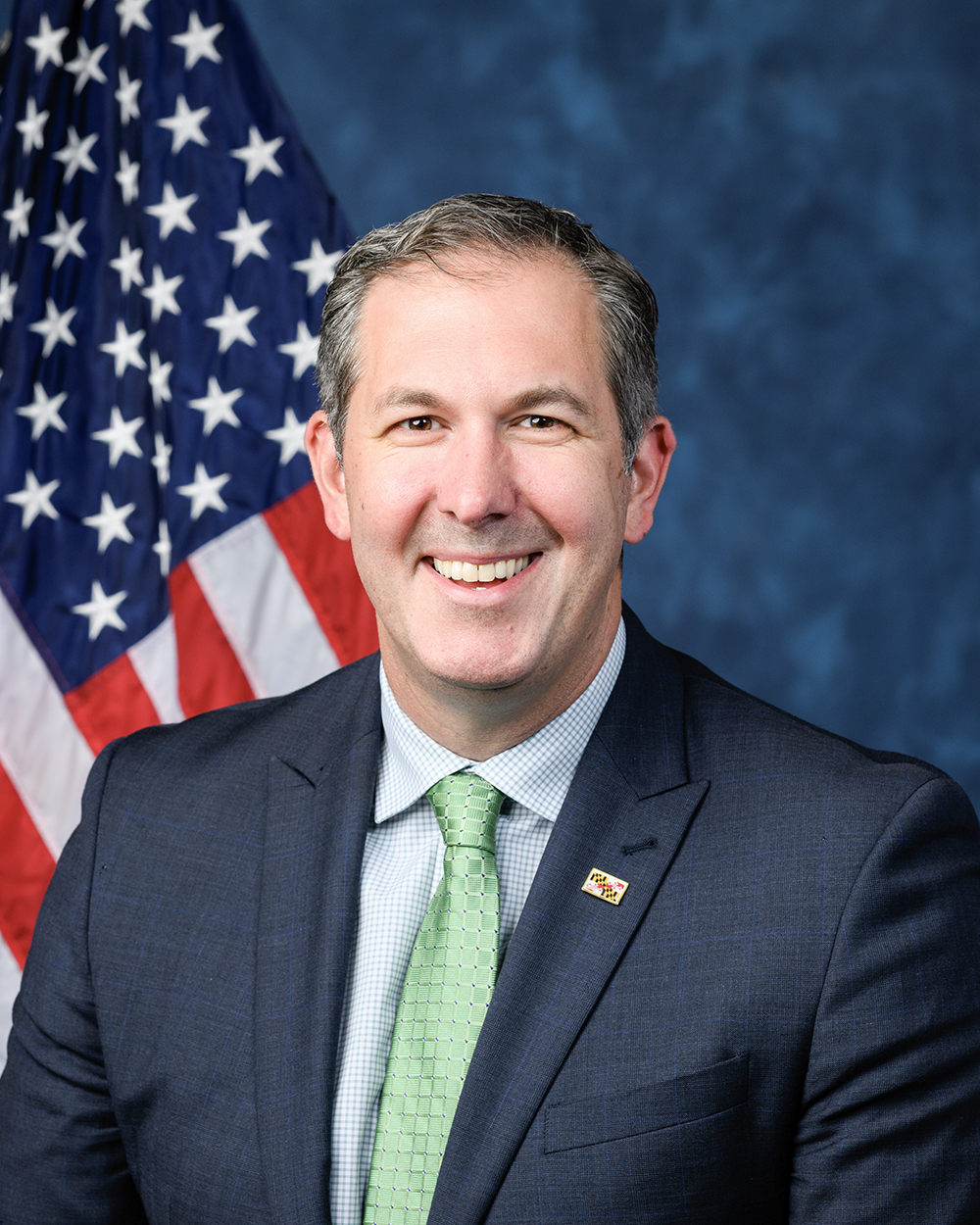
Johnny Olszewski, Jr.
Johnny Olszewski, Jr. House · District 2
D
Mixed
57% 152
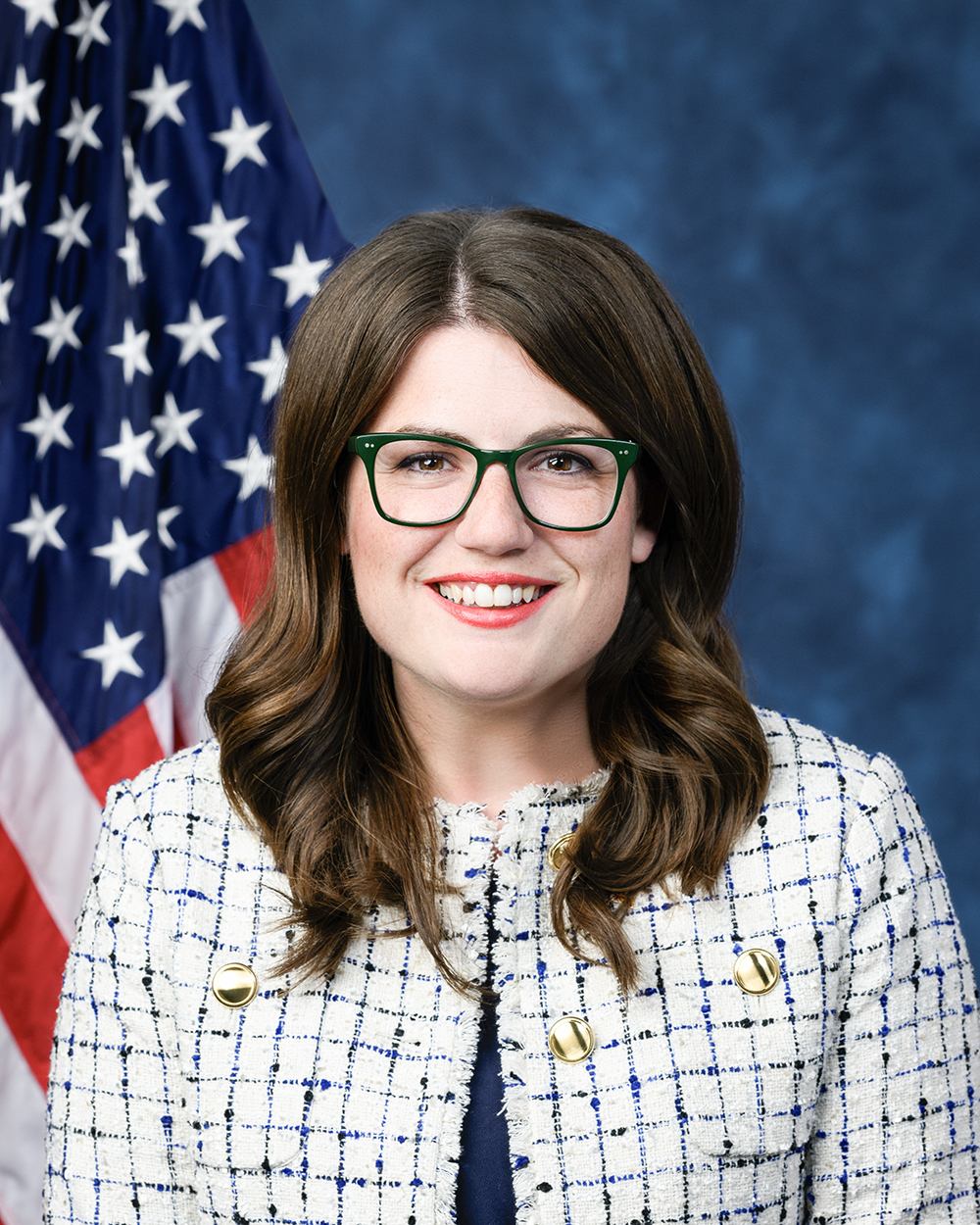
Sarah Elfreth
Sarah Elfreth House · District 3
D
Mixed
57% 154
Steny H. Hoyer
Steny H. Hoyer House · District 5
D
Mixed
57% 151
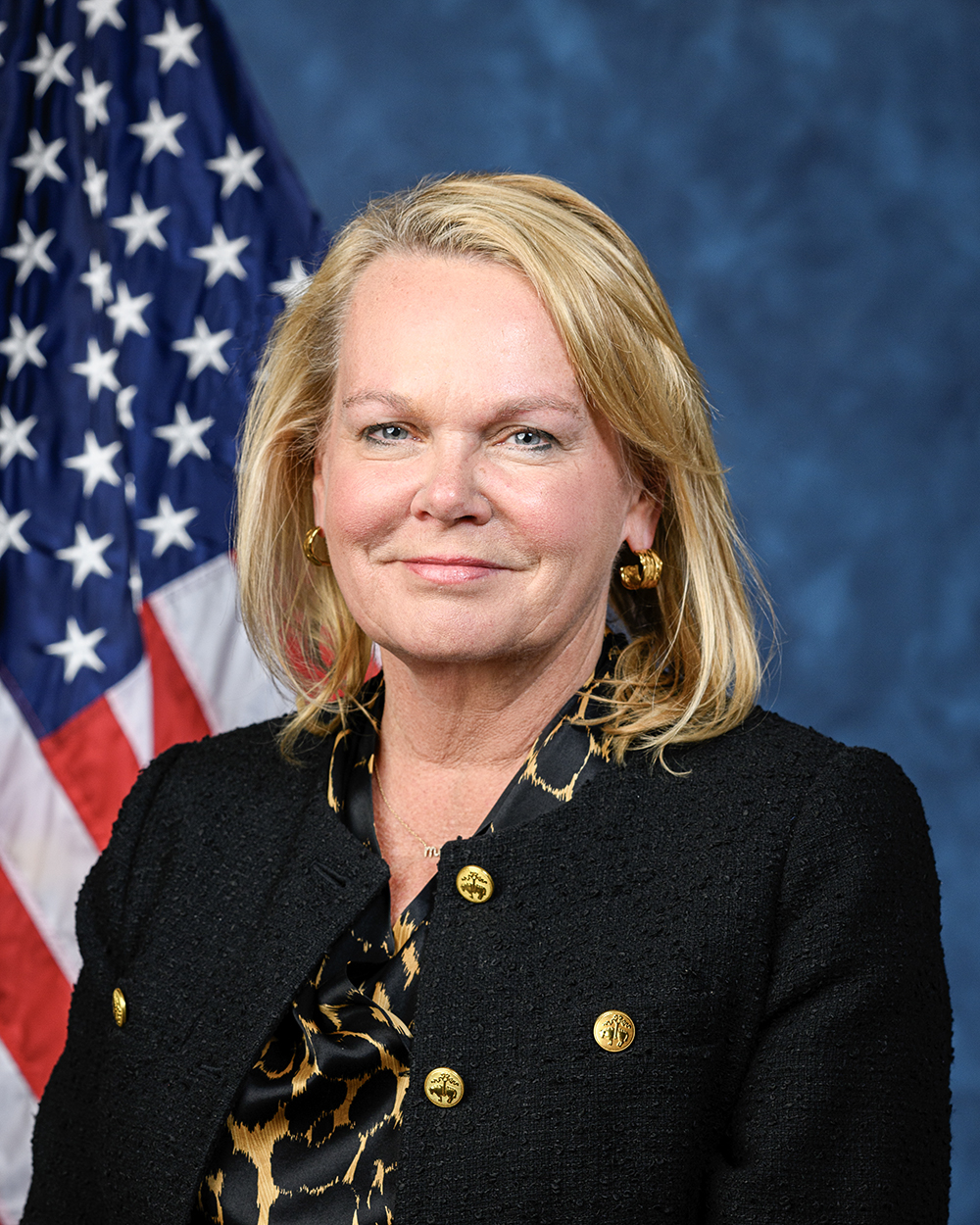
April McClain Delaney
April McClain Delaney House · District 6
D
Mixed
54% 148
Angela D. Alsobrooks
Angela D. Alsobrooks Senate
D
Oppose
23% 171
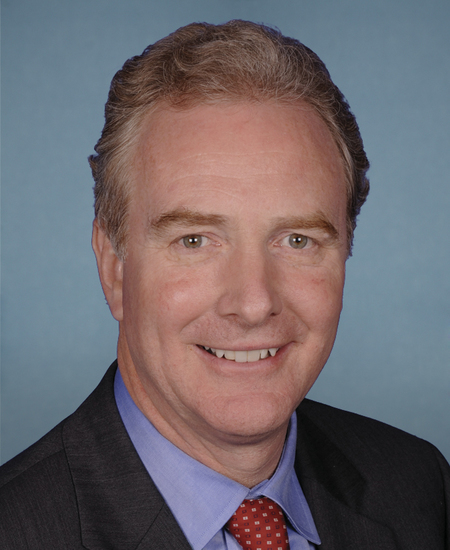
Chris Van Hollen
Chris Van Hollen Senate
D
Oppose
26% 171
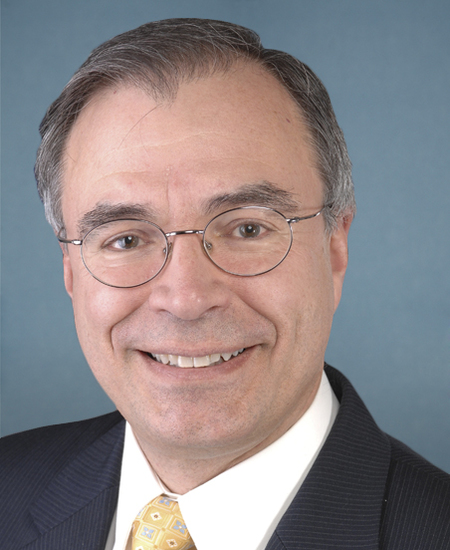
Andy Harris
Andy Harris House · District 1
R
Oppose
34% 148
Showing 1–10 of 155 bills

All criminal justice bills

in committee · United States · Senate Jul 30, 2026

S 5201: Lori Jackson-Nicolette Elias Domestic Violence Survivor Protection Act

The Lori Jackson-Nicolette Elias Domestic Violence Survivor Protection Act expands federal firearm restrictions to include individuals subject to any domestic violence restraining order, including temporary or emergency orders issued without the abuser's presence. It broadens the legal definition of an "intimate partner" to cover dating partners and other relationships protected by state laws, closing previous loopholes that allowed some abusers to keep guns. The bill also creates a federal grant program for states and tribes to fund the removal, storage, and return of firearms from individuals subject to these orders, requiring them to partner with local domestic violence service providers to ensure victim safety.
in committee · United States · Senate Aug 6, 2026

S 5320: Insider Trading Prohibition Act

The Insider Trading Prohibition Act creates a new federal criminal statute that makes it illegal to buy or sell securities while knowingly in possession of material, nonpublic information that was obtained wrongfully. The bill defines wrongful conduct to include actions such as theft, breach of fiduciary duty, or unauthorized access to data, and explicitly covers situations where an individual consciously avoids knowing the details of how the information was acquired. It also prohibits sharing this type of sensitive information if the sender knows it will be used for trading. While the law allows for certain exemptions, including transactions made under pre-existing Rule 10b5-1 plans, it ensures that these new penalties apply in addition to existing legal remedies.
Sub-Topics Drug Policy
in committee · United States · House Aug 6, 2026

HR 10066: Stop Corrupt Trading Act

The Stop Corrupt Trading Act creates a new federal criminal offense prohibiting the President and Vice President from selling or exchanging nonpublic information gained through their official positions for financial benefit. The bill also makes it illegal for any other person to purchase, sell, or exchange such information with these officials or their closely associated entities. Violations can result in criminal penalties including fines of up to double the transaction value and imprisonment for the President or Vice President, while third parties face significant fines and mandatory forfeiture of proceeds derived from the illicit transactions. Additionally, the Attorney General is authorized to pursue civil actions against violators to recover profits and impose further financial penalties, with a specific requirement for the Office of Government Ethics to refer credible evidence of such conduct to the Justice Department.
in committee · United States · House Jul 21, 2026

HR 9817: Justice for Incarcerated Moms Act

The Justice for Incarcerated Moms Act aims to improve maternal health outcomes for pregnant and postpartum individuals in the criminal justice system by restricting financial incentives for states that use restraints on pregnant inmates. Under the bill, states receiving federal justice grants would face a 25 percent funding penalty if they fail to implement laws limiting the use of shackles on pregnant individuals, with those withheld funds redirected to compliant states. The legislation also directs the Bureau of Prisons and the Department of Justice to create and fund programs in at least six federal facilities and across various state and local prisons that provide specialized prenatal care, mental health support, and reentry assistance. These programs are designed to address specific health disparities, particularly for racial and ethnic minority groups, by offering culturally competent care, nutrition counseling, and opportunities to maintain contact with newborn children. Additionally, the act requires an independent oversight organization to monitor program implementation and mandates a Government Accountability Office report to analyze maternal and infant health data within the correctional system.
in committee · United States · House Jul 23, 2026

HR 9898: Transportation for Reentry Act

The Transportation for Reentry Act requires transit agencies receiving federal funding to offer free public transportation to individuals released from prison after serving at least one year. Under this bill, these agencies must provide the service for one year starting from the person's release date and cover costs related to program setup, staff training, and outreach. To receive federal grants, transit recipients must establish enrollment systems, track usage data, and ensure compliance with the program's duration requirements. The legislation authorizes $40 million annually from 2027 to 2031 to support these efforts and mandates a final report on the program's impact five years after enactment.
in committee · United States · House Jul 22, 2026

HR 9873: Inclusive Democracy Act of 2026

The Inclusive Democracy Act of 2026 mandates that individuals with criminal convictions retain their right to vote in federal elections and requires prisons, jails, and probation offices to notify incarcerated or supervised individuals of this right. The bill establishes specific procedures for voter registration and absentee voting within carceral settings, including expedited transmission of forms and the ability to use either a prison address or a last known address for registration. It also prohibits states from rejecting ballots or registration applications based on late mailing dates or electronic submission methods and ensures that election materials and nonpartisan voter registration services can be distributed inside correctional facilities.
Sub-Topics Corrections Probation & Parole Tags Elections
in committee · United States · House Jul 14, 2026

HR 9669: FACT Pilot Program Act

This bill creates a five-year pilot program to provide grants to states and local governments for expanding Forensic Assertive Community Treatment teams. These specialized teams offer intensive, round-the-clock support including mental health care, addiction treatment, and housing assistance to individuals with serious mental illness who are involved with the criminal justice system. The program requires teams to include a mix of psychiatrists, employment specialists, criminal justice partners, and peer specialists with lived experience. Additionally, the legislation authorizes funding for a study by the National Academies to evaluate the program's effectiveness and develop guidelines for scaling it up.
in committee · United States · House Jul 14, 2026

HR 9688: High Court Gift Ban Act

The High Court Gift Ban Act prohibits federal judicial officers from accepting gifts from sources likely to appear before them, unless the gift is under $50, the total annual value from that source remains $100 or less, or it falls under specific exceptions like gifts from relatives or public events. The law defines a "gift" broadly to include items, services, and reimbursements, while allowing exceptions for personal hospitality within IRS limits and certain professional benefits available to the general public. Enforcement mechanisms include referrals to the Attorney General for violations, which can result in civil or criminal penalties similar to those for other federal ethics breaches. The bill requires the Supreme Court and the Judicial Conference to create implementing regulations within 180 days of enactment to ensure compliance.
Sub-Topics Courts
in committee · United States · House Jun 11, 2026

HR 9298: Stopping Harmful and Outrageous Torts Act

This bill, known as the Stopping Harmful and Outrageous Torts Act, expands legal protections for firearm manufacturers and sellers by strengthening their immunity from civil lawsuits. It requires courts to immediately dismiss any pending cases against these companies that are based on the criminal or unlawful misuse of a gun by a third party, while also clarifying that sellers are not liable for negligence in entrusting products to others. The legislation further restricts who can file such suits by prohibiting foreign governments from bringing these claims and adding a specific exception for victims under the age of 17, though it maintains immunity for cases involving design or manufacturing defects. Additionally, the bill allows companies to move these cases to federal court and grants them the right to appeal dismissal orders immediately, along with the ability to recover legal fees if they win. Finally, it preempts state and local laws that attempt to impose liability on these entities for the same types of misuse-related harms.
Sub-Topics Courts Firearms
in committee · United States · House Jun 8, 2026

HR 9208: HEAR Act of 2026

The HEAR Act of 2026 makes it illegal for most people to import, sell, manufacture, transfer, or possess firearm silencers and mufflers. The law allows exceptions for law enforcement officers, campus security personnel, nuclear facility employees, and licensed manufacturers conducting authorized testing. To help individuals comply with the new restrictions, the bill requires the Attorney General to create a nationwide buy-back program that pays people who surrender their silencers. These changes would take effect 90 days after the bill is signed into law.
Showing 1 to 10 of 155 bills
1 2 3 16 Next