Issue · Technology

Technology

Every technology bill, vote, and legislator stance in California, automatically classified by Maddy, our AI policy reader.

Total bills
188
2025-2026 Regular Session
Top supporter
Josh Becker
100% support rate
Top opponent
Brian Jones
2% support rate
Ranked legislators
10
5 support · 5 oppose
Key legislators

Who's moving technology in California

Legislators moving technology in California
Legislator Party Stance Support rate Votes
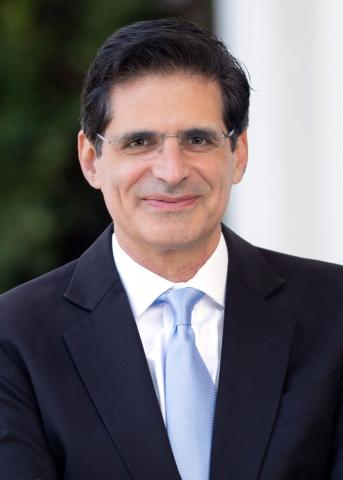
Josh Becker
Josh Becker Senate · District 13
D
Strong +
100% 383
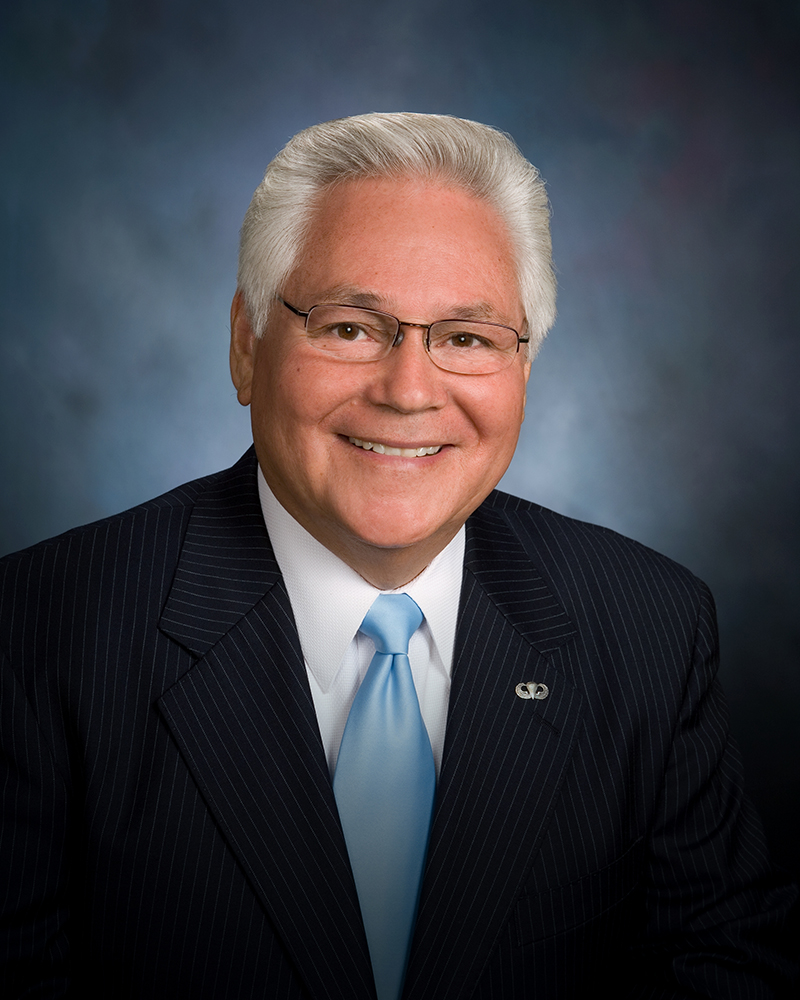
Bob Archuleta
Bob Archuleta Senate · District 30
D
Strong +
98% 415
Caroline Menjivar
Caroline Menjivar Senate · District 20
D
Strong +
98% 422
Susan Rubio
Susan Rubio Senate · District 22
D
Strong +
98% 375
Catherine Blakespear
Catherine Blakespear Senate · District 38
D
Strong +
98% 403
Brian Jones
Brian Jones Senate · District 40
R
Strong −
2% 334
Marie Alvarado-Gil
Marie Alvarado-Gil Senate · District 4
R
Strong −
4% 329
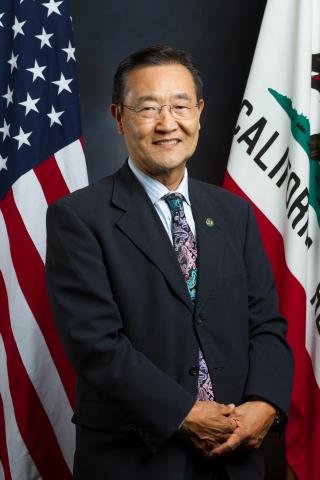
Steve Choi
Steve Choi Senate · District 37
R
Strong −
6% 381
Tony Strickland
Tony Strickland Senate · District 36
R
Strong −
6% 405
Kelly Seyarto
Kelly Seyarto Senate · District 32
R
Strong −
7% 619
Showing 101–110 of 188 bills

All technology bills

passed · California · Senate Aug 30, 2026

SB 300: Companion chatbots.

Existing law requires that if a reasonable person interacting with a companion chatbot, as defined, would be misled to believe that the person is interacting with a human, an operator of a companion chatbot platform must issue a clear and conspicuous notification indicating that the companion chatbot is artificially generated and not human. Existing law requires a chatbot operator to maintain a protocol for preventing the production of suicidal ideation, suicide, or self-harm content to the user, as specified, and would require an operator to publish details on that protocol on the operator's internet website. Existing law requires an operator to take certain actions with respect to a user the operator knows is a minor, including instituting reasonable measures to prevent the companion chatbot from producing sexually explicit visual material or proposing sexually explicit conduct. This bill would instead require a companion chatbot operator to take the above actions when it has constructive knowledge that a user is a minor. This bill would instead require an operator to prevent its companion chatbot from producing or facilitating the exchange of any sexually explicit material or proposing sexually explicit conduct.
passed both · California · Assembly Aug 30, 2026

AB 1542: Sensitive personal information.

The California Consumer Privacy Act of 2018 (CCPA) grants a consumer various rights with respect to personal information, as defined, that is collected or sold by a business, as defined, including the right to direct a business that collects sensitive personal information, as defined, about the consumer to limit its use, as prescribed. The California Privacy Rights Act of 2020, approved by the voters as Proposition 24 at the November 3, 2020, statewide general election, amended, added to, and reenacted the CCPA. This bill would, under the CCPA, prohibit a business, service provider, or contractor from selling or sharing sensitive personal information to a third party, except as specified. This bill would declare that its provisions further the purposes and intent of the California Privacy Rights Act of 2020.
passed both · California · Senate Aug 27, 2026

SB 923: Consumer privacy requests: deletion request records and request submission methods.

Existing law, the California Consumer Privacy Act of 2018 (CCPA) , grants to a consumer various rights with respect to personal information that is collected by a business. Among those rights, the CCPA includes the right to request that a business delete personal information that the business has collected from the consumer. This bill would expand that right to include requesting the deletion of any personal information that the business has collected about the consumer. If the business did not obtain the personal information from the consumer, the bill would allow the business to retain a record of the deletion request and the minimum data necessary to ensure the consumer's personal information remains deleted from its records and is not being used for any other purpose. The bill would make findings and declarations relating to these provisions. Existing law generally requires businesses to make certain methods of communication available for consumers to submit personal information requests, including requests for deletion and correction. If a business operates exclusively online and has a direct relationship with the consumer from whom it collects personal information, existing law requires the business to provide consumers an email address for submitting personal information requests. This bill would also require that business to make an online method, such as a web form or online portal, available to consumers for submitting personal information requests. Existing law, the California Privacy Rights Act of 2020, an initiative measure approved by the voters as Proposition 24 at the November 3, 2020, statewide general election, amended, added to, and reenacted the CCPA. This bill would declare that its provisions further the purposes and intent of the California Privacy Rights Act of 2020.
passed both · California · Assembly Aug 27, 2026

AB 1650: Rental vehicles: law enforcement.

Existing law generally regulates the business of renting passenger vehicles to the public. The law prohibits a rental company from taking various actions, including requiring the purchase of a damage waiver, optional insurance, or another optional good or service, and using electronic surveillance technology to track a renter in order to impose fines or surcharges relating to the renter's use of a rental vehicle. This bill would require any privately owned vehicle rented by, or furnished to, any federal, state, or local law enforcement agency for the use of detaining, arresting, or transporting persons who have violated, or are suspected of having violated, any law, to display a temporary decal displaying the agency name and logo, as specified. The bill would authorize certain attorneys, including the Attorney General, to pursue a civil action against the entity renting the vehicle from the private owner for failure to comply with these provisions. The bill would require the rental car contract to include a term that compliance with state law is mandatory. The bill would exempt privately owned vehicles rented or otherwise furnished or loaned to a law enforcement agency for specified purposes and rental car contracts entered into prior to January 1, 2027, from these provisions. The bill would make related findings and declarations.
passed both · California · Senate Aug 21, 2026

SB 607: Golden Gate Bridge, Highway and Transportation District: contributions and loans.

Existing law prohibits the Golden Gate Bridge, Highway and Transportation District from issuing general obligation or revenue bonds, or any other form of long-term indebtedness, except to finance an interim system of buses and ferries or to finance capital improvements or modifications relating to seismic safety of the Golden Gate Bridge. This bill would authorize the district to accept contributions and loans from this state and the United States for the purpose of financing capital improvements or modifications related to seismic safety on the Golden Gate Bridge, as specified.
signed · California · Senate Oct 10, 2025

SB 683: Privacy: use of a person's name, voice, signature, photograph, or likeness: injunctive relief.

Existing law makes any person who knowingly uses another's name, voice, signature, photograph, or likeness in products, merchandise, or goods, or for purposes of advertising or selling, or soliciting purchases of, products, merchandise, goods, or services, without that person's prior consent liable for damages, as specified. This bill would provide that a party seeking relief pursuant to those provisions may also seek an injunction or temporary restraining order according to specified procedures. The bill would require the respondent to comply with the order within 2 business days from the day the order is served, unless otherwise required by the order, if the court grants the applicant a temporary restraining order without notice to the opposing party that requires the respondent to remove, recall, or otherwise cease the publication or distribution of the petitioner's name, voice, signature, photograph, or likeness. The bill would make other nonsubstantive changes. This bill would incorporate additional changes to Section 3344 of the Civil Code proposed by SB 11 to be operative only if this bill and SB 11 are enacted and this bill is enacted last.
signed · California · Assembly Oct 7, 2025

AB 1197: Rental passenger vehicles: electronic surveillance technology: renter liability for loss due to theft.

Existing law generally governs the transactions between a rental car company, also referred to as a rental company, and its customers, as provided. Existing law prohibits a rental company from using, accessing, or obtaining any information relating to the renter's use of the rental vehicle that was obtained using electronic surveillance technology, as defined, except under specified circumstances. Existing law permits a rental company and a renter to limit the responsibilities of a renter in specified events, including loss due to theft of the rented vehicle up to its fair market value, as provided. Existing law establishes, in the situation described in the previous sentence, a presumption that the renter has no liability for loss due to theft if specified conditions are met, including that an authorized driver has possession of the ignition key or establishes that the ignition key was not in the vehicle at the time of the theft, as provided. This bill would allow a rental company to use geofence technology, as specified, to detect rental vehicle movement in prescribed circumstances. The bill, with respect to the above-described provisions relating to the renter's liability for loss due to theft, would revise the presumption that the renter has no liability for loss due to theft to instead apply this presumption if an authorized driver returns the ignition key.
passed both · California · Assembly Aug 26, 2026

AB 1180: Department of Financial Protection and Innovation: state payments.

The Digital Financial Assets Law (DFAL) generally regulates digital financial asset business activity, including by prohibiting a covered person from taking certain actions with digital financial assets if that asset is a stablecoin, as defined and prescribed. The DFAL requires, among other charges, an applicant for a license to include a nonrefundable fee with an application, as specified. This bill would authorize the Department of Financial Protection and Innovation to adopt regulations to allow specified payments required under the DFAL to be made with stablecoins, as specified. This bill would become operative on July 1, 2027, and sunset its provisions on January 1, 2032.
signed · California · Senate Oct 3, 2025

SB 446: Data breaches: customer notification.

Existing law requires an individual or a business that conducts business in California, and that owns or licenses computerized data that includes personal information, to disclose a breach of the security of the system following discovery or notification of the breach in the security of the data to a resident of California whose unencrypted personal information was compromised, as specified, and requires that disclosure to be made in the most expedient time possible and without unreasonable delay, consistent with the legitimate needs of law enforcement, as specified, or any measures necessary to determine the scope of the breach and restore the reasonable integrity of the data system. This bill would require that data breach disclosure to be made within 30 calendar days of discovery or notification of the data breach but would authorize an individual or business to delay the disclosure to accommodate the legitimate needs of law enforcement, as specified, or as necessary to determine the scope of the breach and restore the reasonable integrity of the data system. Existing law also requires an individual or business that is required to issue the security breach notification described above to more than 500 California residents as a result of a single breach of the security system to electronically submit a single sample copy of that security breach notification, excluding any personally identifiable information, to the Attorney General. This bill would require that submission to the Attorney General to be made within 15 calendar days of notifying affected consumers of the security breach.
vetoed · California · Senate Mar 2, 2026

SB 643: Carbon Dioxide Removal Purchase Program.

Existing law establishes the State Air Resources Board as the state agency responsible for monitoring and regulating sources emitting greenhouse gases. Existing law requires the state board to establish a Carbon Capture, Removal, Utilization, and Storage Program, as provided, to evaluate the efficacy, safety, and viability of carbon capture, utilization, or storage technologies and carbon dioxide removal technologies and facilitate the capture and sequestration of carbon dioxide from those technologies, where appropriate. Existing law requires the Secretary of the Natural Resources Agency, in consultation with the state board, to publish a framework for governing agreements regarding 2 or more tracts of land overlying the same geologic storage reservoir or reservoirs for purposes of managing, developing, and operating a carbon dioxide capture, removal, or sequestration project, as provided. This bill would require the state board to establish and administer the Carbon Dioxide Removal Purchase Program as a competitive grant process for eligible carbon dioxide removal projects, as specified. The bill would require the state board, on or before January 1, 2028, and annually thereafter, to conduct and publish on its internet website a survey of carbon dioxide removal projects existing or in development within the state, and, on or before December 31, 2027, and annually thereafter, until December 31, 2035, to publish on its internet website a report describing Carbon Dioxide Removal Purchase Program activities completed and carbon dioxide removal projects to date, as specified. The bill would require the state board, on or after July 1, 2026, but on or before December 31, 2035, to fund carbon dioxide removal projects in an amount totaling $50,000,000. The bill would authorize up to 10% of that amount to be used to supplement necessary administrative costs in establishing the program. The bill would prohibit carbon dioxide removal projects from exceeding $25,000,000 of grants toward qualified carbon dioxide removals in any one of specified project categories or $12,500,000 of grants towards any one individual carbon dioxide removal project sponsor, except as specified. The bill would require that eligible carbon dioxide removal projects permanently retire the contracted tons of removed carbon dioxide from any future carbon dioxide removals credit issuance. The bill would require the state board, on or before January 1, 2028, to adopt guidelines, including the definition of an eligible carbon dioxide removal project, for the program, which the bill would require to be consistent with certain provisions governing carbon dioxide capture, removal, or sequestration projects, as specified. The bill would make implementation of these provisions contingent upon an appropriation by the Legislature for purposes of the program. The bill would require all funds to be available for encumbrance or expenditure until June 30, 2035, and to be available for liquidation until June 30, 2035.
Showing 101 to 110 of 188 bills
Previous 1 10 11 12 19 Next