

2025-2026 Regular Session · In session
California Legislature
Follow 5,041 active bills, 120 legislators, and every floor vote of 2025-2026 Regular Session.
Day 648 of 727
Bills filed
5,041
this session
Bills passed
3,572
71% pass rate
Legislators
120
40 Senate · 80 Assembly
Committees
115
active bodies
Loading map...
2026 general election in California
See who is on the ballot this cycle: incumbents, challengers, and the races shaping California's next legislature.
Want to keep track of what matters to you?
Follow bills and legislators: we'll keep you updated as things change.
Recent legislative activity
Ask Maddy
·
AI policy assistant
Bills, votes, and legislation, in plain English.
Ask about any California or federal bill. Maddy reads the full text and answers with cited sources.
Scope: CA
I'm Maddy, your AI guide to California legislation. I can explain bills in plain English, look up voting records, or surface bills on topics you care about. What would you like to know?
Try one of these
i
Maddy answers using official bill text and legislative records. Always verify before sharing.
Sources cited inlineRecently passed
Bills that made it through
AB 1956: Suicide prevention.
Existing law authorizes the State Department of Public Health to establish the Office of Suicide Prevention within the department. Existing law authorizes the office, if established, to perform certain functions, including, among others, conducting state-level assessment of regional and statewide suicide prevention policies and practices and reporting on progress to reduce rates of suicide. Existing law authorizes the office, if established, to focus activities on groups with the highest risk, including youth, Native American youth, older adults, veterans, and LGBTQ people. This bill would authorize the office's activities focused on youth to pay special attention to boys. The bill would additionally authorize the office to focus activities on young men. The bill would require the office, if established, to report to the Legislature, on or before July 1, 2028, on strategies to implement the activities focused on boys and young men.
SB 1100: Grand juries: final reports.
Under existing law, a grand jury is a body of the required number of persons chosen from the citizens of the county to serve before a court of competent jurisdiction, and sworn to inquire of public offenses that are committed or triable within the county. Existing law requires each grand jury, no later than the end of each fiscal or calendar year, to submit to the presiding judge of the superior court a final report of its findings and recommendations that pertain to county government matters. Existing law requires one copy of each final report and its responses to be placed on file with the clerk of the court who shall immediately forward the report and responses to the State Archivist. This bill would instead require the clerk to compile all final reports and responses issued during the grand jury's term of service and to transfer the reports and responses to the State Archivist within 6 months of the end of the grand jury's term of service, as specified. The bill would specify that the clerk is not required to create new or consolidated documents.
SB 1207: California Conservation Corps.
(1) Existing law establishes the California Conservation Corps in the Natural Resources Agency. Existing law requires the Governor to appoint the director of the corps to act as the administrative officer of the corps and assigns specified responsibilities to the director. Existing law makes various findings and declarations relating to the corps. This bill would revise those findings and declarations relating to the corps, as provided. The bill would eliminate the director's authority to establish a training program for members of county or city conservation corps, as provided. The bill would also repeal a redundant statute. Existing law requires young adults participating in the corps program to generally be engaged in projects that do a list of specified things, including assisting in fire prevention and suppression. Existing law requires those projects to provide opportunities to the public for their education or other specified purposes. This bill would instead require those projects to assist in wildfire prevention and suppression, and would include forest resiliency, among other projects, to that list, as specified. This bill would require the projects to also provide those opportunities to California Native American tribes and corpsmembers. Existing law authorizes the corps to enter into a contract with an individual or a collective of community conservation corps for a project or program, as provided. This bill would authorize the corps to also enter into a contract with a conservation corps established by California Native American tribes for a project or program, as specified. Existing law requires the corps to report to specified committees of the Legislature by December 31 of each year the number of corpsmembers in the cohort who received an associate or bachelor's degree while serving in the corps or in the 12-month period following final separation from the corps and, among other things, to the extent feasible, the number of corpsmembers who enrolled in postsecondary education in the 12-month period following final separation from the corps. This bill would delete that requirement to report on the number of corpsmembers who received an associate or bachelor's degree. The bill would revise the requirement to report on the number of corpsmembers who enrolled in postsecondary education to have that data reported and disaggregated as the number enrolled at a California Community College, California State University, University of California, or private postsecondary educational institution. (2) The Public Employees' Retirement Law creates the Public Employees' Retirement System (PERS) , which is administered by the Board of Administration of the Public Employees' Retirement System. PERS provides defined benefits to its members based on their final compensation, credited service, and age at retirement, subject to certain variations. Existing law establishes the Public Employees' Retirement Fund, which is a trust fund that is appropriated continuously for specified purposes, into which certain moneys are deposited, including employee contributions. Existing law authorizes a member of PERS to elect to receive service credit for certain public service outside the system, including time served as a volunteer in the Peace Corps or AmeriCorps, by making specified contributions to the system. This bill would also authorize a member to elect to receive service credit for service as a corpsmember or special corpsmember with the corps, subject to making the required contributions for that service. By increasing the amount of employee contributions to the Public Employees' Retirement Fund, the bill would make an appropriation. (3) Existing law regulates the wages, hours, and working conditions of employees with specified exceptions. Under existing law, these provisions apply to and include employees in any occupation, trade, or industry, except for any individual employed as an outside salesperson or any individual participating in a national service program carried out using assistance, as provided. This bill would additionally exempt corpsmembers from those provisions.
AB 2125: Groundwater basin adjudication: notice.
Existing law requires a plaintiff who files an action to comprehensively determine rights to extract groundwater from a basin to provide the court a draft notice of commencement of groundwater basin adjudication and a draft form answer to adjudication complaint, as specified. Existing law also requires a plaintiff to file, within a specified timeframe, a motion for approval of the draft notice and draft form answer. Under existing law, once the court approves the draft notice, the plaintiff is required to serve the notice, as specified. Following a court order approving both the notice and draft form answer and authorizing service thereof, existing law requires the plaintiff to take additional steps to provide notice to defendants including, but not limited to, mailing, by registered mail or certified mail, return receipt requested, the notice, complaint, and form answer to all holders of fee title to real property in the basin. Under existing law, if a return receipt is not received for a parcel of real property, the plaintiff must post a copy of the notice, complaint, and form answer in a conspicuous place on the real property. After completing these notice procedures, existing law requires the plaintiff to file a notice of completion of the mailing with the court. Existing law permits a court to authorize any other procedures it finds appropriate and necessary to provide notice to persons who may hold groundwater rights in basin. This bill would impose additional requirements on a plaintiff when filing the notice of completion of mailing. The bill would require the plaintiff to include with the notice of completion an affidavit of the person who mailed the notice and the certified or registered mail delivery receipt for each parcel stating the date, time, and place of mailing. The bill would further require the notice to include as an attachment any certified or registered mail delivery receipts received as of the date of the filing. If a return receipt is not received for a parcel of real property, the bill would require the plaintiff to also include with the notice of completion an affidavit of the person who posted the notice specifying the date, time, and physical location of each parcel where the posting occurred, accompanied by a photograph depicting the posted notice. The bill would clarify that the court may authorize additional procedures necessary to provide notice to persons who may hold groundwater rights in basin, including, but not limited to, requiring the plaintiff to utilize restricted delivery of all mailed notices.
AB 2786: Elections.
Under existing law, there are certain established election dates. Prior to the enactment of Chapter 1143 of the Statutes of 1996, the Elections Code instead referred to these dates as "regular election dates." This bill would revise existing code sections to remove obsolete references to "regular election date" and replace them with references to "established election date." Under existing law, when a local measure is submitted to the voters of a special district that includes territory within more than one county, one of those counties is designated as the lead county, as specified. Existing law requires the elections official for the lead county to work with the other counties to establish the deadlines for the submittal of arguments for and against the measure. Existing law also requires the elections official for the lead county to select the arguments to be printed in the voter information guide and transmit those arguments to the elections officials of the other counties. This bill would additionally require the elections official for the lead county to work with the other counties to establish the deadlines for the submittal of the measure text and impartial analysis. The bill would require the elections official for the lead county to submit the measure text, impartial analysis, and the selected arguments to the other counties within 24 hours of the author providing those materials to the lead county. To the extent this bill increases the duties of local elections officials, it creates a state-mandated local program. The bill would also make other nonsubstantive changes. The California Constitution requires the state to reimburse local agencies and school districts for certain costs mandated by the state. Statutory provisions establish procedures for making that reimbursement. This bill would provide that, if the Commission on State Mandates determines that the bill contains costs mandated by the state, reimbursement for those costs shall be made pursuant to the statutory provisions noted above.
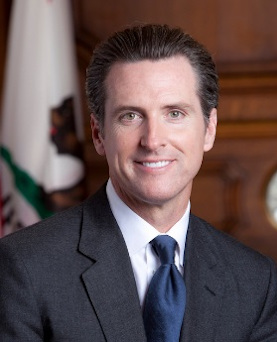
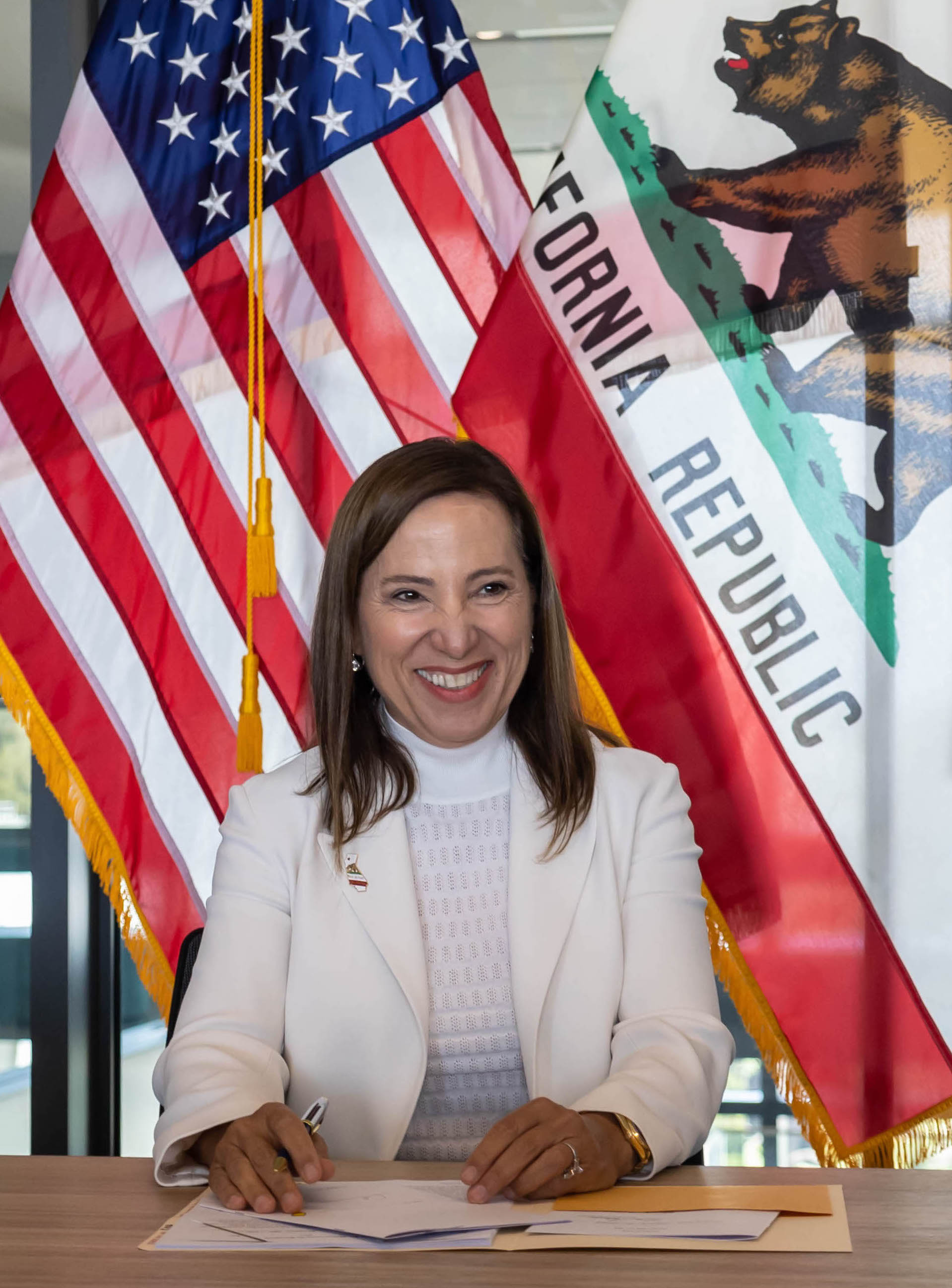
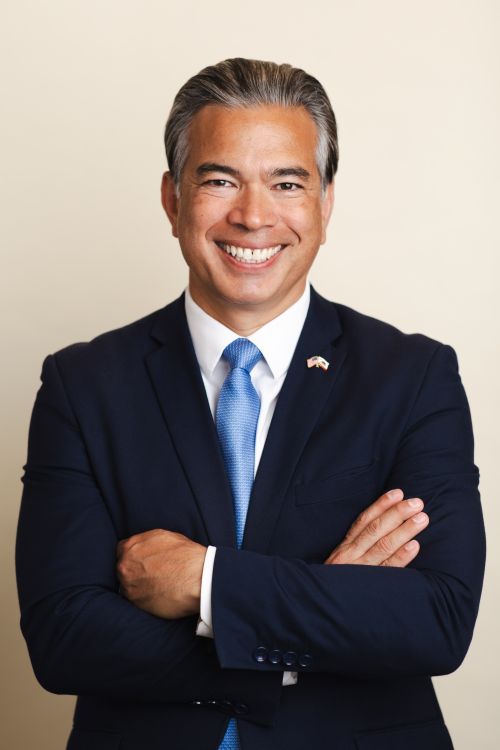
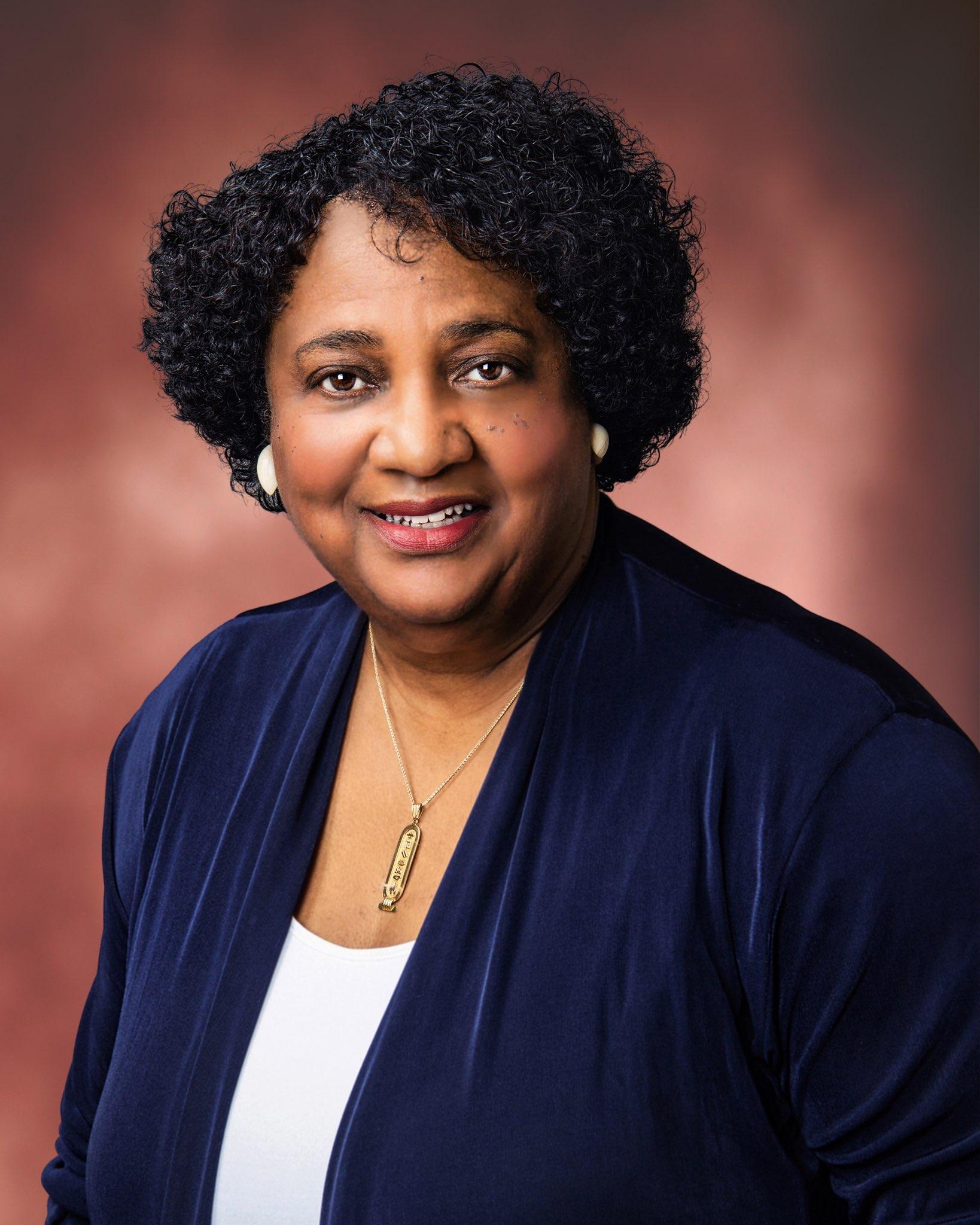
State Leadership
Legislative Leadership
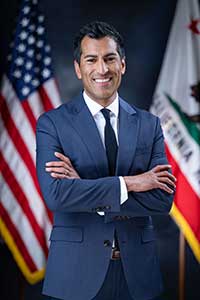
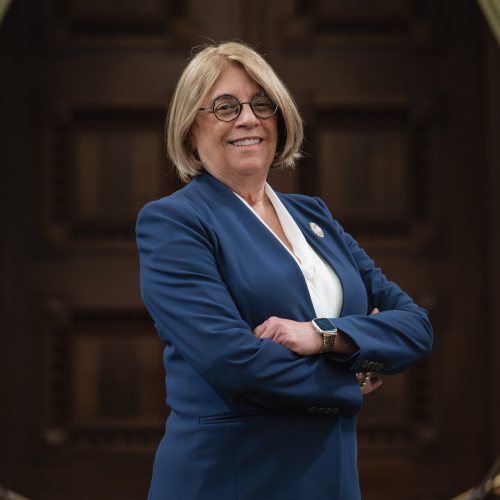
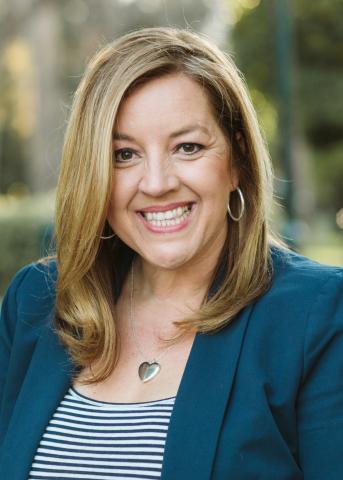
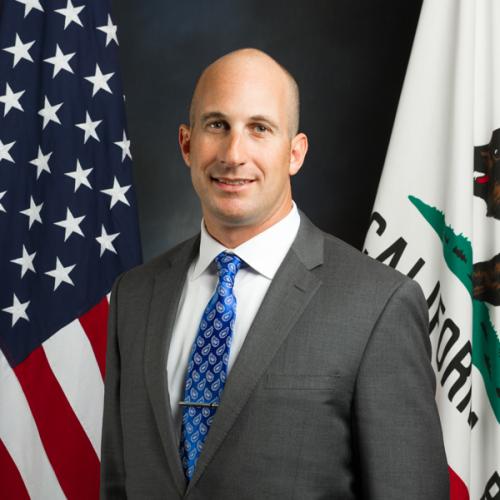
Legislative session
2025-2026 Regular Session
In session
Convened
Dec 2, 2024
Monday
Today
648/ 727 days
79 days remaining
Adjourns
Nov 30, 2026
Monday
Chamber control
Democratic Trifecta
Democratic Trifecta
Governor
D
Senate
D30–10
Assembly
D60–20
One party controls the executive and both chambers. The majority's bills typically face no veto risk.Senate
D maj.30 – 10
0
21 for majority
40
Assembly
D maj.60 – 20
0
41 for majority
80
Bills this session
Passage rate
3,572 of 5,041 introduced bills have passed at least one chamber.
70.9%
Leaders by Topic
Bipartisan Leaders
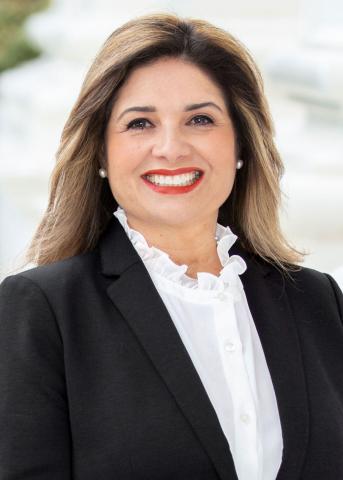 MA
MAMarie Alvarado-Gil
District 4
4%
R
 RO
RORosilicie Ochoa Bogh
District 19
2%
R
 RN
RNRoger Niello
District 6
1%
R
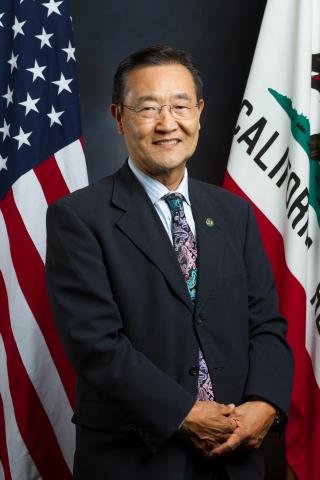 SC
SCSteve Choi
District 37
1%
R
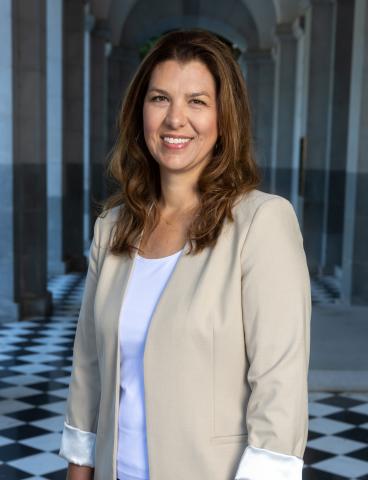 MD
MDMegan Dahle
District 1
1%
R
 BJ
BJBrian Jones
District 40
1%
R


Cross-party voting
Party cohesion →
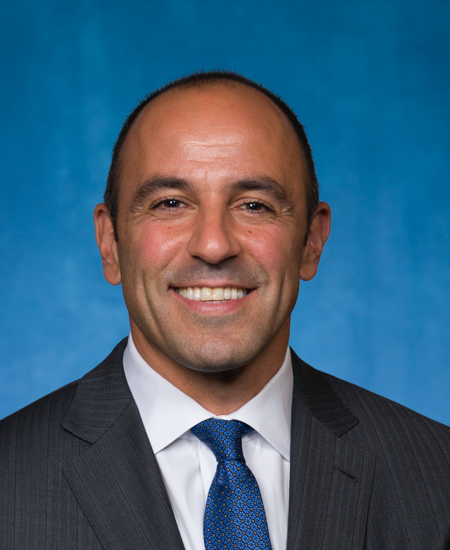
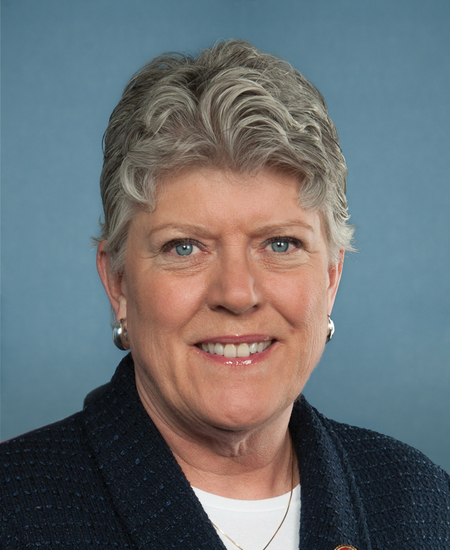
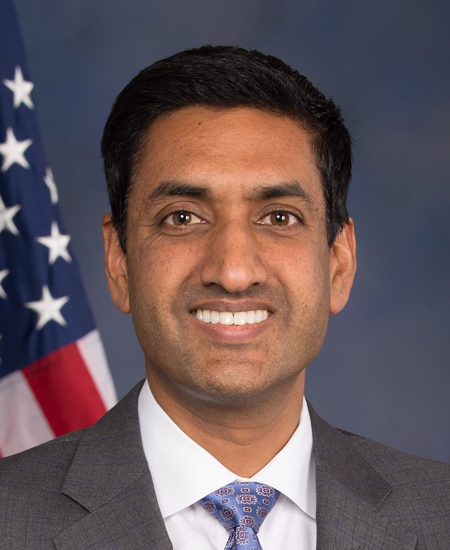
State Legislators
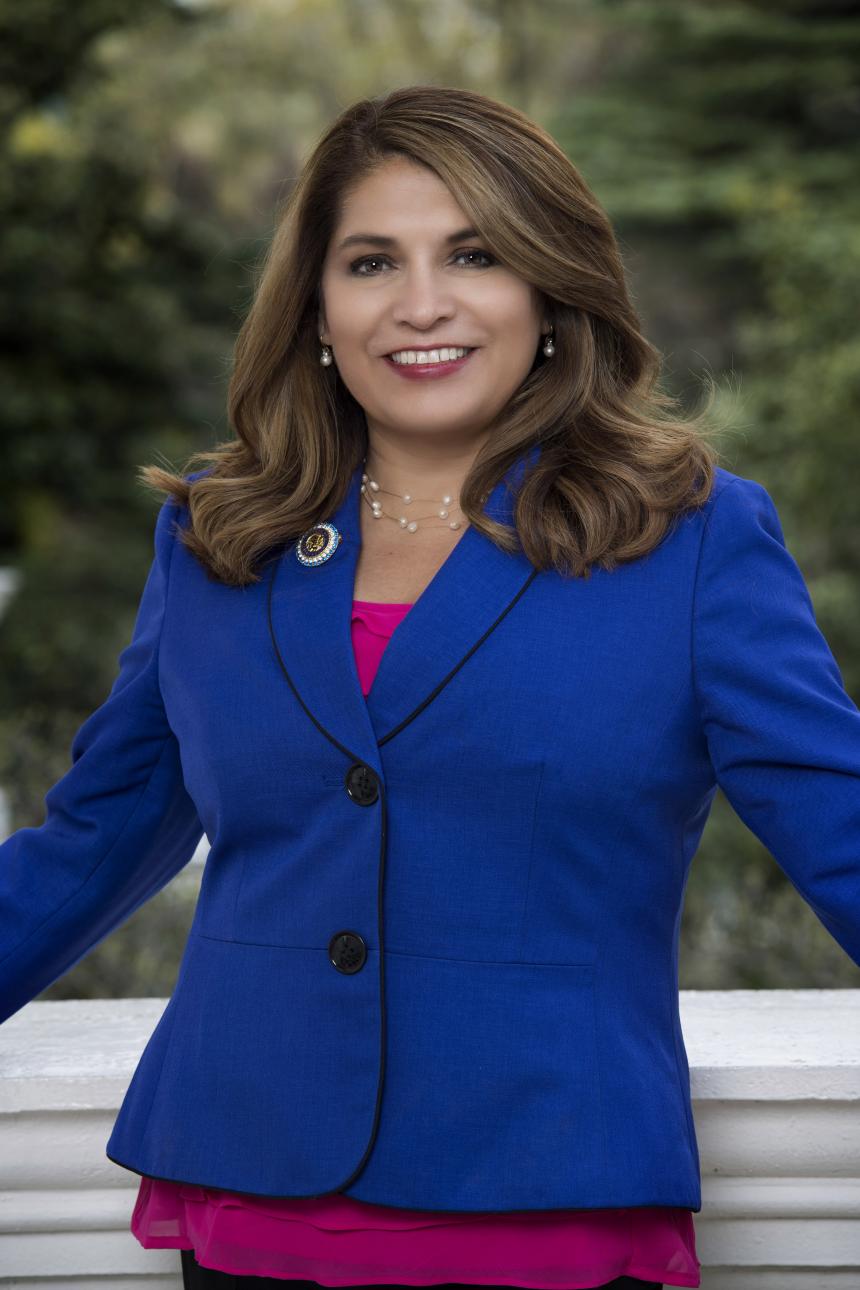
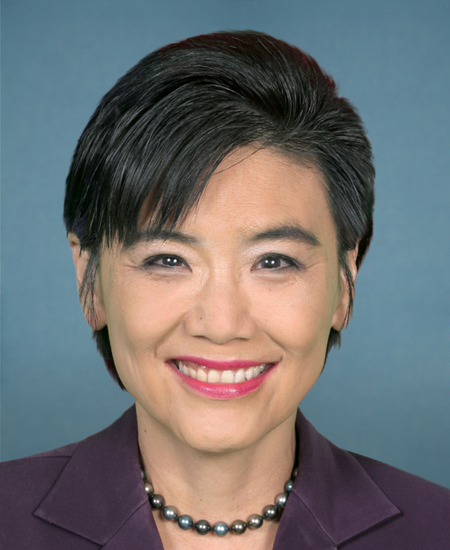
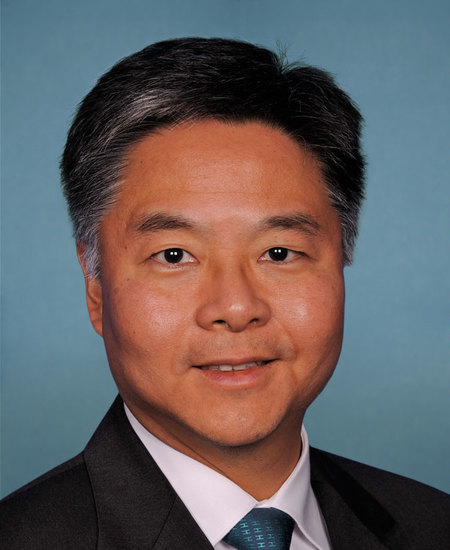
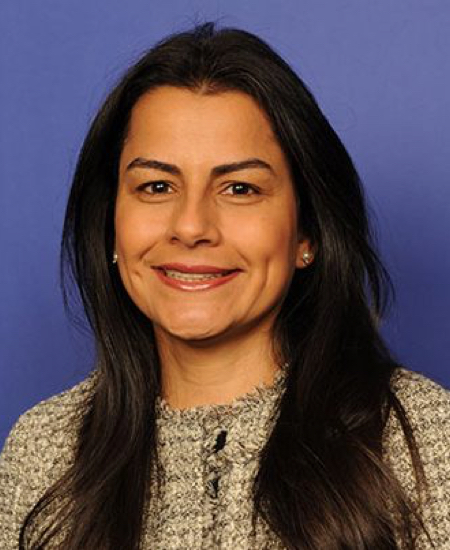
Contested battles
- Gas corporations: gas distribution service line replacements: alternatives. D 42-0 · R 0-20 · Other 0-0 passed both
- Surveillance pricing. D 42-0 · R 0-20 · Other 0-0 passed
- Solid waste: products: recycled content claims. D 42-0 · R 0-19 · Other 0-0 passed both
- Diversion: retail theft. D 40-2 · R 0-20 · Other 0-0 passed
- Conservation: the Monterey Bay Area Stewardship Authority. D 43-1 · R 0-20 · Other 0-0 passed