Issue · Technology

Technology

Every technology bill, vote, and legislator stance in California, automatically classified by Maddy, our AI policy reader.

Total bills
479
119th Congress
Top supporter
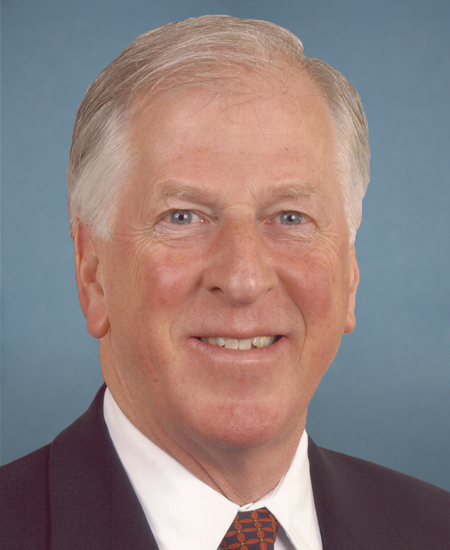
Mike Thompson
86% support rate
Top opponent
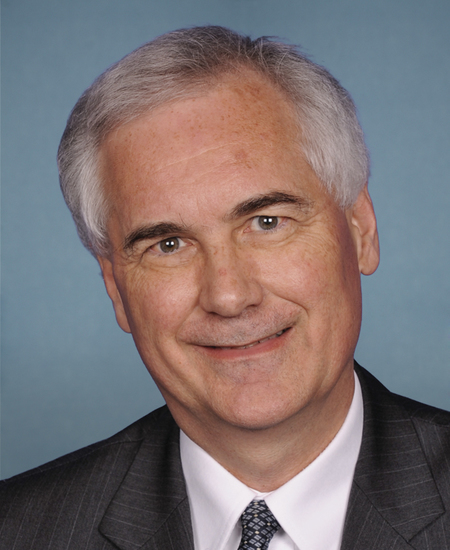
Tom McClintock
24% support rate
Ranked legislators
10
5 support · 5 oppose
Key legislators

Who's moving technology in California

Legislators moving technology in California
Legislator Party Stance Support rate Votes
Mike Thompson
Mike Thompson House · District 4
D
Strong +
86% 261
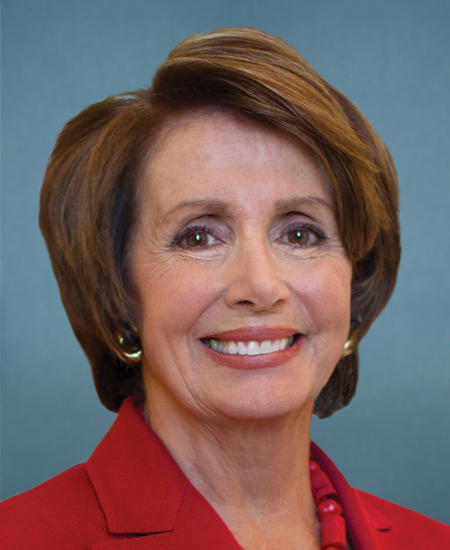
Nancy Pelosi
Nancy Pelosi House · District 11
D
Strong +
86% 246
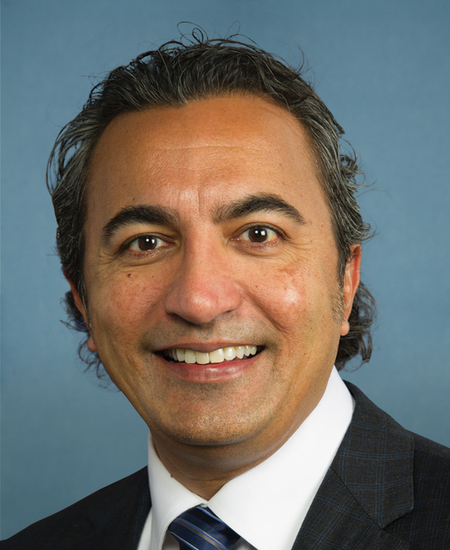
Ami Bera
Ami Bera House · District 6
D
Strong +
86% 258
Zoe Lofgren
Zoe Lofgren House · District 18
D
Strong +
86% 260
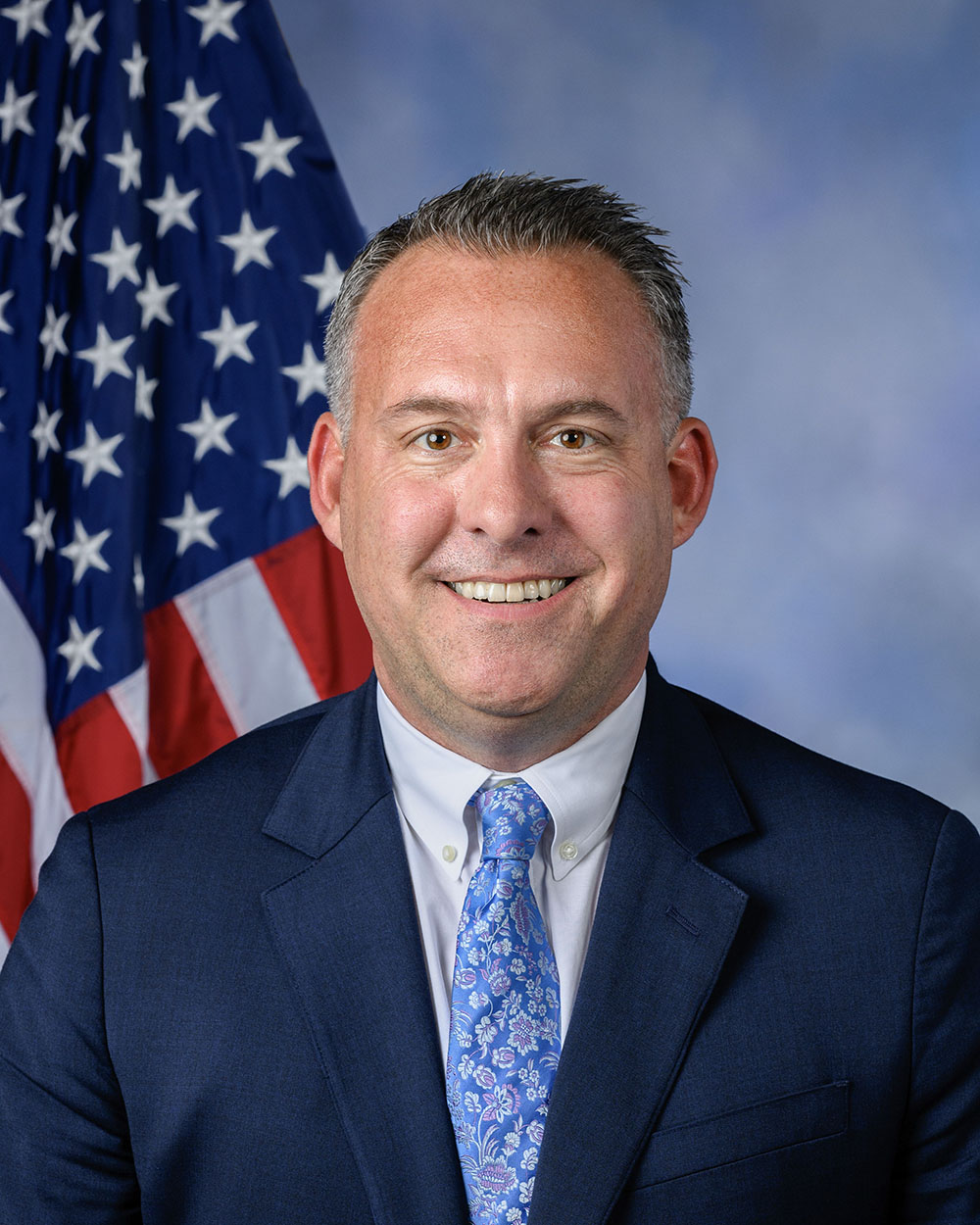
Adam Gray
Adam Gray House · District 13
D
Strong +
85% 253
Tom McClintock
Tom McClintock House · District 5
R
Oppose
24% 258
Ken Calvert
Ken Calvert House · District 41
R
Oppose
32% 261
Kevin Kiley
Kevin Kiley House · District 3
I
Oppose
32% 262
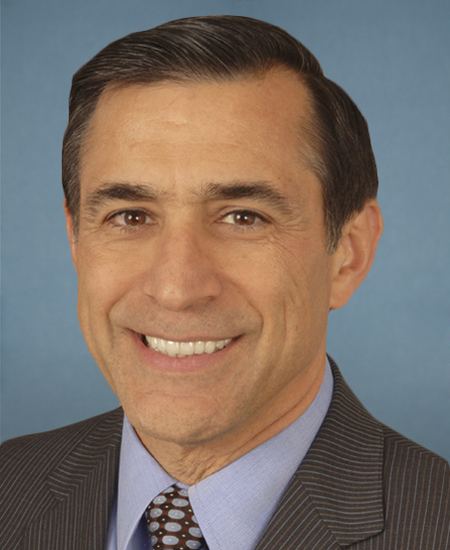
Darrell Issa
Darrell Issa House · District 48
R
Oppose
32% 263
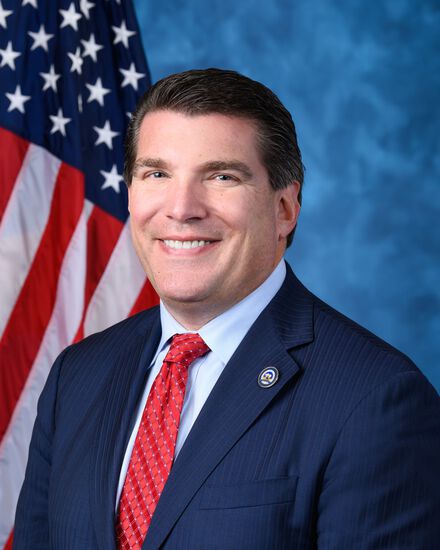
Jay Obernolte
Jay Obernolte House · District 23
R
Oppose
33% 256
Showing 1–10 of 479 bills

All technology bills

in committee · United States · House Sep 10, 2026

HR 10329: Combating Foreign Threats to Main Street Act of 2026

The Combating Foreign Threats to Main Street Act of 2026 directs the Small Business Administration to create and distribute educational materials that help small businesses identify and protect against harmful activities by foreign adversaries. These materials must cover topics such as intellectual property theft, cybersecurity risks, forced labor in supply chains, and the dangers of specific commercial relationships with foreign-controlled entities. The bill requires the agency to review and update these resources annually starting in 2027 to ensure they reflect current threats and best practices. Additionally, if the agency determines that a specific activity poses a significant risk to national or economic security, it must notify the relevant congressional committees about the finding and its justification.
Sub-Topics Cybersecurity Tags Small Business
in committee · United States · House Sep 8, 2026

HR 10315: AI LABS Act

The AI LABS Act directs the Secretary of Education to provide competitive grants to states for establishing or expanding artificial intelligence programs in elementary and secondary schools. These funds are specifically designated for creating dedicated curricula that teach students how to use and understand AI, as well as providing professional development for teachers to integrate these tools into their instruction. Additionally, the bill requires the Secretary to conduct a study on how states utilize the grant money and submit a report with recommendations to Congress within one year of enactment.
in committee · United States · Senate Jul 22, 2026

S 5066: Health Equity and Accountability Act of 2026

The Health Equity and Accountability Act of 2026 is a comprehensive legislative proposal designed to reduce health disparities by mandating standardized data collection on race, ethnicity, gender identity, and socioeconomic status across federal health programs. The bill requires the Department of Health and Human Services to establish new commissions and task forces focused on preventing bias in artificial intelligence and ensuring equitable data reporting during public health emergencies. It also expands access to care for underserved populations by removing citizenship barriers to Medicaid, increasing funding for minority-serving institutions, and requiring culturally and linguistically appropriate services from federally assisted health providers. Additionally, the legislation addresses specific disease disparities through targeted research grants and mandates that drug manufacturers investigate and report on racial or ethnic differences in drug safety and effectiveness.
in committee · United States · House Sep 10, 2026

HR 10332: Sunset Section 230 Act

HR 10332, the Sunset Section 230 Act, would repeal Section 230 of the Communications Act of 1934, a provision that currently shields online platforms from legal liability for content posted by their users. By removing this protection, the bill directly affects internet service providers, social media companies, and other interactive computer services, making them potentially responsible for user-generated material under existing defamation and copyright laws. The legislation also includes numerous conforming amendments to update definitions and cross-references in various federal statutes, including the Trademark Act and criminal codes, to ensure consistency with the repeal. These changes would take effect two years after the date of enactment.
Sub-Topics Social Media
in committee · United States · House Jul 22, 2026

HR 9857: Protecting Americans from Doxing and Political Violence Act

The Protecting Americans from Doxing and Political Violence Act requires government agencies to remove the personal contact details, home addresses, and financial information of Members of Congress, their family members, and designated staff from public records within 72 hours of a written request. The bill also prohibits data brokers from knowingly selling or trading this private information for any individual in the United States and mandates that other online platforms take down such data if the affected person submits a takedown notice. While these protections apply broadly to prevent doxing, the law includes exceptions that allow the continued publication of information related to news stories, matters of public concern, or records required by federal election laws.
in committee · United States · House Aug 24, 2026

HRES 1489: Honoring the crew of the Artemis II mission for their historic lunar flyby.

This House resolution honors the four astronauts who completed the Artemis II mission, a ten-day lunar flyby that marked humanity's return to the Moon's vicinity for the first time in over fifty years. The bill details the crew members' backgrounds and highlights their achievement of traveling 252,756 miles from Earth, which is the farthest distance humans have ever ventured. It expresses the House's support for designating National Artemis II Mission Day to commemorate the event and congratulates the crew on paving the way for future lunar surface landings.
in committee · United States · House Aug 24, 2026

HR 10146: AI Advertising Disclosure Act

The AI Advertising Disclosure Act requires companies operating AI chatbots and generative search features with over 50,000 monthly users to clearly disclose when their responses are influenced by paid partnerships or commercial arrangements. These disclosures must be visible without scrolling, use plain language, and identify the specific nature of the sponsorship, while also prohibiting AI systems from denying they are artificial or hiding sponsored content behind organic-looking answers. The bill grants the Federal Trade Commission authority to enforce these rules and allows state attorneys general and private individuals to sue for violations, with potential penalties including triple damages for willful misconduct.
in committee · United States · Senate Aug 7, 2026

S 5368: Water Cyber Shield Act of 2026

The Water Cyber Shield Act of 2026 mandates cybersecurity risk assessments and emergency response plans for community water systems serving more than 3,300 people and large wastewater treatment facilities serving over 10,000 people with a design flow rate of at least one million gallons. The bill requires the Environmental Protection Agency to establish baseline cybersecurity standards in collaboration with federal agencies and industry experts, while authorizing states to assume primary enforcement responsibilities if they demonstrate adequate capacity and security protocols. It allocates $300 million annually for fiscal years 2027 through 2032 to help water systems build cybersecurity resilience, prioritizing assistance for facilities with the greatest need for resources or expertise. Additionally, the legislation expands cyber incident reporting obligations under the Homeland Security Act to include these specific water infrastructure entities and requires that submitted security documentation be protected from public disclosure under federal and state freedom of information laws.
in committee · United States · House Sep 2, 2026

HR 10221: Flock-Off Act

The Flock-Off Act prohibits federal agencies, state and local governments, and other recipients of federal funds from using federal money to purchase, operate, or maintain automated camera systems that capture biometric data or license plate information. The bill requires these entities to remove any existing covered camera systems within 180 days of enactment, with violations resulting in the withholding of further federal funding until reimbursed. Specific exceptions allow for the continued use of such systems within one mile of the U.S. borders for security purposes and on toll roads strictly for toll collection and enforcement.
in committee · United States · House Aug 27, 2026

HR 10166: Foreign Propaganda Disclosure Act

The Foreign Propaganda Disclosure Act amends the Foreign Agents Registration Act to explicitly include social media influencers in its regulatory scope. The bill defines a social media influencer as any individual who maintains a monetized account on a social media platform, using an existing definition from the Trafficking Victims Prevention and Protection Reauthorization Act of 2022. By making this addition, the legislation requires these specific digital content creators to comply with the same registration and disclosure obligations currently applied to other foreign agents.
Sub-Topics Social Media
Showing 1 to 10 of 479 bills
1 2 3 48 Next