Issue · Healthcare

Healthcare

Every healthcare bill, vote, and legislator stance in Arizona, automatically classified by Maddy, our AI policy reader.

Total bills
298
57th Legislature - Second Regular Session
Top supporter
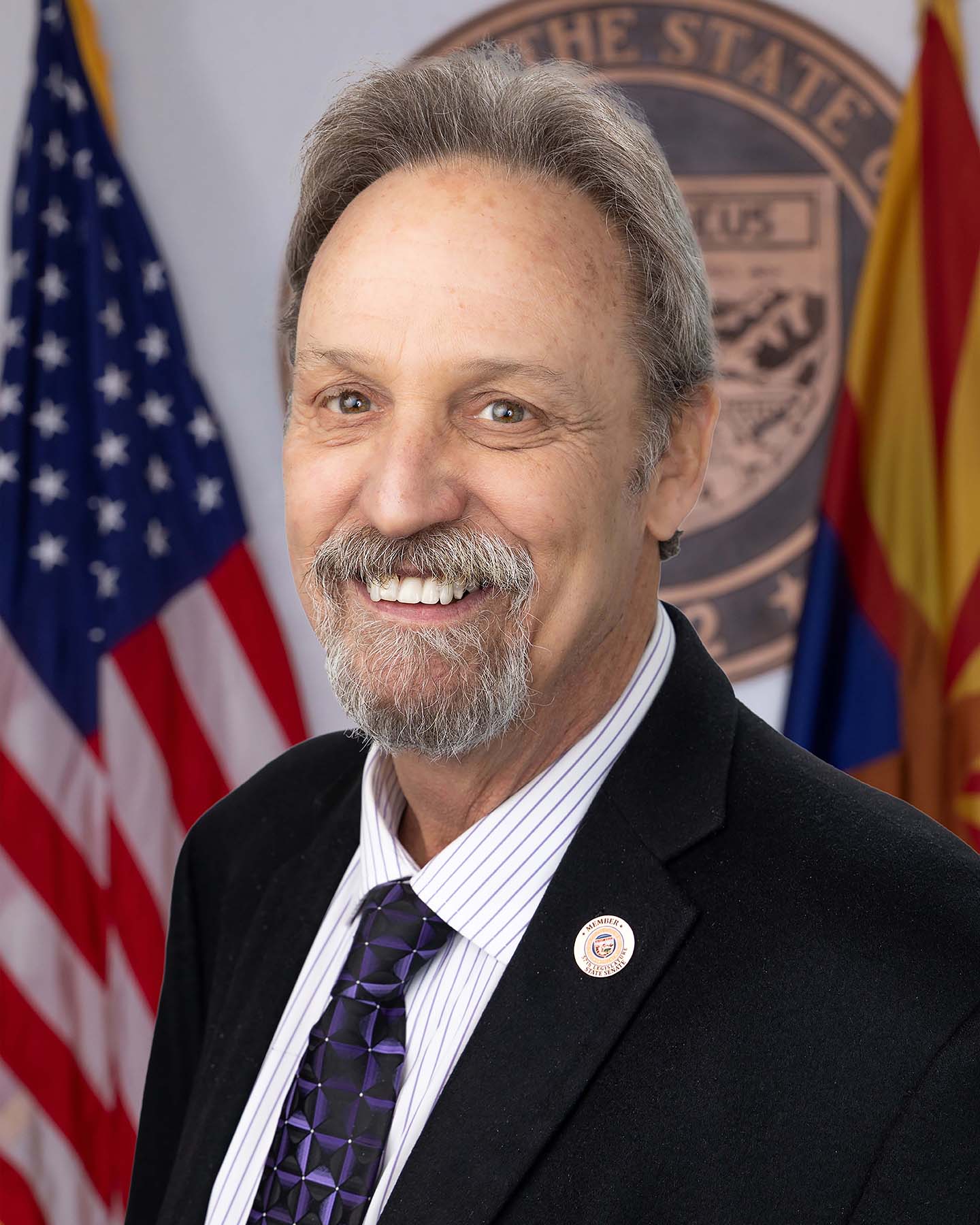
Kevin Payne
81% support rate
Top opponent
Michael Way
24% support rate
Ranked legislators
10
5 support · 5 oppose
Key legislators

Who's moving healthcare in Arizona

Legislators moving healthcare in Arizona
Legislator Party Stance Support rate Votes
Kevin Payne
Kevin Payne Senate · District 27
R
Strong +
81% 164
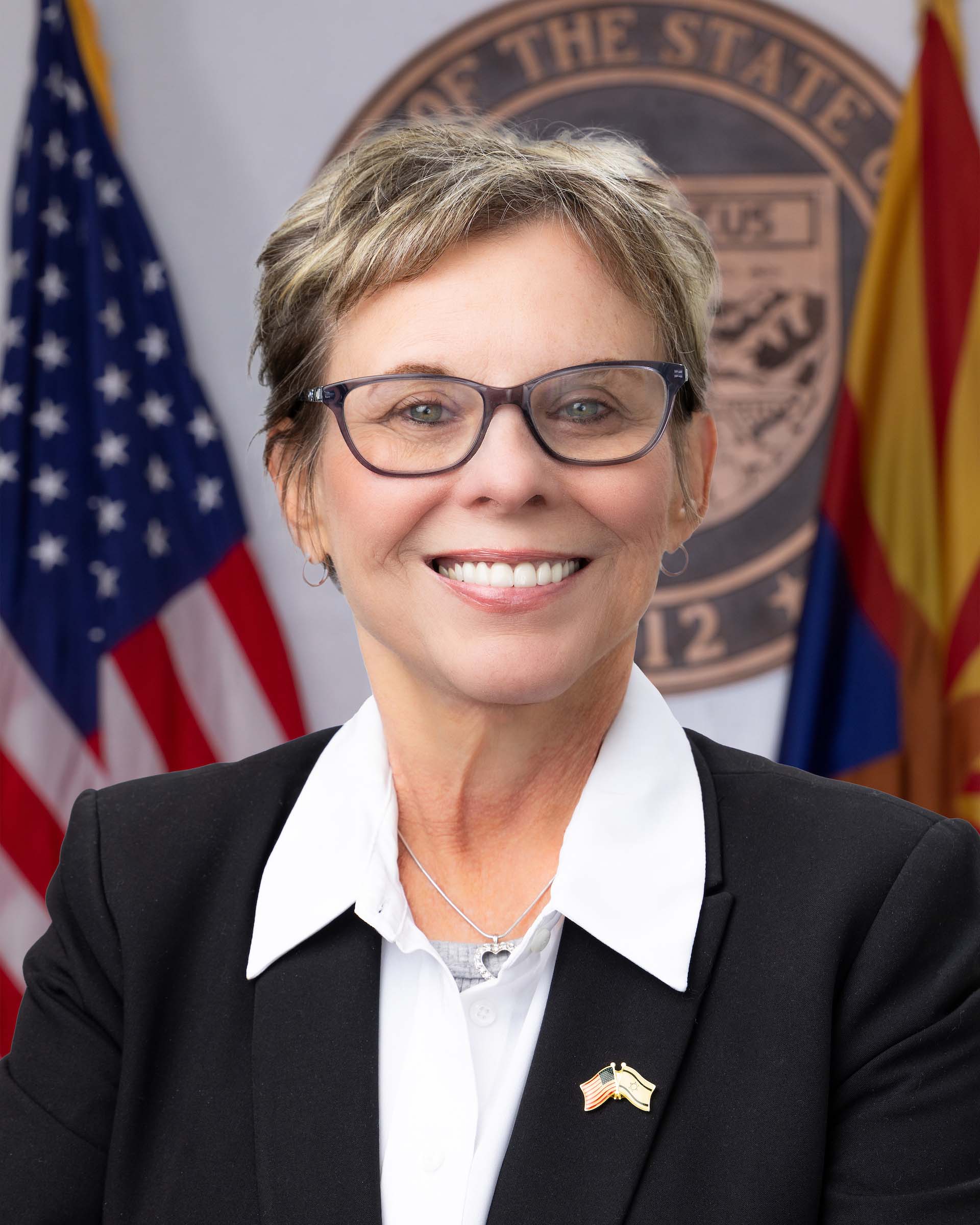
Hildy Angius
Hildy Angius Senate · District 30
R
Support
79% 178
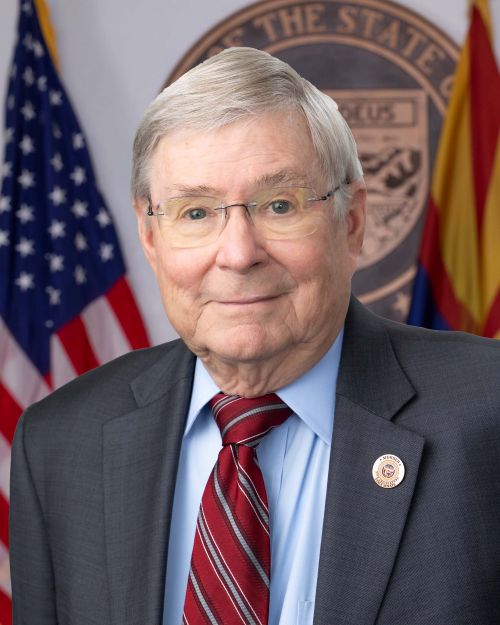
T.J. Shope
T.J. Shope Senate · District 16
R
Support
79% 179
Vince Leach
Vince Leach Senate · District 17
R
Support
79% 179
Tim Dunn
Tim Dunn Senate · District 25
R
Support
79% 179
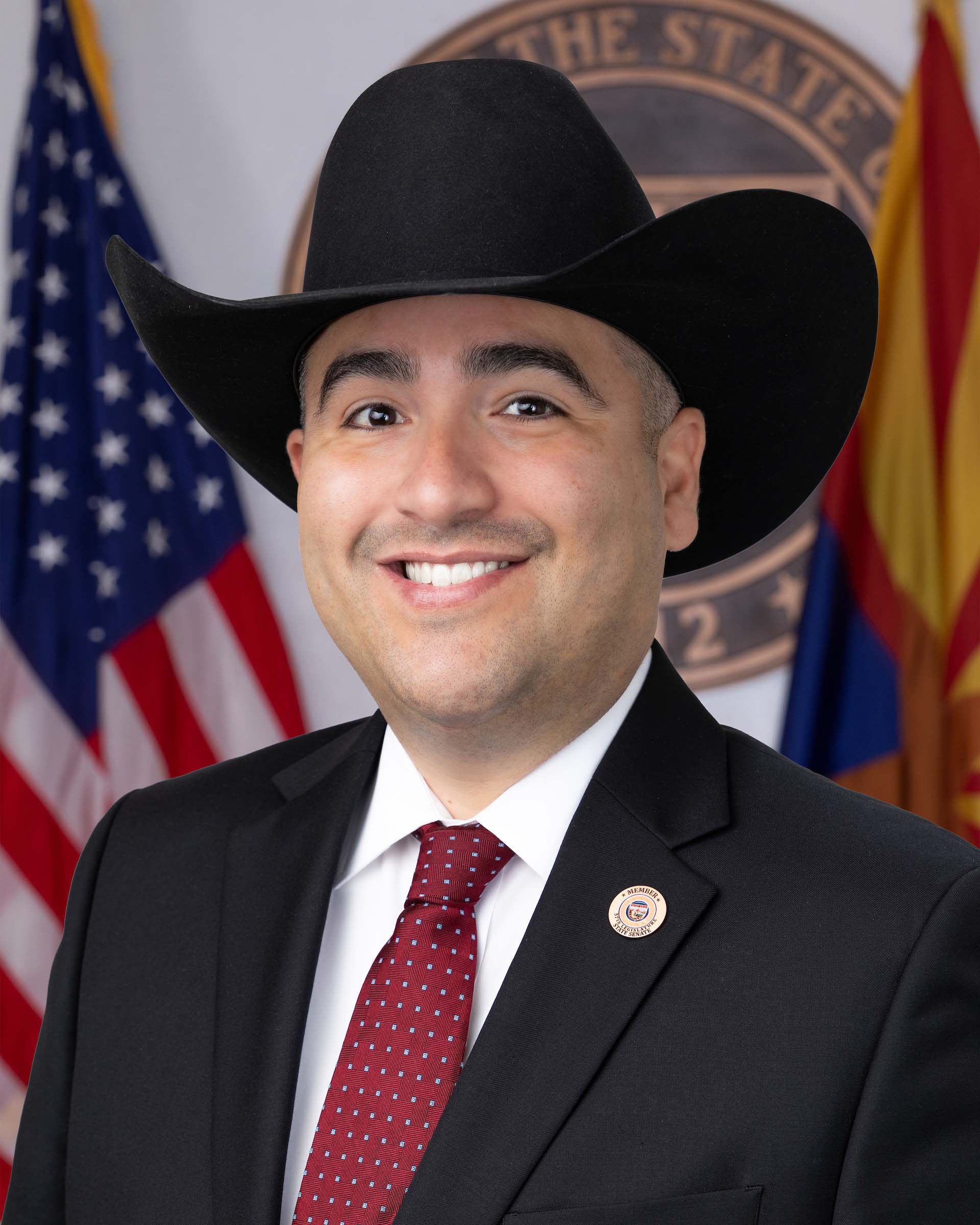
Michael Way
Michael Way House · District 15
R
Oppose
24% 223
Justin Olson
Justin Olson House · District 10
R
Oppose
27% 241
Khyl Powell
Khyl Powell House · District 14
R
Oppose
27% 241
Rachel Keshel
Rachel Keshel House · District 17
R
Oppose
28% 235
Alex Kolodin
Alex Kolodin House · District 3
R
Oppose
30% 238
Showing 11–20 of 298 bills

All healthcare bills

introduced · Arizona · Senate Feb 9, 2026

SB 1716: clozapine; access; monitoring modifications

This Arizona bill requires health insurers to cover clozapine medication for patients with psychiatric disorders without denying, discontinuing, or rationing it. Insurers must also provide access to alternative blood monitoring methods - like mobile services or in-home testing - upon patient request, without denying coverage based on cost or location. Patients can legally waive or modify routine blood tests after receiving risk counseling and written consent, and providers cannot withhold clozapine for this reason unless an immediate medical risk exists. The bill applies to both private health insurance and county jails/state prisons, ensuring consistent access for inmates prescribed clozapine.
introduced · Arizona · House Feb 12, 2026

HB 4099: child care; state lottery fund

HB 4099 redirects annual surpluses from Arizona's state lottery fund to specific state programs. It allocates $5 million yearly to the Department of Child Safety's Healthy Families Program (supporting child care and family services), $1 million to the federal Women, Infants, and Children (WIC) food program, and other fixed amounts for health education, teen pregnancy prevention, disease research, and homeless shelter grants. All funding amounts adjust annually based on GDP changes and are exempt from standard budget lapsing rules. The bill does not create new programs but modifies how existing lottery funds are distributed.
Sub-Topics Homelessness
introduced · Arizona · Senate Feb 9, 2026

SB 1714: pricing; emergency; enforcement; attorney general

This bill prohibits price gouging on essential goods and services during a declared state of emergency in Arizona. It makes it unlawful to sell items like food, water, electricity, medical supplies, or rent at prices 10% higher than the highest price charged 30 days before the emergency was declared. Violations are classified as felonies: selling for $500+ in 24 hours is a class 5 felony, while smaller amounts are class 6 felonies. The attorney general enforces these rules under existing consumer protection laws. The bill directly affects businesses selling essential items during emergencies.
Sub-Topics Renters
introduced · Arizona · Senate Feb 9, 2026

SB 1765: event wagering; problem gambling fund

SB 1765 redirects specific portions of Arizona's state lottery fund to support problem gambling initiatives. It allocates $1.3 million annually to the existing problem gambling fund (established under §5-1318.01) and an additional $1.3 million to the Department of Gaming's division for problem gambling treatment, prevention, and education programs. These funds come from the lottery revenue after covering bond debt service and other mandatory expenses, with allocations adjusted yearly for inflation and exempt from standard appropriation lapsing rules. The bill does not regulate gambling but uses existing lottery revenue to directly fund services for individuals affected by problem gambling.
introduced · Arizona · House Feb 11, 2026

HB 4047: medical spas; licensure; regulation

HB 4047 establishes new licensing and regulatory requirements for medical spas in Arizona that provide medical or cosmetic services involving prescription medications. It requires these facilities to obtain a license, maintain a public database of licensed spas and their responsible licensed health care providers, and report serious adverse events (like life-threatening reactions or hospitalizations) to the board within five business days. The bill also mandates secure storage of prescription medications, prohibits deceptive marketing claims about medications, and gives the board authority to inspect facilities and enforce rules. This directly affects medical spas using prescription drugs, not regular spas or facilities already licensed under other statutes.
Sub-Topics Medical Licensing
passed · Arizona · Senate Mar 16, 2026

SB 1813: state hospital; governing board

SB 1813 amends Arizona law to clarify the purpose and operations of the Arizona State Hospital. It requires the hospital to admit patients based solely on clinical need (not county residency) for treatment of mental health conditions, and allows services for alcoholism/drug abuse if funded by the legislature. Key provisions include mandating specific facilities like occupational therapy spaces, child care units, dental services, and a patient tracking system to monitor treatment progress. The hospital will remain under the director of the Department of Health Services. This bill directly affects patients receiving inpatient mental health care and hospital staff.
introduced · Arizona · Senate Feb 9, 2026

SB 1769: adult immunizations; reporting requirements

SB 1769 requires licensed healthcare providers in Arizona to report specific adult immunization data to the state health department, directly affecting providers who administer vaccines to adults. Key provisions mandate reporting the adult patient's name, address, Social Security number (if not confidential), date of birth, vaccine type, and administration date, with submissions possible weekly or monthly. The bill strictly limits data sharing, allowing access only to authorized entities like healthcare providers, schools, or patients themselves via a signed confidentiality request form, and prohibits unauthorized disclosure. It includes confidentiality protections for the data and establishes penalties for noncompliance or improper sharing. This policy change creates a standardized reporting system for adult vaccination records while prioritizing patient privacy.
Sub-Topics Public Health
introduced · Arizona · House Feb 10, 2026

HB 4012: special needs patients; health facilities

HB 4012 (Cito's Law) requires Arizona health care facilities to provide enhanced diagnostic evaluations and specialized care for nonverbal patients and those with disabilities affecting communication. It mandates evidence-based pain assessment tools, annual staff training on atypical symptoms and communication strategies, and access to patient advocates for these patients. Facilities must document diagnostic decisions, caregiver input, and deviations from protocols, and submit annual compliance reports to the Department of Health Services. The law directly affects hospitals, urgent care centers, and their staff, aiming to improve care coordination and communication for vulnerable patients.
introduced · Arizona · Senate Feb 9, 2026

SB 1797: essential drugs; price increases; limits.

SB 1797 prohibits manufacturers and distributors from engaging in "price gouging" on specific essential off-patent or generic drugs, defined as drugs without patent protection, listed by WHO or the U.S. as essential, and sold by few manufacturers. It directly affects drug companies selling these medications in Arizona, requiring them to justify price increases exceeding 50% within a year or exceeding $80 for basic treatment (e.g., 30-day supply). The state’s Medicaid program can trigger investigations for such increases, prompting manufacturers to submit cost breakdowns within 45 days. If violations are confirmed, the attorney general can seek court orders for restitution, injunctions, or civil penalties up to $10,000 per violation. The bill focuses on transparency and accountability for price hikes impacting affordability, not on altering drug approval or insurance coverage.
introduced · Arizona · House Feb 11, 2026

HB 4055: appropriation; veterans' services; mental health

HB 4055 allocates $10 million from Arizona's state general fund for fiscal year 2026-2027 to provide mental health counseling grants specifically for veterans with post-traumatic stress disorder (PTSD) in the state. Of this amount, $3 million must be distributed directly to federally recognized tribal nations within Arizona to support tribal veterans with PTSD seeking mental health services. The bill targets veterans who need counseling by funding direct grants through the Department of Veterans' Services. This is a funding measure focused on expanding access to mental health care for affected veterans, with a dedicated allocation for tribal veterans' programs.
Showing 11 to 20 of 298 bills