Issue · Healthcare

Healthcare

Every healthcare bill, vote, and legislator stance in Arizona, automatically classified by Maddy, our AI policy reader.

Total bills
298
57th Legislature - Second Regular Session
Top supporter
Kevin Payne
81% support rate
Top opponent
Michael Way
24% support rate
Ranked legislators
10
5 support · 5 oppose
Key legislators

Who's moving healthcare in Arizona

Legislators moving healthcare in Arizona
Legislator Party Stance Support rate Votes
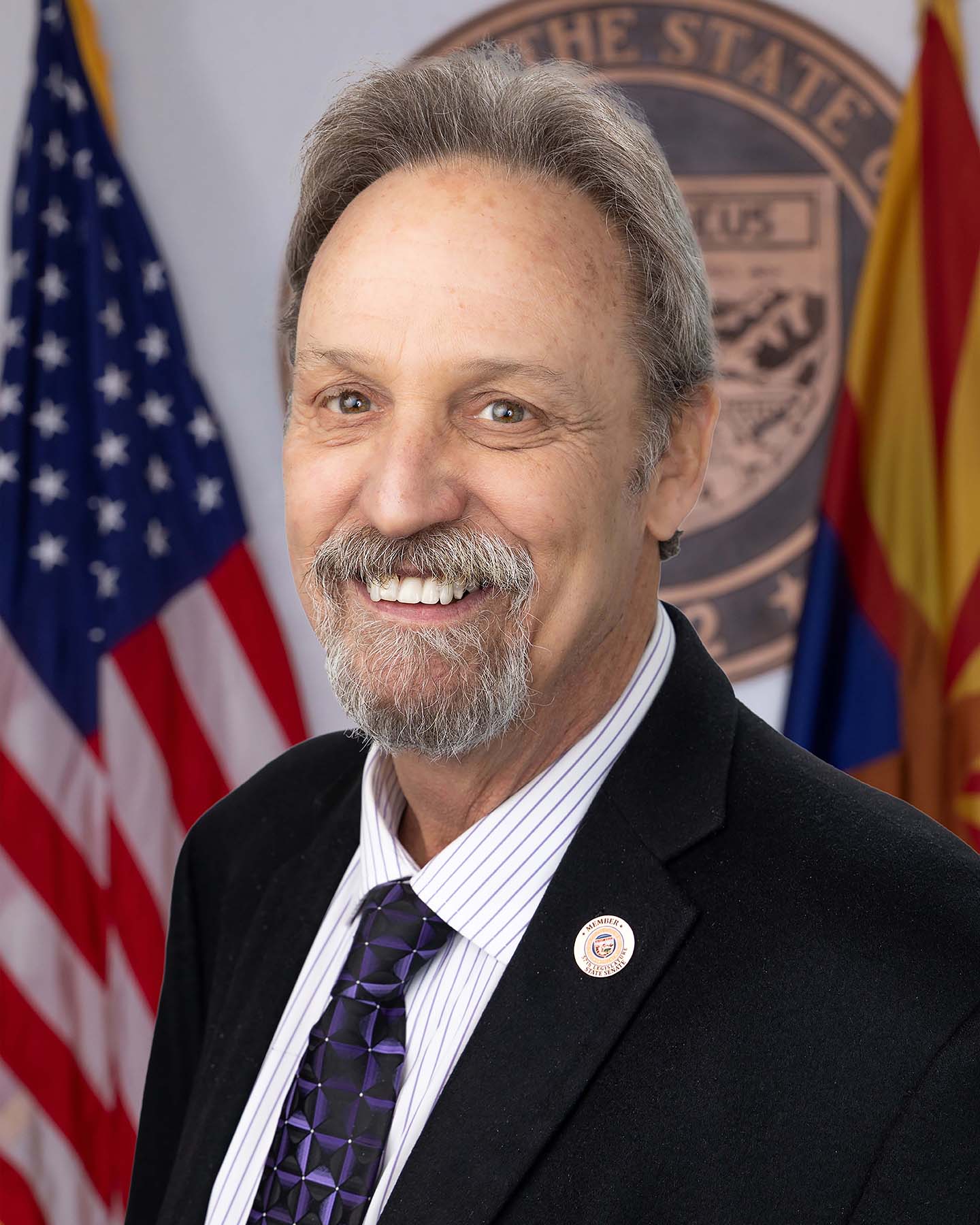
Kevin Payne
Kevin Payne Senate · District 27
R
Strong +
81% 164
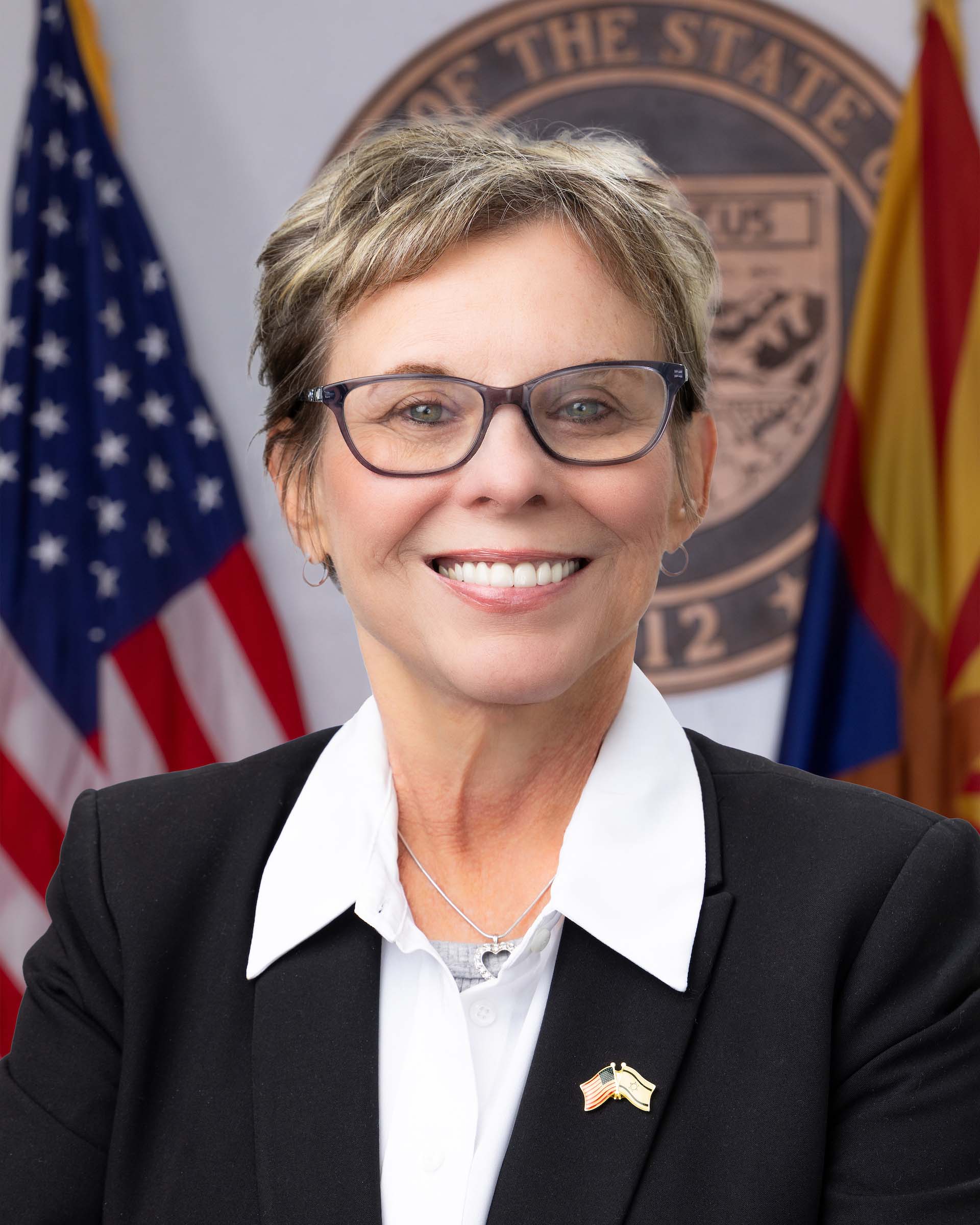
Hildy Angius
Hildy Angius Senate · District 30
R
Support
79% 178
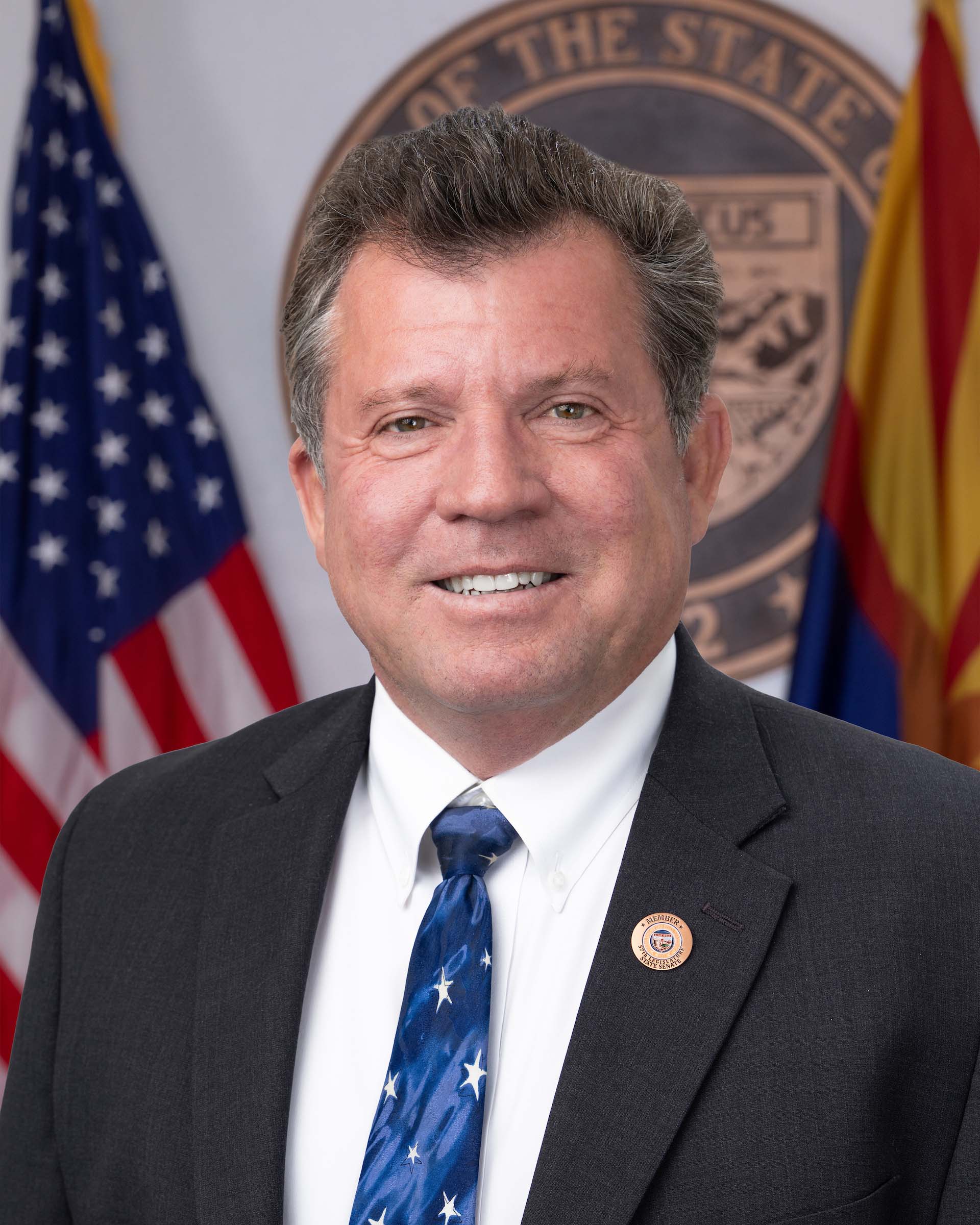
T.J. Shope
T.J. Shope Senate · District 16
R
Support
79% 179
Vince Leach
Vince Leach Senate · District 17
R
Support
79% 179
Tim Dunn
Tim Dunn Senate · District 25
R
Support
79% 179
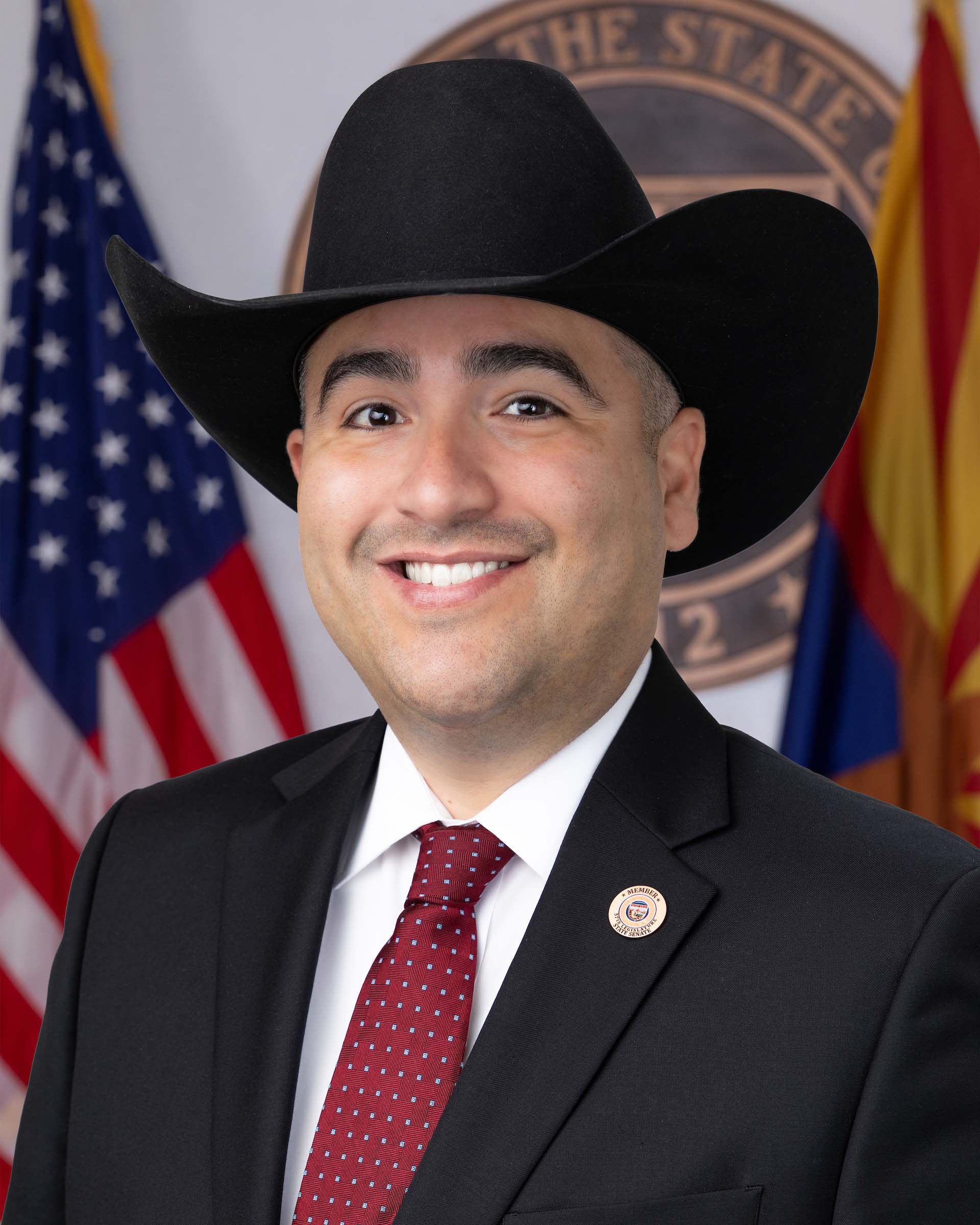
Michael Way
Michael Way House · District 15
R
Oppose
24% 223
Justin Olson
Justin Olson House · District 10
R
Oppose
27% 241
Khyl Powell
Khyl Powell House · District 14
R
Oppose
27% 241
Rachel Keshel
Rachel Keshel House · District 17
R
Oppose
28% 235
Alex Kolodin
Alex Kolodin House · District 3
R
Oppose
30% 238
Showing 21–30 of 298 bills

All healthcare bills

introduced · Arizona · House Feb 12, 2026

HB 4124: health insurance; pharmacy; reimbursement rates

HB 4124 requires pharmacy benefit managers (PBMs) in Arizona to reimburse local pharmacies at or above the actual acquisition cost of drugs, not below. It mandates PBMs to use specific reimbursement formulas based on national drug pricing averages, limits claim payment errors to a 2% rate, and creates a 15-day appeal process for pharmacies to challenge underpayments. The bill directly affects community pharmacies (with fewer than 10 locations) and PBMs by ensuring fair reimbursement, requiring transparent rebate disclosures, and obligating PBMs to pass manufacturer rebates to health plans for lower costs or broader coverage. Key provisions include standardized payment calculations, mandatory error correction, and annual compliance certifications to the state department.
introduced · Arizona · House Feb 17, 2026

HB 4054: veterans' reinvestment fund; appropriation

HB 4054 establishes Arizona's Veterans' Reinvestment Fund to provide dedicated funding for veteran services. It appropriates $51.8 million from the state general fund for fiscal year 2026-2027 (plus 31 full-time positions) to be managed by the state treasurer in consultation with the Department of Veterans' Services. Each year, 50% of the fund's monies must be distributed to the department for programs supporting veterans in five key areas: education/training, jobs/economic opportunities, health/wellness, mental health/substance abuse services, and housing. The fund's resources are exempt from standard appropriation lapsing rules, ensuring consistent annual funding.
signed · Arizona · Senate Jun 19, 2026

SB 1814: substance use disorder treatment; committee

SB 1814 establishes a temporary study committee to examine Arizona's substance use disorder treatment system. The committee, composed of legislators, health officials, clinicians, and individuals with lived experience, will study treatment availability, gaps in care, regulatory loopholes, and workforce needs. It must report by December 31, 2027, with recommendations for evidence-based standards, oversight reforms, and funding strategies. The committee expires on June 30, 2028, and does not enact new laws.
Sub-Topics Substance Abuse
introduced · Arizona · Senate Feb 10, 2026

SB 1681: medical marijuana; registration certificates

SB 1681 creates a new pathway for Arizona marijuana establishments (that aren't already dual licensees) to obtain nonprofit medical marijuana dispensary registration certificates. It allows qualifying businesses to apply starting August 1, 2026, with certificates issued before October 1, 2026, enabling them to operate both medical and recreational sales at the same location. The bill restricts these "dual licensees" from opening additional off-site cultivation or manufacturing facilities. This change directly affects existing marijuana businesses seeking to expand their medical services under nonprofit status, with implementation dependent on a three-fourths legislative vote.
failed · Arizona · House Feb 18, 2026

HB 4036: bulk drug substances; prohibitions

HB 4036 regulates the use of specific bulk drug substances in compounded medications, primarily targeting drugs for obesity or weight management. It requires compounders to use only pharmaceutical-grade bulk substances meeting U.S. Pharmacopeia standards, conduct rigorous quality testing, verify supplier compliance with FDA registration, and maintain detailed records for two years. The bill also mandates truthful advertising disclosures, including clear statements that compounded medications are not FDA-approved. These provisions directly affect pharmacies and compounding facilities that create custom medications, with violations subject to $1,000 per dose penalties or license suspension.
introduced · Arizona · Senate Jun 12, 2026

SB 1710: pharmacy benefits; patient steering; prohibition

This Arizona bill prohibits pharmacy benefit managers (PBMs) from steering patients to use their affiliated pharmacies through tactics like data mining, financial incentives, or retaliation. It bans PBMs from offering different copays, rewards, or penalties to influence patients toward their partner pharmacies and requires transparency about rebates and fees. PBMs must annually report detailed data on rebates, administrative fees, and pharmacy reimbursements to the state department. The law directly affects PBMs, patients who may face steering, and competing pharmacies seeking prescriptions.
Sub-Topics Prescription Drugs
introduced · Arizona · House Jun 13, 2026

HB 4080: artificial intelligence; nursing tasks; pilot

Arizona's HB 4080 establishes a two-year pilot program within the Department of Health Services to test artificial intelligence tools that perform nursing-support tasks (like scheduling or data analysis) in clinical settings, not patient assessment or treatment. The bill requires AI vendors to apply with detailed safety plans - including human oversight protocols, escalation procedures for errors, and documentation systems - to ensure patient privacy and safety. An advisory committee, including nursing professionals, will review applications, recommend up to five vendors for the pilot, and monitor safety, with final reports due by 2029. The program expires December 31, 2029, and directly affects AI technology vendors, healthcare facilities participating in the pilot, and the nursing workforce by testing AI integration within current practice standards.
introduced · Arizona · House Feb 10, 2026

HB 4021: appropriation; medical marijuana; veterans; fees

HB 4021 allocates $10 million from Arizona's state general fund for fiscal year 2026-2027 to the Department of Health Services. This funding specifically covers the issuance and renewal of medical marijuana registry identification cards for veterans of the U.S. armed forces. The bill directly affects eligible Arizona veterans who use medical marijuana and are registered under Arizona law. The appropriation is exempt from standard budget lapse rules, ensuring the funds remain available for this purpose. This is a funding measure, not a policy change to medical marijuana or veteran benefits.
introduced · Arizona · House Feb 10, 2026

HB 2980: home; community-based services; mental illness.

HB 2980 establishes a new Arizona program providing home and community-based services (HCBS) for adults with serious mental illness who require intensive support to avoid institutional care. It directly affects individuals determined to be "seriously mentally ill" under state criteria (e.g., those needing complex medication management, safety monitoring, or structured community supports like assisted living), with eligibility based on clinical need (e.g., recent hospitalizations, homelessness, or medication risks) and income limits (under 300% of federal SSI rate, or using a qualified income trust). Key provisions require the state to request federal Medicaid approval by July 2027 to implement the program, which will cover services like medication administration, behavioral health day care, supervised living supports, and nonemergency transportation. The bill mandates stakeholder input from providers, families, and tribal nations during design and requires quarterly updates to legislators until implementation. This program aims to replace institutional placements with community-based care, pending federal approval.
passed · Arizona · Senate Mar 10, 2026

SB 1678: health facilities; group homes; resident information

SB 1678 requires assisted living centers and homes in Arizona to provide emergency responders with a standardized written document when contacting them for a resident. This document must include critical information like the resident's medications, allergies, primary care physician details, health conditions, pharmacy contact, health insurance authorization, and advance directives. The bill also mandates that hospitals coordinate with receiving assisted living facilities by providing detailed discharge plans, including medical assessments, medication instructions, and follow-up care recommendations. These provisions directly affect assisted living facilities, emergency responders, hospitals, and residents by standardizing communication during medical emergencies and patient transfers. The goal is to improve care coordination and safety during transitions between facilities and emergency services.
Showing 21 to 30 of 298 bills
Previous 1 2 3 4 30 Next