Issue · Healthcare

Healthcare

Every healthcare bill, vote, and legislator stance in Arizona, automatically classified by Maddy, our AI policy reader.

Total bills
298
57th Legislature - Second Regular Session
Top supporter
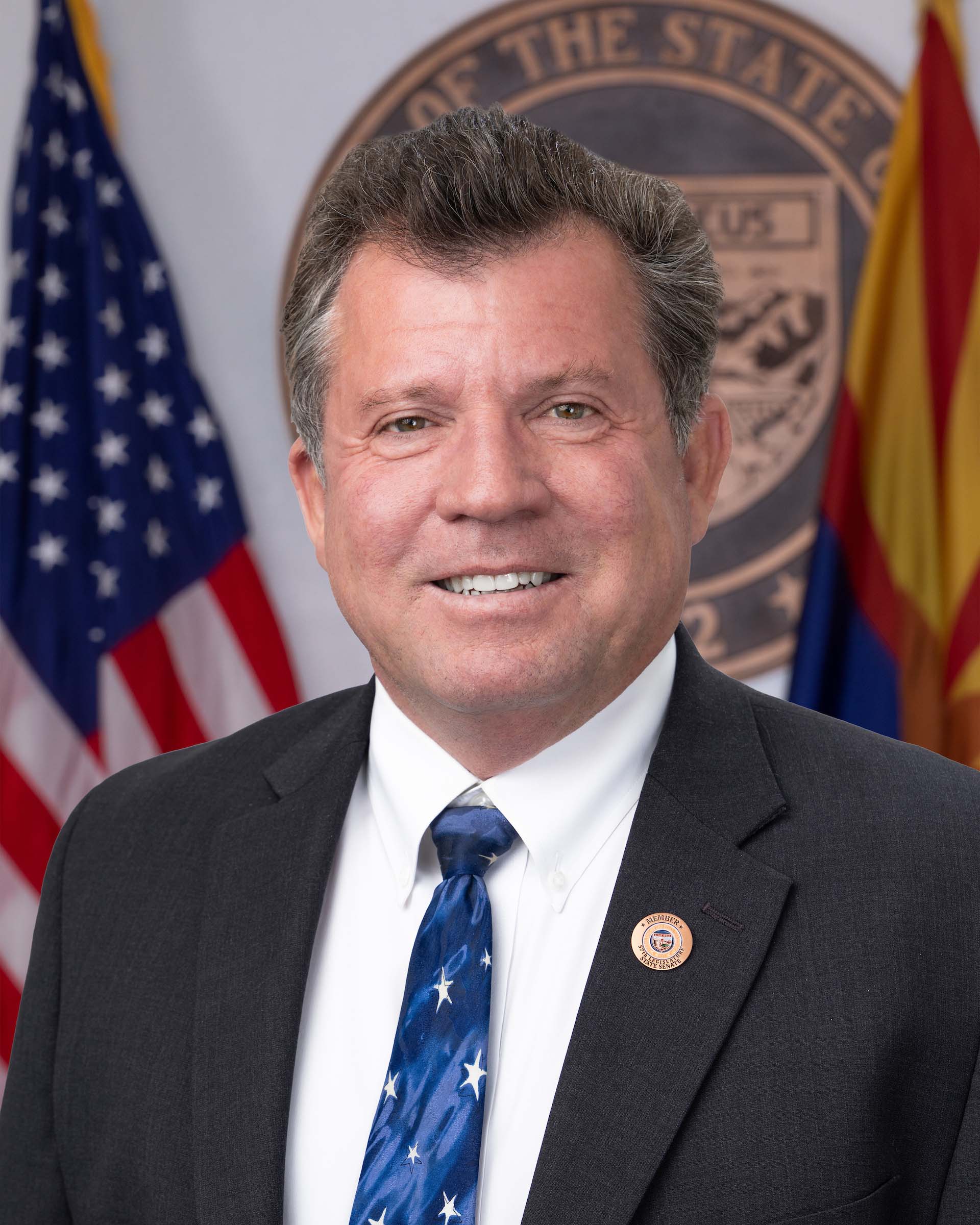
Kevin Payne
81% support rate
Top opponent
Michael Way
24% support rate
Ranked legislators
10
5 support · 5 oppose
Key legislators

Who's moving healthcare in Arizona

Legislators moving healthcare in Arizona
Legislator Party Stance Support rate Votes
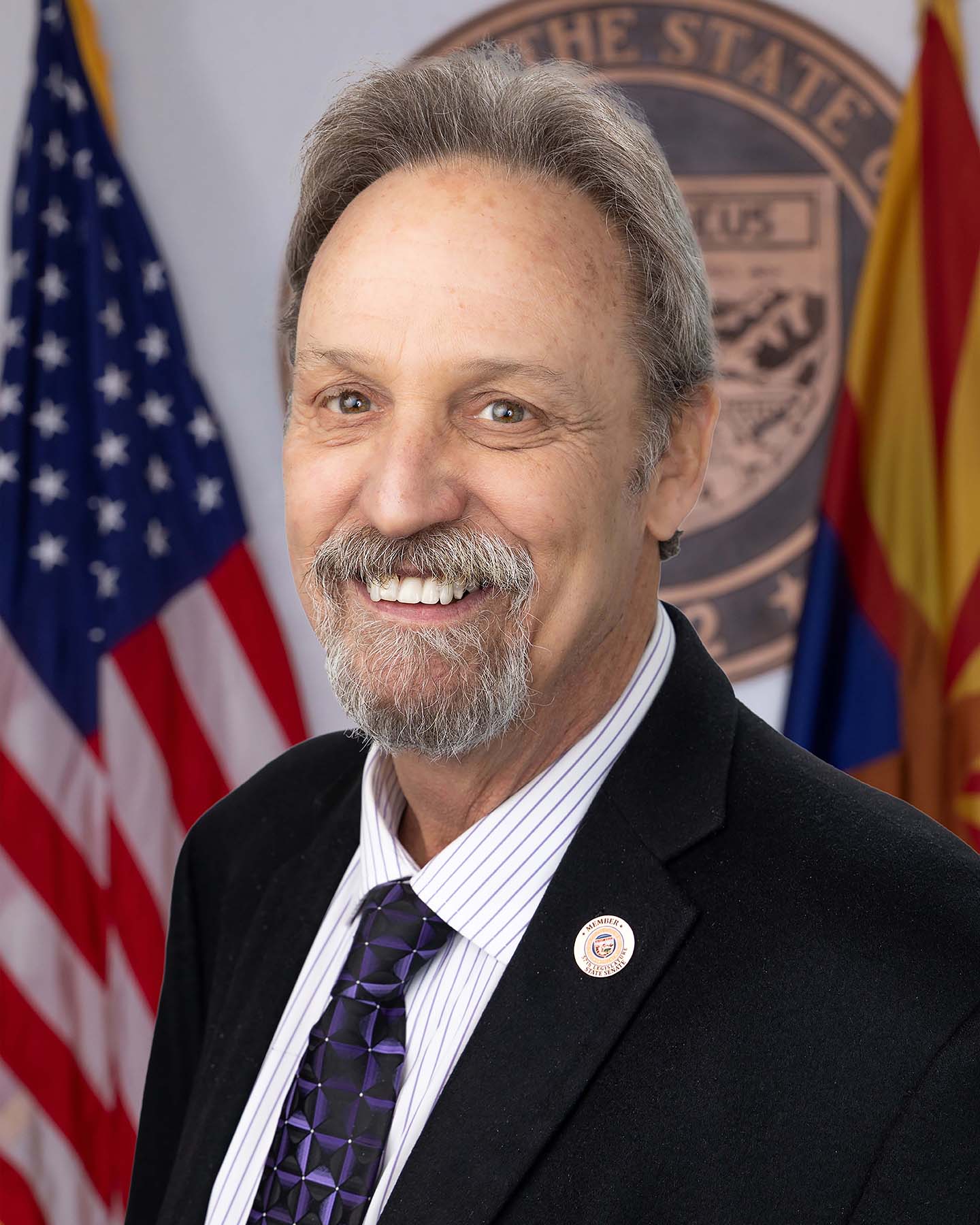
Kevin Payne
Kevin Payne Senate · District 27
R
Strong +
81% 164
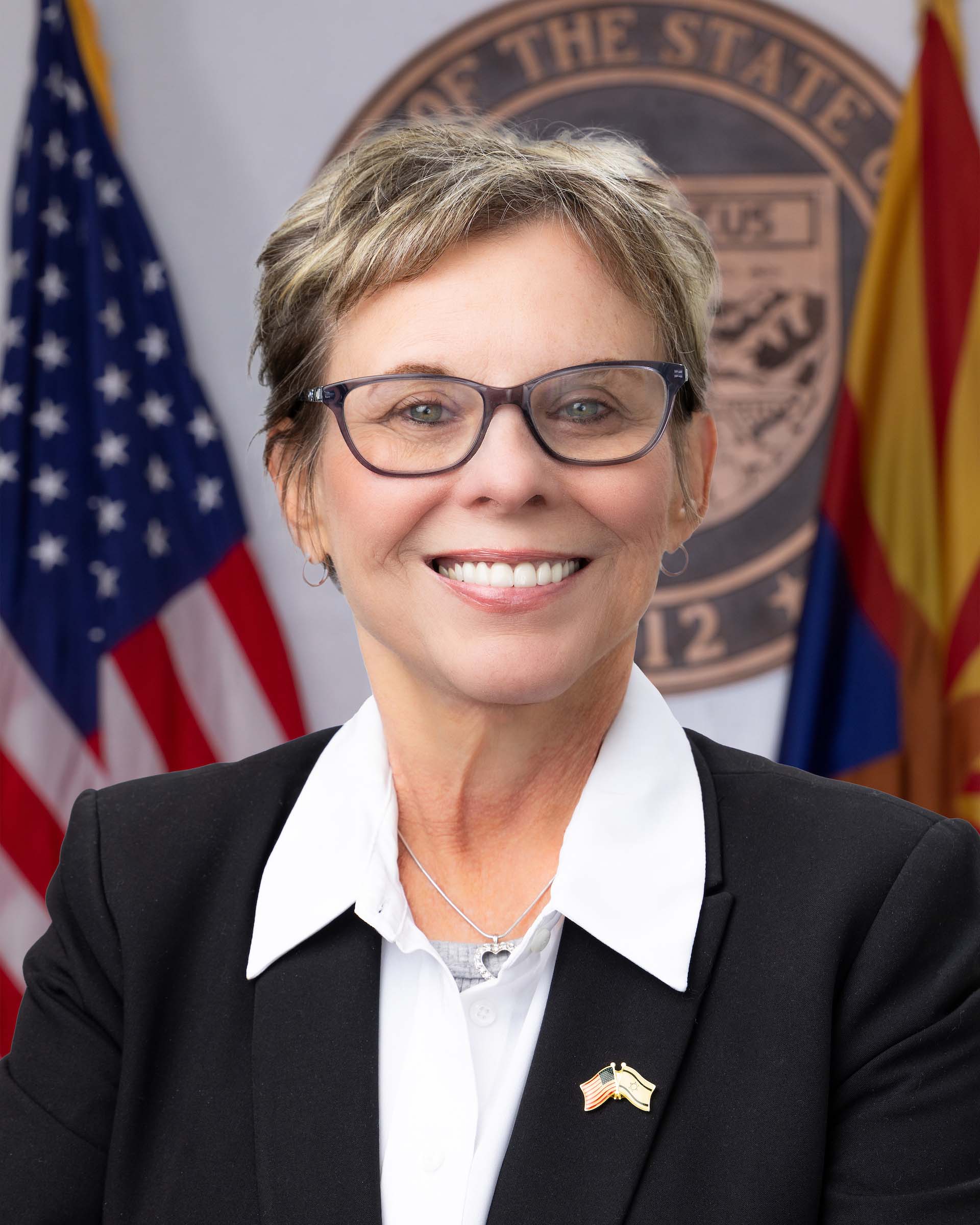
Hildy Angius
Hildy Angius Senate · District 30
R
Support
79% 178
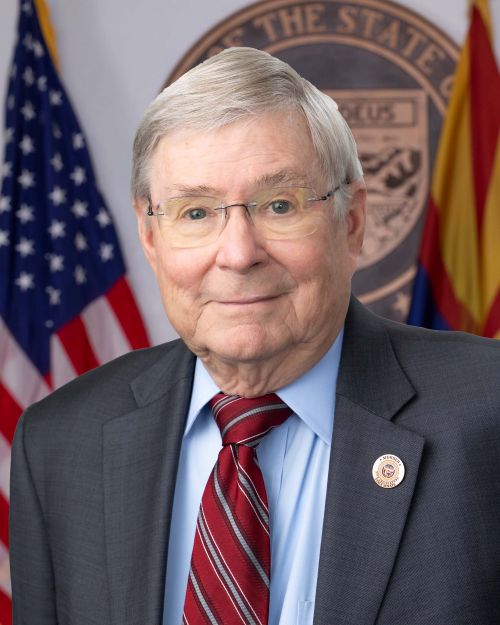
T.J. Shope
T.J. Shope Senate · District 16
R
Support
79% 179
Vince Leach
Vince Leach Senate · District 17
R
Support
79% 179
Tim Dunn
Tim Dunn Senate · District 25
R
Support
79% 179
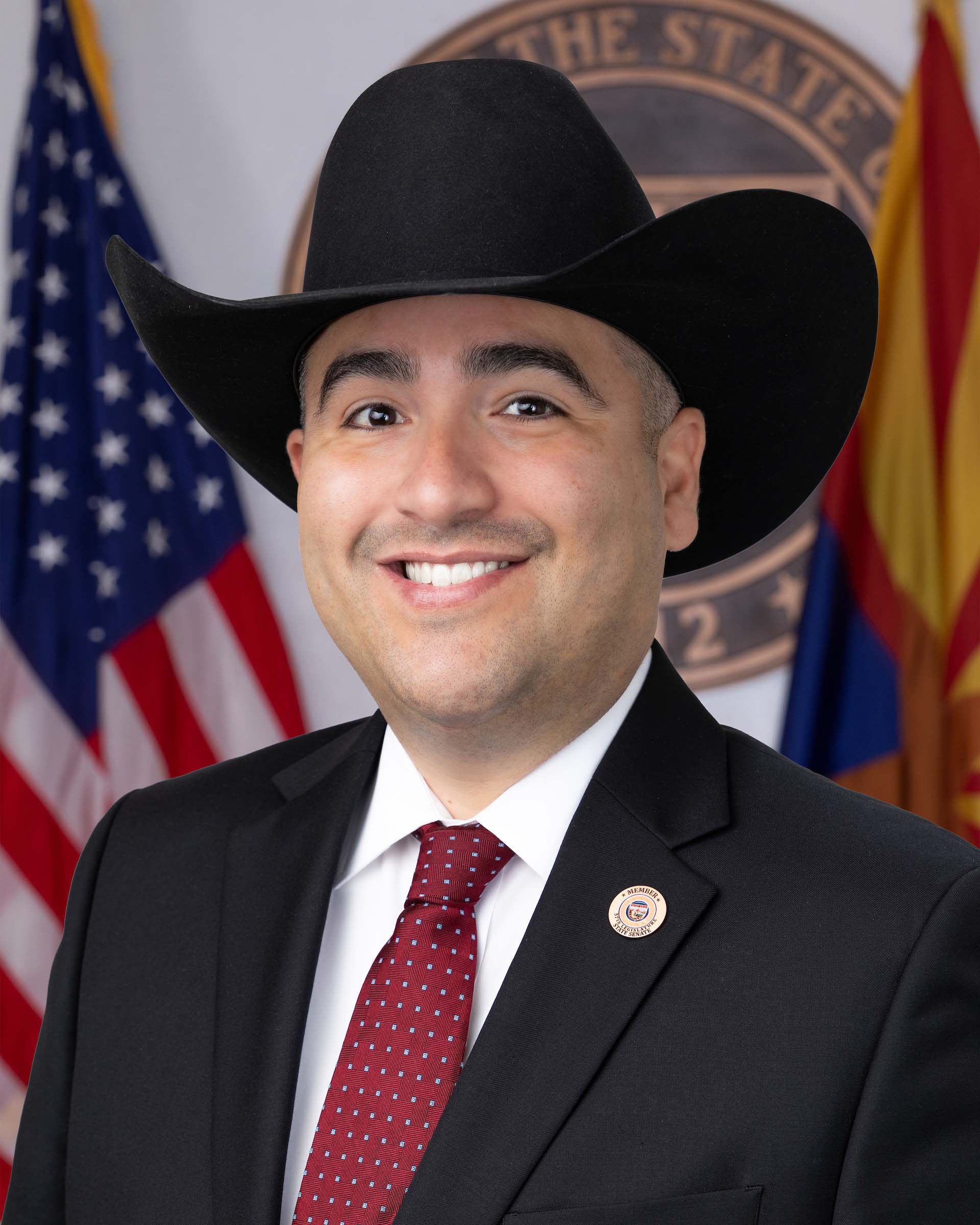
Michael Way
Michael Way House · District 15
R
Oppose
24% 223
Justin Olson
Justin Olson House · District 10
R
Oppose
27% 241
Khyl Powell
Khyl Powell House · District 14
R
Oppose
27% 241
Rachel Keshel
Rachel Keshel House · District 17
R
Oppose
28% 235
Alex Kolodin
Alex Kolodin House · District 3
R
Oppose
30% 238
Showing 171–180 of 298 bills

All healthcare bills

introduced · Arizona · Senate Jan 21, 2026

SB 1228: health insurers; provisional provider credentialing

SB 1228 requires Arizona health insurers to grant provisional credentialing to eligible healthcare providers starting when they receive a complete application. Providers must be state-licensed, already credentialed by a healthcare institution or verification organization, and part of a group with an existing insurer contract. During the 60-day provisional period, insurers must pay claims at the group practice's contracted rates. If credentialing is denied, insurers aren't liable for claims provided during provisional status (except for fraud), and the law applies to applications submitted after December 31, 2026.
introduced · Arizona · House Jan 21, 2026

HB 2529: prisoners; medical treatment; pregnancy; requirements

HB 2529 requires Arizona prisons to provide free medical care to pregnant inmates, exempting them from fees for medical visits, prescriptions, and medical devices under Section 1(I)(5) of the bill. This directly affects pregnant individuals incarcerated in Arizona state facilities, ensuring they cannot be denied treatment or charged for care related to pregnancy. The bill also mandates that prisons honor a prisoner’s refusal of non-life-threatening treatment after documenting consequences (Section 31-202), while prohibiting denial of care due to inability to pay (Section 1(J)). These provisions specifically address pregnancy-related healthcare access and financial barriers within correctional medical services.
signed · Arizona · House Feb 20, 2026

HB 2190: physician assistants; licensure compact

HB 2190 creates Arizona's participation in a physician assistant (PA) licensure compact, allowing PAs licensed in Arizona to practice across state lines in other participating states without obtaining separate licenses. It directly affects PAs (especially military families who relocate) and patients seeking care from PAs in multiple states. The key mechanism is "compact privilege," which grants PAs the right to practice in a "remote state" (where the patient is located) under that state's laws, while requiring PAs to follow the rules of the patient's location. Arizona's licensing board retains authority to take disciplinary action against PAs practicing under the compact, and the bill mandates mutual recognition of licenses, criminal background checks, and reporting of adverse actions to a shared data system.
Sub-Topics Medical Licensing
signed · Arizona · Senate Jun 19, 2026

SB 1493: disciplinary action; appeal; superior court

SB 1493 amends Arizona law governing payroll deductions for state employees, specifying which deductions are permitted and setting conditions for certain types. It authorizes deductions for health insurance, credit union shares, dues to qualified employee associations (requiring minimum membership levels), and charitable contributions - while prohibiting deductions for organizations providing nonfederally qualified abortions. The bill requires the state to track administrative time spent on processing these deductions and sets membership thresholds for associations to qualify for payroll deduction. It also mandates that the state cover all costs of processing deductions without additional funding or fees to employees.
introduced · Arizona · House Jan 13, 2026

HB 2152: TPT; exemption; fencing; watering; materials

HB 2152 amends Arizona's retail tax code to add new exemptions from state sales tax. It specifically removes sales tax on medical items like insulin, prescription eyewear, prosthetics, durable medical equipment (e.g., wheelchairs), and hearing aids. The bill also exempts food purchased with SNAP benefits, school meals, textbooks, and certain business services. These changes directly affect retailers selling these items, healthcare providers, schools, and food assistance programs by reducing taxable sales. The policy updates the existing tax code without altering broader tax structures.
introduced · Arizona · Senate Feb 3, 2026

SB 1371: commerce authority; qualified facility; definition

SB 1371 creates a new income tax credit program in Arizona for businesses expanding or locating "qualified facilities" (like manufacturing plants) within the state. To qualify, businesses must make new capital investments, create jobs paying at least 125% of the median wage (100% in rural areas), and provide health insurance covering 65% of premiums. The credit equals 10% of qualifying investments, paid as $200,000-$300,000 per new job over five years, with annual limits of $125 million total and $30 million per business. This directly affects qualifying businesses seeking tax incentives for facility investments and job creation in Arizona.
introduced · Arizona · House Jan 26, 2026

HB 2840: schools; nutrition education; physical activity

HB 2840 requires Arizona public schools and charter schools to provide annual nutrition education for all students from kindergarten through 12th grade. This includes teaching practical healthy eating habits, scientific evidence on diet/exercise, disease prevention, and meal planning skills, with a focus on nutrient-dense foods and the impacts of ultraprocessed foods. The bill also mandates 30 minutes of daily physical activity for all students, allowing options like physical education classes, scheduled breaks, or active classroom time, while permitting medical exemptions. These requirements directly affect all Arizona K-12 schools and their students, aiming to integrate health education into daily school routines.
passed · Arizona · Senate Mar 16, 2026

SB 1114: appropriation; behavioral health patient brokering

SB 1114 appropriates $1,000,000 from Arizona's state general fund for fiscal year 2026-2027 to the Maricopa County Attorney's Office. The funds are specifically designated for investigations into "behavioral health patient brokering," an unethical practice where individuals or entities refer patients to treatment facilities for financial gain. This bill directly affects Maricopa County (which includes Phoenix) by providing resources to investigate these practices, without creating new regulations or altering existing laws. The appropriation is a one-time funding measure focused solely on enabling law enforcement investigations.
signed · Arizona · Senate Jun 22, 2026

SB 1399: prepaid capitated contractors; cost reports

SB 1399 requires health plans with fixed-fee contracts (prepaid capitated contracts) with Arizona's healthcare administration to submit annual reports by December 1. These reports must detail the percentage of contract funds spent on direct patient care versus administrative costs, broken down by specific categories. The reports are submitted to the joint legislative budget committee, governor, and relevant health committees. This bill mandates transparency about how funds are allocated, directly affecting health plans operating under these contracts. It does not change funding levels or healthcare services, only requiring standardized financial reporting.
introduced · Arizona · Senate Feb 4, 2026

SB 1607: consumer assistance; health insurance claims

SB 1607 establishes Arizona's Health Care Claims Consumer Assistance Program within the Department of Insurance to help residents navigate insurance disputes. The bill requires insurers to pay double the amount of wrongfully denied claims (plus attorney fees) and imposes civil penalties of at least $25,000 per violation for repeated denials. Insurers must report denial data to the department, and the department will publicly post annual reports detailing denial rates and outcomes for each insurer. These provisions directly affect Arizona consumers with health insurance and health insurers operating in the state, aiming to increase transparency and accountability.
Sub-Topics Insurance
Showing 171 to 180 of 298 bills
Previous 1 17 18 19 30 Next