SB 1493 Arizona Senate · 57th Legislature - Second Regular Session

disciplinary action; appeal; superior court

SB 1493 amends Arizona law governing payroll deductions for state employees, specifying which deductions are permitted and setting conditions for certain types. It authorizes deductions for health insurance, credit union shares, dues to qualified employee associations (requiring minimum membership levels), and charitable contributions - while prohibiting deductions for organizations providing nonfederally qualified abortions. The bill requires the state to track administrative time spent on processing these deductions and sets membership thresholds for associations to qualify for payroll deduction. It also mandates that the state cover all costs of processing deductions without additional funding or fees to employees.
Bill status signed all 5 stages cleared
Introduction
Feb 2026
Committee Review
Senate Passage
Jun 2026
House Passage
Apr 2026
Signed into Law
Jun 2026
Introduced Feb 2, 2026 Signed Jun 19, 2026
Maddy AI version diff · 3 comparisons

What changed between versions

Senate Engrossed Version (02/26/2026) Chaptered Version · 8 edits
MODERATE
This bill amends Arizona statutes regarding law enforcement terminations and payroll deductions. It significantly expands the rights of law enforcement officers facing disciplinary action by mandating specific disclosure of evidence, allowing for changes of hearing officers to ensure impartiality, and establishing a clear burden of proof on the employer. It also clarifies the process for reinstatement and retroactive pay if a termination is found unjustified.
Scope change
The bill's scope is narrowed to specifically address law enforcement officers in disciplinary appeals, while simultaneously expanding the scope of allowable payroll deductions for all state employees to include new benefits like identity theft protection and computer systems.
REQUIREMENT

Employers must now disclose witness names, contact info, and relevant documents to the officer within 14 days of an appeal request.

Officers or employers can request a change of hearing officer within 10 days of appointment if there is a conflict of interest.

Hearings regarding law enforcement disciplinary actions must be open to the public.

Hearing officers must explicitly state in their findings whether 'just cause' existed for the disciplinary action.

Administrative agencies must now track personnel hours spent on dues deductions and may charge fees to associations for system maintenance.

ENFORCEMENT

The burden of proof in disciplinary appeals now rests with the employer, not the officer.

FISCAL

If a termination is ruled unjustified in both administrative and court appeals, the employer must pay all attorney fees and expert fees incurred by the officer.

ELIGIBILITY

Payroll deduction eligibility was expanded to include identity theft protection services and personal computer systems.

Floor votes · House Apr 27, 2026

How they voted

This bill passed the Senate by voice vote (no roll call recorded).
Full legislative history

Actions timeline

Total actions
15
Key actions
8
Committee
0
Amendments
4
Jun 19, 2026
Signed into law
Signed by Governor
executive
Jun 9, 2026
Upper · Passed
PASSED
upper
Apr 27, 2026
Lower · Passed
PASSED
lower
Apr 1, 2026
Lower · Passed
DPA
lower
Mar 16, 2026
Lower · Passed
DPA
lower
Feb 26, 2026
Upper · Passed
PASSED
upper
Feb 26, 2026
Upper · Passed
DPA
upper
Feb 18, 2026
Upper · Passed
DPA/SE
upper
1 primary · 0 co-sponsors

Sponsors

Role
Legislator
Party
State
District
P
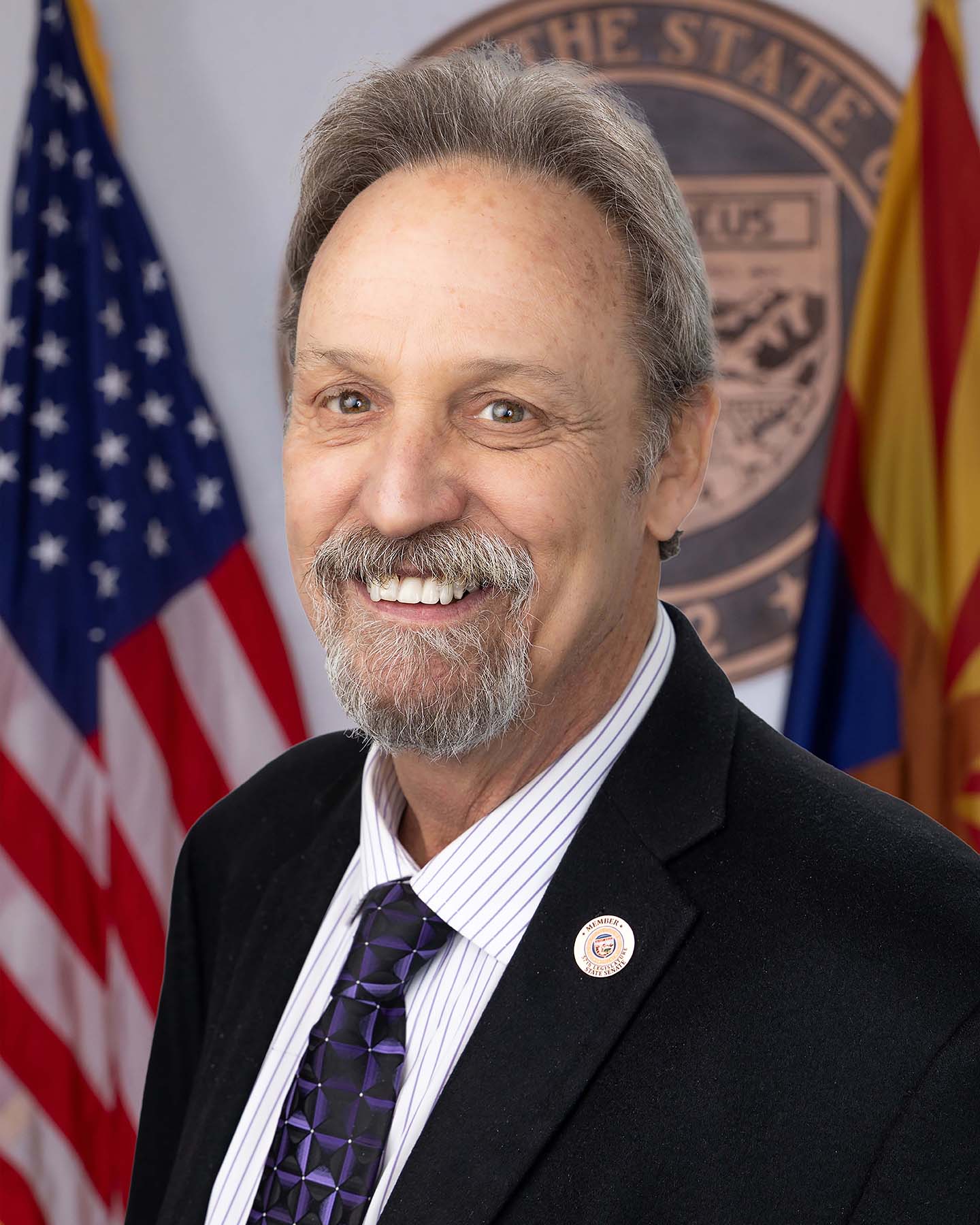
Photo of Kevin Payne
Kevin Payne
RRepublican
AZ
27