Issue · Healthcare

Healthcare

Every healthcare bill, vote, and legislator stance in Arizona, automatically classified by Maddy, our AI policy reader.

Total bills
298
57th Legislature - Second Regular Session
Top supporter
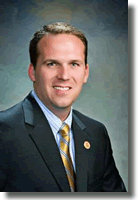
Kevin Payne
81% support rate
Top opponent
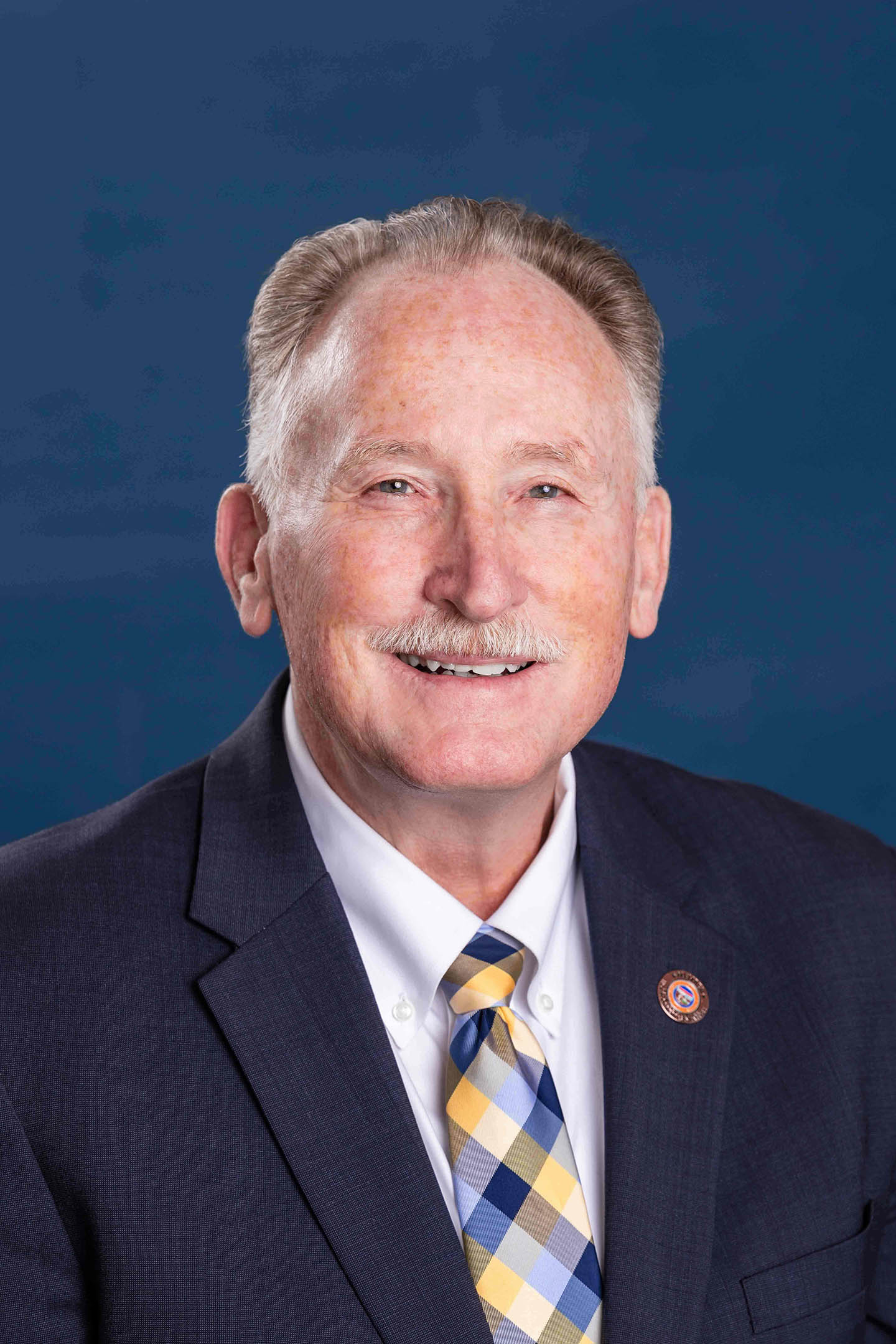
Michael Way
24% support rate
Ranked legislators
10
5 support · 5 oppose
Key legislators

Who's moving healthcare in Arizona

Legislators moving healthcare in Arizona
Legislator Party Stance Support rate Votes
Kevin Payne
Kevin Payne Senate · District 27
R
Strong +
81% 164
Hildy Angius
Hildy Angius Senate · District 30
R
Support
79% 178
T.J. Shope
T.J. Shope Senate · District 16
R
Support
79% 179
Vince Leach
Vince Leach Senate · District 17
R
Support
79% 179
Tim Dunn
Tim Dunn Senate · District 25
R
Support
79% 179
Michael Way
Michael Way House · District 15
R
Oppose
24% 223
Justin Olson
Justin Olson House · District 10
R
Oppose
27% 241
Khyl Powell
Khyl Powell House · District 14
R
Oppose
27% 241
Rachel Keshel
Rachel Keshel House · District 17
R
Oppose
28% 235
Alex Kolodin
Alex Kolodin House · District 3
R
Oppose
30% 238
Showing 181–190 of 298 bills

All healthcare bills

introduced · Arizona · Senate Jan 21, 2026

SB 1218: abortion; repeals

This bill (SB 1218) repeals multiple Arizona statutes related to abortion, including sections defining abortion regulations, medical standards, and reporting requirements. It also amends Section 15-1637 (about leasing property for health care institutions) and repeals other provisions related to health care facility operations. The bill does not create new abortion policies but removes existing legal provisions that previously governed abortion access in Arizona. The specific repealed sections (e.g., 13-3603.01, 15-115, 32-1401) are listed in the bill text but their prior content is not described here.
Sub-Topics Women's Health
introduced · Arizona · Senate Jan 21, 2026

SB 1191: medicare supplement insurance; ALS; ESRD.

This bill requires Arizona insurers to offer Medicare supplement insurance plans to people under 65 with end-stage renal disease (ESRD) or amyotrophic lateral sclerosis (ALS) on the same terms as those 65 and older, including identical benefits and no higher premiums. It mandates that insurers cannot charge these younger enrollees more for supplemental coverage than they charge 65+ enrollees. The law also creates a special enrollment period (December 2, 2025 - June 1, 2027) for individuals with ESRD or ALS who are enrolled in Medicare Part B due to their condition. These provisions ensure equal access to supplemental insurance for this specific group without age-based premium discrimination.
Sub-Topics Insurance Medicare
in committee · Arizona · Senate Feb 11, 2026

SB 1451: appropriation; behavioral health provider rates

SB 1451 allocates $60 million in the 2026-2027 fiscal year to increase Medicaid reimbursement rates by 10% for inpatient and outpatient behavioral health services provided to low-income Arizonans. This directly benefits behavioral health providers (like clinics and therapists) who serve Medicaid patients by ensuring they receive higher payments for their services. The bill requires that health plans pass the full rate increase to providers and prohibits them from offsetting it using existing higher rates. Funds can only be used for these specific behavioral health provider rate increases and cannot be redirected to administrative costs or other programs.
introduced · Arizona · House Jan 21, 2026

HB 2678: TPT; diapers; feminine hygiene; exemption

HB 2678 adds a new exemption to Arizona's retail sales tax code, removing sales tax on diapers and feminine hygiene products. This directly affects consumers who purchase these essential items and retailers selling them. The bill amends Arizona Revised Statutes § 42-5061 to explicitly exempt "diapers and feminine hygiene products" from the state's retail sales tax, aligning with similar exemptions for items like food and medical supplies. The change applies to all qualifying products sold within Arizona, effective upon enactment.
Sub-Topics Sales Tax
introduced · Arizona · House Jan 26, 2026

HB 2879: medical records; medical facility; access

HB 2879 prohibits Arizona healthcare providers from sharing patient medical records or granting access to medical facilities for immigration enforcement purposes, directly affecting patients (especially immigrant communities), providers, and federal immigration agencies. The bill allows exceptions only if a patient signs a written authorization, a neutral magistrate issues a valid search warrant, or a subpoena is served under existing law. It explicitly defines "immigration enforcement" to include all federal efforts investigating or penalizing immigration status, employment, or entry into the U.S. The law aims to protect patient privacy by preventing healthcare settings from being used for immigration investigations. This bill does not alter existing medical privacy laws but adds specific restrictions for immigration-related requests.
signed · Arizona · Senate Jun 22, 2026

SB 1188: approved medications; scheduling; prescription authority

SB 1188 automatically aligns Arizona's controlled substance scheduling with federal classifications for FDA-approved medications (excluding Schedule I drugs), meaning Arizona will adopt the same schedules as the U.S. Drug Enforcement Administration without requiring separate state action. This allows healthcare providers in Arizona to prescribe these medications as permitted under federal law, eliminating the need for the state pharmacy board to reclassify them. The bill directly affects the Arizona State Board of Pharmacy and medical professionals who prescribe or dispense controlled substances by simplifying scheduling requirements. It applies only to drugs approved by the FDA and scheduled by the federal government (other than Schedule I), ensuring consistency with federal regulations.
Sub-Topics Prescription Drugs
introduced · Arizona · House Jan 26, 2026

HB 2831: school safety program; alternative proposals

HB 2831 establishes Arizona's School Safety Program within the Department of Education to fund school safety initiatives. It directly affects public school districts and charter schools, which can apply for up to three years of funding to cover costs for school resource officers, counselors, social workers, safety technology, training, or campus infrastructure improvements. Schools must submit detailed proposals outlining safety needs, plans for collaboration with law enforcement or mental health resources, and evaluation methods. If a school cannot place requested personnel, it may instead apply for an "alternative proposal" to fund safety technology, training, or building upgrades like secured entrances. The program requires annual spending plan updates and verification visits by the Department of Education.
passed · Arizona · House Mar 18, 2026

HB 2402: ambulance services; certificates of necessity

HB 2402 requires ambulance services in Arizona to submit detailed operational data quarterly to the state department, including dispatch times, on-scene response times, ambulance availability, mutual aid requests, and patient injury reports. This applies directly to all ambulance service providers operating within the state. The department must publicly post this information (with personal details redacted) on its website and may impose a $500 civil penalty for failure to comply with reporting requirements. The bill focuses on increasing transparency around ambulance service performance rather than altering service standards or emergency protocols.
passed · Arizona · House Mar 17, 2026

HB 2229: appropriation; DHS; pregnancy resource centers

HB 2229 allocates $3 million from Arizona's state general fund in fiscal year 2026-2027 to the Department of Health Services for funding pregnancy resource centers. The bill directly affects pregnancy resource centers that do not provide or refer patients for abortions, as funds cannot be given to centers that refer to abortion clinics or to abortion clinics themselves (as defined by Arizona law). Key provisions restrict distribution to centers that avoid abortion services or referrals, ensuring state funds support only centers aligned with the bill's restrictions.
failed · Arizona · House Mar 11, 2026

HB 2435: internationally trained physicians; licensure

HB 2435 creates a new licensure pathway for internationally trained physicians in Arizona who cannot obtain standard certification from the Educational Commission for Foreign Medical Graduates (ECFMG). It establishes a "fifth pathway" requiring completion of a one-year U.S. clinical training program followed by a 24-month residency, and clarifies that documents from foreign medical schools (minus internship) combined with U.S. program certification will be treated as equivalent to a U.S. medical degree. The bill also offers an alternative route for physicians meeting ECFMG pathway one requirements, provided they hold a valid independent license, have U.S. work authorization, and have a job offer at a healthcare provider in a county with under one million residents. This directly affects foreign-trained doctors seeking Arizona medical licensure who face barriers with existing certification processes.
Showing 181 to 190 of 298 bills
Previous 1 18 19 20 30 Next