Issue · Healthcare

Healthcare

Every healthcare bill, vote, and legislator stance in Wisconsin, automatically classified by Maddy, our AI policy reader.

Total bills
399
2025-2026 Regular Session
Top supporter
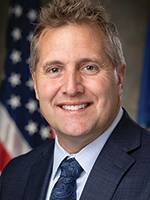
Shannon Zimmerman
79% support rate
Top opponent
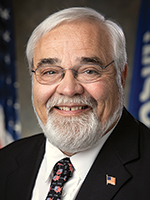
Russell Goodwin
31% support rate
Ranked legislators
10
5 support · 5 oppose
Key legislators

Who's moving healthcare in Wisconsin

Legislators moving healthcare in Wisconsin
Legislator Party Stance Support rate Votes
Shannon Zimmerman
Shannon Zimmerman House · District 30
R
Support
79% 35
Will Penterman
Will Penterman House · District 38
R
Support
71% 41
Jeff Mursau
Jeff Mursau House · District 36
R
Support
69% 44
Chanz Green
Chanz Green House · District 74
R
Support
67% 47
Paul Melotik
Paul Melotik House · District 22
R
Support
67% 47
Russell Goodwin
Russell Goodwin House · District 12
D
Oppose
31% 42
Joe Sheehan
Joe Sheehan House · District 26
D
Oppose
33% 43
Vinnie Miresse
Vinnie Miresse House · District 71
D
Oppose
35% 46
Ryan Clancy
Ryan Clancy House · District 19
D
Oppose
38% 44
Christian Phelps
Christian Phelps House · District 93
D
Oppose
39% 47
Showing 31–40 of 399 bills

All healthcare bills

failed · Wisconsin · Senate Mar 23, 2026

SB 1102: Relating to: reimbursement of maternal mental health screenings under the Medical Assistance program and coverage of maternal mental health screenings by health insurance policies and plans. (FE)

This bill requires health insurance policies and plans in Wisconsin to cover maternal mental health screenings for each pregnancy, while also allowing the Medical Assistance program to reimburse these screenings. The legislation mandates that screening standards be developed in consultation with organizations led by Black, Indigenous, and other persons of color, and permits licensed midwives, nurse-midwives, advanced practice registered nurses, and other qualified healthcare providers to administer the screenings. Additionally, the bill requires state disability insurance policies and self-insured health plans that include maternity coverage to include these screenings. The law takes effect on the day after publication, with specific provisions for collective bargaining agreements to apply when new or renewed.
failed · Wisconsin · Senate Mar 23, 2026

SB 1108: Relating to: reimbursement for doula services under the Medical Assistance program, doulas accompanying Medical Assistance recipients in hospitals and birthing centers, and granting rule-making authority. (FE)

SB 1108 establishes a framework for reimbursing certified doulas under the Medical Assistance program and requires hospitals and birthing centers to allow these doulas to accompany patients during labor and childbirth. The bill defines a certified doula as someone certified by a department-recognized organization and authorizes the state to seek federal waivers to cover doula services for pregnancy, labor, birth, and postpartum support. It mandates that healthcare facilities adopt policies permitting Medical Assistance recipients to have a doula of their choice present, while exempting doulas from facility guest quotas and requiring hospitals to publish relevant policies online. The legislation also includes liability protections for hospitals and requires doulas to provide written proof of certification when requested by healthcare facilities.
failed · Wisconsin · Senate Apr 15, 2026

SB 1172: Relating to: human growth and development instruction. (FE)

This bill requires Wisconsin school boards to provide age-appropriate, medically accurate instruction on human growth and development in grades K-12, covering topics like puberty, reproductive anatomy, gender identity, and healthy relationships. It mandates that schools teach abstinence as the most reliable way to prevent pregnancy and STIs while also including information on contraceptives, consent, and digital safety. The legislation defines key terms such as "age-appropriate" and "medically accurate" to ensure content is scientifically based and recognized by leading health organizations. School boards must decide whether to separate students by gender during instruction and include specific subjects like enthusiastic consent and parental communication. The bill also connects marriage and parenting to parental responsibility while addressing bullying and stereotyping prevention.
failed · Wisconsin · Senate Mar 23, 2026

SB 1105: Relating to: dental services for pregnant persons under the Medical Assistance program. (FE)

This bill expands dental care access for pregnant individuals enrolled in the Medical Assistance program by allowing licensed dental therapists to provide basic dental services. It creates a new legal definition for dental therapists and amends existing statutes to include them alongside dentists for these specific services. The legislation also establishes a requirement that pregnant recipients referred for dental care must be seen within 30 days of their referral, ensuring timely access to care. These changes aim to improve dental health outcomes for pregnant persons by increasing provider options and reducing wait times for appointments.
failed · Wisconsin · Senate Mar 23, 2026

SB 1104: Relating to: a sales and use tax exemption for breastfeeding equipment. (FE)

This bill creates a sales and use tax exemption for breast pumps, breast pump kits, and specific collection and storage supplies used during breastfeeding. It defines breast pumps to include the device and its power components, and specifies which supplies qualify for the exemption while excluding items like nursing bras, cleaning supplies, and non-specific bottles. The exemption applies to purchases made within the state and removes the requirement for sellers to obtain exemption certificates for these items. The tax exemption is set to expire on June 30, 2027, and the law takes effect on the first day of the third month after publication.
failed · Wisconsin · Senate Mar 23, 2026

SJR 148: Relating to: commending employers that permit employees to leave work to perform volunteer emergency medical services duties.

This bill is a Senate joint resolution that formally commends Wisconsin employers who allow their employees to leave work to perform volunteer emergency medical services duties during emergencies. It recognizes the importance of volunteer EMS providers, particularly in rural areas where they make up a significant portion of the workforce, and acknowledges that current state law only requires employers to permit time off for emergencies starting before work, not those occurring during work hours. The resolution does not create new legal requirements or change existing laws; instead, it serves as an official expression of appreciation from the legislature to employers who choose to support their employees' volunteer emergency response efforts.
failed · Wisconsin · Senate Mar 23, 2026

SB 1149: Relating to: prescription drug cost reporting by manufacturers, making an appropriation, and providing a penalty. (FE)

This bill requires prescription drug manufacturers to report price increases and new drug introductions to the state health department and insurance office, affecting companies that sell brand-name or generic drugs in the state. Manufacturers must notify regulators at least 30 days before raising prices by more than 25 percent over two years or introducing high-cost drugs, providing justification including cost-effectiveness data and comparisons to similar medications. The bill also mandates annual reports on manufacturer-sponsored patient assistance programs and requires posting of pricing documentation online with public hearings to review trends. Failure to submit required notices or reports can result in daily penalties of up to $10,000. The legislation authorizes funding for two additional state staff positions to administer these reporting requirements.
Sub-Topics Prescription Drugs
failed · Wisconsin · Senate Mar 23, 2026

SB 1103: Relating to: special enrollment period for pregnancy.

This bill creates a special enrollment period for pregnant individuals in Wisconsin health insurance plans, allowing them to sign up for coverage at any time during their pregnancy rather than waiting for an open enrollment window. It directly affects health benefit plans, self-insured plans, and nonprofit cooperative health plans that operate under state insurance regulations. The key provision requires plans to cover pregnant individuals and their dependents starting from the first day of the month in which medical verification of pregnancy is received, with plans also required to notify enrollees about this option when first offered coverage. The bill applies to policies and plans beginning on January 1 of the year following its effective date, with special provisions for collective bargaining agreements.
failed · Wisconsin · Assembly Mar 23, 2026

AB 1170: Relating to: prescription drug cost reporting by manufacturers, making an appropriation, and providing a penalty. (FE)

This bill requires prescription drug manufacturers to report price increases and new drug introductions to state health officials, affecting pharmaceutical companies selling drugs in the state. Manufacturers must notify the department and insurance office at least 30 days before raising drug prices by more than 25% over two years or introducing high-cost brand-name drugs, providing justification including cost-effectiveness data and comparisons to similar medications. The law also mandates annual reports on manufacturer-sponsored patient assistance programs and price concessions given to pharmacy benefit managers, with penalties of up to $10,000 per day for noncompliance. State health officials will publish the justification documents and conduct public hearings to analyze drug pricing trends.
Sub-Topics Prescription Drugs
failed · Wisconsin · Senate Mar 23, 2026

SB 1147: Relating to: limitation on retroactive claim denials under health insurance policies.

This bill limits when health insurance companies can demand repayment for claims they have already paid. It applies to disability insurance policies and various health care plans, including those offered by the state, counties, and other organizations. Under the bill, insurers can only request repayment within 12 months of making the initial payment, or 18 months if the claim involved coordination with other programs like Medicare or state medical assistance. The only exception is when the original claim was based on fraudulent information. The bill would take effect for policy years beginning on the date it is enacted, with special rules for plans covered by collective bargaining agreements.
Sub-Topics Insurance Medicare
Showing 31 to 40 of 399 bills
Previous 1 3 4 5 40 Next