

Issue · Healthcare
Healthcare
Every healthcare bill, vote, and legislator stance in Wisconsin, automatically classified by Maddy, our AI policy reader.
Total bills
386
2025-2026 Regular Session
Top supporter
Shannon Zimmerman
79% support rate
Top opponent
Russell Goodwin
31% support rate
Ranked legislators
10
5 support · 5 oppose
Key legislators
Who's moving healthcare in Wisconsin
| Legislator | Party | Stance | Support rate | Votes |
|---|---|---|---|---|
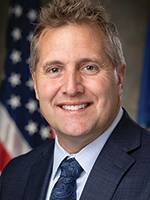
Shannon Zimmerman
House · District 30
|
R |
Support
|
79% | 35 |
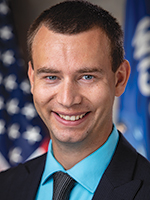
Will Penterman
House · District 38
|
R |
Support
|
71% | 41 |
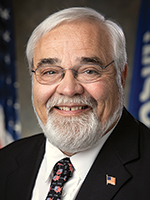
Jeff Mursau
House · District 36
|
R |
Support
|
69% | 44 |
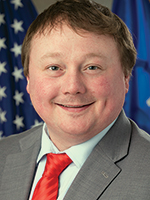
Chanz Green
House · District 74
|
R |
Support
|
67% | 47 |
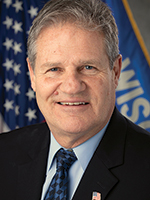
Paul Melotik
House · District 22
|
R |
Support
|
67% | 47 |
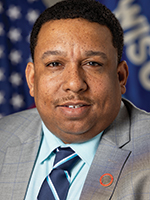
Russell Goodwin
House · District 12
|
D |
Oppose
|
31% | 42 |
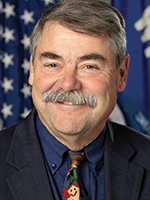
Joe Sheehan
House · District 26
|
D |
Oppose
|
33% | 43 |
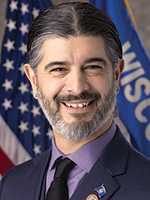
Vinnie Miresse
House · District 71
|
D |
Oppose
|
35% | 46 |
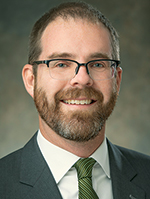
Ryan Clancy
House · District 19
|
D |
Oppose
|
38% | 44 |
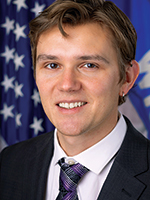
Christian Phelps
House · District 93
|
D |
Oppose
|
39% | 47 |
Showing 1–10 of 386
bills
All healthcare bills
SB 1100: Relating to: a state-based insurance exchange and making an appropriation. (FE)
Topics
✓ Budget & TaxesSupports Budget & TaxesBill creates appropriation account for exchange operations and authorizes fee collection, indicating funding for state health infrastructure.
✓ HealthcareSupports HealthcareBill establishes state-based health insurance exchange to expand coverage access and creates funding mechanism for operations, supporting healthcare infrastructure.
AB 1146: Relating to: minimum nurse staffing ratios in hospitals, registered nurses’ right to refuse a work assignment, prohibiting mandatory overtime for registered nurses, and providing a penalty.
Topics
✓ HealthcareSupports HealthcareBill establishes minimum nurse staffing ratios, protects nurse rights, and prohibits mandatory overtime, directly improving patient care quality and healthcare worker protections.
✓ Labor & EmploymentSupports Labor & EmploymentBill establishes minimum nurse staffing ratios, grants nurses right to refuse unsafe assignments, prohibits mandatory overtime, and creates staffing committees with frontline nurse majority, directly protecting worker rights and workplace safety.
AB 1127: Relating to: coverage of speech therapies as a treatment for stuttering under health insurance policies and plans and the Medical Assistance program and providing speech therapy to a child in need of protection or services. (FE)
SB 1174: Relating to: incorporating awareness about fentanyl and the use of an opioid antagonist into school district educational goals. (FE)
Topics
✓ EducationSupports EducationBill mandates inclusion of fentanyl and opioid antagonist education in school curricula, strengthening drug prevention programs and enhancing student safety education.
✓ HealthcareSupports HealthcareBill mandates fentanyl and opioid antagonist education in schools, supporting public health initiatives and preventing drug abuse.
Sub-Topics
Substance Abuse
SB 1096: Relating to: allowing private individuals, families, and private employers to elect health care coverage through plans offered by the Group Insurance Board, granting rule-making authority, and making an appropriation. (FE)
Sub-Topics
Insurance
SB 1086: Relating to: restoring private individual authority to bring a qui tam claim against a person for making a false claim for medical assistance, actions by the attorney general against a person for making a false claim for medical assistance, and providing a penalty. (FE)
Sub-Topics
Medicaid
SB 1091: Relating to: a premium assistance individual income tax credit and making an appropriation. (FE)
Topics
✓ Budget & TaxesSupports Budget & TaxesBill establishes tax credit for health insurance premiums, providing tax relief to residents and funding essential health coverage assistance.
✓ HealthcareSupports HealthcareBill establishes state premium assistance tax credit for health insurance premiums, expanding access to healthcare coverage for Wisconsin residents.
AB 1125: Relating to: disrupting access to a reproductive health service facility or place of religious worship and providing a penalty.
Topics
✓ Criminal JusticeSupports Criminal JusticeBill strengthens criminal justice by creating penalties for obstructing access to reproductive health facilities and places of worship, enhancing protection for individuals seeking services.
✓ HealthcareSupports HealthcareBill protects access to reproductive health services by criminalizing obstruction, directly supporting patient access to healthcare.
Sub-Topics
Women's Health
AB 1225: Relating to: direct payments for Medical Assistance, Medical Assistance reimbursement rates, care coordination services under the Medical Assistance program, grants for community primary care and outreach, and making an appropriation. (FE)
Topics
✓ Budget & TaxesSupports Budget & TaxesBill allocates $41.75M and $66.75M for Medical Assistance program funding and community health services, directly advancing state budget provisions for public health programs.
✓ HealthcareSupports HealthcareBill allocates $41.75M-$66.75M for community health centers, hiring health workers, nurses, and social workers to expand care coordination services and improve access for vulnerable populations.
✓ HousingSupports HousingBill funds health workers and social workers to assist individuals facing homelessness, indirectly supporting housing stability through care coordination services.